Last updated November 18, 2026

Free written scope consultation - allowances, timeline, and change-order rules on paper before a single trade is scheduled
Fence Installation Troubleshooting: Common Problems and How to Fix Them
A leaning fence post is not a wind problem. It’s a footing problem. Wind revealed it, but inadequate post depth or an improper concrete set created it, and replacing just the post without fixing the footing is a 12-month repair. We’ve seen this cycle play out across Aventura more times than we can count: a homeowner pays to swap a post, the fence stands straight for one wet season, and then the same corner sags again. The real fix starts below grade, not above it. This guide walks through how to diagnose whether your fence has a post failure, a panel failure, or a hardware failure, what South Florida’s sandy soil demands for footing depth, why gates sag, and when a repair needs a permit. Aventura’s salt air and rainy summers speed up all of it.
Quick Answer
Most fence problems come down to bad footings, not bad panels. A post that leans or heaves usually didn’t go deep enough or wasn’t set with the right concrete mix for South Florida’s sandy soil, and surface repairs will fail until the footing is corrected. Diagnose first: is the failure in the post, the panel, or the hardware? The fix is completely different for each, and in Aventura’s coastal climate you also have to factor in salt corrosion, standing water, and gate weight.
Styles & brands we work with
- Kitchen remodeling
- Bathroom remodeling
- Home additions & ADU
- Roofing
- Windows & doors
- Driveway & pavers
- Fence
Table of Contents
- How do you diagnose whether it’s a post, panel, or hardware failure?
- Why do fence posts lean, and what footing depth stops it in South Florida?
- Why do gates sag, and how do you fix the real cause?
- How does South Florida’s salt air and rain shorten fence life?
- How do wood, vinyl, aluminum, and chain-link fail differently?
- How do you fix panel gaps, warping, and wind damage?
- When does a fence repair need a permit in Florida?
- Should you repair or replace a failing fence?
How do you diagnose whether it’s a post, panel, or hardware failure?
Before you touch anything, figure out which of the three fence systems has actually failed. Homeowners often replace a panel when the post underneath it has rotted clear through, or tighten hinges when the gate frame itself has twisted. Get the diagnosis right and you spend money once. Get it wrong and you chase the same problem for years. Here’s how we break it down on a job site.
Post failure shows up as lean, wobble, or a post that moves when you push it. Look at the base: is soil pushed up around it (post heave), is there a gap where the post meets the ground (settling), or does the wood crumble when you push a screwdriver into it near grade (rot)? Grab the post and rock it. Any movement at the base means footing or post, not panel.
Panel failure looks like warped boards, popped pickets, rust-through on metal panels, crack lines in vinyl, or sagging between two posts that are still perfectly upright and solid. If both posts are firm and the panel between them sags or fails, that’s a panel problem.
Hardware failure is the easiest to spot and the cheapest to fix: loose or snapped screws, rusted hinges, a gate latch that won’t catch, brackets pulling away from a post that’s still solid. You’ll see shiny metal pulling through wood, or white rust bloom around a fastener.
- Push-test every post at the base. Mark the ones that move.
- Walk the panels and look for warp, rust-through, cracks, or sag between posts that are still solid.
- Open and close every gate and watch where the failure is: hinge, latch, frame, or post.
- Probe the bottom 12 inches of each post with a screwdriver or awl for soft wood.
- Check the soil line for rising dirt, water pooling, or a visible concrete collar that’s pulling up.
In Aventura, where the water table sits high and summer rain is heavy, post rot and heave account for the majority of failures we diagnose. Panels are usually the innocent bystander.
Why do fence posts lean, and what footing depth stops it in South Florida?
A leaning post is a footing story. Wind gets blamed because that’s the moment it happens, but the post was already on its way out from a shallow hole, a loose concrete mix, or a hole that filled with water before the pour. South Florida’s sandy soil doesn’t hold a post the way clay does, and with no frost line as a variable, the entire game is depth, diameter, and drainage. Get those right and the post stays put.
Here’s what a correct footing looks like in our market:
- Depth: one-third of the post’s above-ground height buried, with a minimum of 30 to 36 inches for a standard 6-foot fence. Deeper for gates and corner posts, which carry more load.
- Hole diameter: two to three times the width of the post, so concrete has mass to grab against the sand.
- Concrete mix: a stiff, fast-setting mix, not a soupy pour. In sandy, water-logged Florida soil, an over-wet mix drains out of the hole and leaves the post sitting in a loose shell.
- Drainage: a few inches of gravel at the bottom of the hole so water has somewhere to go before it eats the concrete and the wood.
- Crown and cap: a domed concrete collar at the surface, sloped away from the post, so rain sheds instead of pooling at the base.
Our technicians have up to 12 years of experience and have dug enough holes in Aventura yards to know the fill under some lots is sandier than others, and a hole that looks solid will slump once the summer rain arrives. That’s why we set posts deeper and crown the concrete. The most common failure is not the post – it’s the hole. Fix the hole and the post stops leaning.
If you’re caught in the repair cycle, replacing a post without re-setting the footing correctly just pushes the same failure twelve months down the road. If repeated repairs are adding up, fence installation in Aventura done once with proper footings costs less than three band-aid fixes.
Why do gates sag, and how do you fix the real cause?
Gate sag is a weight and frame problem. A gate is a cantilevered slab of wood or metal hanging off two hinges on one post, and every season it’s asked to hold itself straight while being opened a thousand times. Most sag repairs fail because they only address the hinge and ignore the frame. The gate isn’t just hanging heavy – the frame itself may be flexing, and no hinge adjustment fixes a twisted frame.
Here’s the sequence we use to troubleshoot a sagging gate:
- Check the post first. If the gate post leans or moves, stop. Hinges and kits won’t help. The footing is the problem and the gate has to come off to fix it.
- Check the frame for square. Measure corner to corner on both diagonals. If they differ by more than a quarter inch, the frame is out of square and needs to be corrected before hinges can hold.
- Adjust hinges. Loosen the hinge-to-post screws and shim the gate back up before re-driving them. Tighten with heavier structural screws, not the short screws that come with a typical hinge pack.
- Add an anti-sag kit or diagonal brace. A cable-and-turnbuckle kit pulls a frame back toward square on an existing gate. A diagonal brace from the bottom hinge corner to the top latch corner is the structural fix and the one that lasts.
- Reset the latch last. Never fix a sag by moving the latch. The latch is the tell that the gate is out of alignment, not the cause.
In Aventura, wood gate frames swell through the rainy season and shrink in the dry months, so a gate that was square in January can bind by August. If the frame is warped or the wood is soft, the honest answer is a new gate – a repair will just fail again. We often see this on older Aventura properties where a gate has been re-shingled and re-hung four or five times.
How does South Florida’s salt air and rain shorten fence life?
Salt air and standing water are the two accelerants that make a fence in Aventura fail years before the same fence would in a dry inland market. Salt drives galvanic corrosion on any exposed metal: steel brackets, gate hinges, fasteners, and chain-link fabric. Standing water at the base rots wood, splits vinyl seams, and lifts the concrete collar loose. Every repair decision has to account for both.
The specific failure patterns we see:
- Fastener corrosion. Standard zinc-plated screws rust out in two to three years near the coastline. Use hot-dip galvanized or stainless, especially on gates and any metal hardware.
- Gate hinge seized rust. Salt air and rain will seize a mild-steel hinge. Lubricate at least twice a year with a marine-grade grease, or replace with stainless.
- Wood rot at the base. Ground-contact rated lumber is the only acceptable choice in Aventura. Standard dimensional lumber at grade is gone in a handful of seasons.
- Chain-link fabric corrosion. Galvanized chain-link will survive inland; near saltwater, vinyl-coated or aluminum-coated fabric lasts longer.
- Concrete spalling. Freeze-thaw isn’t the problem here, but salt-laden water pooling at the collar eats the concrete surface and loosens the post hold.
If you’re choosing hardware or gate frames for a repair, spend the difference on stainless. It’s the cheapest money you’ll spend on the whole job. Repair in Aventura is a different animal from repair inland, and it pays to use a contractor who knows the difference. A quick call to a professional is worth it before you buy materials – Groundwork Construction Co. of Aventura home is a good place to start.
How do wood, vinyl, aluminum, and chain-link fail differently?
Each material fails on its own timetable and in its own way. Troubleshooting a wood fence is a different job than troubleshooting aluminum, and the fix that works on one may be the wrong answer on the other.
Wood
Wood rots at grade first. The bottom 12 inches of every post is where the failure lives, and it’s why probing the base is the first thing we do. Boards warp, pickets pop as nails back out, and posts heave when the footing is shallow. Stain and seal every two to three seasons to slow the process, and use ground-contact rated lumber on Aventura projects.
Vinyl
Vinyl cracks at stress points – post caps, corners, gate frames – and panels bow in heat and contract in the cool months. A cracked vinyl post usually means it took a hit or was set too tight and had no room to move. Vinyl is repairable section by section, which makes troubleshooting straightforward: find the cracked or warped piece and replace only that piece.
Aluminum ornamental
Aluminum fences fail at the fasteners and the finish. Powder coat chips, rust blooms from the chip, and set screws back out over the years. The frame is usually fine; the hardware is the repair. Stainless fasteners and touch-up paint are the maintenance ticket.
Chain-link
Chain-link fails at the tension wire, the top rail, and post sag. Fabric that’s pulled too tight and stretched in a warm season will slack as it cools. Post sag is always footing. Rust-through is the coastal story: inland it’s negligible, on Aventura’s salt side it’s a real consideration. Repair focus is tensioning the fabric, replacing bent posts, and re-setting footings.
A note on the brand of gate and hardware you’re replacing: sticking with the same product line saves time and avoids mismatched finish. We install brands like CWS and ECO Window Systems across our Aventura projects for the same reason – known components mean predictable repairs. Driveway and pavers in Aventura is also worth checking if the fence line runs along the drive, since paver damage often travels with fence post heave.
How do you fix panel gaps, warping, and wind damage?
Panel failures look dramatic but are the most straightforward to repair. The posts are solid, the hardware is fine, and the panel between two good posts has taken damage. Repairs here are section-by-section, and you may not need to touch the rest of the fence.
What you’ll diagnose and how we fix it:
- Warped boards or bowing panels: Replace the panel section and add a horizontal stiffener or a mid-rail. Cause is usually heat, humidity, and a panel installed too tight with no room for expansion.
- Popped pickets and nails backing out: Re-drive with coated structural screws, not nails. Nails in wet-dry cycling wood back out on their own.
- Wind damage after a storm: One or two panels blown in with the posts still standing means the post footings held – good news. Replace the panels, add mid-rails for strength, and inspect the down-wind posts for any wobble.
- Panels blown out including posts: Now it’s a footing problem, not a wind problem. Reset the failed posts and rebuild the section. Chasing panels without fixing the post is wasted work.
- Gaps at the bottom of the fence: Usually a grade or settling story, not a panel issue. Grade changes after landscape work, or drainage swales along the Aventura canal corridors, can leave gaps underneath. Correct the grade or add a lower rail.
In our experience, wind damage that “just happened” is almost always the last straw on a footing that was failing quietly for a while. If panels came in but the posts held, the fence was built right. If roof-level storms knock over a whole section including the posts, that’s a signal to check every footing before rebuilding.
When does a fence repair need a permit in Florida?
Fence permits in Florida depend on where you’re located and what the work actually is. Aventura, like most South Florida municipalities, generally requires a permit for new fence installation and replacement, and often for structural repairs – replacing or resetting posts, adding height, or changing the fence line. Simple panel replacement or hardware adjustment typically does not require a permit, but the rules vary by municipality and by what the inspector considers structural. When in doubt, pull the permit.
The liability risk of unpermitted structural fence work is real and bigger than the permit fee. If a fence fails and damages a neighbor’s property, or an injury happens on a fence that was so poorly set it fell, an unpermitted installation can put the repair cost and legal exposure on your side. Homeowners insurance claims tied to fences and gates frequently get denied when the work wasn’t permitted. HOA rules stack on top of municipal rules, and Aventura has HOAs with specific fence height, material, and setback requirements that override what the city would otherwise allow.
What we see on Aventura jobs:
- New fence installation usually needs a permit and inspection.
- Full section replacement including post reset – usually permit.
- Panel swap between existing posts – usually no permit.
- Height changes, fence line movement, or new gates – permit, and often HOA sign-off too.
- Emergency repairs after a storm – temporary fixes usually allowed, but the permanent repair still needs a permit.
One more Aventura-specific point: setback requirements from property lines, canals, and easements are tight, and an inspector will catch a fence set in the wrong place. Get the permit and the HOA approval together. It’s the cheapest insurance on the whole project.
Should you repair or replace a failing fence?
Repair makes sense when the majority of posts are solid and the failures are localized to one section, one gate, or one hardware run. Replace makes sense when the footings are failing across the whole line, when more than a third of the posts are soft at grade, or when the fence is at or past the end of its material life. The decision comes down to one question: how much of the fence would we keep if we were rebuilding from scratch today?
Here’s the practical rule we use:
- One or two posts failing, rest firm: Repair. Reset the failed footings and re-hang the section.
- Half or more of the posts moving: Replace. The footings were done wrong across the whole run, and the failures will keep coming.
- Material at end of life (wood rot through multiple sections, chain-link rust-through): Replace.
- Gate only: Repair or replace the gate. Rebuild the gate frame and re-hang on a stainless hinge, keep the fence.
- Fence has fought the property line for a decade: Replace, and fix the line, the grading, and the setback in one pass.
Cost math matters too. Three separate footing repairs over five years can add up to more than one proper replacement. Upfront pricing on a full replacement – a single number you see and pay – is often the sane call once the fencing has proven it was built shallow. If you’re adding a fence as part of a larger project, home additions and ADU in Aventura work frequently requires fence planning around the new structure, and doing both in one pass saves money and disruption.
Common Mistakes to Avoid
- Replacing a post without re-setting the footing. The post didn’t fail on its own – the hole did. If the new post goes into the same shallow, sandy hole, it will lean again next wet season. Fix the footing or don’t bother.
- Using standard zinc-plated fasteners near the coastline. In Aventura, standard screws rust out in two to three years at the base of the fence. Pay for stainless or hot-dip galvanized and save the re-drill.
- Packing soil around a leaning post as a “fix.” Tamping loose sand against the base of a post hides the movement and blocks drainage. It buys a few weeks and makes the eventual repair more expensive.
- Adjusting hinges to fix a twisted gate frame. If the frame is out of square, hinge adjustment is cosmetic. Correct the frame first, then set the hinges and the latch.
- Skipping the permit, or assuming the HOA has no rules. Aventura HOAs and the city both regulate fence height, material, and setback, and the inspector will catch a fence that violates them. Pull the permit and get the HOA approval before the first post goes in.
- Choosing a material without checking its coastal performance. Galvanized chain-link that lasts decades inland can go early on Aventura’s salt side. Match the material to the environment, not just the budget.
- Replacing panels while the footings are quietly failing. If one post moved in a storm and the rest held, replace the panels. If a whole section went down with the posts, that’s a footing story – rebuilding on the same footings repeats the failure.
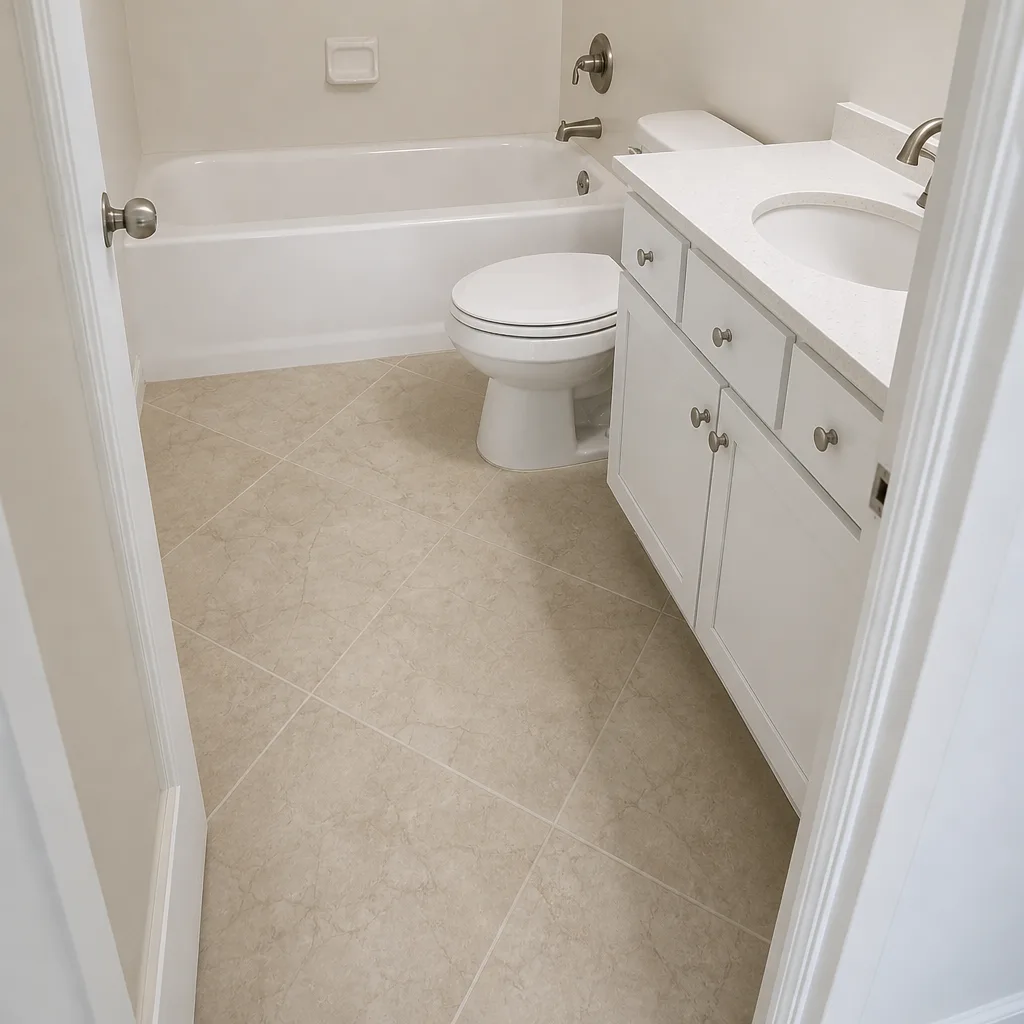
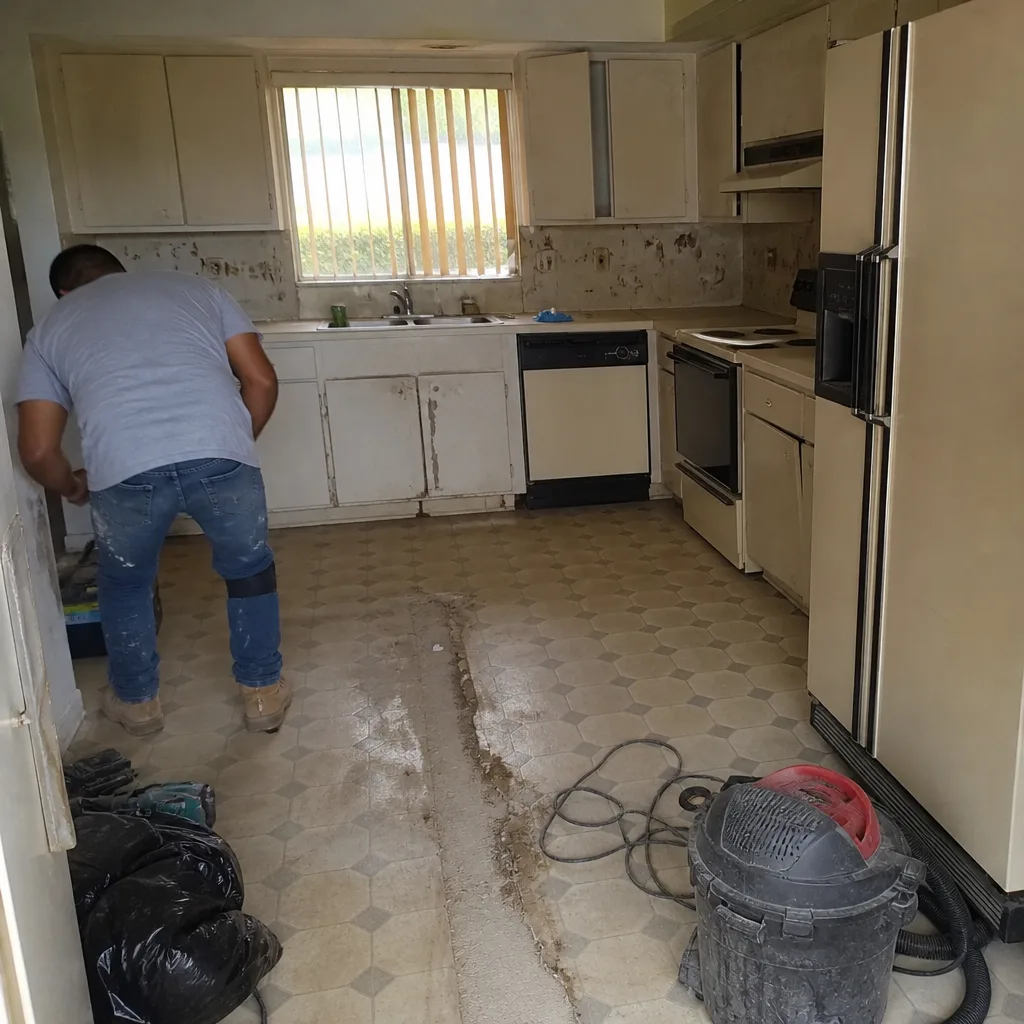
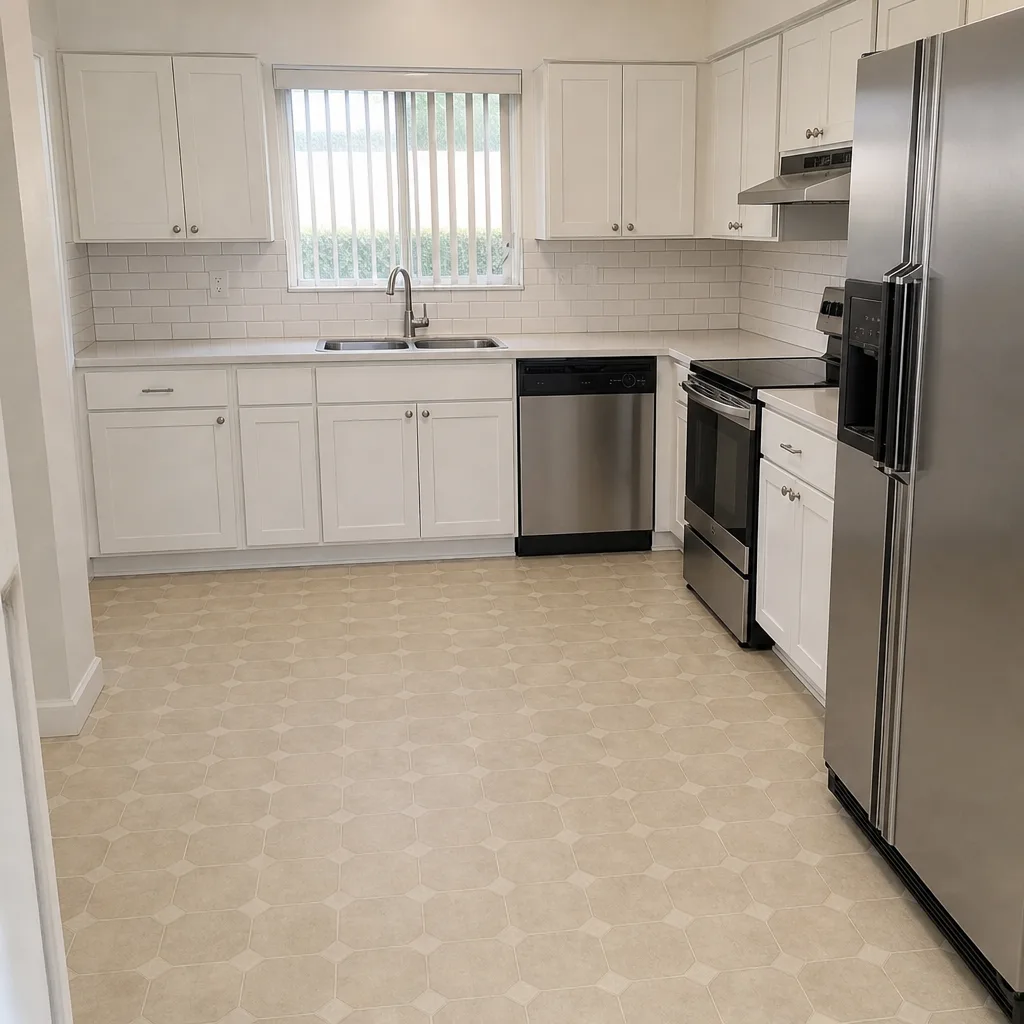
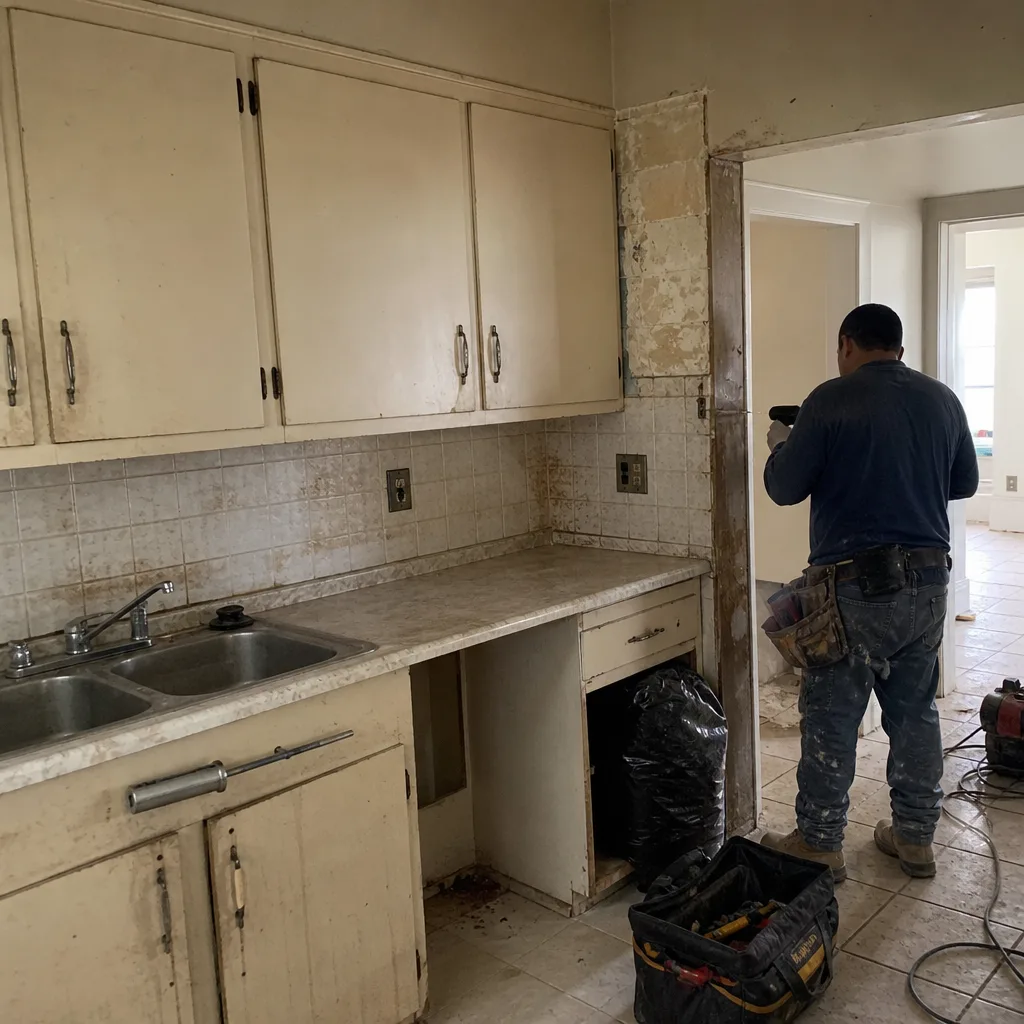
See the difference
 Before
 After
 Before
 After
 Before
 After
When to Call a Professional
Call a professional when the footing is the problem, when the fence line is close to a property line, canal, or easement, or when the repair involves a permit and inspection. The corner cases that look simple to a homeowner and complex to a contractor are the ones worth a phone call: a post that’s loose but not obviously shallow, a gate frame that looks fine but won’t stay square, a fence that sits in a low spot in an Aventura yard where water stands after every rain, or a fence line that’s spent years fighting an HOA height and setback rule. Replacing posts and setting concrete is where a hidden mistake gets buried and where a short repair turns into a multi-year cycle. Groundwork Construction Co. of Aventura offers free estimates in Aventura – call (833) 716-6251 and we’ll come out, diagnose the actual failure, and give you a written line-item quote. No-hassle upfront pricing, and work backed by our 730-Day Done Right Promise.
Frequently Asked Questions
Because the post isn’t the failure – the footing is. If the hole was too shallow, filled with water before the pour, or filled with a loose concrete mix in South Florida’s sandy soil, the post will lean again the moment the ground gets wet enough. Replacing the post without re-setting the footing is a repair that lasts about twelve months. Call (833) 716-6251 for a free estimate on getting the footing right.
A standard 6-foot fence post needs at least 30 to 36 inches of burial in Aventura, or one-third of its above-ground height, whichever is deeper. Gate posts and corner posts need more, since they carry extra load from the gate swing and fence tension. The hole should also be two to three inches wider than the post on all sides and drained with gravel at the bottom so rainwater doesn’t pool and eat the concrete. If you’re not sure what’s under a specific post, call (833) 716-6251 and we’ll look.
For new fence installation or full replacement, yes – Aventura, like most Florida municipalities, requires a permit and an inspection. Simple panel swaps and hardware repairs usually don’t need a permit, but structural repairs (post reset, height change, fence line move) usually do. The bigger risk isn’t the permit fee, it’s the insurance and liability exposure of unpermitted work, plus the HOA conflict that comes with a fence the association didn’t approve. Call (833) 716-6251 to talk through what your repair actually needs.
Find the real cause first. If the gate post is moving, fix the footing before touching hinges. If the frame is out of square, correct the frame before tightening anything. If the frame and post are sound and only the hinge has sagged, add a diagonal brace or a cable anti-sag kit and use structural screws, not short hinge-pack screws. Stainless hinges are the right call in Aventura’s coastal air. Free estimates available – call (833) 716-6251.
Material life varies widely. A properly footed wood fence with ground-contact lumber and regular sealing can run 10 to 15 years. Vinyl typically holds 15 to 20 years. Aluminum runs decades if the finish is maintained and fasteners are stainless. Chain-link inland can hit 20-plus years but shorter near the coast. The biggest variable isn’t the material – it’s whether the footings were done right. Poor footings cut fence life in half. Call (833) 716-6251 to discuss what you’re working with.
That’s the most common thing we diagnose: a fence put in years ago where the footings weren’t deep enough, or the wrong fasteners were used for salt air, and now multiple posts are moving. We don’t assume the fix is a full replacement – we diagnose each post and tell you which ones to repair and which are past saving. Free line-item estimates for Aventura properties. Call (833) 716-6251.
The Bottom Line
Most fence failures aren’t mysterious. A leaning post means a shallow footing, a sagging gate usually means a frame out of square, and rust bloom on a hinge means the wrong fastener for Aventura’s salt air. Fix the actual cause – not the visible symptom – and the repair holds. The diagnosis is the work: post, panel, or hardware, and which of those three is the story. Get it right and a repair lasts a decade. Get it wrong and you’ll be back out there twelve months later, wondering why the wind keeps winning. Our technicians have up to 12 years of experience diagnosing exactly these failures across Aventura. If it’s not done right, our 730-Day Done Right Promise means we make it right.
Call Groundwork Construction Co. of Aventura at (833) 716-6251 to schedule your free estimate. Live person, 24/7. Upfront pricing, no surprises. From foundation to finish line, and built to last, backed in writing.
Written by the team at Groundwork Construction Co. of Aventura.