Last updated November 18, 2026
Free written scope consultation - allowances, timeline, and change-order rules on paper before a single trade is scheduled
Fence Installation Maintenance Schedule: What to Do and When
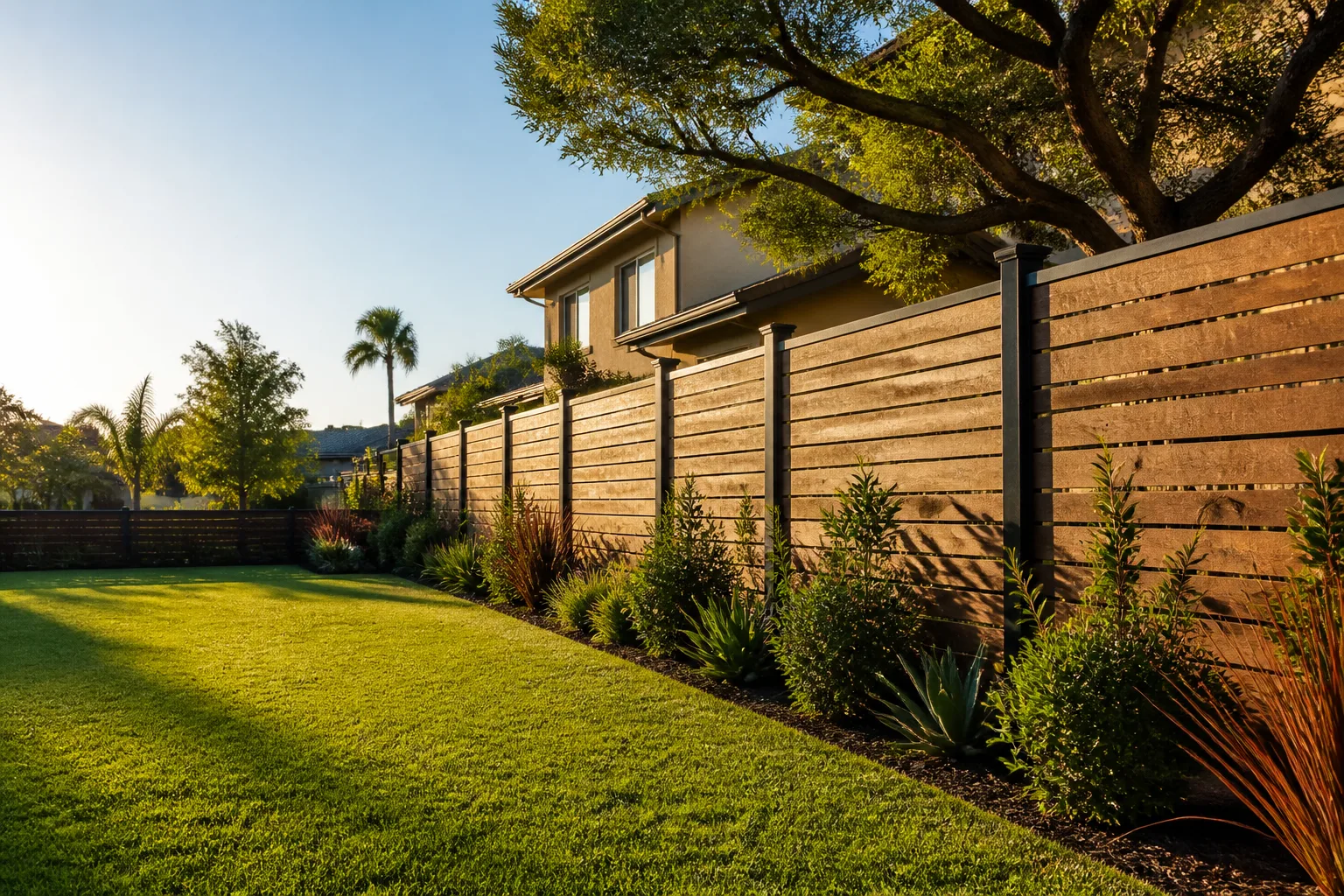
The wood fence that looked great at installation and is rotting at the base three years later almost always tells the same story: one missed annual inspection that would have caught early moisture intrusion before it reached the post. In South Florida we’re not maintaining fences against normal wear. We’re maintaining them against UV that breaks down vinyl pigment and wood grain, salt air that eats gate hinges and fasteners long before the panels fail, and hurricane-season ground saturation that quietly loosens footings from below. This guide is the calendar we’d hand a homeowner in Aventura who wants a fence to hold its line for the long haul. You’ll get material-specific timing, pre- and post-storm protocols, and the gate checks almost everyone skips.
Quick Answer
In South Florida, inspect your fence every spring before hurricane season and again after any major storm, clean and treat wood annually, wash vinyl and aluminum two to three times a year to strip salt and pollen, and check gate hardware quarterly because it corrodes faster than the fence. Footing integrity after heavy rain matters more than surface appearance, and a five-minute walkaround each season catches most failures before they get expensive.
Styles & brands we work with
- Kitchen remodeling
- Bathroom remodeling
- Home additions & ADU
- Roofing
- Windows & doors
- Driveway & pavers
- Fence
Table of Contents
- Why South Florida Fences Age Faster Than You Think
- The Material-by-Material Maintenance Calendar
- Pre-Hurricane Season Prep: What to Inspect and Tighten
- Post-Storm Inspection: Checking Footings Without Digging Up Every Post
- UV and Salt-Air Protection by Material
- The Annual Gate Hardware Check
- A Month-by-Month Rhythm for Aventura Homeowners
- Repair or Replace? Reading the Signs
Why South Florida Fences Age Faster Than You Think
A fence built in Aventura is working harder than the same fence built almost anywhere else in the country. The sun load is relentless, the salt air carries chloride that attacks metal fasteners and gate hardware, and the wet season dumps rain in bursts heavy enough to saturate soil around footings and then dry it out fast. That cycle of soak-and-dry is the part most maintenance advice ignores. It’s not the rain itself that kills posts. It’s the ground opening and closing around them season after season.
In our experience, vinyl in Aventura fades noticeably faster on south- and west-facing runs than on shaded north-facing ones. Wood pickets cup and split on the sun side while the shaded side still looks new. Aluminum holds its finish well but its hinges and latch screws don’t, because salt oxidation works on the small hardware first. Chain link is the slowest to show problems and the easiest to neglect until the bottom rail is rusting through.
What that means for your schedule: you can’t treat “fence maintenance” as one warm-weather chore. The three accelerants here are UV degradation, salt air oxidation, and post-storm ground saturation, and each one hits a different part of the fence on a different timeline. A single annual inspection catches the visible stuff. A material-specific calendar catches the rest. If you’re starting from scratch rather than maintaining an existing fence, the planning conversation is different, and our guide to Fence Installation in Aventura covers materials and layout in detail.
The Material-by-Material Maintenance Calendar
Here’s the short version most homeowners are looking for: aluminum and vinyl need cleaning and hardware checks, wood needs cleaning plus a protective treatment, and chain link needs tension and rust checks. The timing shifts by material because each one fails on its own clock in South Florida conditions.
Aluminum. Wash two to three times a year with mild soap and water to remove salt film and pollen. Check gate hardware and post caps quarterly. Touch up any scratched powder coat before the exposed metal starts to pit. Realistically, aluminum in Aventura needs a hardware replacement cycle on gates every three to five years because of salt exposure, even though the panels themselves may last decades.
Vinyl. Wash two to three times a year, more on the salt-facing side if you’re near the water in Aventura. Inspect for loose panels and cracked pickets after every named storm. Vinyl doesn’t need sealing, but it does need hardware checks and footing checks because a loose post shows up as a leaning panel long before anything else. Fading is cosmetic and slow; structural issues are the ones worth your time.
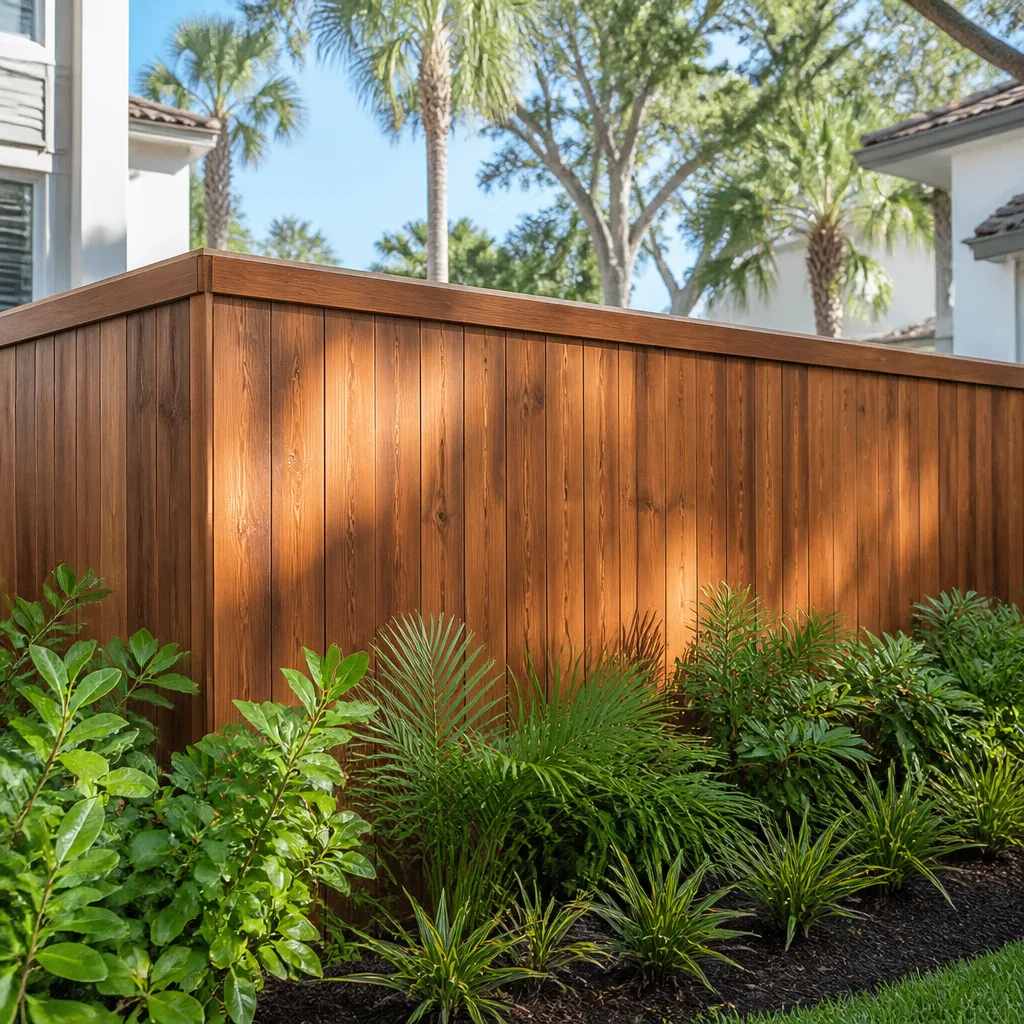
Wood. Clean annually, inspect for rot at the base and around fasteners every spring, and apply a protective stain or sealant on a schedule that matches your exposure. In South Florida sun, that’s typically every 12 to 24 months, sooner on the west-facing run. This is the material where a missed year actually costs you a post.
Chain link. Check tension and top rail alignment annually, touch up rust spots as they appear, and inspect the bottom rail and post bases every spring because that’s where corrosion starts. Chain link is forgiving but not maintenance-free.
If you’re weighing which material to maintain versus which to install fresh, our team can walk you through the tradeoffs during a free estimate. The same logic applies to hardscape around the fence line, and our Driveway & Pavers in Aventura page covers how paving and fence footings interact.
Pre-Hurricane Season Prep: What to Inspect and Tighten
Hurricane season runs June 1 through November 30, so the inspection window in Aventura is late April to mid-May. Do it before the first named storm and you’re working with dry ground and calm conditions. Do it after and you’re inspecting a fence that’s already been tested.
Here’s the sequence we recommend, in order:
- Walk the full line and push on every post. A post that moves more than an inch at the top is a footing problem, not a cosmetic one. Mark it and come back to it.
- Check every fastener. Rusted screws and nails back out under wind vibration. Replace with corrosion-resistant hardware rated for coastal exposure.
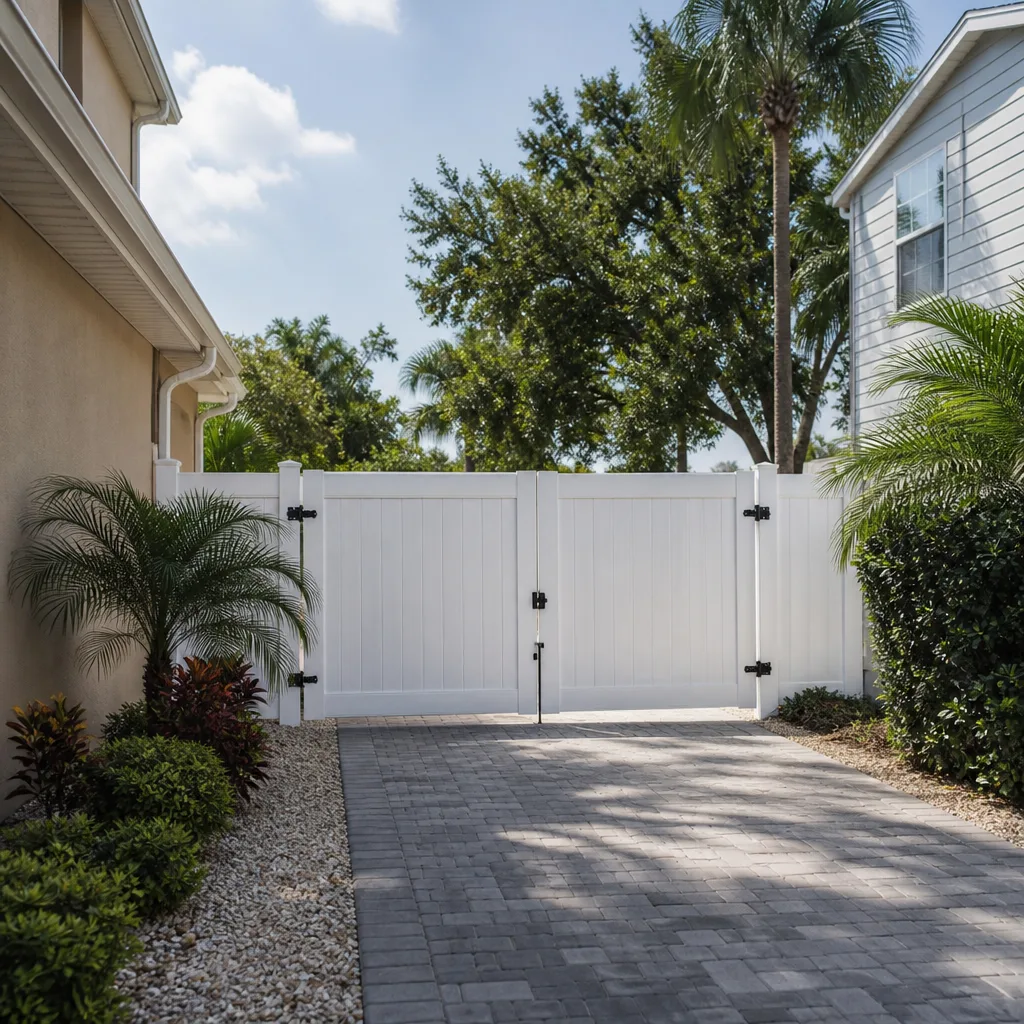
- Test every gate. Open and close it fully. A gate that drags, sticks, or self-closes weakly is telling you the hinge or the post has moved.
- Look at the base of every wood post. Probe with a screwdriver at ground level. If it sinks in easily, the post is compromised and needs replacement before storm season, not after.
- Check panel attachment. Loose pickets or panels become projectiles in high wind. Secure or remove anything that rattles.
- Decide on temporary panels now. If you use removable storm panels or fabric screens, test the mounting hardware before you need it and store panels where you can reach them fast.
On when removal is the right call for temporary panels: if the mounting hardware is compromised, if the panel itself has any cracking or UV brittleness, or if the anchors can’t be verified as sound, take it down rather than trust it. A panel that fails during a storm becomes debris, and debris causes damage. Better to remove it in May than wish you had in September.
Post-Storm Inspection: Checking Footings Without Digging Up Every Post
After a major rain event, the ground around your fence in Aventura is saturated, and saturated soil is when footing problems reveal themselves. The instinct is to start digging. Don’t. You can assess footing integrity without excavating, and doing so saves you a lot of unnecessary work.
Start with the push test. Walk the line and push each post firmly at chest height. A sound post in saturated ground should have minimal movement. A post that rocks, leans, or feels loose in the soil has a footing issue that predates the storm and was simply exposed by it.
Then check the plumb line. Sight down the fence line from one end. Any post that’s visibly out of alignment with its neighbors is suspect, especially if it wasn’t leaning before the storm.
Next, look at the soil surface around each post. A ring of disturbed or sunken soil around a post base is a sign the footing has shifted. So is a crack radiating out from the post. Both mean the post needs professional attention, not a patch job.
Finally, check the panels and rails. Sagging rails, popped fasteners, and panels that have shifted out of the post channels are all signs the whole assembly took a hit. If the fence is more than a few years old, a storm is a good prompt for a full assessment rather than spot repairs, because the next storm will find the weak points the first one missed.
If a post has failed, replacing it properly means digging out the old footing, setting a new post in fresh concrete, and re-establishing the line. That’s the kind of work where getting it right matters more than getting it fast, and it’s worth having a professional confirm the diagnosis before you commit. Our team handles this regularly across Aventura and can give you a straight answer on what’s actually failed.
UV and Salt-Air Protection by Material
UV and salt air are the two forces that age a South Florida fence fastest, and they need different responses depending on material. The interval matters as much as the product. Here’s the realistic schedule for Aventura conditions.
- Wood: Clean, then apply a penetrating oil or stain with UV inhibitors every 12 to 24 months. West- and south-facing runs need the shorter interval. Reapply before the surface starts to gray, not after, because once the wood grays you’re refinishing rather than protecting.
- Vinyl: No sealing needed, but a UV-protectant wash twice a year strips salt and pollen that hold moisture against the surface. Don’t use abrasive cleaners; they dull the finish and create places for UV to attack.
- Aluminum: The powder coat is the UV protection. Wash it regularly, and touch up any scratches or chips within a season so the bare metal doesn’t start to oxidize. On gate hardware, apply a corrosion-inhibiting lubricant two to three times a year.
- Chain link: The galvanized coating is the protection. Touch up rust spots promptly and keep the bottom rail clear of soil and debris so moisture doesn’t sit against it.
Our technicians have up to 12 years of experience with South Florida exposure, and that experience mostly shows up in the intervals. A wood fence in Aventura that’s been maintained on the 18-month cycle lasts meaningfully longer than one on a “when it looks bad” cycle. The cost of a treatment is small next to the cost of replacing a post, and the schedule is what makes the difference.
Salt exposure is highest for properties near the water, and it’s worth adjusting your gate hardware schedule accordingly. A hinge that lasts five years inland might need replacement at three near the coast. Watch the hardware, not just the fence.
The Annual Gate Hardware Check
Gate hardware corrodes faster than the rest of the fence, and it’s the part most homeowners never inspect. Hinges, latches, and self-closing mechanisms are small metal assemblies in constant motion, exposed to salt air and rain, loaded with the full weight of the gate. In Aventura, that’s a recipe for failure on a shorter timeline than any other fence component.
Do this check at least once a year, ideally twice, and after any storm:
- Operate the gate fully. Listen for squeaks, grinding, or hesitation. Any of those means the hardware needs attention.
- Check for rust and corrosion. Surface rust on a hinge is a warning. Pitting or flaking means replacement, not lubrication.
- Test the self-closing mechanism. It should close fully and latch without a push. A gate that doesn’t self-close is a safety issue and a sign the spring or hydraulic closer has lost tension.
- Inspect hinge screws and latch strikes. Loose screws in wood posts back out; loose screws in vinyl or aluminum posts can oval out the hole and require a repair.
- Lubricate moving parts with a corrosion-inhibiting product rated for coastal conditions.
- Check the gate post. If the gate sags but the hardware is fine, the post has moved. That’s a footing issue, not a hardware issue.
Replacing gate hardware is inexpensive compared to replacing a gate, and it’s a job you can schedule rather than one that schedules itself at the worst moment. When a gate latch fails in a storm, it becomes urgent. When you replace it in May on your own terms, it’s routine.
A Month-by-Month Rhythm for Aventura Homeowners
If you’d rather have a calendar than a principle, here’s how the year breaks down for a typical Aventura property. Adjust for your material and your exposure, but the rhythm holds.
January through March: Dry season, the best window for wood treatment and any repairs. Inspect the full fence line while the ground is stable, and complete any post replacement or hardware swap now, before the wet season.
April: Pre-hurricane inspection. Walk the line, push every post, check every fastener, test every gate, and decide on temporary panels. This is the most important month on the calendar.
May: Finish anything the April inspection flagged. Replace compromised hardware and address footing issues while conditions are still dry.
June through November: Hurricane season. After any named storm or heavy rain event, run the post-storm inspection. Clean salt and debris from vinyl and aluminum surfaces more frequently during this stretch.
December: End-of-year hardware check and a full walkaround. Catch anything the season left behind and plan next year’s larger maintenance.
This rhythm matters for more than the fence. If you’re planning a larger project on the same property, like an addition or a detached structure, the fence line and the site work interact, and timing the two together saves disruption. Our Home Additions & ADU in Aventura team coordinates that kind of site planning regularly. The same goes for any prefab structure on the property, whether that’s a Mighty Buildings unit, a Boxabl, or a Tuff Shed, all of which need a level, well-maintained perimeter to sit cleanly.
Repair or Replace? Reading the Signs
At some point maintenance stops being the answer and replacement becomes the smarter spend. In South Florida, the tell is usually in the footings and the posts, not the visible panels. Here’s how we read it.
Repair makes sense when: a single post has failed and the rest of the line is sound, a gate hardware set has corroded but the gate and post are solid, a section of pickets has UV damage on one face, or a panel has shifted out of its channel. These are localized problems with localized fixes.
Replacement makes sense when: more than a few posts are loose in the ground, the bottom rail of a chain link fence is rusting through along its length, wood posts are soft at the base across the run, or the fence has been through multiple storm repairs and keeps failing in new places. At that point you’re paying for maintenance that doesn’t hold.
A useful rule of thumb: if repairs would cost more than roughly a third of a replacement in a single season, price the replacement. In Aventura, fences take more abuse than in most markets, so that threshold arrives sooner than people expect. The good news is that a fence built right the first time, with sound footings and appropriate materials, needs less maintenance going forward. That’s the case for doing it properly rather than patching repeatedly.
Common Mistakes to Avoid
- Skipping the spring inspection because the fence looks fine. The failures that cost the most are the ones you can’t see from the patio, like a softening post base or a footing that’s already shifted. The annual walkaround is what catches them.
- Treating wood after it’s already grayed. In Aventura sun, wood starts to degrade before it looks bad. Protect it on schedule, not on appearance, because once it grays you’re refinishing rather than maintaining.
- Ignoring gate hardware until it fails. Salt air attacks hinges and latches first. A hardware check twice a year is a fraction of the cost of a gate replacement.
- Digging up footings after every storm. You can assess footing integrity with a push test and a plumb line. Excavation is for confirmed failures, not for diagnosis.
- Using the wrong fasteners. Standard screws and nails corrode fast in coastal Aventura. Corrosion-resistant hardware rated for the exposure is not optional here.
- Trusting a compromised temporary panel. If the mounting hardware or the panel itself is questionable, remove it before the storm rather than hope it holds.
- Assuming vinyl is maintenance-free. It doesn’t need sealing, but it does need washing, hardware checks, and footing checks. The material that needs the least maintenance still needs some.
See the difference
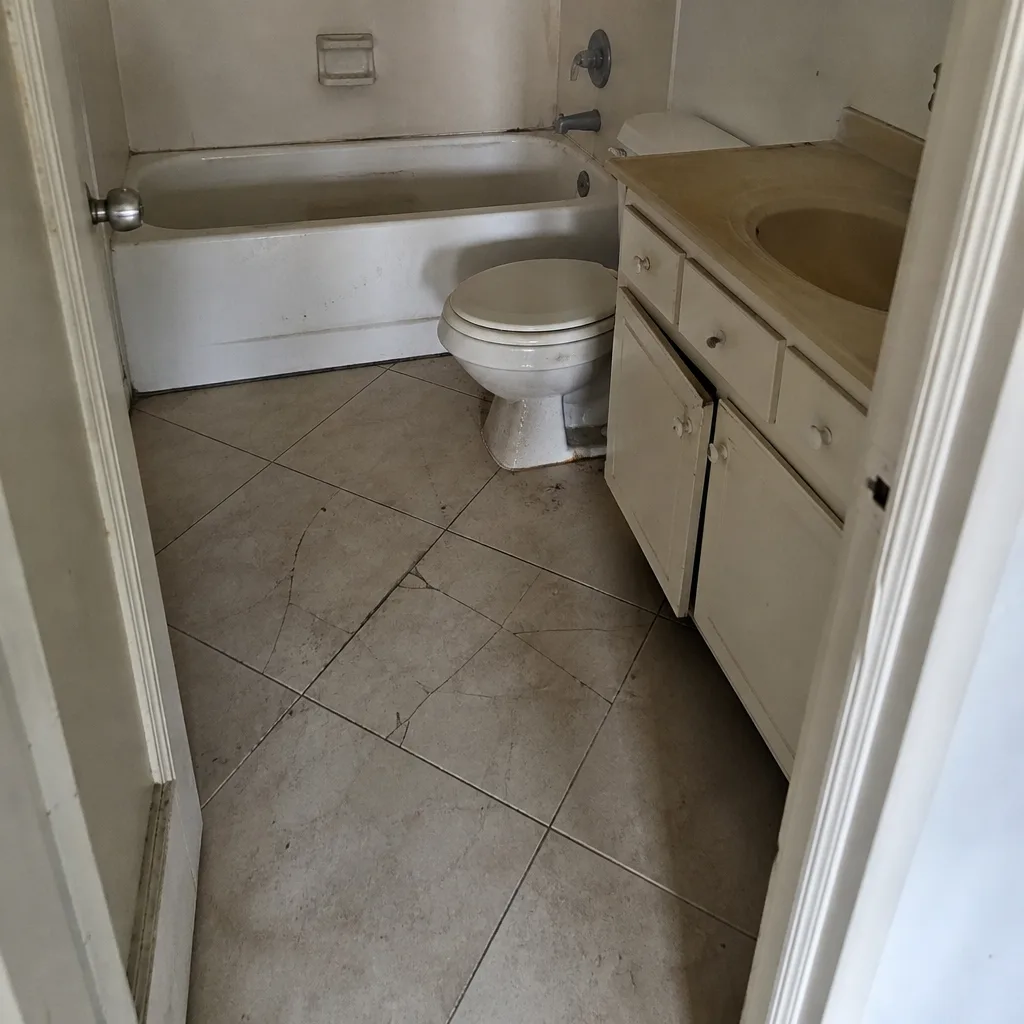 Before
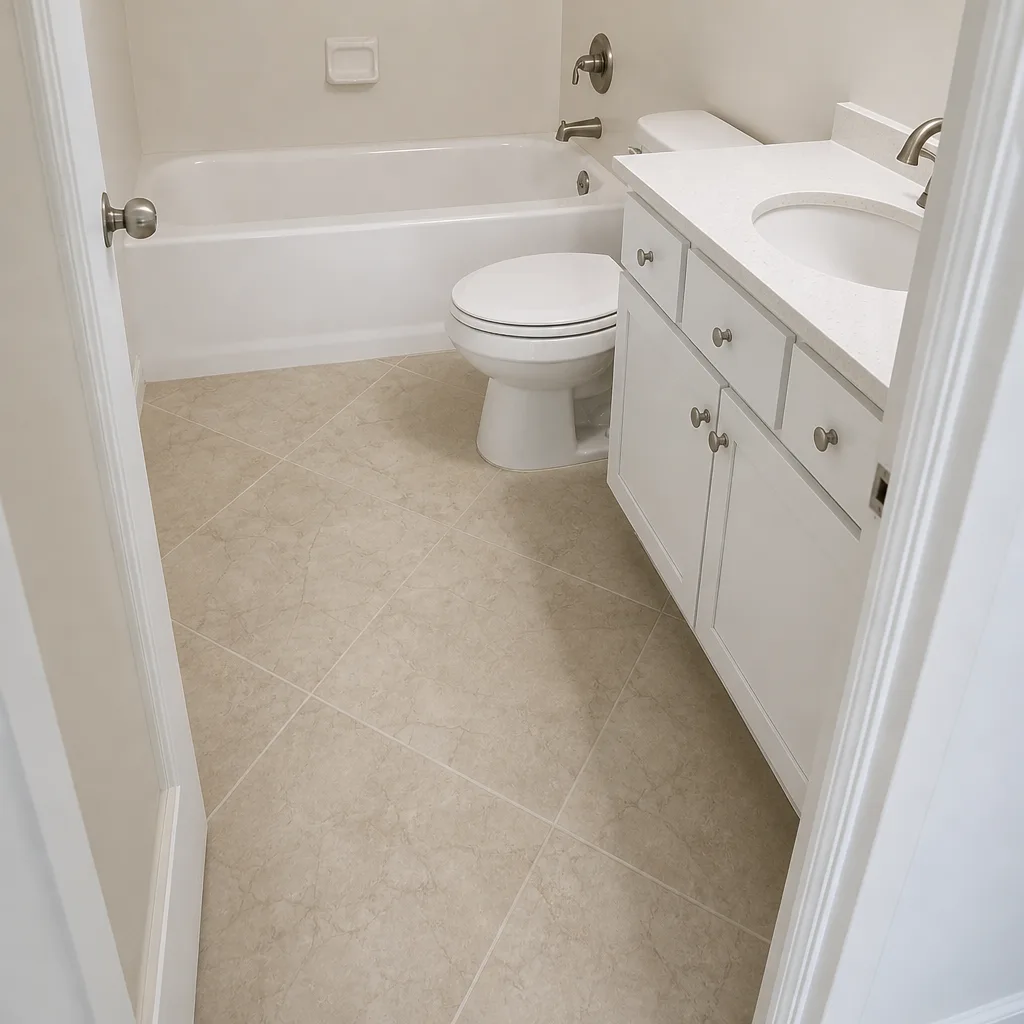 After
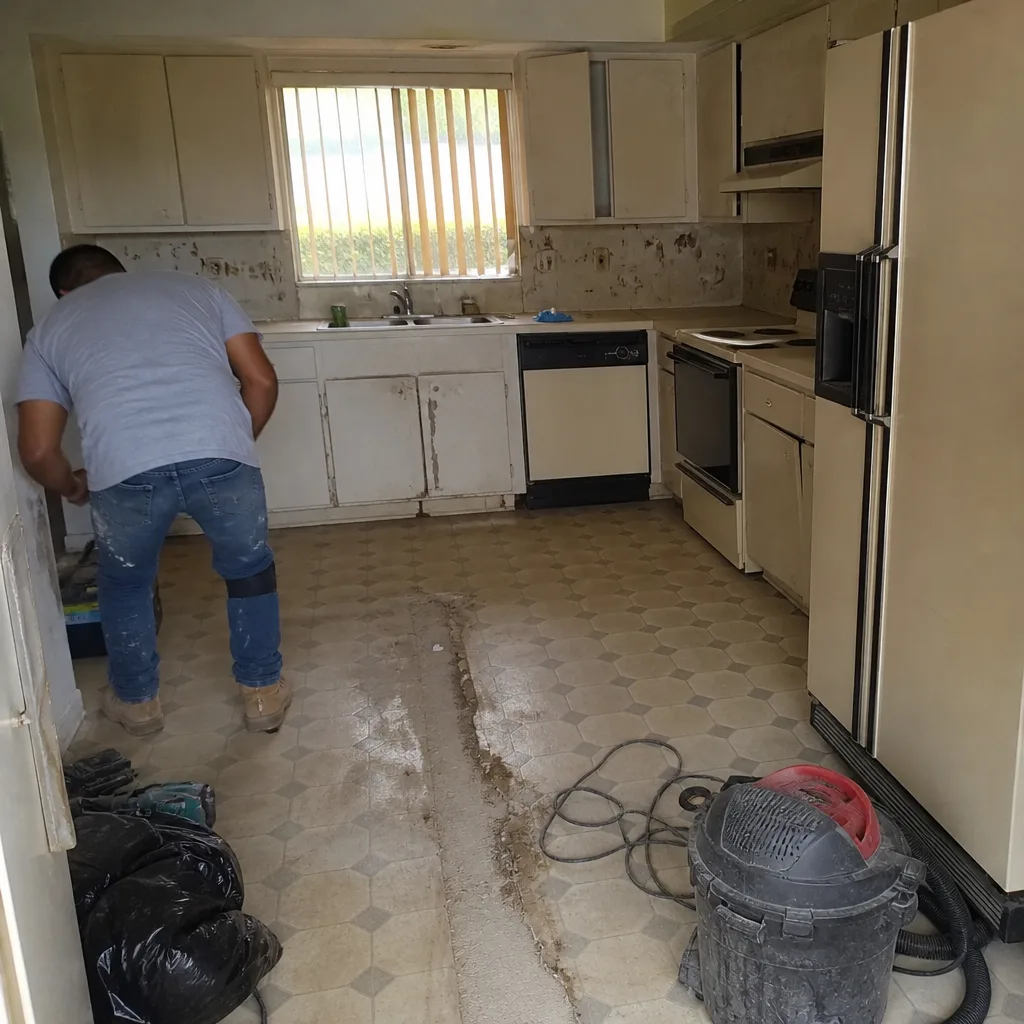 Before
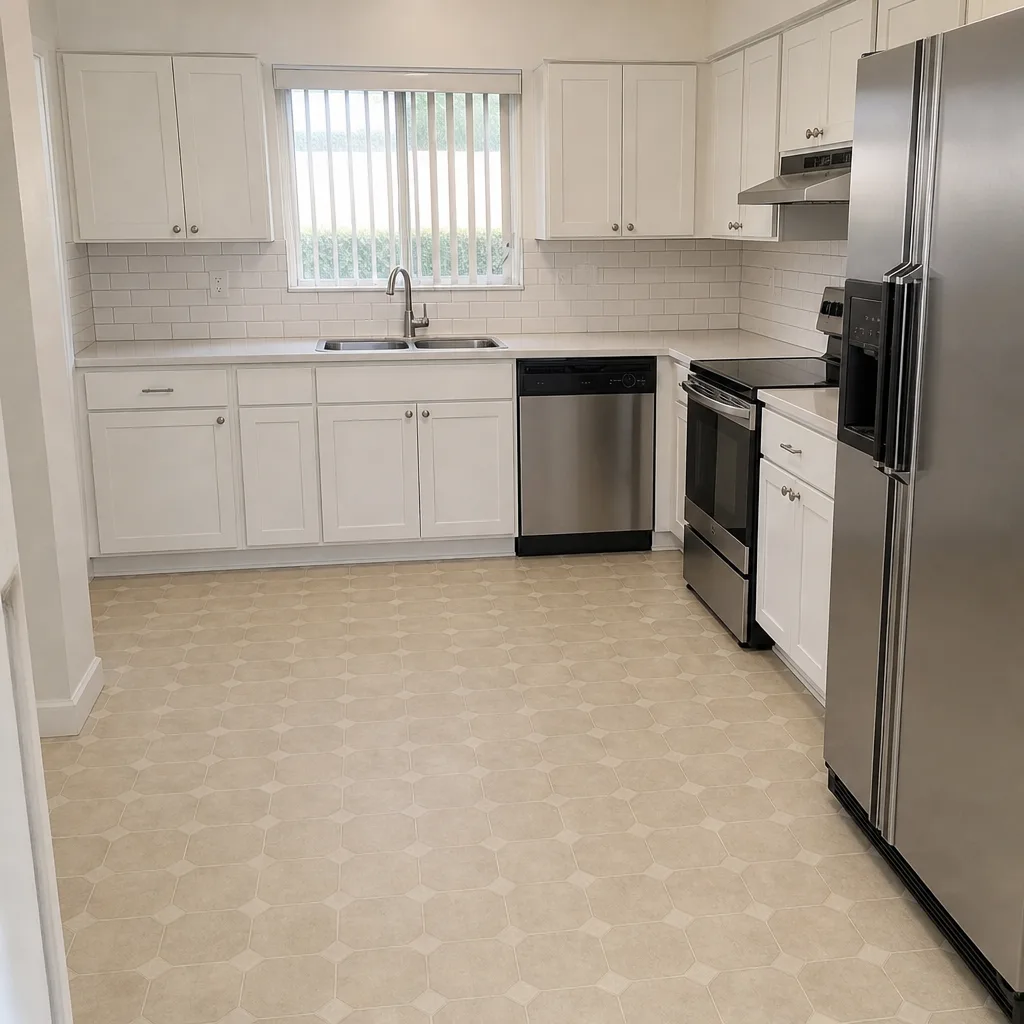 After
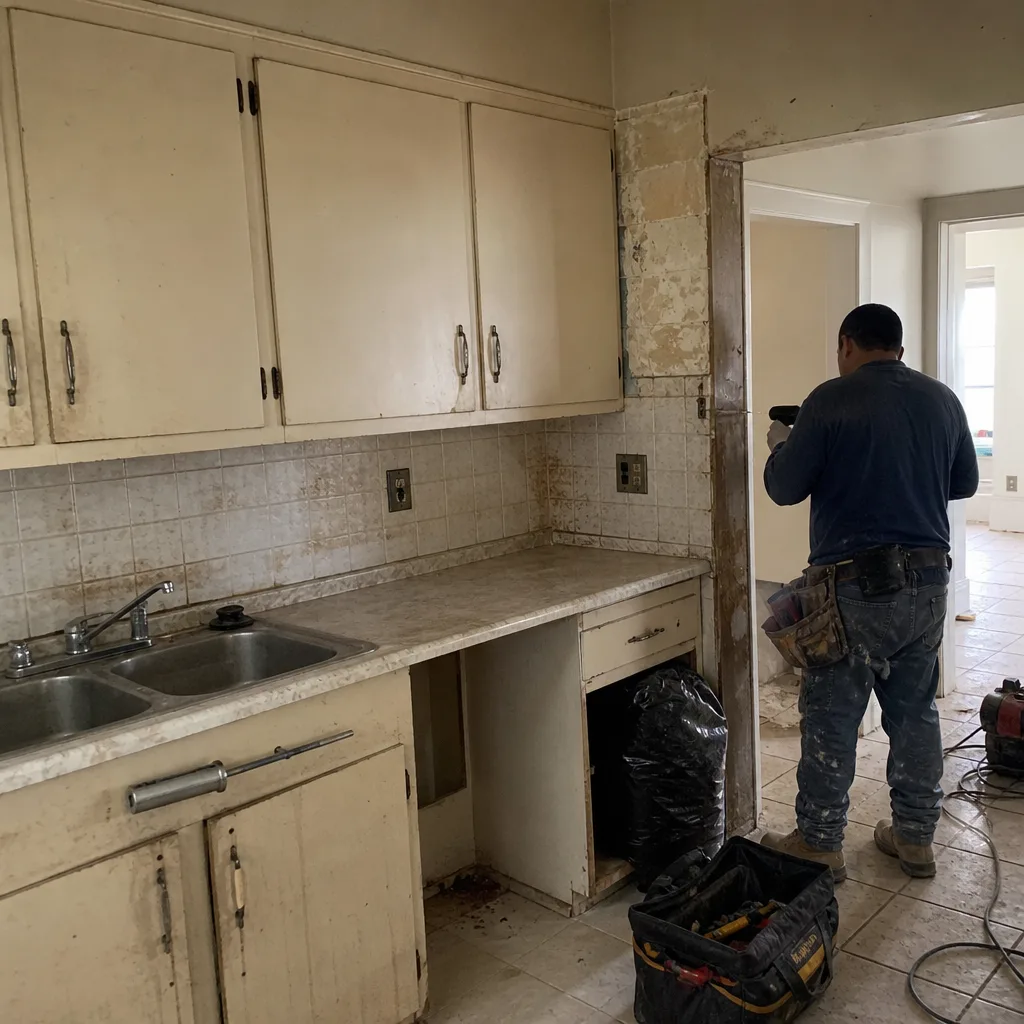 Before
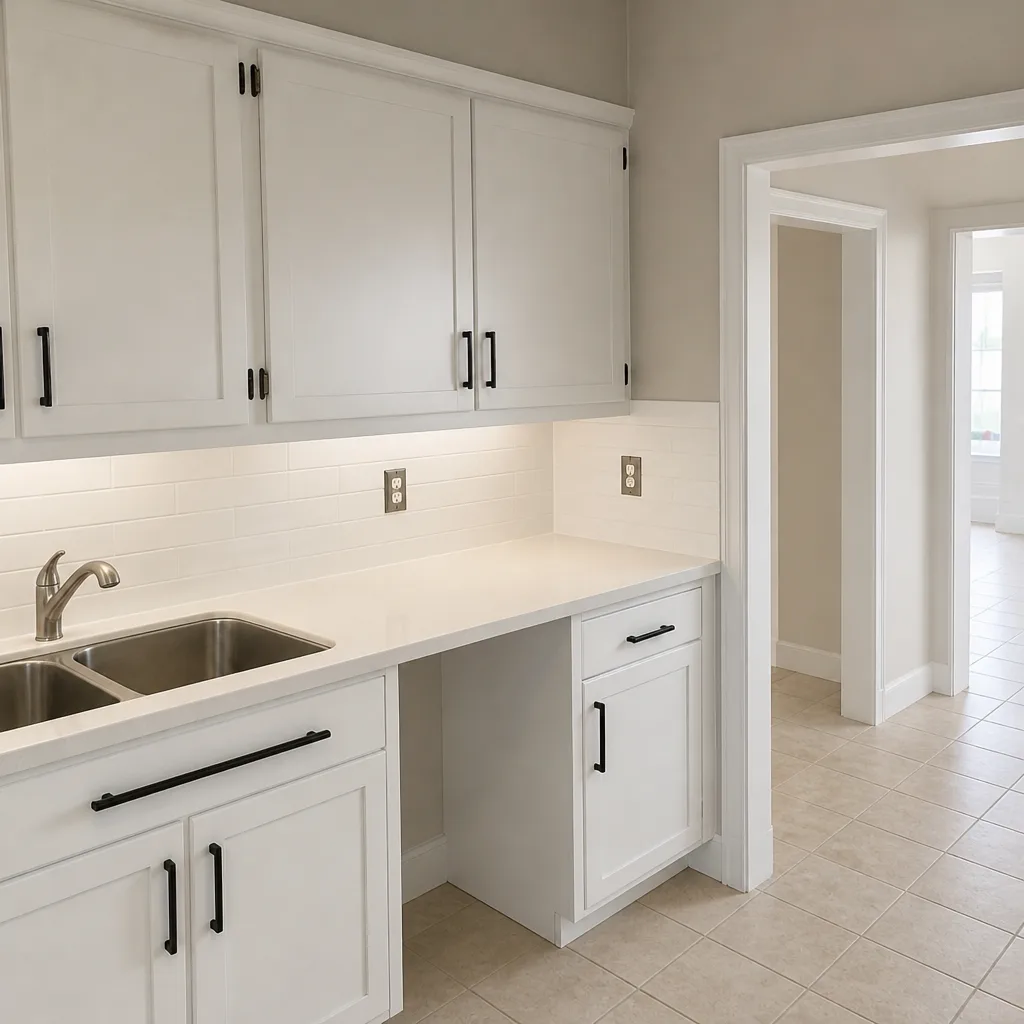 After
When to Call a Professional
Some of this work is genuine DIY territory: washing vinyl, lubricating a hinge, sighting down the fence line. But a few situations call for a professional, and it’s worth knowing which. Call us when a post is loose in the ground, because fixing a footing properly means setting a new post in fresh concrete and re-establishing the line. Call us when a gate sags but the hardware looks fine, because that’s a footing problem disguised as a hardware problem. Call us after a storm if multiple posts have shifted, if panels have moved out of their channels, or if you’re not sure whether the damage is cosmetic or structural. And call us if the repair list is getting long enough that replacement is the better value.
Groundwork Construction Co. of Aventura offers free estimates in Aventura. Call (833) 716-6251 to schedule yours, and our team will walk the fence line with you and tell you straight whether you’re looking at maintenance, repair, or replacement. Every project we take on is backed by our 730-Day Done Right Promise, materials come from a curated set of trusted brand partners, and the quote you get upfront is the number you pay.
Frequently Asked Questions
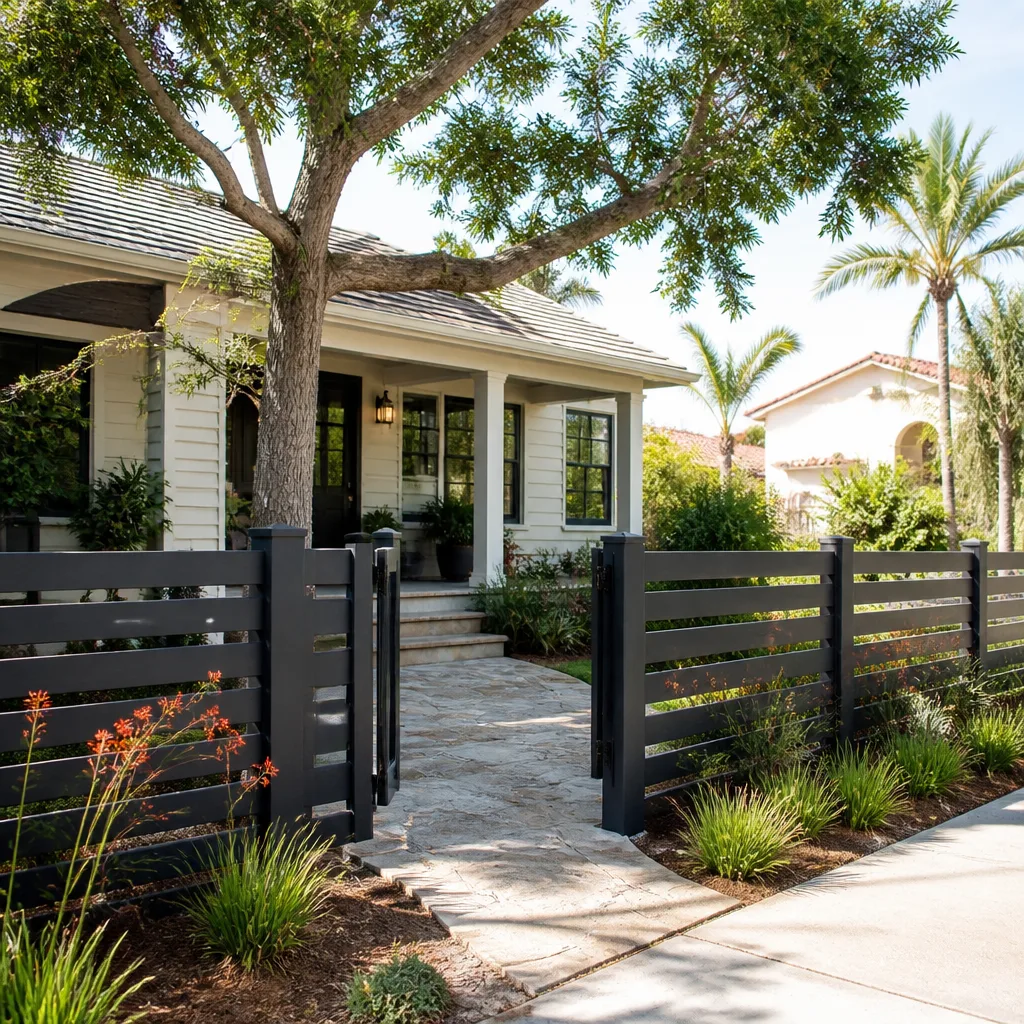
Inspect your fence every spring before hurricane season and again after any major storm, with quarterly gate hardware checks and two to three cleanings a year for vinyl and aluminum. Wood needs cleaning plus a protective treatment every 12 to 24 months, sooner on sun-facing runs. Salt air and UV make South Florida intervals shorter than national averages. Call (833) 716-6251 if you want a professional assessment of your specific fence.
The most important task is the post push test, because loose footings are the failure that causes the most storm damage. Push every post firmly at chest height and mark anything that moves more than an inch. Then check fasteners, test gates, and secure or remove loose panels. Doing this in April or May, before the ground gets saturated, gives you the clearest read on what needs fixing. Call (833) 716-6251 for a pre-season inspection.
Use the push test and the plumb line. Push each post firmly and note any movement, then sight down the fence line to spot posts that are out of alignment. Look for sunken or disturbed soil around post bases and cracks radiating outward. Those signs mean the footing has shifted and needs professional attention. Digging is for confirmed failures, not diagnosis. Call (833) 716-6251 if you find posts that have moved.
Wood fencing in Aventura typically needs a protective stain or sealant every 12 to 24 months, with the shorter interval for west- and south-facing runs that take the most sun. Clean the wood first and apply before it grays. Waiting until the surface looks bad means you’re refinishing rather than protecting. Call (833) 716-6251 for a free estimate on treatment or replacement.
Gate hardware corrodes faster because hinges, latches, and self-closing mechanisms are small moving metal assemblies exposed to salt air and loaded with the full weight of the gate. In coastal Aventura, that combination shortens the hardware’s life compared to the fence panels. Check for rust and pitting twice a year and replace hardware at the first sign of failure. Call (833) 716-6251 if you need hardware replaced.
Repair when the damage is localized: a single failed post, a corroded hardware set, or a shifted panel. Replace when multiple posts are loose, the bottom rail is rusting through along its length, or wood posts are soft at the base across the run. If repairs would cost more than about a third of replacement in one season, price the replacement instead. Call (833) 716-6251 for a free estimate and an honest recommendation.
The Bottom Line
Fence maintenance in South Florida isn’t about preventing normal wear. It’s about staying ahead of UV degradation, salt air oxidation, and post-storm ground saturation, and each one hits your fence on its own schedule. The annual spring inspection matters more than any other task on the calendar. Clean vinyl and aluminum two to three times a year, treat wood every 12 to 24 months, check gate hardware quarterly, and push-test your posts after every major storm. Do that and your fence holds its line for the long haul. Skip it and you’ll be replacing posts. Groundwork Construction Co. of Aventura offers free estimates and stands behind every project with our 730-Day Done Right Promise. Start at our Groundwork Construction Co. of Aventura home page or call (833) 716-6251 to schedule your free estimate.
Written by the team at Groundwork Construction Co. of Aventura.