Last updated November 18, 2026



Free written scope consultation - allowances, timeline, and change-order rules on paper before a single trade is scheduled
Driveway & Pavers Maintenance Schedule: What to Do and When
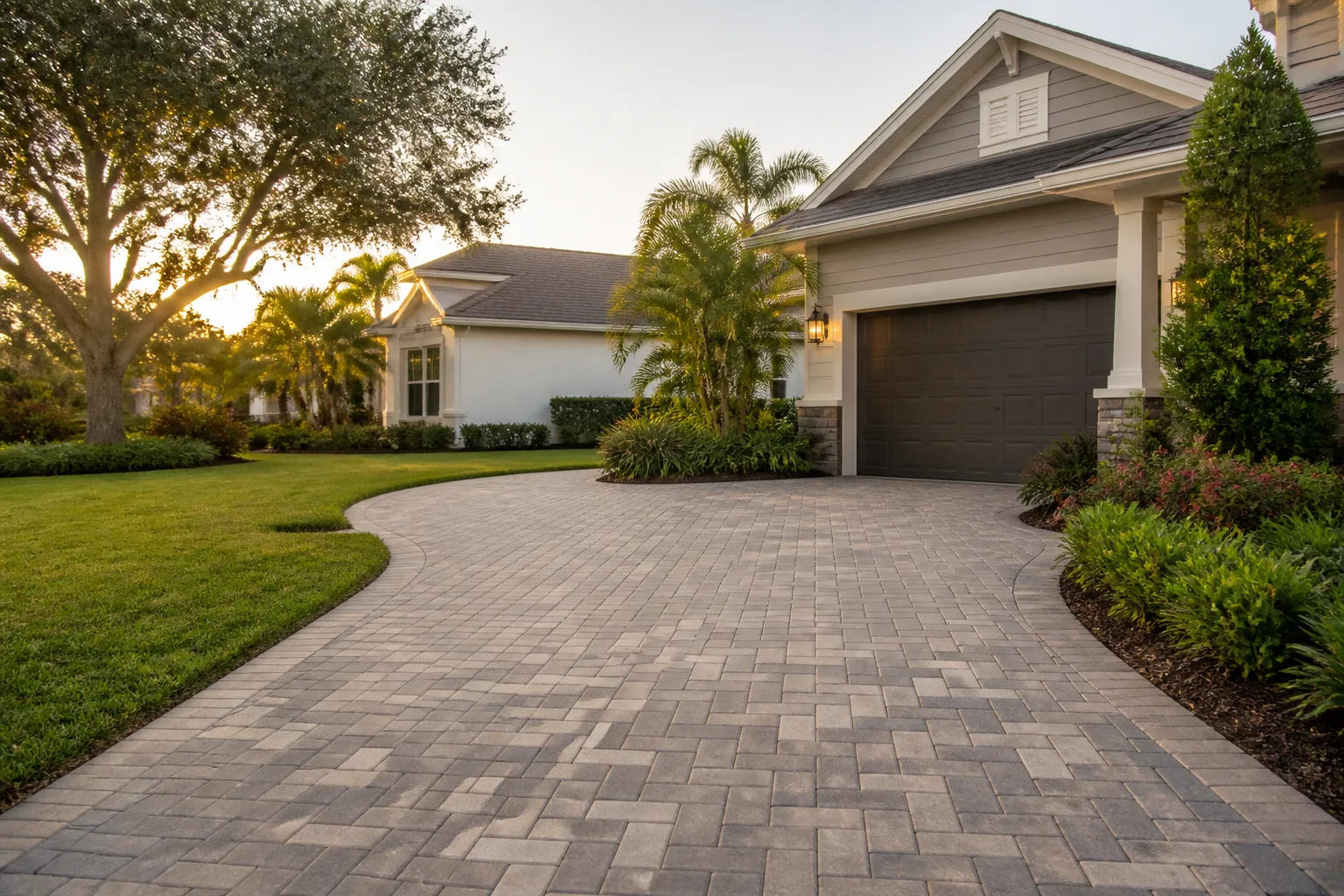
The task most Aventura homeowners skip after the first heavy rain of the season – clearing joint sand before it washes downstream – causes more premature paver failures than every other kind of neglect combined. Water finds the joints, lifts the bedding layer, and within a couple of seasons you have rocking pavers, sinkholes at the driveway apron, and weeds coming up through the seams. The fix isn’t a once-a-year power wash and a shrug. In South Florida, your paver system needs a calendar built around hurricane season, a five-month rainy stretch, and a dry winter – not the four-season schedule every national guide prints. Below is the month-by-month schedule we would give a homeowner standing in their Aventura driveway, from sanding and sealing to post-storm inspection, plus the exact points where a trained crew saves you money.
Quick Answer
Maintain your paver driveway on a South Florida-specific calendar: inspect and top off polymeric joint sand before rainy season starts in May, deep-clean and re-sand in late spring, seal in the fall after the wet season ends, and run a structured post-storm inspection within 48 hours of any heavy rain event. Re-sand joints whenever sand sits more than a quarter-inch below the paver surface, and reseal every 3 to 5 years depending on product and sun exposure. Get the sand and sealer timing wrong in Aventura’s heat and humidity and you’ll be repacking joints every year instead of every three.
Styles & brands we work with
- Kitchen remodeling
- Bathroom remodeling
- Home additions & ADU
- Roofing
- Windows & doors
- Driveway & pavers
- Fence
Table of Contents
- Why an Aventura Paver Driveway Needs Its Own Calendar
- The Month-by-Month South Florida Maintenance Calendar
- Joint Sand and Polymeric Sand: When and How to Re-Sand
- Sealer Timing in South Florida Heat: Why Fall Wins
- The 48-Hour Post-Storm Inspection Checklist
- How to Clean Pavers Without Ruining the Sealer
- Drainage, Efflorescence, and the Problems That Signal a Bigger Repair
- What to Expect From a Professional Maintenance Visit
Why an Aventura Paver Driveway Needs Its Own Calendar
National paver-maintenance guides assume freeze-thaw cycles, road salt, and a winter shutdown. None of that applies here. What Aventura pavers actually deal with is an eight-month wet season that dumps more than 50 inches of rain on a typical year, year-round heat that cooks sealer into the surface, and a hurricane corridor that puts pressure on every joint and edge restraint on the property. That mix produces a completely different failure pattern than what you’d see in Ohio or Colorado.
We’ve seen the local pattern up close. Driveways in Aventura near the intracoastal – the neighborhoods around Williams Island, on the Golden Beach side, and along the corridors feeding into Sunny Isles – get hit twice. First by direct rain, then by salt-laden air that works on the joints year-round. Driveways further inland sit on fill and drainage swales that catch stormwater running off the roofs of neighboring homes. Both situations erode joint sand faster than the four-season playbook accounts for.
There’s also the matter of Municipal Code. Aventura enforces stormwater and drainage requirements on hardscape work, and a paver system that has lost its joint sand will hold standing water where it shouldn’t. That means puddles collect at the same low spot every storm, mosquito breeding gets worse, and eventually the base starts to settle unevenly.
Picture a common Aventura scenario: a homeowner calls us in June, three weeks into the rainy season, with a paver driveway installed three years ago. The seams near the street look normal. Under them, the bedding sand is washed out to a depth of two or three inches, and every paver in that zone rocks when you walk on it. That’s not a spring-cleaning problem. That’s a re-sand and partial re-set problem, and the cost is roughly three times what pre-season sanding would have run. If this sounds like your driveway, or you’re beginning to see the early signs, our team at Driveway & Pavers in Aventura handles the diagnostic and repair side, alongside other property services like Fence Installation in Aventura when you need the whole exterior perimeter brought up to standard.
The point isn’t that Aventura pavers are delicate. They’re not. The point is that they need a maintenance rhythm aligned with the local calendar, not a generic one. The sections that follow lay it out.
The Month-by-Month South Florida Maintenance Calendar
Here’s the schedule we recommend for a residential paver driveway in Aventura. It’s designed around the two seasonal anchors that actually matter here: rainy season from May through October, and hurricane season from June 1 through November 30. Those two seasons overlap, which is why spring prep is the most important stretch of the year.
Think of it as four maintenance windows rather than twelve equal months:
- March through April (pre-season prep): Inspect every joint, top off polymeric sand on any joint sitting more than a quarter-inch low, pull weeds by hand, and clear debris from the driveway apron and any drainage grate. If you’re going to seal this year, do it in late March or early April. Do not seal in the middle of the wet season.
- May (last call before the rains): Pressure-wash lightly, re-sand joints if needed, and photograph the driveway from the street and from the house. That photo baseline is invaluable if a storm damages the system and you need to file an insurance claim.
- June through October (in-season monitoring): Run a post-storm inspection after every rain event of an inch or more. Spot-check joint sand in the first 48 hours. If a hurricane is forecast, park vehicles off the driveway, remove potted plants, and cover storm drains so debris doesn’t clog them. Do not seal during this period.
- November through February (recovery and sealing window): Hurricane season ends November 30. November and December are the best months to seal in South Florida. January and February are the best months to do any base repairs, paver resetting, or edge restraint work. Use the dry season for the heavy lifting.
The rainy-season stretch is where most homeowners fall behind. We’ve seen Aventura properties where the sealer has been applied in July in an attempt to “protect” the driveway mid-season. Almost without fail, that projects moisture out of the pavers too slowly and produces hazy, cloudy finishes that need stripping within twelve months. Sealing during the wet season is false economy.
For the homeowner planning a bigger project – a new driveway, an expanded parking area, or a paver-adjacent addition – the winter window is also the smartest time to schedule it. That’s when we can build a Home Additions & ADU in Aventura that shares a driveway apron with a new paver system without tripping over the rainy-season calendar.
Joint Sand and Polymeric Sand: When and How to Re-Sand
Polymeric sand is the load-bearing wonder of a paver system. It’s also the part that wears out first. Understanding why it fails and when to replace it is the difference between a fifteen-year driveway and a five-year one.
Standard joint sand is simply fine sand swept into the gaps between pavers. It locks pavers in place, keeps weeds out, and channels water. Polymeric sand does all that plus one more thing: it cures into a semi-rigid matrix once wetted. That matrix resists erosion from rain and wind, and it survives light pressure-washing. In Aventura’s climate, polymeric is essentially mandatory. Standard sand lasts one wet season, sometimes less.
When to re-sand
- The joint sand sits more than a quarter-inch below the paver surface across a span of more than ten square feet.
- Water visibly pools in joints during light rain.
- Pavers move slightly when you walk on them.
- Weeds are coming up through joints in clusters rather than single spots.
- You see more than a handful of rounded, sand-filled divots where the polymeric has failed.
How we re-sand (the safe way)
- Clean out old material. We remove failed polymeric sand with a joint-cleaning tool or a low-pressure water jet – never a high-pressure washer, which will rip out the remaining sand and damage the surface.
- Dry the joints completely. Polymeric sand will not cure if the pavers are wet. We schedule at least 48 hours of dry weather ahead of the application. In Aventura’s humid stretches, that sometimes means waiting for a forecast window in the dry season.
- Apply sand in the right particle range. We use a polymeric product matched to the joint width. Narrow joints need fine product; wider joints need a coarser blend.
- Sweep and vibrate. We sweep material into the joints from multiple angles, then run a plate compactor with a rubber mat to settle the sand and tighten it.
- Activate the polymer. Light misting with water triggers the curing process. Over-wetting ruins the finish. Under-wetting leaves a crumbly joint.
- Cover with clean plastic sheeting for 24 hours. This protects the setting joints from an unexpected afternoon rain.
That last step is the one most homeowners skip – and it’s the one the June-through-October weather pattern punishes hardest. We’ve lost count of the number of times a homeowner told us they re-sanded the driveway over a weekend, got caught by a thunderstorm an hour later, and ended up with a driveway full of crumbling joints.
If you’re not sure whether your joints need re-sanding this season or can wait one more, that’s an easy diagnosis to make over a quick inspection call. Call (833) 716-6251 and we can talk through the signs without trip charges.
Sealer Timing in South Florida Heat: Why Fall Wins
Sealer is the second most important piece of paver maintenance and the one most often misapplied. In Aventura’s heat, and under a subtropical sun that hits UV index 10 or higher most of the year, spring application outperforms fall on national guides but fall outperforms spring here.
Here’s why. Sealer needs a curing window. It needs moderate temperatures, low humidity, and no rain for 24 to 48 hours after application. In South Florida, the only reliable stretch for that combination is November through March. Apply sealer in April or May and you’re racing the earliest thunderstorms. Apply it in July and you’re racing humidity. The spring-vs-fall debate is a non-question for Aventura.
The two sealer categories that work here
- Penetrating sealer (siloxane-based): Soaks into the paver surface and creates a hydrophobic barrier below the top. This is what we recommend for most Aventura driveways. It’s more forgiving of humidity, doesn’t produce slip-risk surface films, and doesn’t yellow or chalk under UV. A quality penetrating product should be reapplied every 3 to 5 years.
- Film-forming sealer (acrylic): Sits on top and creates a visible film. It’s the shiny, “wet-look” finish a lot of homeowners want on their driveway. Works, but it requires annual maintenance in Aventura’s UV intensity, and once it starts to fail it peels and strips unevenly. If it’s applied in the wrong weather window, the film turns cloudy the moment moisture gets trapped underneath.
We’ve also seen the wrong product used by homeowners who applied a film-forming sealer in early fall and then a hurricane brought forty-eight hours of rain three days later. The sealer hazed. Stripping it cost more than the original installation.
Our rule of thumb: apply penetrating sealer in the window between the end of the wet season and the start of the dry season (roughly November 1 through January 15), apply film-forming sealer in the same window with an extra day of curing buffer, and always check the forecast out to 72 hours before you schedule the work.
For homeowners who want a sealer spec matched to a specific paver type, brand, or finish (whether it’s Belgard, which we work with regularly, or an older system already on the property), call (833) 716-6251. We’ll tell you what to use and what not to.
The 48-Hour Post-Storm Inspection Checklist
Most of the damage to an Aventura paver driveway happens in the first 48 hours after a major rain event, not during the event itself. Water that gets under the pavers doesn’t just sit there; it migrates downstream, eroding the bedding layer and forcing pavers apart. A structured inspection in that window catches the problem while it’s still cheap to fix.
The checklist
- Walk the whole surface in flat shoes. Rocked pavers – ones that move slightly under weight – indicate washed-out bedding sand. Note the location of each.
- Check joint sand depth in five locations. Pick two spots near the street, two mid-driveway, and one near the house. If the sand is more than a quarter-inch low in any of them, plan a re-sand.
- Look for standing water one hour after the rain stops. Any puddle that lasts more than an hour points to a drainage problem – either a clogged storm drain, a failed swale, or a settled low spot in the driveway.
- Inspect the driveway apron at the street connection. The apron takes the most abuse from stormwater runoff. Look for separated joints, torn edge restraints, or loose sand at the transition.
- Walk the perimeter. Look for soil erosion next to the driveway, washed-out mulch, or loose edge restraint. This is where small problems become big ones.
- Check for efflorescence. White, chalky film on paver surfaces after a storm is moisture migrating through the system. Some efflorescence is normal. Heavy, persistent efflorescence signals a drainage problem beneath the surface.
- Photograph everything. Date-stamped photos are worth their weight in a hurricane insurance claim.
We’ve seen Aventura driveways where a single tropical storm – not a named hurricane, just a slow-moving system – washed out joints in a twenty-foot stretch because the sealer had already failed two seasons earlier. The homeowner never noticed because the surrounding pavers still looked reasonably intact. That’s why the 48-hour window matters. Catch the erosion early and you re-sand for a few hundred dollars; catch it after two seasons and you’re looking at partial re-lift of the paver system itself.
After a major storm, the driveway isn’t the only thing to check. Exterior fences take a beating too. If you want a full post-storm exterior review, the fence side is covered by our Fence Installation in Aventura team, and the driveway side by our pavers team.
How to Clean Pavers Without Ruining the Sealer
Cleaning is where homeowners do the most damage to their own driveways. Three common habits accelerate paver failure: high-pressure washing, acidic cleaners, and “sweeping off” dirty sand without replacing it.
Here’s what to do instead.
Routine cleaning (every 4-8 weeks during dry season)
- Blow or sweep off loose debris with a leaf blower on low setting or a soft-bristle broom.
- Rinse with a garden hose at normal pressure. No nozzle restrictor, no wide-spray attachment that concentrates flow at a point.
- Spot-clean stains with a pH-neutral paver cleaner. Oil stains need a specific degreaser designed for masonry; bleach is almost always a mistake because it attacks polymeric joint material.
Annual deep clean (dry season, ideally February-March)
- Use a low-pressure washer, no higher than 1,200 to 1,500 PSI, with a wide fan tip held at least 12 inches above the surface.
- Stay away from joint lines with direct pressure. If you blow sand out of a joint, you need to replace it, not ignore it.
- Use a pH-neutral paver-specific cleaner. Avoid muriatic acid (sold as a pool product) for anything except rust removal, and even then use it only on unsealed surfaces and only with proper PPE.
What never to do
- Never use a zero-degree tip or a turbo nozzle on pavers. It removes sealer and etches the finish.
- Never use bleach or acid-based cleaners on polymeric sand. They dissolve the polymer matrix.
- Never pressure-wash a sealed driveway in the first 30 days after sealing. The film is still curing.
- Never wash the driveway right before a scheduled rain event; joint sand needs 24+ hours to settle.
We’ve seen pressure-washing damage so severe that the homeowner needed a full re-sand plus a strip-and-reseal within a month of the initial damage. The cost of gentle cleaning, done right, is far lower. Belgard and other premium paver manufacturers publish cleaning guidelines that most sealer warranties reference – and improper cleaning is one of the top reasons sealer warranties get voided. If you’re not sure whether your current sealer allows pressure-washing, call (833) 716-6251 and we’ll tell you how to check.
Drainage, Efflorescence, and the Problems That Signal a Bigger Repair
Not every paver problem is a maintenance problem. Some are signs that the base, drainage, or edge restraint was never built right, or has failed under the pressure of Aventura’s water table. Here’s how to tell the difference.
Maintenance problems (you can fix these on a schedule)
- Low joint sand in isolated areas
- Scattered weeds
- Light efflorescence that disappears after a dry stretch
- Surface stains
- Faded sealer
Structural problems (you need a professional inspection)
- Multiple pavers rocking within a ten-square-foot area
- A visible dip or ridge in the driveway surface
- Standing water in the same low spot after every storm
- Persistent heavy efflorescence that comes back within days of cleaning
- Cracked pavers in the same area repeatedly
- Displacement of edge restraint or pavers pulling away from the apron
In Aventura, we see structural problems more often than in drier markets because the water table sits high and the soil drains slowly. Driveways built without adequate base depth – usually fewer than 6 inches of compacted aggregate in this climate – start rocking within four or five rainy seasons. When we see the early signs, we tell the homeowner straight: topping up sand won’t fix a base failure. The pavers need to come up, the bedding re-leveled, and in some cases the base reinforced. That’s the honest diagnosis, and we’d rather give it than watch a homeowner pour sand into a joint for the third year in a row.
If you’re seeing persistent standing water near the driveway apron, drainage issues often run alongside landscape and grading problems. Our Home Additions & ADU in Aventura team is often called in when a grading change or site work is part of the fix.
What to Expect From a Professional Maintenance Visit
A professional paver maintenance visit is not the same as a pressure-washing service. The difference matters. A pressure washer can flatten a driveway in one afternoon; a maintenance visit keeps it healthy for years.
Here’s what a proper visit should include:
- Inspection of the full surface and perimeter. Every paver, every joint, every edge restraint, every apron connection.
- Joint assessment. Depth measurements in at least five locations, documented so you can compare next year.
- Gentle cleaning. Low-pressure wash, pH-neutral cleaner, joint protection during the process.
- Re-sanding where needed. Polymeric sand applied in the right weather window, activated, and protected.
- Drainage evaluation. Standing-water check, storm drain inspection, and swale grading if needed.
- Written report. What was done, what’s on schedule, what’s a fixing problem and what’s a watching problem.
- Recommendations for the next visit. If you seal in the fall, the report tells you that; if you need re-sanding in April, the report tells you that too.
We handle all of this from Groundwork Construction Co. of Aventura home base, alongside other exterior work when a homeowner wants a single crew for the driveway, fence, and any structural work. Our technicians have up to 12 years of experience, they arrive background-checked and in uniform, and every maintenance and repair project is covered by our 730-Day Done Right Promise. Upfront pricing means the number you see is the number you pay – no surprise add-ons after the crew shows up. And if you call us, you get a live person on the other end, 24/7, not a voicemail black hole.
Free project estimates are always available and always part of the plan. If you’ve got a bigger picture in mind – a new paver driveway, a paver deck, a walkway – schedule that estimate in the dry season window, so the work can start without fighting hurricane season.
Common Mistakes to Avoid
- Skipping joint sand after the first heavy rain. This is the single most damaging habit we see. It costs a few hundred dollars to re-sand in April and several thousand to repair a washed-out base in September. Aventura’s rains come early and hard, so top off joints before May.
- Sealing in the wrong season. Applying sealer in April, May, or July means fighting humidity, rain, and UV at once. Almost every cloudy, hazy, or peeling seal we’ve inspected was applied in the wrong season. Wait for November-April.
- Pressure-washing at high PSI. A 3,000+ PSI washer will strip sealer, blow out joint sand, and pit the paver surface. If your last pressure-washing left visible streaks, the driveway needs professional inspection. Keep pressure below 1,500 PSI and never aim at joint lines.
- Using bleach or muriatic acid on polymeric sand. These dissolve the polymer matrix. Common cleaning products that are fine on tile or concrete will destroy a polymeric joint. Use pH-neutral paver cleaner.
- Ignoring the 48-hour post-storm window. Storm damage caught in the first 48 hours is almost always a cheap fix. Damage that waits until the next storm is a base repair. A twenty-minute inspection after a heavy rain saves real money over the life of the driveway.
- Letting efflorescence go unchecked. Some efflorescence is normal after a wet season. Persistent heavy efflorescence that returns within a week of cleaning means water is migrating through the system. That’s a drainage diagnosis problem, not a cleaning problem.
- Using the wrong sealer for the paver type. A film-forming acrylic applied to pavers that had a prior penetrating sealer will haze or peel. Match the sealer to what’s already on the driveway, and if you don’t know what’s on there, ask before you apply.
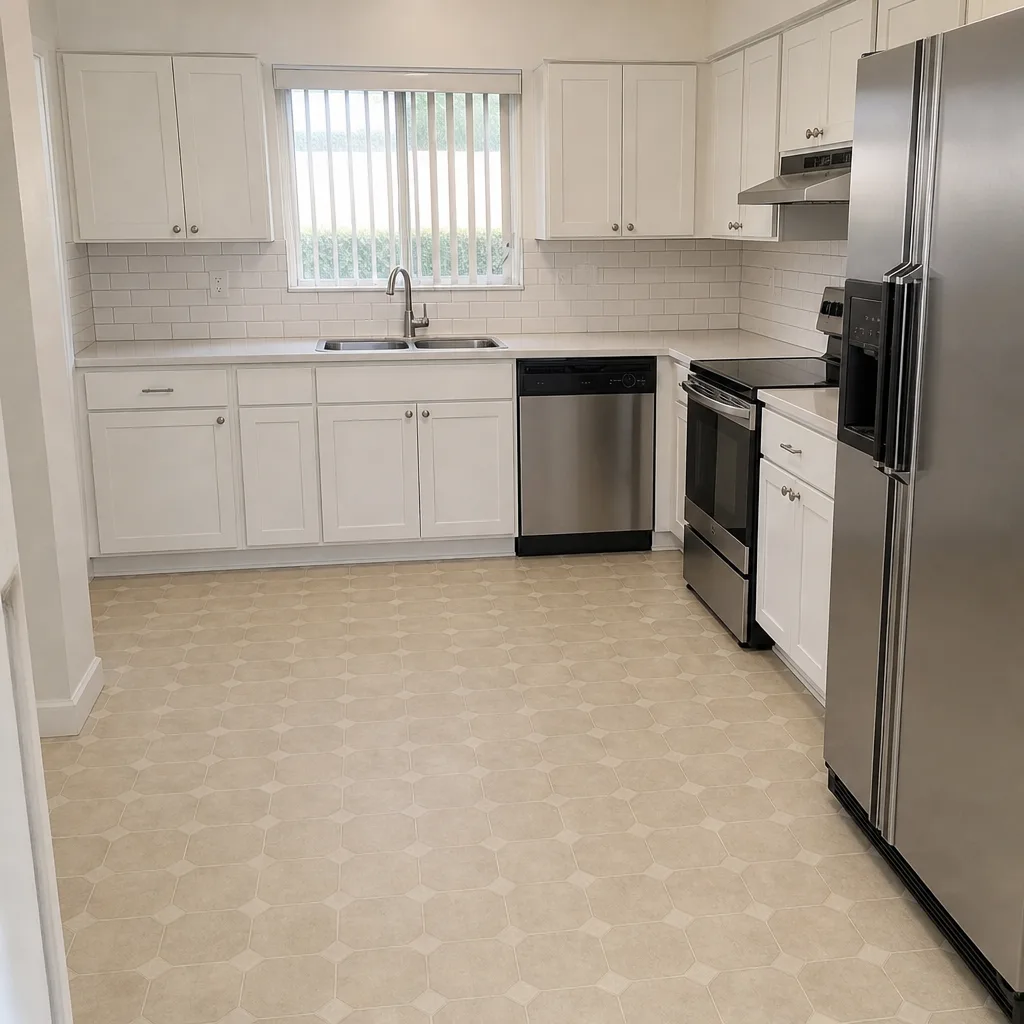
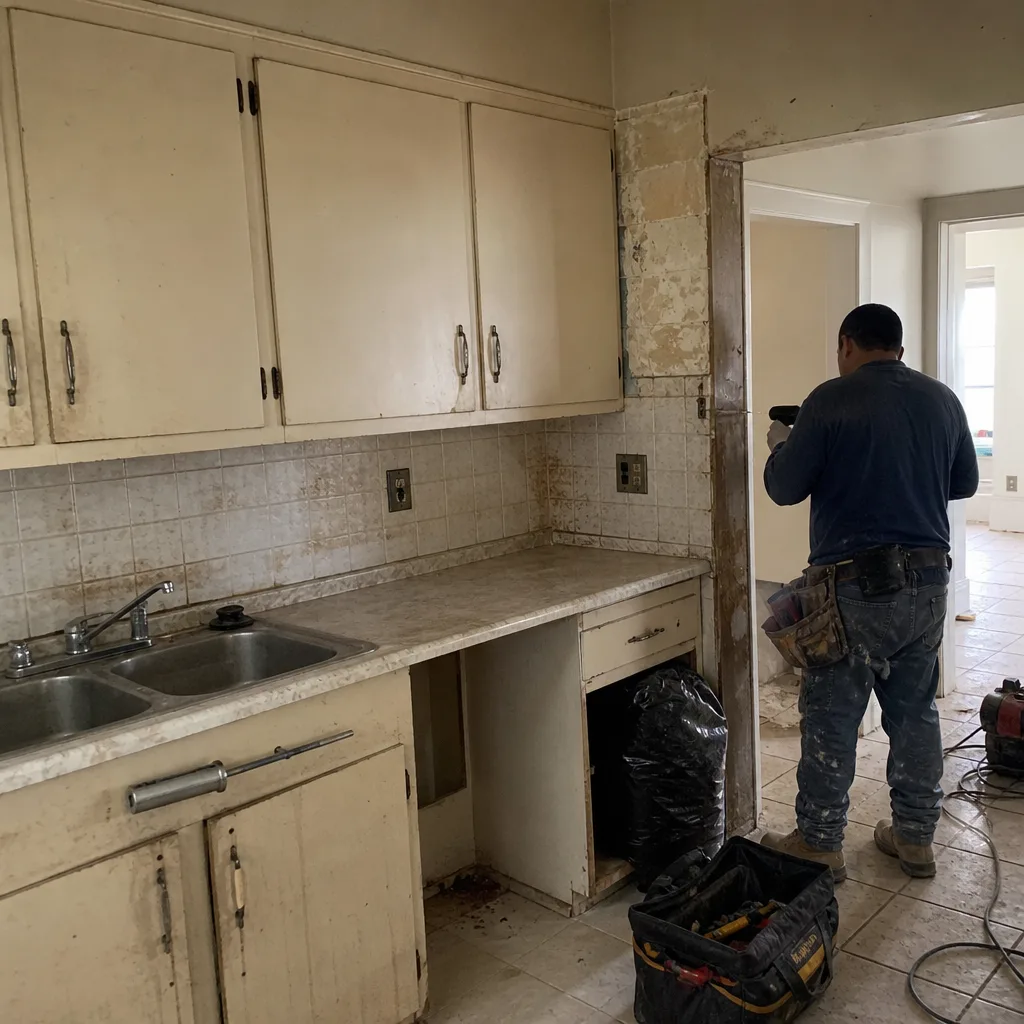
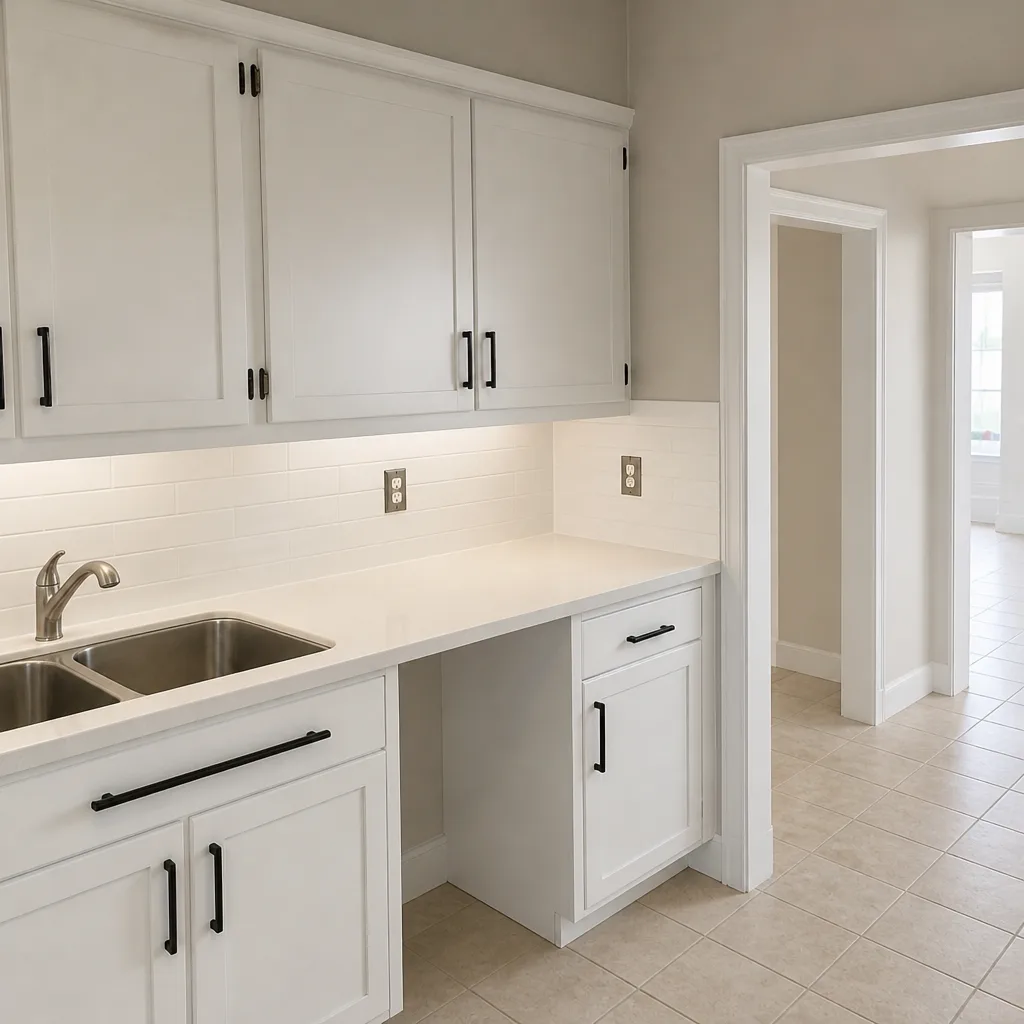
See the difference
 Before
 After
 Before
 After
 Before
 After
When to Call a Professional
Call a professional paver contractor when you see any of these signs, even if you’ve been managing things yourself up until now. Multiple rocked pavers, a visible dip or ridge in the surface, standing water in the same low spot after every storm, persistent efflorescence, or pavers pulling away from the edge restraint all point to problems beyond routine maintenance. So does any driveway where a hurricane has lifted or shifted a section of pavers. And any homeowner planning to add an addition, ADU, or new hardscape to the property should get a professional assessment before scheduling work, because driveway grading and drainage often need adjusting at the same time.
Groundwork Construction Co. of Aventura offers free estimates in Aventura – call (833) 716-6251 for a diagnostic visit and a written recommendation. Estimates are free, and there’s no pressure to book.
Frequently Asked Questions
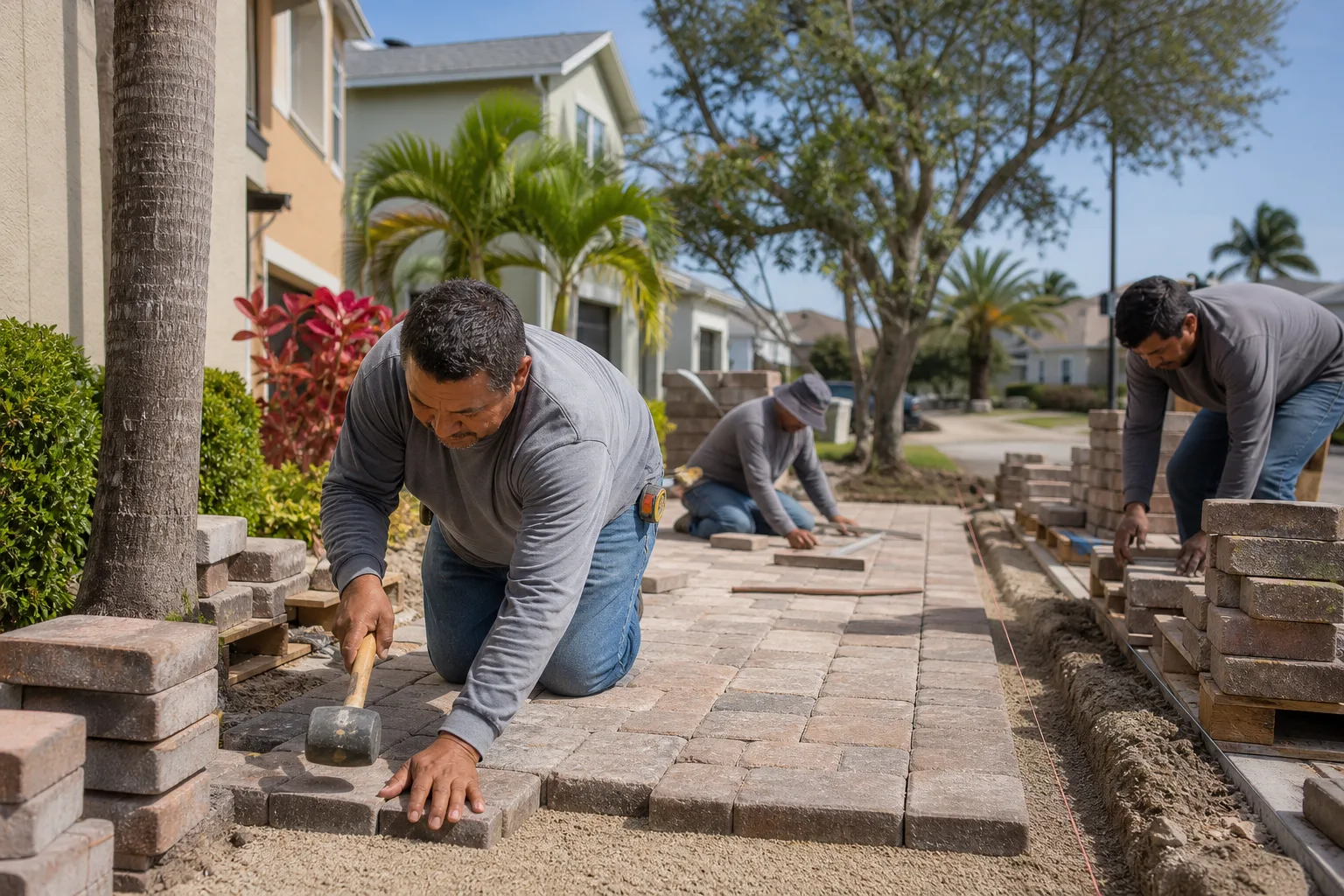
Re-sand joints when the joint material sits more than a quarter-inch below the paver surface across an area larger than ten square feet, and plan a full joint top-off once every two to three years in Aventura’s climate. Polymeric sand in South Florida breaks down faster than in colder climates because of UV intensity and rain volume. If you see loose sand washing down your driveway after every storm, that’s the signal. Call (833) 716-6251 for a quick joint assessment – estimates are free.
No, spring is the wrong sealer season in Aventura. The best sealer window runs from November through March, after hurricane season ends and before rainy season begins. Sealing in April or May risks rain within the 24-hour curing period, and sealing in June through October is essentially a lottery against afternoon thunderstorms. If a contractor offers to seal your driveway in July, push back. Call (833) 716-6251 for a sealer spec matched to your driveway.
Walk the full surface, check joint sand depth in five locations, look for standing water one hour after the rain stops, inspect the driveway apron, and photograph anything that looks washed out. Any puddle still there after an hour, or any pavers that rock underfoot, needs a closer look. That 48-hour window is when professional repair is cheapest. Call (833) 716-6251 for a post-storm inspection.
Yes, high-pressure washing often does void sealer warranties, especially with premium sealer brands. Most warranties require low-pressure washing below 1,500 PSI with a pH-neutral cleaner. If you use a surface-level 3,000+ PSI washer or an acid-based cleaner near polymeric sand, the warranty is typically considered void. Always check the sealer product’s written warranty before pressure-washing, and if you don’t know what’s on your driveway, call (833) 716-6251 before you start.
Light efflorescence – the chalky white film – is normal after a rainy stretch and often disappears once the pavers dry out. Persistent heavy efflorescence that returns within days of cleaning signals water is migrating through the system from below, which is a drainage issue, not a cleaning issue. That needs a professional diagnosis of the base, edge restraint, and drainage path. Call (833) 716-6251 for an inspection – estimates are free.
Yes. Aventura’s specific mix of high water table, intracoastal salt air, and canal-adjacent drainage patterns makes the maintenance schedule somewhat tighter than drier parts of South Florida. Driveways near the intracoastal or in flood-prone pockets need more frequent joint sand checks – often twice per rainy season rather than once – and sealing every 3 years rather than every 5. Our team evaluates the driveway’s specific drainage and site conditions during the estimate. Call (833) 716-6251 to schedule.
The Bottom Line
The paver driveway schedule that works in Aventura is seasonal, not annual. Prep joints and re-sand in March and April, monitor during the June-through-October rainy season, seal in the November-to-February dry window, and always run the 48-hour post-storm inspection after any heavy rain. Re-sand whenever joint sand drops more than a quarter-inch below the paver surface. Clean with low pressure and pH-neutral products. Stay away from bleach, high-PSI washers, and any sealer applied outside the dry-season window. The calendar matters more than the effort – a well-scheduled driveway outlasts a poorly scheduled one by more than a decade. When in doubt, get a professional assessment before minor erosion becomes base repair.
Ready to schedule a driveway & pavers assessment, a post-storm inspection, or a free project estimate in Aventura? Call Groundwork Construction Co. of Aventura today at (833) 716-6251. A live person answers 24/7 – no voicemail, no waiting until Monday. We’ll walk the driveway with you, document what we see, and quote the work with upfront pricing so the number you see is the number you pay. Free project estimates and design consults are always available, and any work we do is backed by our 730-Day Done Right Promise. From the first call to the final walkthrough, we handle it – Groundwork Construction Co. of Aventura home.
Written by the team at Groundwork Construction Co. of Aventura.