Last updated November 18, 2026
Free written scope consultation - allowances, timeline, and change-order rules on paper before a single trade is scheduled
DIY vs Professional Windows & Doors: What’s Safe to Do Yourself
Installing a replacement window yourself in Miami-Dade without a permit doesn’t just risk a fine. It creates an unpermitted improvement that can kill a home sale, complicate your homeowner’s insurance claim after a storm, and leave you personally liable if that window fails during a hurricane. Most of the country treats a window swap as advanced weekend DIY. South Florida treats it as a code-regulated, inspection-gated construction event, and the rules are written that way on purpose. This guide lays out exactly which parts of window and door work you can legally and safely handle yourself, which parts require a licensed contractor and permits, and how to verify both before anyone touches your home. We’ll also show you the two-minute license check most Aventura homeowners never run.
Quick Answer
In Miami-Dade County, replacing a window or exterior door that is part of the building envelope requires a permit, a licensed contractor, and passing inspections – it is not a legal DIY project here. What you can safely do yourself: weatherstripping, door hardware swaps, interior casing trim, screen replacement, and threshold adjustments. Everything structural, glazed, or envelope-sealing goes to a licensed professional who pulls the permit and stands behind the work.
Styles & brands we work with
- Kitchen remodeling
- Bathroom remodeling
- Home additions & ADU
- Roofing
- Windows & doors
- Driveway & pavers
- Fence
Table of Contents
- Why Window and Door Work Is Different in Miami-Dade
- The Law: What Florida Statute and Miami-Dade Code Actually Require
- What Actually Happens During a Permitted Window or Door Job
- The Legitimate DIY Scope: What You Can and Should Do Yourself
- The Insurance Angle Nobody Thinks About Until After the Storm
- How to Vet a Contractor and Verify the Permit Yourself
- When DIY Turns Dangerous: The Safety Line
- When to Call a Professional
Why Window and Door Work Is Different in Miami-Dade
Miami-Dade isn’t most of the country, and the building code reflects that. This county sits in the High-Velocity Hurricane Zone, a designation that covers every product used in the building envelope. A window isn’t just a window here. It’s a pressure-rated assembly engineered to resist windborne debris and specific design pressures determined by the property’s location, height, and exposure category. Products sold at a big-box store in another state frequently carry no Miami-Dade Notice of Acceptance and can’t legally be installed as a primary envelope component.
That’s the fact most out-of-state advice skips. A homeowner who watches a video from the Midwest and orders a standard replacement unit from a home center will, in many cases, discover the product itself doesn’t meet local code, so the project is non-compliant before a single screw goes in. The unit either comes back out, or it stays put and becomes a liability.
Then there’s the weather. Aventura homes face heat, salt air, and storm-driven rain that punishes every gap in a threshold or flashing detail. Windows facing the Intracoastal collect salt film that eats hardware and finishes if the wrong material was specified. Door thresholds on properties near the water take more wind-driven rain in a single summer afternoon than many homes inland see in a decade. Sealing details that pass casual scrutiny on a dry afternoon can let water into wall cavities the first time the weather turns. That moisture hides, then it becomes mold and rotted framing.
All of this is why the county doesn’t allow the project to proceed on trust. A permit forces a paper trail: product approval, installation by a licensed party, and inspection at defined stages. In Aventura, where multi-story condominiums and single-family homes sit side by side and many properties carry specific wind-load requirements tied to height and exposure, that paper trail is the difference between an insurable improvement and an unpermitted one. When we’re pricing replacement windows in Aventura, we factor in the product approval documentation and inspection scheduling up front, because those aren’t optional steps – they’re the job.
The Law: What Florida Statute and Miami-Dade Code Actually Require
Here’s the plain-language version of the rules, because almost nobody reads the statute before they start demo. Florida Statutes Chapter 489 governs contractor licensing and requires that work on the building envelope be performed by a licensed contractor in the appropriate category. Miami-Dade County’s own code, adopted through the Florida Building Code with local amendments, requires a permit for replacement of exterior windows and doors that serve as part of the building envelope, and requires that installation be performed by a licensed contractor holding the proper license category.
What that means in practice:
- You can’t pull a window/door permit as a homeowner and install it yourself. The permit requires a licensed contractor of record in most cases; the homeowner-as-owner-builder route generally doesn’t apply to envelope replacement on occupied residences here.
- The product must carry appropriate approval. In the High-Velocity Hurricane Zone, that means a Miami-Dade Notice of Acceptance or a Florida Product Approval for the specific assembly, matched to your design pressures.
- The installation must pass inspection. Rough-in and final inspection are required, and a blown inspection means the job isn’t done – regardless of how good it looks.
- The final certificate closes the loop. The certificate of completion and the closed permit are the documents that prove the work was done legally.
That last point is the one homeowners undervalue most. An open or missing permit from a previous owner is one of the most common title problems we see, and it surfaces exactly when you can least afford delay. If you’ve already been through this, or you’re curious what a clean permitted job looks like end to end, our Aventura home improvement team at Groundwork Construction Co. can walk you through the paperwork side before you sign anything.
The legal citations matter because they settle the argument. If a contractor tells you permits aren’t necessary for “just a window swap,” the statute and the county code say otherwise. If a crew offers to do it “off the books” to save you money, that’s a red flag, not a favor. And if you’re doing the work yourself, the code is the reason you can’t – not our opinion, not a sales tactic. It’s the county telling you no.
What Actually Happens During a Permitted Window or Door Job
Most homeowners have never seen a permitted window job up close, which is why the process feels opaque and why some crews offer to skip it. It’s not mysterious. It’s a sequence, and every step exists to protect you.
- Application and plan review. The contractor submits the permit application with product approval documentation, design pressures, and scope. The county reviews it before anything is ordered.
- Product verification on delivery. The delivered units are checked against the approved product. A substitution here is the fastest way to fail an inspection and the easiest thing for a careless installer to miss.
- Rough inspection. Once the old units are out and the framing, flashing, and sealing are in place but before final trim and finish, the county inspects the rough-in. This is where substandard flashing and sealing get caught – before they’re buried behind finished walls.
- Installation and sealant details. The units go in with the specified anchoring, flashing, and sealant details for the product and the exposure.
- Final inspection. The county verifies the completed work matches the approved scope and passes the required checks.
- Certificate of completion and closed permit. You receive documentation that the work was permitted and inspected. Keep it. That paperwork is what protects you at resale, at insurance renewal, and at claim time.
That final certificate isn’t a formality. It’s the single document that proves the job was legal and insurable. We hand it over and walk through it because it’s yours, and because it’s the piece most homeowners wouldn’t know to ask for.
Timeline is the other question we field constantly in Aventura. Because Aventura sits in the High-Velocity Hurricane Zone and many properties require specific product approvals and inspection scheduling, permit review and inspection wait times can stretch. A planned replacement should be scheduled with that lead time built in, not squeezed around it. If weather window pressure is a concern – a common worry between June and November here – plan the project for the shoulder season so the envelope isn’t open during a storm threat. We schedule around those constraints as a matter of course.
The Legitimate DIY Scope: What You Can and Should Do Yourself
The picture isn’t all red tape. There is real DIY opportunity in this category, and it’s worth knowing exactly where the line sits, because doing these things yourself saves money and does no harm when done correctly.
Safe to do yourself:
- Weatherstripping. Replacing worn weatherstripping on doors and operable windows reduces drafts and water intrusion, and it’s affordable and reversible.
- Door hardware and locksets. Swapping a handle, deadbolt, or lockset on an existing door is a straightforward DIY job – provided you’re not changing the door itself or its frame.
- Interior casing trim. Cosmetic trim around the interior side of a window or door can be replaced by a careful homeowner with basic carpentry tools.
- Screen replacement. New screen fabric and spline in existing frames is a legitimate weekend project that improves appearance and airflow.
- Threshold and sweep adjustments. Adjusting an existing door’s threshold or replacing a worn door sweep keeps water and air out and doesn’t touch the envelope structure.
- Interior painting and finish touch-up. Cosmetic and reversible.
Not safe and not legal to do yourself:
- Replacing the window or door unit itself. Requires permit, licensed installation, and inspection.
- Cutting or altering the rough opening or framing. Structural, code-governed, and inspection-required.
- Changing the glazing or any part of the rated assembly. The product approval applies to the assembly as tested and as installed.
- Anything on the exterior envelope, including flashing and sealant details at the opening. This is where water intrusion and wind failure start.
Doors are a useful example because they straddle the line. A Therma-Tru or ViewLux entry door is a premium unit and a substantial investment – and the installation is permitted, licensed, and inspected work. What’s genuinely DIY is everything around it: the hardware swap, the interior casing, the threshold tweak. Knowing which side of that line you’re on is the whole point of this guide. For related exterior projects, our guide to fence installation in Aventura covers the same permit-and-contractor logic for a different scope.
The Insurance Angle Nobody Thinks About Until After the Storm
Here’s the scenario that keeps us up at night, and it has nothing to do with how the window looks. A storm comes through. A window fails – glass breaks, seal lets go, or the unit itself gets pushed in. Water gets inside. You file a claim. The adjuster asks for the permit and the certificate of completion for that window replacement. You don’t have them because the previous owner did it themselves, or a crew did it “off the books.”
Now the conversation changes. An unpermitted improvement can complicate or jeopardize a claim in ways that range from a coverage dispute to a denied claim, depending on the policy and the circumstances. The improvement may also be excluded from coverage or from any replacement calculation because it wasn’t a permitted, inspected part of the home. And there’s a personal-liability layer most homeowners never consider: if the window you installed or had installed without a permit fails and causes damage to a neighbor’s property or injury, you may be personally exposed. Permits and inspections exist partly to allocate that risk properly.
Miami-Dade’s High-Velocity Hurricane Zone raises the stakes because window performance is tied directly to storm resistance here, and insurance carriers in South Florida scrutinize envelope products and documentation more closely than in most markets. A properly permitted, inspected, and documented replacement is what your carrier expects to see. That documentation is the difference between a claim that gets paid and one that becomes a fight. When we replace windows in Aventura, we treat the permit, inspection, and certificate as part of the deliverable – not an afterthought – because we’ve seen what happens when they’re missing.
How to Vet a Contractor and Verify the Permit Yourself
This is the two-minute step that filters out the unlicensed operators, and almost nobody runs it. Before you sign a window or door contract in Aventura, verify the license and the permit yourself. Here’s the sequence:
- Ask for the license number. A legitimate contractor provides it without hesitation or a story.
- Verify the license through the state’s online licensing database. Florida maintains a public lookup for contractor licenses – check the license is active, in the right category, and in the contractor’s name.
- Confirm the permit before work starts. Miami-Dade County offers an online permit portal. Search the property address. If a permit hasn’t been filed and issued for the window or door work, work shouldn’t be starting.
- Check that the product matches the approved scope. Ask for the Notice of Acceptance or Florida Product Approval and confirm it matches the unit being installed.
- Verify who shows up. A contractor who verifies the people who arrive – background-checked and in uniform, not an unmarked van and an unknown crew – is one who takes the job seriously. Our technicians are background-checked and arrive in uniform on every project, and we put that in writing because it’s a commitment, not a courtesy.
- Get the closeout documents at the end. The certificate of completion and the closed permit are the proof the work passed inspection. Keep them with your home records.
That verification takes about as long as making coffee and eliminates the guesswork. Ask what’s covered, in writing, and what happens if something fails. We back our window and door work with our 730-Day Done Right Promise – if it’s not done right, we make it right – and we put that guarantee in writing. A contractor who won’t commit in writing is telling you something about the warranty before you sign.
Pricing is the other thing to nail down. Ask for line-item, upfront pricing – windows and doors, labor, permit fees, inspection costs – with no change orders buried in the fine print. The number you see should be the number you pay. And if a large project is on the horizon, our team offers free project estimates and design consultations, plus 0% financing for 18 months and $1,000 off projects over $10,000, so the scope is clear before any commitment. Related exterior and envelope work follows the same vetting logic; our driveway and pavers in Aventura guide shows how permits and licensed verification apply on a different surface.
When DIY Turns Dangerous: The Safety Line
Some of this work isn’t just illegal to do yourself – it’s genuinely dangerous. Window and door installation involves heavy glazed assemblies, working at height on multiple floors, lifting units that weigh more than any single person should handle alone, and cutting into wall structure. A unit that slips on an upper-floor install can cause serious injury. And the most common DIY failure we see has nothing to do with injury – it’s water intrusion from poor flashing and sealant detailing, which rots framing and creates mold behind finished walls. By the time you notice, the repair is far more expensive than the installation would have been.
This isn’t a scare tactic. Working with a licensed, insured professional is not a luxury in this category; it’s the sensible way to handle work that involves structural openings, wind-rated assemblies, and heights. The homeowner who tries to save a few hundred dollars on an install and ends up with a compromised envelope or a liability exposure has lost far more than they saved. If you want to be hands-on, put that energy into the legitimate DIY scope above – weatherstripping, hardware, trim, screens – and leave the unit and the envelope to the professionals.
When to Call a Professional
Call a licensed professional for any window or door unit replacement, any work that alters the rough opening or framing, any change to the exterior envelope or its sealant details, any glazing or rated-assembly change, and any project requiring a permit and inspection – which in Miami-Dade is all of the above. Call immediately if you suspect an existing unpermitted replacement from a previous owner, if a door or window is failing to seal or lock properly, or if storm damage has compromised an assembly. Those situations carry insurance and liability consequences that go beyond appearance. Groundwork Construction Co. of Aventura offers free estimates in Aventura – call (833) 716-6251, and a live person answers 24/7. If your project is larger than windows and doors – an addition, an ADU, or a full envelope replacement – our guide to home additions and ADU work in Aventura covers the permit sequence on a bigger scale.
See the difference
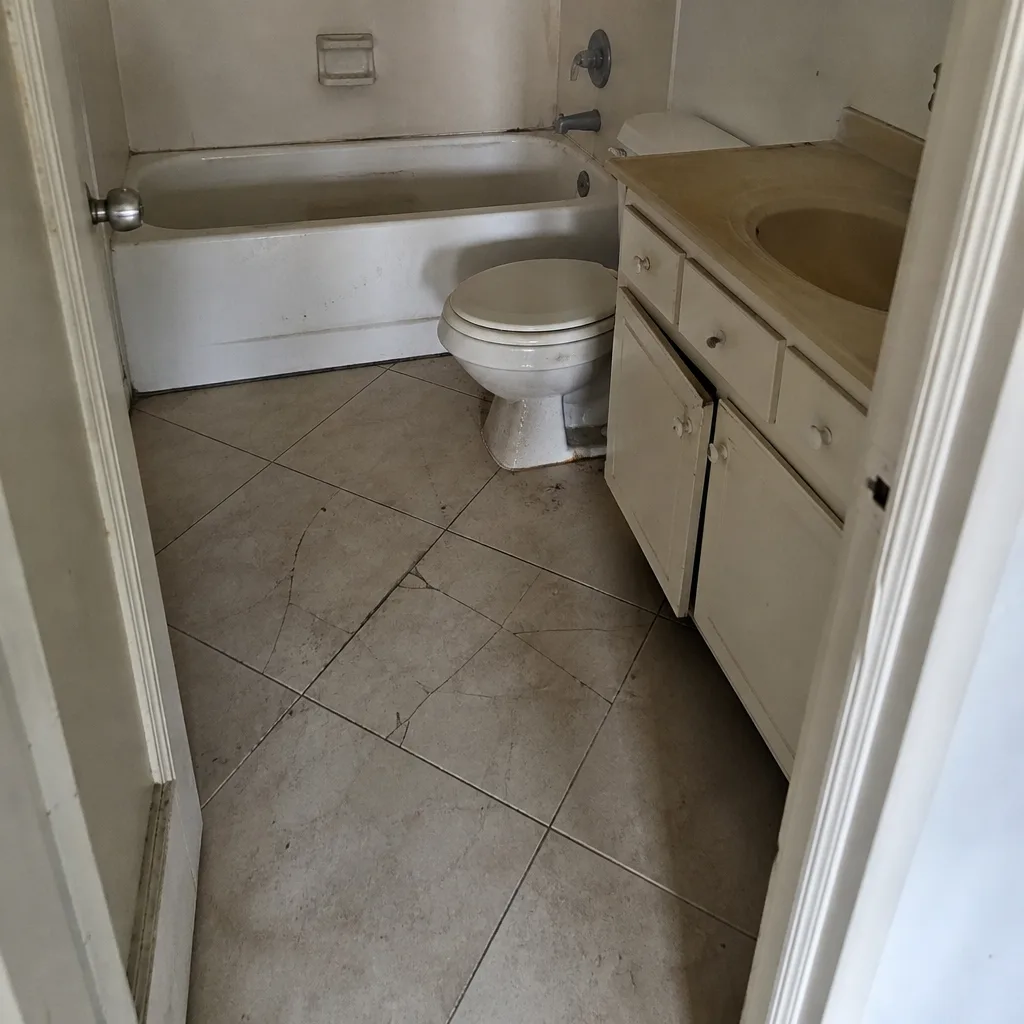 Before
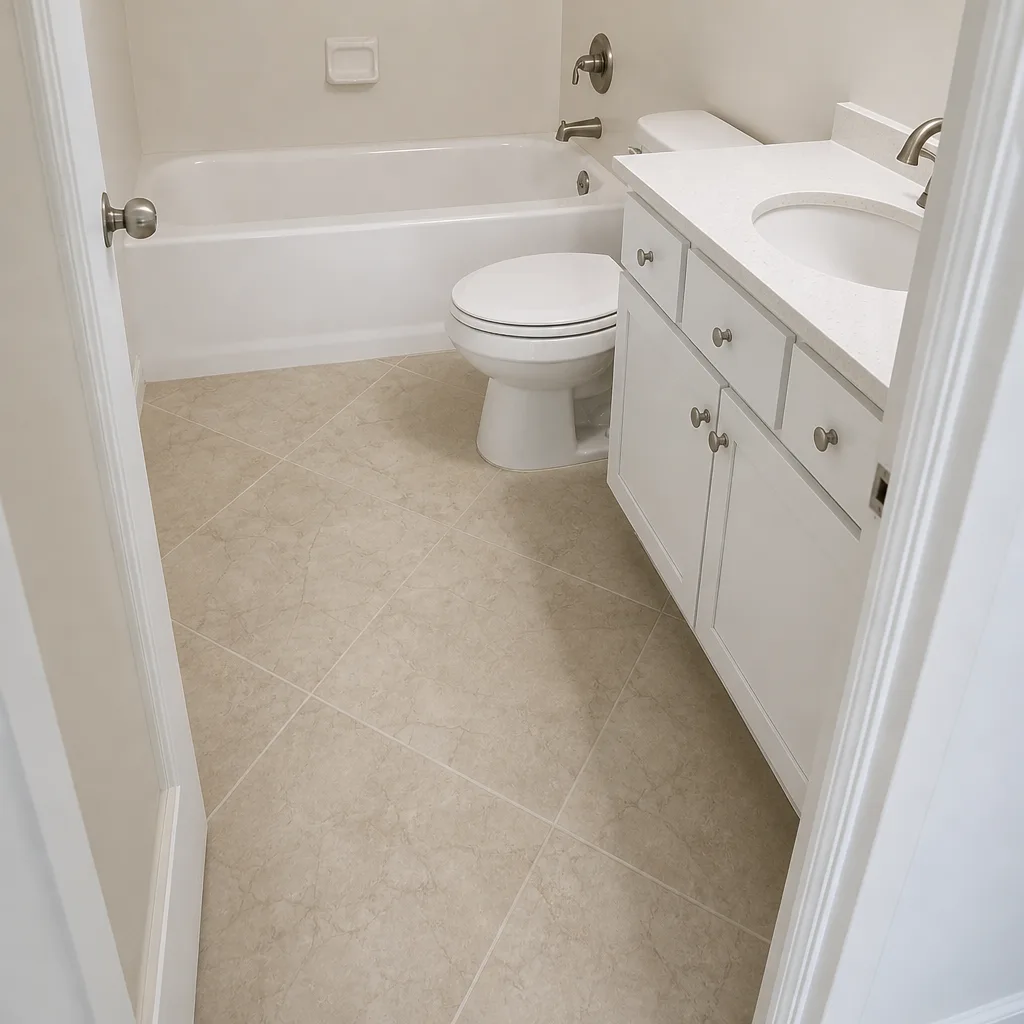 After
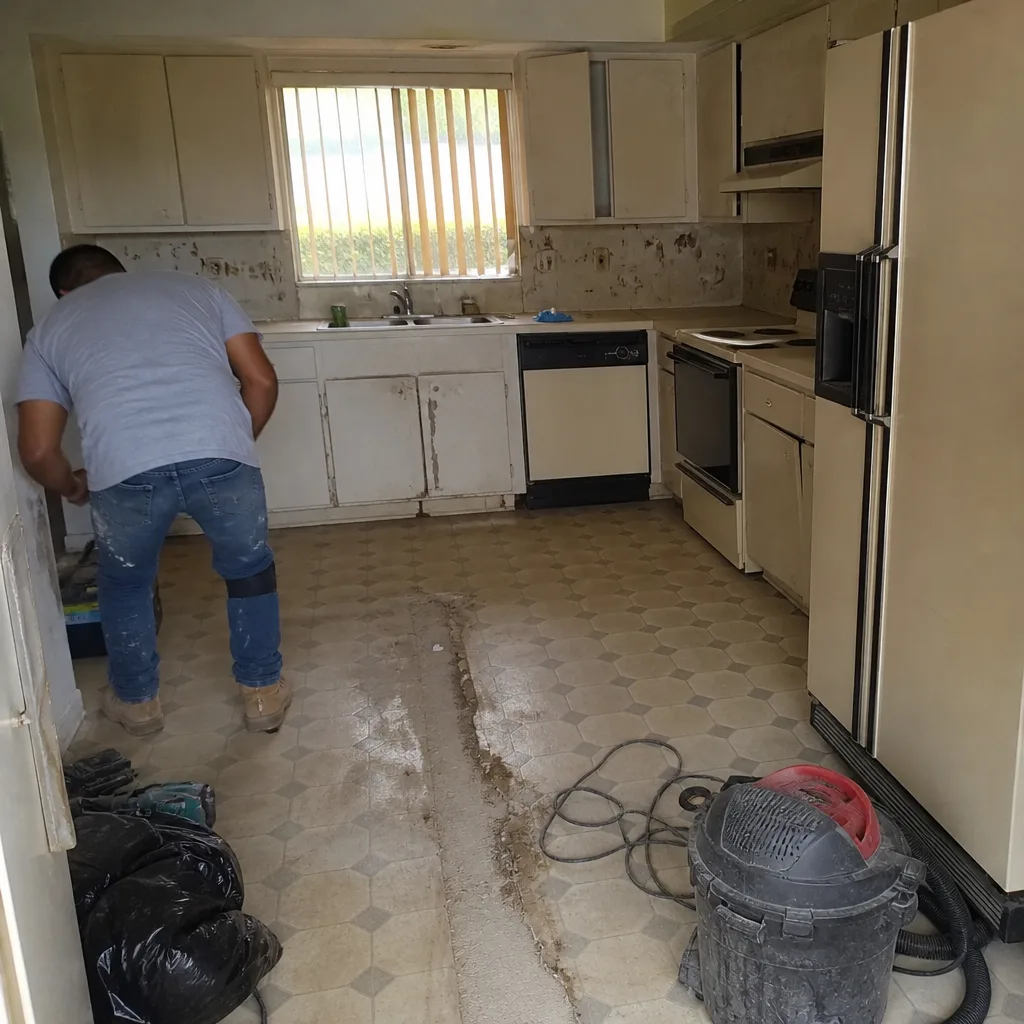 Before
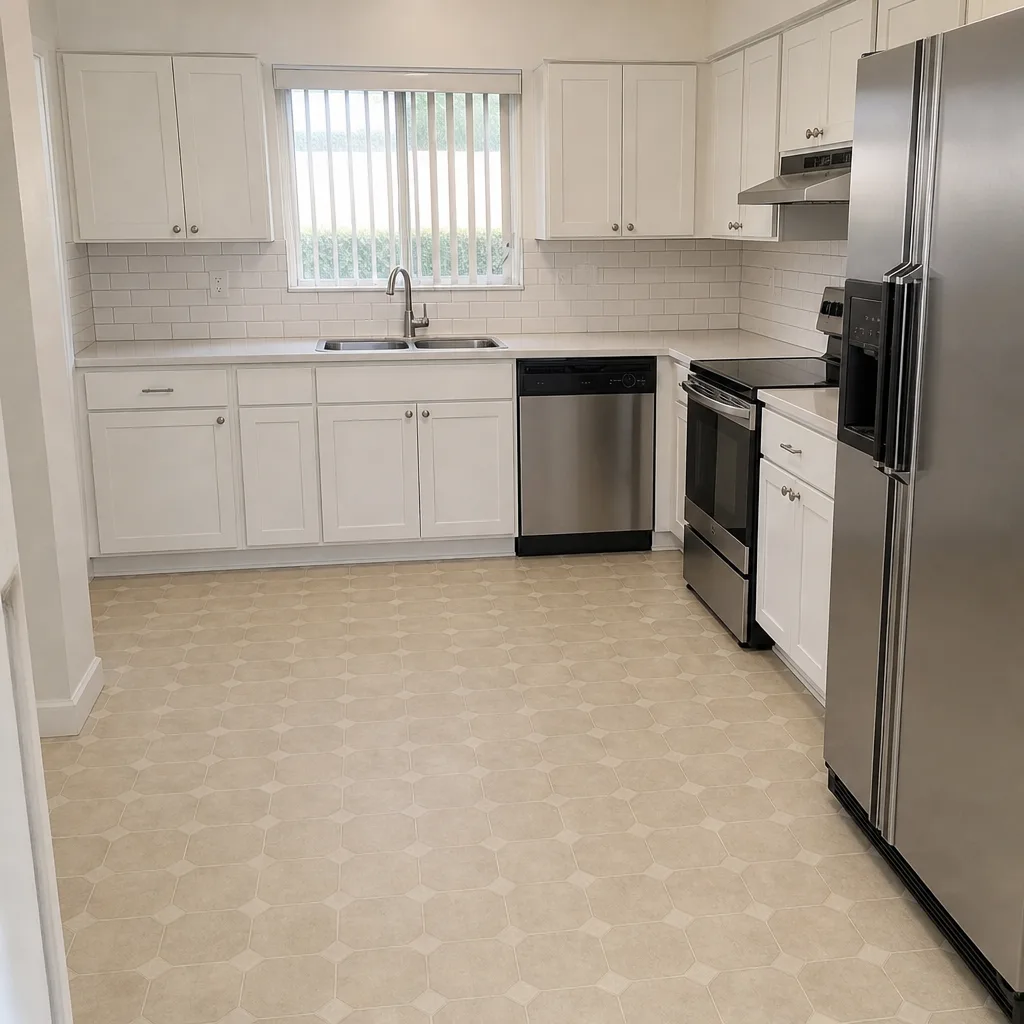 After
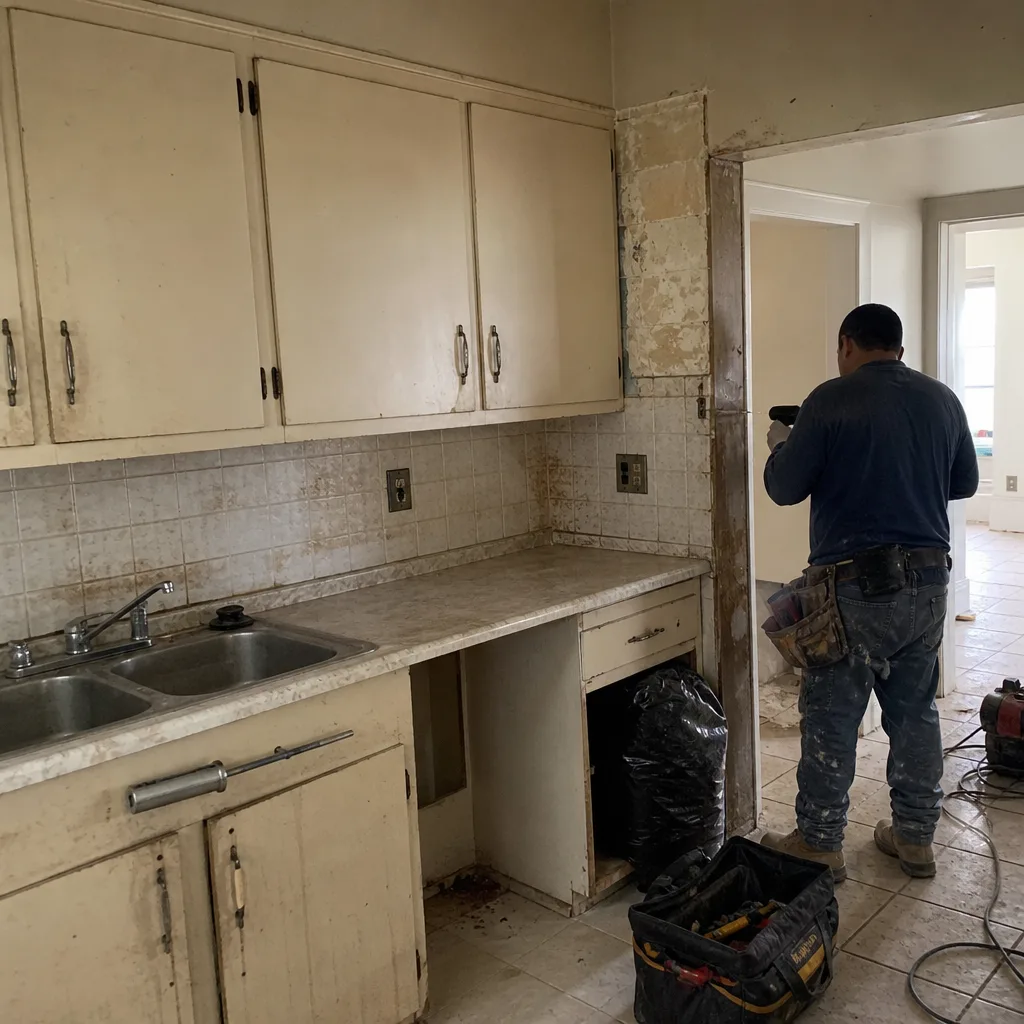 Before
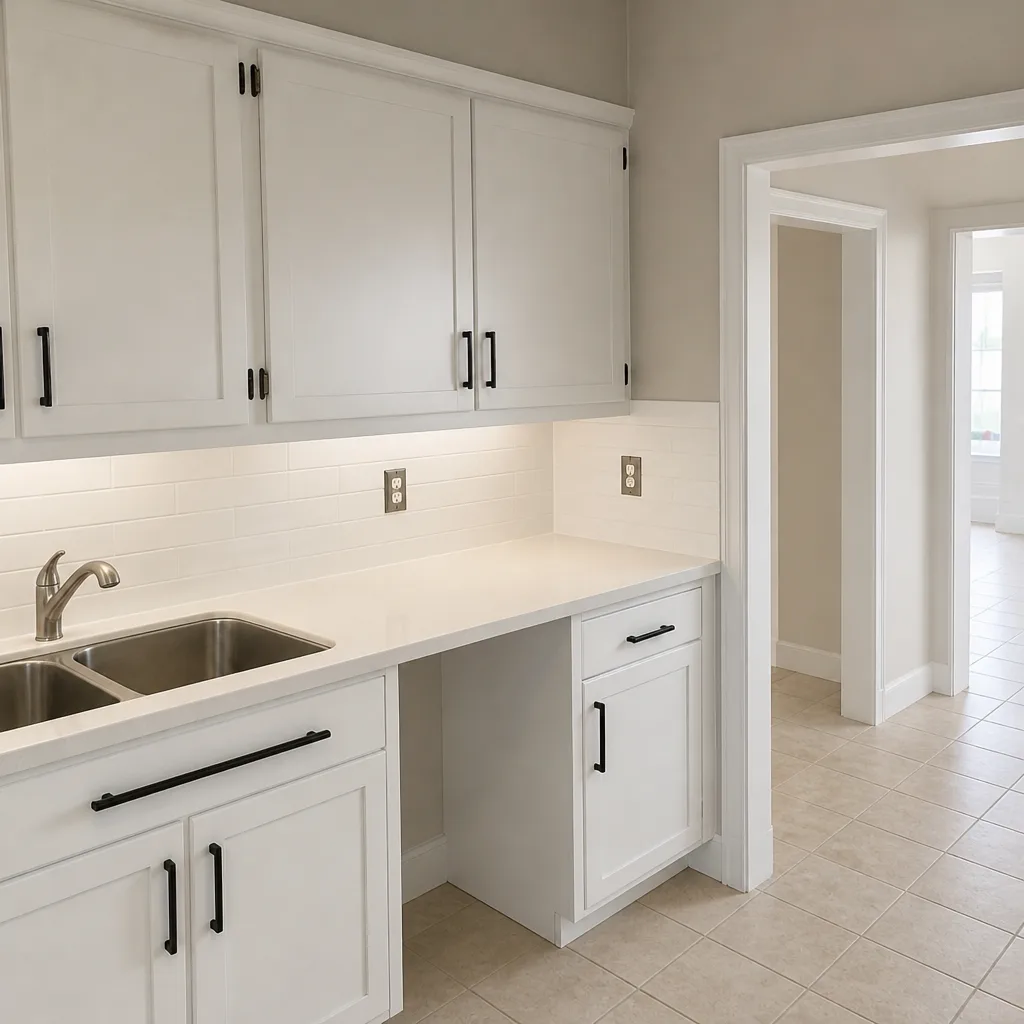 After
Common Mistakes to Avoid
- Installing a window or door without a permit because “it’s just a swap.” In Miami-Dade, envelope replacement is permitted work regardless of how straightforward it looks, and an unpermitted install can surface at resale or claim time years later.
- Buying the unit before checking product approval. A replacement window that lacks a Miami-Dade Notice of Acceptance or Florida Product Approval for your design pressures is non-compliant before installation begins.
- Hiring a crew that offers to skip the permit to save money. That’s a red flag, not a discount, and it transfers the risk directly to you.
- Not verifying the license. The state licensing database and the Miami-Dade permit portal are public. Two minutes of checking filters out the operators who cause the most damage.
- Ignoring the certificate of completion. The closed permit and certificate are the documents that protect you at resale and at insurance claim time. Keep them.
- Letting weather dictate scheduling. Plan replacements for the shoulder season so the envelope isn’t open during a June-to-November storm threat, and build in permit review and inspection lead time.
- Tackling the unit yourself while thinking the trim and hardware count as “the install.” The trim and hardware are the legitimate DIY scope; the unit and the envelope are not.
Frequently Asked Questions
No. Replacing an exterior window that is part of the building envelope in Miami-Dade requires a permit, a licensed contractor of the proper category, and passing inspections. Homeowner installs of envelope windows aren’t permitted here, and the product must carry the appropriate approval for the High-Velocity Hurricane Zone. What you can do yourself is the surrounding scope – weatherstripping, hardware, interior casing, and screens. Call (833) 716-6251 for a free estimate if you want the installation handled correctly.
You create an unpermitted improvement that can complicate a home sale, jeopardize an insurance claim after storm damage, and leave you personally exposed if the window fails and causes damage or injury. The county can require correction or removal, and the cost of doing it right the second time is always higher than doing it right the first time. Call (833) 716-6251 for an exact quote on a permitted replacement – estimates are free.
Yes, in most cases. An exterior entry door that serves as part of the building envelope is generally permitted work in Miami-Dade, and the replacement product must carry the appropriate approval. Interior doors are a different story and don’t require this process. When in doubt, run the address through the Miami-Dade permit portal or ask a licensed contractor before ordering. Call (833) 716-6251 to schedule a free estimate and have the scope confirmed.
Window replacement pricing in Aventura depends heavily on the unit’s size, the product approval required for your property’s design pressures, and the number of openings – which is why a single flat number would be misleading. What you can expect from us is upfront, line-item pricing with permit and inspection costs included and no change orders buried in the fine print. We also offer 0% financing for 18 months and $1,000 off projects over $10,000. Call (833) 716-6251 for an exact quote – estimates are free.
It can, and this is the part that surprises homeowners after a storm. An unpermitted improvement may be excluded from coverage or complicate a claim, and it can leave you personally liable if the assembly fails and damages a neighbor’s property. Properly permitted and inspected work comes with the certificate of completion your carrier expects to see. Call (833) 716-6251 if you want the paperwork and the installation handled together.
Ask for the license number, verify it through Florida’s public licensing database, then search the property address in Miami-Dade’s online permit portal before work starts. Confirm the product approval matches the unit being installed, and only sign after you’ve seen the line-item scope in writing. Our technicians are background-checked and arrive in uniform, we answer calls with a live person 24/7, and every project is covered by our 730-Day Done Right Promise. Call (833) 716-6251 to schedule your free estimate.
The Bottom Line

Window and door replacement is not a legal DIY project in Miami-Dade, and that’s the whole answer to the question in the title. The rules exist because the envelope is a structural, wind-rated assembly in a hurricane zone, and because documentation protects you at resale and at claim time. The legitimate DIY scope is real – weatherstripping, hardware, interior casing, screens, thresholds – and worth doing yourself. The unit and the envelope go to a licensed professional who pulls the permit, passes inspection, and hands you the certificate of completion. Verify the license, confirm the permit, get line-item pricing, and read the warranty before you sign. If you want the legal, inspected, guaranteed path in Aventura, we’re ready to walk through it with you.
Groundwork Construction Co. of Aventura handles windows and doors as a permitted, inspected, fully documented project – from the first product approval check to the certificate of completion in your hands. Calls are answered by a live person 24/7, pricing is line-item and upfront, and every job is covered by our 730-Day Done Right Promise. We also back our work with free project estimates and design consultations, 0% financing for 18 months, and $1,000 off projects over $10,000. Call (833) 716-6251 today to schedule your free estimate and get a clear, no-surprises scope for your Aventura home.
Written by the team at Groundwork Construction Co. of Aventura.