Last updated November 18, 2026
Free written scope consultation - allowances, timeline, and change-order rules on paper before a single trade is scheduled
DIY vs Professional Home Additions & ADU: What’s Safe to Do Yourself
Florida law lets a homeowner pull permits as an owner-builder and act as their own general contractor on an addition or ADU. That’s a real right, and plenty of YouTube channels sell it as a money-saving shortcut. Here’s what those videos leave out: the moment you take that role, you personally sign for structural, electrical, plumbing, and mechanical compliance, and you become the responsible party when your insurer, your lender, or a future buyer asks who built the thing. In Aventura, where multifamily rules, flood zones, and HOA covenants stack on top of state code, that signature carries more weight than most guides admit. We’ll walk through what’s genuinely safe to DIY, what’s a hard no, and the hybrid approach that saves real money without gambling your certificate of occupancy.
Styles & brands we work with
- Kitchen remodeling
- Bathroom remodeling
- Home additions & ADU
- Roofing
- Windows & doors
- Driveway & pavers
- Fence
Quick Answer
In Florida you can legally build your own addition or ADU as an owner-builder, but only a licensed contractor can sign permits for structural, electrical, plumbing, and mechanical work, and most lenders and insurers treat an owner-built addition differently at resale. The genuinely safe DIY scopes are interior finish work, painting, landscaping, and fixture installation after rough-in passes inspection. Everything structural, any new sub-panel, and any scope requiring a licensed signature is a hard no for DIY in Aventura.
Table of Contents
- What Florida’s Owner-Builder Exemption Actually Allows
- Why Lenders and Insurers Treat Owner-Built Additions Differently
- The Scopes That Are Genuinely Safe to DIY in Aventura
- The Scopes That Are a Hard No
- The Real Financial Math on DIY Additions
- The Hybrid Model: Owner-Supervisor Without Touching the Work
- How the Aventura Permit and Inspection Process Works
- Common Mistakes to Avoid
- When to Call a Professional
- Frequently Asked Questions
- The Bottom Line
What Florida’s Owner-Builder Exemption Actually Allows
Florida Statute 489.103(7) is the section most DIY guides cite, and it’s the one most often misread. The exemption lets a property owner build or improve a structure on their own property for their own use, without holding a contractor license. That’s the whole allowance. It does not let you build for resale, rent, or lease. It does not let you hire unlicensed subcontractors and call them your crew. And it does not exempt the work from code compliance, inspection, or the obligation to pull permits.
Three limits trip up Aventura homeowners more than any others:
- It’s a personal right, not transferable. The exemption is yours as the owner-occupant. If you sell within a year of completing the work, the buyer’s lender may require additional documentation or re-inspection before closing.
- Licensed-trade work stays licensed. You can’t sign a permit for electrical, plumbing, mechanical, or roofing. Those permit applications require a licensed contractor’s signature, full stop. Your owner-builder signature covers the general scope; not the sub-trades.
- Condos and HOAs add a second layer. Many Aventura properties sit inside gated communities or condo associations with architectural review boards. Even if the city approves your ADU plan, the association may not. We’ve watched homeowners get halfway through permit review before learning the board prohibits detached ADUs entirely.
Here’s the part that gets missed: acting as owner-builder is legally fine if the work is for your own use. But “legally fine” and “insurable, financeable, and resalable” are three different questions. The exemption answers only the first.
Why Lenders and Insurers Treat Owner-Built Additions Differently
This is where the DIY conversation actually gets decided, and it has nothing to do with whether you can swing a hammer. It’s about what shows up in the paper trail.
When a mortgage lender underwrites a home with an addition, they want to see permits, final inspection sign-offs, and a certificate of occupancy. An owner-built addition with a clean paper trail is fine. An owner-built addition with a permit that was pulled but never signed off as final is a problem. The underwriter treats it as unpermitted square footage, which means it may not count toward appraised value. If your addition added 400 square feet but the appraisal doesn’t recognize it, you paid for square footage the market won’t pay you for.
Insurance runs the same way. Homeowner policies in South Florida already scrutinize roof age, water intrusion history, and wind mitigation features. An addition without a certificate of occupancy can trigger a coverage gap: if a claim arises in that space, the insurer may deny it as unpermitted construction. We’ve seen that argument made after a roof leak damaged a converted garage. The homeowner had done beautiful finish work, but the space was never signed off, and the claim response was not what they expected.
For Aventura specifically, add flood zone considerations. Large portions of the city sit in FEMA flood zones, and additions that change the footprint can affect elevation certificates and flood insurance premiums. A permitted, properly engineered addition comes with documentation your insurance agent can actually use. An owner-built addition without that documentation can leave you arguing with a claims adjuster at the worst possible moment.
None of this is a reason to fear building. It’s a reason to build with a paper trail. That’s the real line between safe DIY and risky DIY, not whether you can install a tile shower.
The Scopes That Are Genuinely Safe to DIY in Aventura
Once the rough-in inspections pass and the structure is signed off, a capable homeowner can take on a lot of finish work without touching anything that requires a licensed signature. Here’s the list we give clients who ask what they can handle themselves:
- Interior painting. The most forgiving DIY scope on any addition. A good coat of paint covers drywall imperfections and costs a fraction of a pro job. Just don’t paint before the final inspection – inspectors want to see the substrate.
- Interior finish carpentry. Baseboards, door casing, closet shelving, and simple trim work. These don’t touch structure or systems. If you can run a miter saw and a nail gun, you can save real money here.
- Landscaping and hardscaping around the addition. Sod, planting beds, mulch, a paver patio. If your project includes a new driveway or a walkway, that’s a scope worth considering for the homeowner who wants to control material choices. Our Driveway & Pavers in Aventura team handles the heavy lifting, but a homeowner can absolutely source and install a simple border or garden bed.
- Fixture installation after rough-in passes. Faucets, showerheads, toilet seats, towel bars, cabinet hardware, and light fixtures that plug in or connect to an existing switched circuit. Note the language: after rough-in passes. You’re installing the finish, not creating the supply.
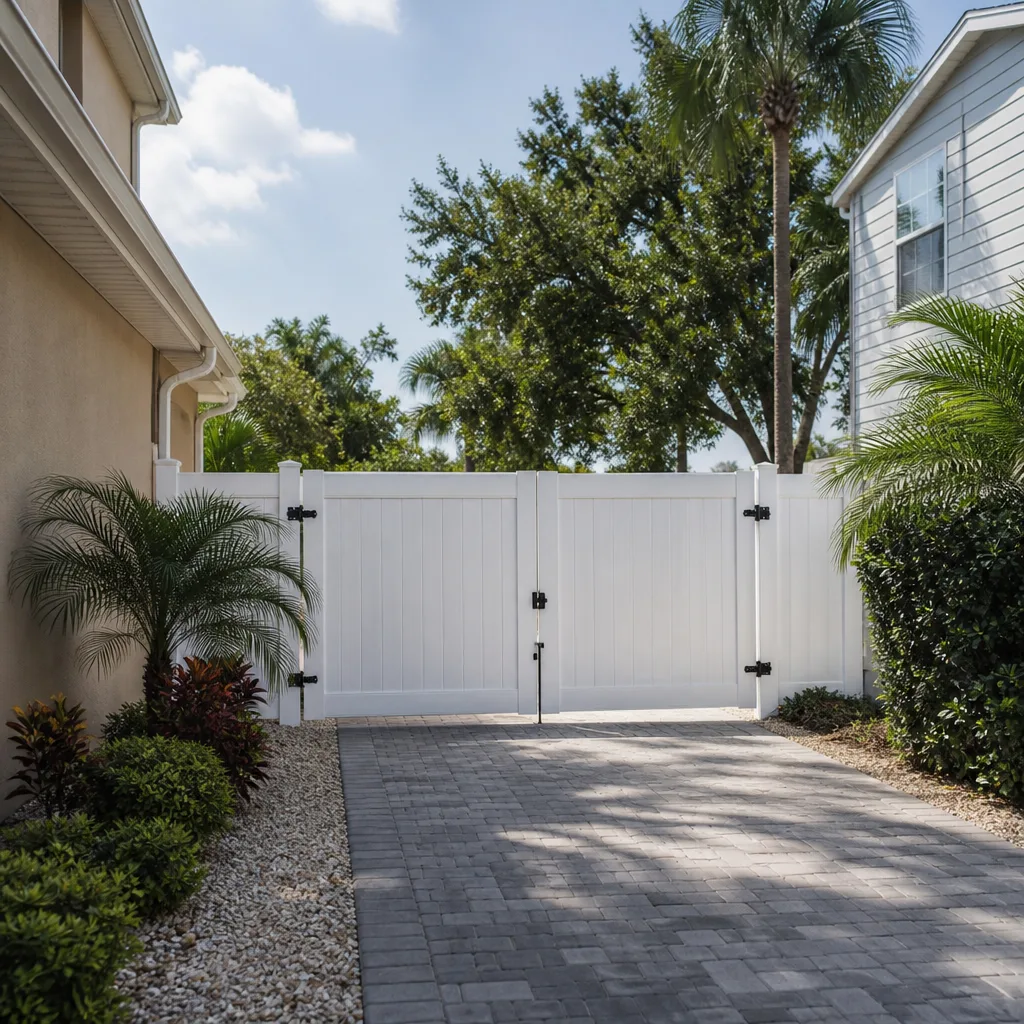
- Fencing on the property line (with care). A straightforward privacy fence is within reach for a handy homeowner, though Aventura lots frequently have HOA height restrictions and survey requirements worth checking before you dig. Our Fence Installation in Aventura page covers the local rules if you want to compare your plan to what’s typical.
Brands worth using on the finish side if you’re sourcing your own materials: Toto for toilets, Grohe for faucets, Schluter for shower waterproofing systems. These are the same lines we spec on our own projects, and they’re available to homeowners through the same distribution channels. Quality finish materials don’t care who installs them, as long as they’re installed correctly.
The Scopes That Are a Hard No
These scopes aren’t “risky if you’re not careful.” They’re permit-blocked, insurance-sensitive, or genuinely dangerous. In Aventura, each of them is a hard no.
- Anything structural. Foundation work, load-bearing framing, beam and header installation, roof-to-wall connections. These require engineered plans and a licensed contractor’s signature. The failure mode isn’t a call-back; it’s a collapse under wind load during a named storm.
- Any electrical work in a new sub-panel. Adding a sub-panel for an ADU means load calcs, breaker sizing, grounding and bonding, and a licensed electrician’s signature on the permit. This isn’t a “do it carefully” scope. It’s a fire and electrocution risk, and the electrical inspector will reject the work without the license attached.
- Any plumbing that moves a drain line or adds a fixture supply. Rough-in plumbing is licensed work. Finish fixtures are DIY-able. The line between them is where the pipe enters the wall.
- HVAC installation and ductwork. Sizing, refrigerant lines, and permit sign-off all require a licensed mechanical contractor. This is one of the scopes Aventura inspectors watch most closely on ADUs because undersized systems cause moisture problems in South Florida humidity.
- Roofing tie-ins. If your addition connects to an existing roof, the tie-in is a roofing scope. Even small tie-ins are permit-inspected and require a licensed roofer’s sign-off. South Florida roof work is a wind-mitigation item your insurer will ask about.
- Anything requiring a licensed trade signature on the permit. This is the catch-all. If the permit application requires a licensed contractor’s signature, you can’t DIY it, no matter how capable you are.
We’re not being precious about this. Any trained professional who works on structural or electrical scopes will tell you the same thing. The people who get hurt on DIY additions are almost never the ones doing finish work. They’re the ones who decided a sub-panel was “basically the same as a light switch.”
The Real Financial Math on DIY Additions
The savings from DIY are real. They’re also routinely eaten by three costs most homeowners don’t budget for.
Extended timelines. A professional crew that builds ADUs for a living finishes a 500-square-foot addition in weeks. A first-time owner-builder doing the same scope on weekends and evenings takes months. Meanwhile the mortgage payment on the original house keeps coming, the permit clock ticks (most Florida permits expire after 180 days if work isn’t progressing), and any construction loan interest keeps accruing. In Aventura, where construction loan rates and property values are both high, the carrying cost of a slow build can easily exceed the labor you saved.
Failed inspections. Each re-inspection in Miami-Dade County carries a fee, and each failure resets the schedule. Three failed inspections on framing, electrical, and plumbing can burn a month and several thousand dollars in reinspection fees and idle trades. We’ve watched homeowners do beautiful work that failed because it wasn’t detailed to code, then pay twice to have it corrected.
Insurance gaps at claim time. This is the one that hurts most because it shows up at the worst moment. An owner-built addition without proper sign-offs may be treated as unpermitted by your insurer. When a named storm comes through and there’s water damage in that space, the claim outcome can be very different from what you expected when you wrote the checks.
Here’s the honest math: on a $150,000 ADU project, DIY finish work might save $15,000 to $25,000 in labor. If timelines, reinspections, and a partial insurance denial cost more than that, the DIY was net negative even though the finish work was fine. The savings are real; they’re just not guaranteed to survive contact with the rest of the process.
The Hybrid Model: Owner-Supervisor Without Touching the Work
There’s a third option most guides skip, and it’s the one we recommend to capable homeowners who want to save money without taking on legal liability. You act as the informed owner-supervisor. You hire a licensed contractor for the permit-signature scopes, you coordinate the schedule, and you take on the DIY scopes you can actually handle – but you don’t touch anything that requires a license.
Here’s how it works in practice:
- You hire a licensed contractor for permits and structure. Foundation, framing, electrical, plumbing, HVAC, and roofing all run through the contractor’s license. Your Home Additions & ADU in Aventura project gets a clean paper trail end to end.
- You source finish materials yourself. Tile, fixtures, paint, hardware, cabinetry pulls – all scopes where your taste and your budget control the outcome. Buying your own Toto toilets or Grohe fixtures doesn’t require a license, and it puts you in control of the spec.
- You take on the finish scopes from the safe list. Painting, trim carpentry, landscape, and fixture installation. Work that doesn’t touch the permit or the inspection schedule.
- You coordinate the schedule and the trades. This is where the real savings live. A homeowner who can be on-site for deliveries, hold subcontractors to schedule, and make fast decisions keeps a project on track. That’s worth real money and doesn’t require picking up a tool.
- You hold the final walk-through as your own. You’re the one who has to live in the space. Walk it with a critical eye before you sign off on final payment.
This model gives you most of the financial upside of DIY with none of the permit, insurance, or safety downside. If you want to see what a properly permitted addition looks like from the contractor side, the Groundwork Construction Co. of Aventura home page lays out the full scope and the current promotions.
How the Aventura Permit and Inspection Process Works
Aventura issues building permits through its Building Department, and the process follows a standard Miami-Dade pattern with a few local wrinkles. Here’s the sequence a homeowner should expect on an ADU or addition:
- Pre-application and zoning review. The city checks that your proposed addition fits setbacks, lot coverage, and height limits. Aventura’s lot coverage rules are stricter than most of the county, and an ADU typically counts fully toward coverage. This is where most DIY plans first fail.
- Plan submission with engineer’s stamp. Structural plans require a Florida-licensed engineer’s seal. You can’t stamp your own plans even as owner-builder.
- Permit issuance. Issued to the licensed contractor of record or to the owner-builder for the general scope only.
- Rough-in inspections. Foundation, framing, electrical rough, plumbing rough, and mechanical rough each get inspected before drywall.
- Insulation and drywall inspection. Not a scope to skip; inspectors want to see the wall cavity before it’s closed.
- Final inspection and certificate of occupancy. The CO is the document your insurer, lender, and future buyer will all ask for. Without it, the addition isn’t recognized as legal living space.
Every phase that requires a licensed signature is a phase you shouldn’t DIY. That’s roughly 70% of the process on a typical addition. The remaining 30% – finish work, landscape, fixtures – is yours if you want it.
Common Mistakes to Avoid
- Assuming the owner-builder exemption covers resale. It doesn’t. If you plan to sell within a few years, the exemption’s limits matter more than its allowances. Build for the paper trail from day one.
- Pulling a permit but never calling for final inspection. A permit without a final sign-off is a paper problem that comes back at appraisal. It’s the single most common Aventura permit issue we see on owner-built additions.
- Doing the sub-panel because “it’s just a breaker box.” A new sub-panel for an ADU involves load calculations, grounding, and a licensed signature on the permit. Skipping the license means the work fails inspection and may be unsafe. There’s no shortcut here.
- Forgetting the HOA or condo association review. In Aventura, many additions get approved by the city and rejected by the association’s architectural review board. Start the board process first, not last.
- Buying finish materials before rough-in passes. Tile, fixtures, and cabinetry bought early often sit in the garage for months while the schedule slips. Buy against the inspection calendar, not the sales calendar.
- Overlooking the flood zone and elevation certificate. An addition that changes the footprint may trigger a new elevation certificate and affect flood insurance. Confirm this before you break ground.
- Treating finish carpentry as a place to learn. Interior trim is forgiving, but a botched cabinet install or a shower surround done wrong is expensive to fix. Practice on a closet, not the ADU bathroom.
When to Call a Professional
Call a professional the moment your project involves a permit signature, a structural change, or any licensed trade. That covers every addition and ADU on the structural side, all electrical rough-in and sub-panel work, all plumbing that moves a drain or supply, all HVAC, and all roofing tie-ins. If your Aventura property sits inside an HOA with architectural review, a professional will also save you weeks of back-and-forth on the plan submission. Groundwork Construction Co. of Aventura offers free estimates in Aventura – call (833) 716-6251 to walk through your project and confirm which scopes you can safely take on yourself. Our technicians have up to 12 years of experience, and every project comes with the 730-Day Done Right Promise – if it’s not done right, we make it right.
Frequently Asked Questions
Yes, with limits. Florida’s owner-builder exemption lets you act as general contractor on your own property for your own use, but you cannot sign permits for electrical, plumbing, mechanical, or roofing, and you cannot use the exemption for resale or rental. In Aventura, you also need to clear zoning, HOA architectural review, and flood zone checks before you start. Call (833) 716-6251 for a free estimate if you want to compare the DIY path to a fully permitted build.
Only if the addition has proper permits and a certificate of occupancy. An owner-built addition without final sign-offs may be treated as unpermitted construction, and a claim in that space could be denied. Confirm with your insurance agent before you break ground, and keep the paper trail intact through final inspection. Call (833) 716-6251 for a free estimate on a properly permitted build.
Interior painting, finish carpentry like baseboards and trim, landscaping, and fixture installation after rough-in inspections pass. These scopes don’t touch the permit or the licensed-trade signature, and they represent a meaningful chunk of finish labor. Anything structural, any new sub-panel, and any work that moves a drain line stays with a licensed professional. Call (833) 716-6251 for a free estimate that clarifies the split.
A permitted ADU in Aventura typically runs in the six-figure range depending on size and finish level, and DIY finish work might save 10% to 15% of that total. The savings are real, but they’re often offset by extended timelines, failed inspections, and insurance gaps at claim time. The math only wins if you stay strictly on the safe DIY scopes. Call (833) 716-6251 for a free estimate that itemizes what’s DIY-able and what isn’t.
Yes, for the structural, electrical, plumbing, mechanical, and roofing scopes. You can pull a general permit as owner-builder, but the licensed trades still require a licensed contractor’s signature on their permits. Plan submission also requires an engineer’s stamp on structural drawings, which you cannot self-provide. Call (833) 716-6251 for a free estimate on a fully permitted project.
Yes, but the sale gets harder without a clean paper trail. Buyers’ lenders want to see permits and a certificate of occupancy, and an owner-built addition without final sign-offs may not count toward appraised value. The safest path is to build with a licensed contractor on permit-signature scopes and keep every inspection record. Call (833) 716-6251 for a free estimate that protects your resale value.
The Bottom Line
DIY on a home addition or ADU in Aventura isn’t decided by whether you can swing a hammer. It’s decided by what the permit process, your lender, and your insurer will actually accept. Structural, electrical in a new sub-panel, plumbing, HVAC, and roofing tie-ins are off the table for DIY – no exceptions. Finish work, painting, interior trim, landscape, and fixture installation after rough-in are genuinely fair game. The hybrid model – acting as owner-supervisor, sourcing materials, and taking the safe DIY scopes – gets you most of the savings without the risk. Groundwork Construction Co. of Aventura approaches every addition from foundation to finish line with upfront pricing, no surprises, and a 730-Day Done Right Promise behind the work. Call (833) 716-6251 to schedule your free estimate and design consult.
Written by the team at Groundwork Construction Co. of Aventura.
See the difference
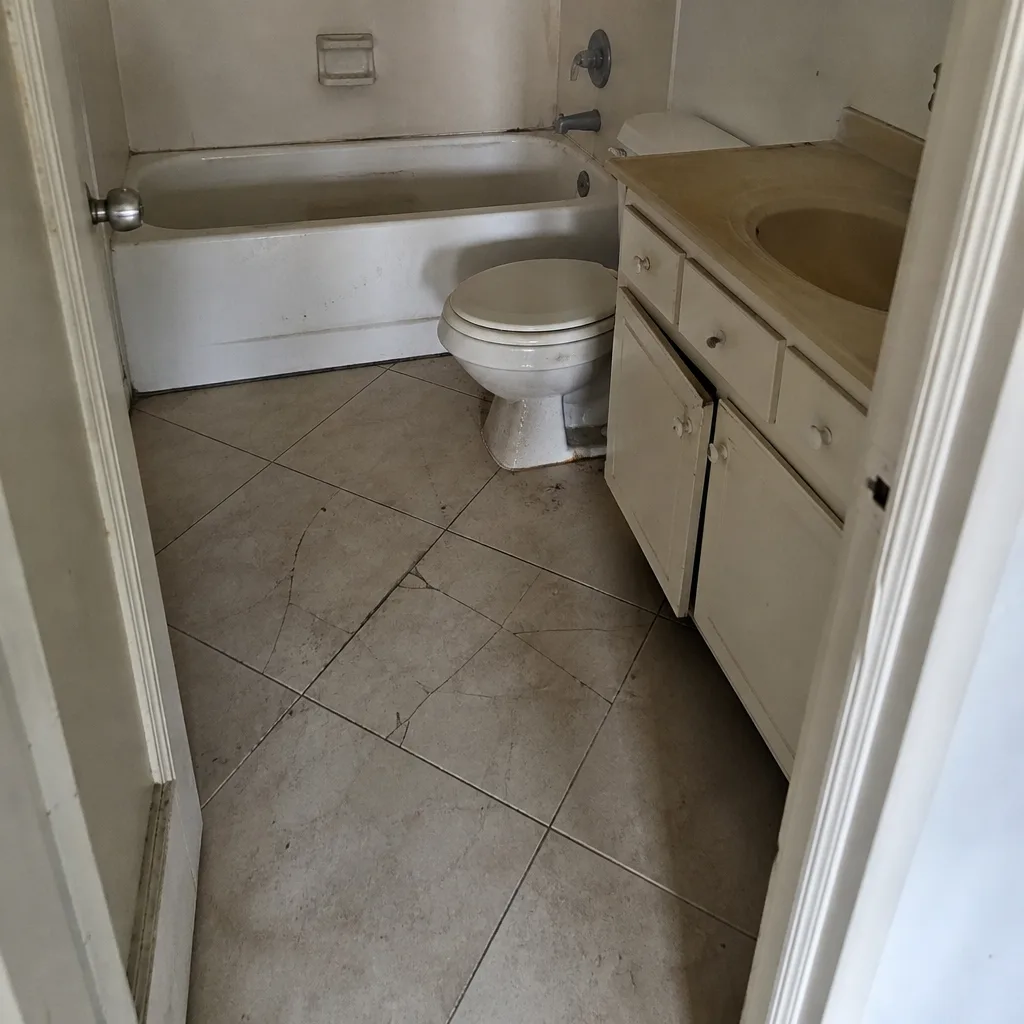 Before
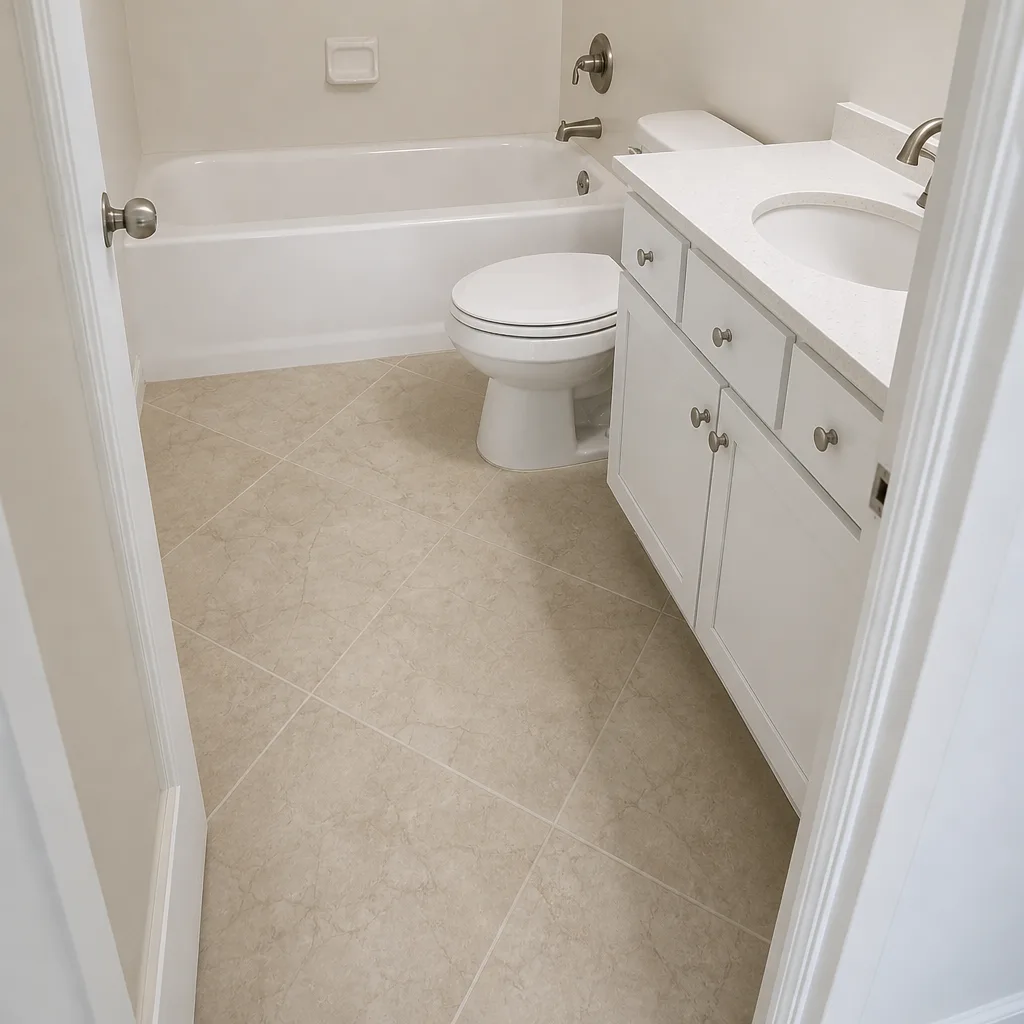 After
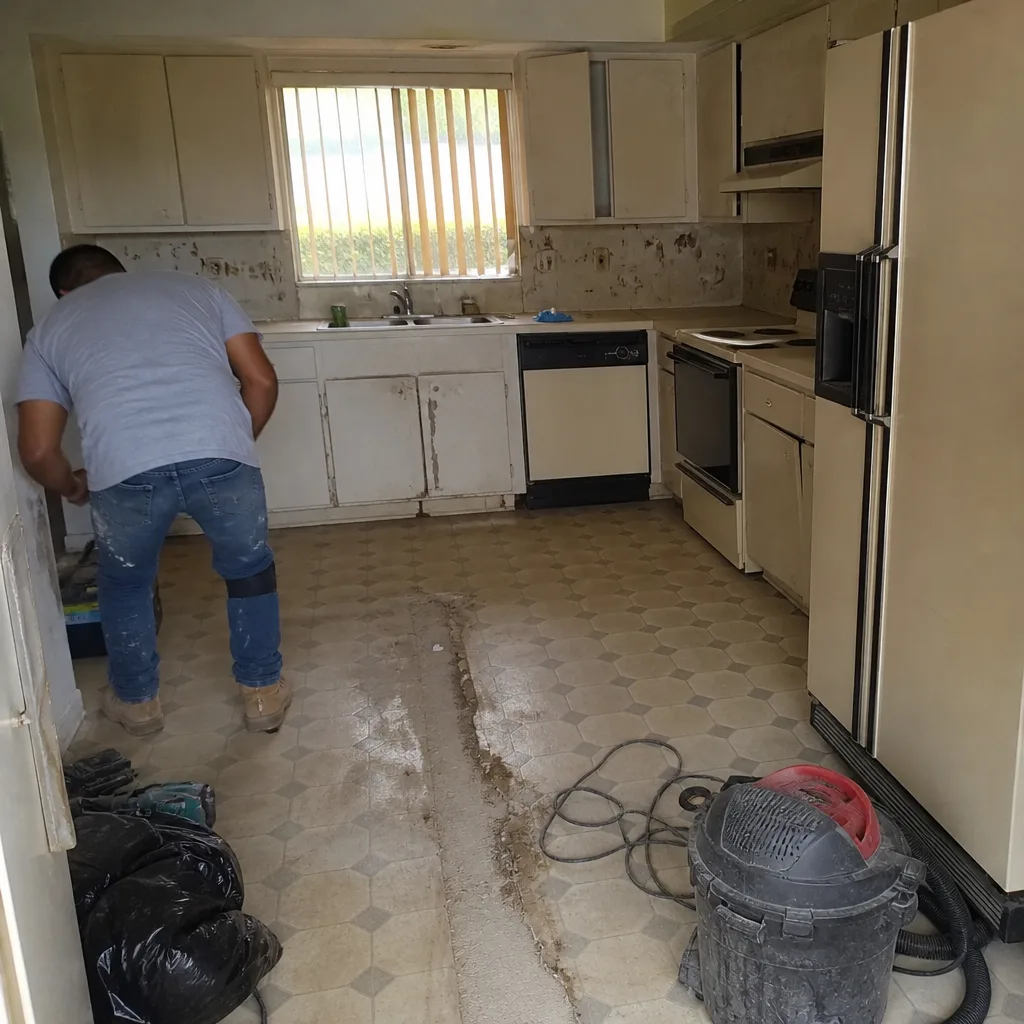 Before
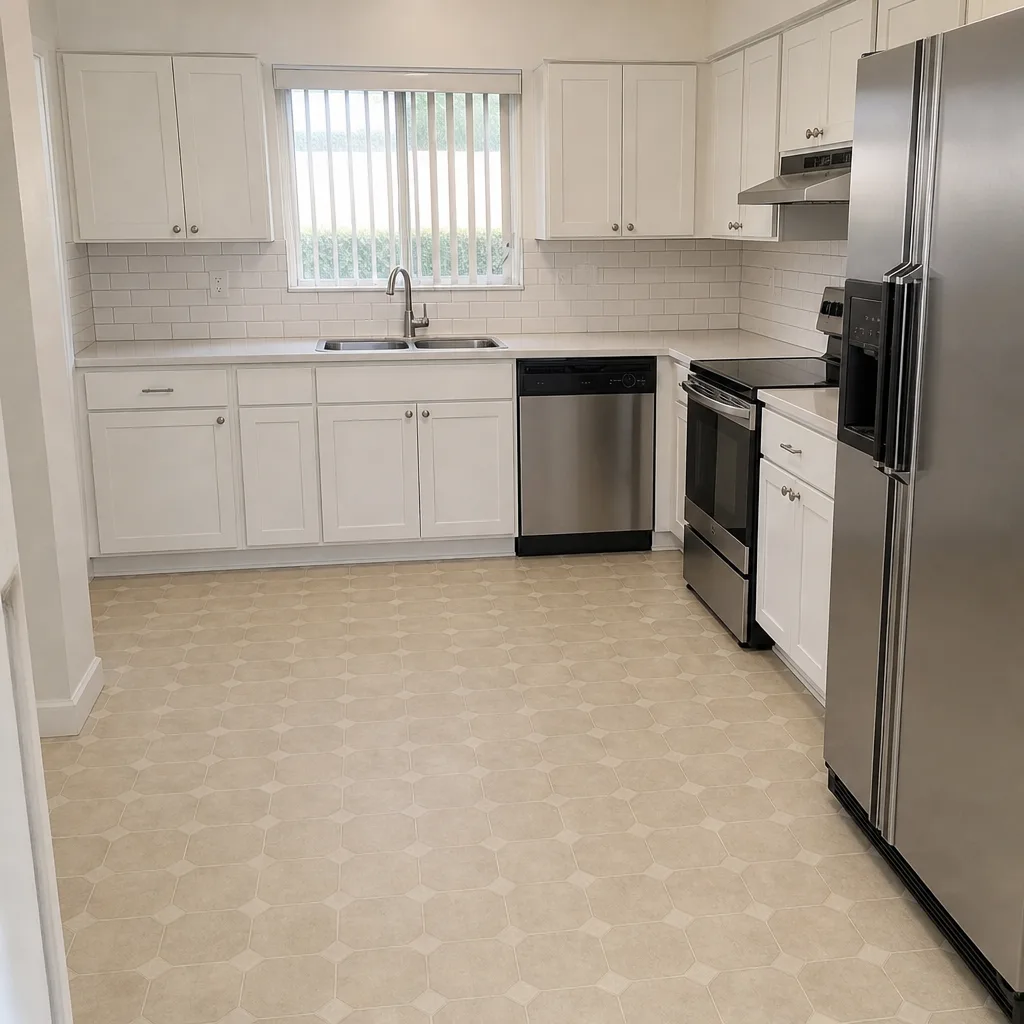 After
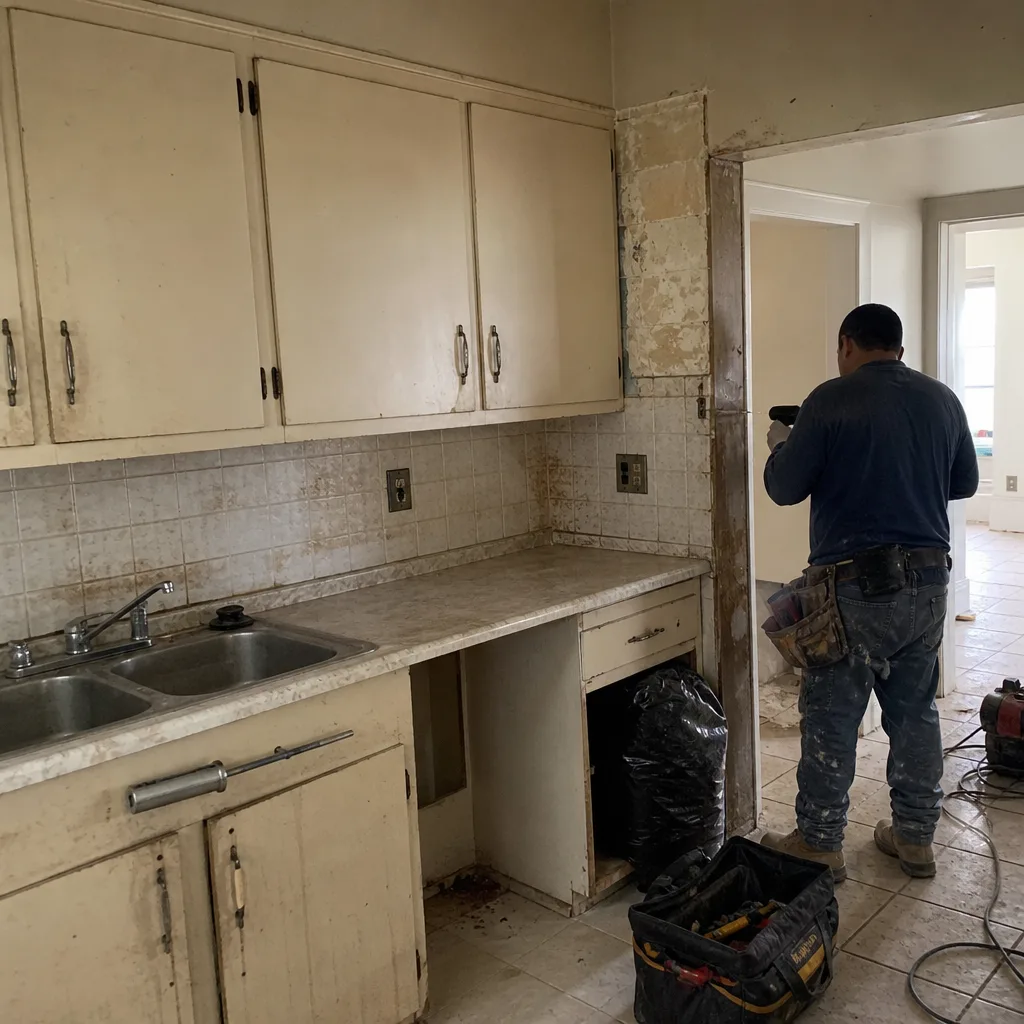 Before
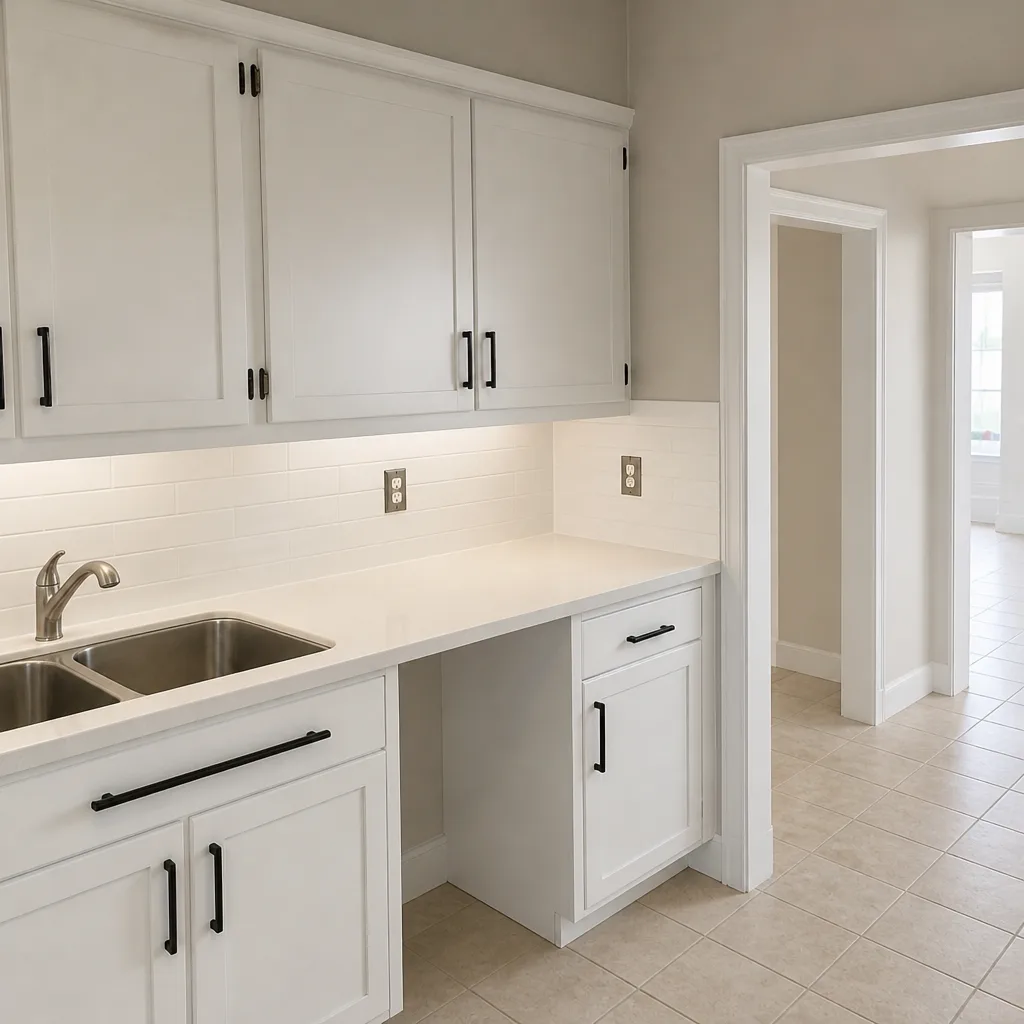 After