Last updated November 18, 2026


Free written scope consultation - allowances, timeline, and change-order rules on paper before a single trade is scheduled
Driveway & Pavers Warning Signs Every Homeowner Should Know
That one paver that wobbles slightly when you step on it isn’t a loose paver. It’s your driveway telling you water is moving through the base in a place it shouldn’t be. In our experience across Aventura, the warning signs that a paver driveway is heading toward failure show up 6 to 12 months before the repair gets expensive, and almost every homeowner misses them because they look like cosmetic aging. This guide breaks down the five visual patterns that actually mean something, shows you how to separate surface wear from base failure, and gives you the exact thresholds that tell you when to watch and when to act.
Quick Answer
The warning signs of a failing paver driveway are rocking pavers, settlement lines that sink or dip, white efflorescence streaks, separation at the edges and transitions, and joints that keep widening after you refill them. Each one points to a problem below the surface – usually water in the base or a drainage failure – not to the pavers themselves. If you see any one of these signs lasting more than a few weeks, the repair is cheapest now and only gets more expensive the longer you wait.
Styles & brands we work with
- Kitchen remodeling
- Bathroom remodeling
- Home additions & ADU
- Roofing
- Windows & doors
- Driveway & pavers
- Fence
Table of Contents
- The Five Visual Patterns That Actually Matter
- Cosmetic Aging vs. Structural Deterioration
- Why Warning Signs Show Up at Edges and Transitions First
- The 48-Hour Post-Rain Inspection
- When to Monitor vs. When to Call
- Why Aventura’s Climate Accelerates Paver Problems
- Common Mistakes to Avoid
- When to Call a Professional
The Five Visual Patterns That Actually Matter
Most homeowner guides hand you a list of “things to look for” without telling you what each one means. That’s backwards. A paver driveway looks the same on the surface whether it’s fine or failing. What changes is the specific pattern, and each pattern is a signal from a different part of the system. Here are the five we watch for on every Driveway & Pavers in Aventura job, and what each one tells us about the base underneath.
- Rocking pavers. A paver that tips when you step on it has lost bedding sand beneath it. Rocking means the sand layer has migrated or washed out, and it usually means water is getting in and not draining out.
- Settlement lines. These are shallow dips or low spots that you feel before you see. They trace a line where the base was never fully compacted or where soil beneath it has shifted. A settlement line is the first sign the base is moving.
- Efflorescence streaks. That white, powdery haze on the surface is salt migrating up through the concrete pavers as moisture evaporates. Efflorescence is normal in small amounts. Efflorescence that returns in streaks after you clean it means water is constantly moving through the pavers from below.
- Edge separation. The outer course of pavers pulling away from the edge restraint or the adjoining surface is one of the most reliable early signals. Edges are where water enters and where restraint failures show up first.
- Joint widening. Joint sand that washes out or joints that keep widening after you refill them means water is channeling through the joints instead of draining off the surface. Persistent joint widening is the driveway equivalent of a leaky roof – it looks small and it isn’t.
On a healthy driveway, none of these patterns appear in a lasting way. Occasional sand loss after a heavy storm is fine. A pattern that persists or returns is the driveway talking. We’ve inspected enough Aventura driveways to know that a single rocking paver with no other signs is a quick fix, while rocking plus edge separation plus joint widening is a base problem.
Cosmetic Aging vs. Structural Deterioration
This distinction saves homeowners thousands of dollars. Most paver driveways will show surface changes within their first few years, and most of those changes are cosmetic. Understanding which is which keeps you from overpaying for repairs you didn’t need – and from ignoring repairs you did.
Cosmetic aging includes:
- Fading or color shift on the surface of the pavers. Sun and rain dull color. That’s normal and doesn’t affect the base.
- Light efflorescence that wipes away or brushes off with a stiff broom.
- Chipping at a few edges where heavy objects or tires have struck the pavers. Chips are surface damage.
- Faint tire tracking in the finish. Cosmetic, and usually cleaned up with a proper wash and re-seal.
Structural deterioration looks similar at first glance, but the clues are different:
- Rocking returns to the same pavers after you re-sand them.
- Settlement dips get deeper over months, not just after a storm.
- Efflorescence streaks return in the same places after cleaning.
- Joints open up again within weeks of refilling.
- Edges pull away and the restraint is loose or missing.
The simplest test we tell homeowners in Aventura: cosmetic issues stay the same or improve with cleaning. Structural issues come back. If you fix a surface symptom and it reappears within a month or two, the problem is beneath the pavers, not on them.
Why Warning Signs Show Up at Edges and Transitions First
Water is the root of almost every paver failure, and water enters at edges. A paver driveway is a closed system – pavers, joint sand, bedding sand, gravel base, compacted soil – held together on the outside by edge restraints. Every edge is a boundary between the driveway and something else: a lawn, a sidewalk, a garage apron, a curb, or a street. That’s where drainage decisions get made, and where most of them go wrong.
Think about where the water goes when it rains in Aventura. A paver driveway is usually pitched slightly toward a swale or a street. If the grading at the edge is even slightly off – or the edge restraint is loose – water runs under the driveway instead of off it. The base never fully dries out, the bedding sand washes out, and the pavers start to move.
Most warning signs show up at these three places first:
- The garage apron. The transition between the driveway and the garage floor is where water often pools after a rainstorm. A dip here drains toward the house, which is the wrong way.
- The street-side edge. Water from the street and storm runoff meet your driveway here. Separation and joint widening at this edge are among the most common signals we see on Aventura properties.
- The side edges against lawn or landscaping. Soil and roots push against the edge restraint. If the restraint lifts or loosens, the pavers along that edge will show movement first.
On any driveway you’re inspecting, look at the perimeter before the middle. The middle of the driveway is where the base is most protected. The edges are where it’s most vulnerable – and the earliest signs almost always show up there.
The 48-Hour Post-Rain Inspection
This is the single most useful thing you can do to catch paver problems early, and almost no homeowner does it. On a dry day, the surface tells you very little. After a hard rain, the driveway reveals exactly where water is going and where it’s getting stuck. South Florida’s rainy season gives you dozens of free inspection opportunities every year.
Here’s the process we walk our customers through:
- Wait 48 hours after a heavy rain. Any sooner and everything still looks wet. Any later and the evidence is dry.
- Walk the perimeter first. Look for standing water along edges, against the garage apron, or at the street-side edge. Any place that’s still wet 48 hours after the rain is a drainage problem.
- Look at the joints. After saturation, joints that are holding water or that have visibly sunk tell you the joint sand isn’t doing its job. Refill the joints and check again after the next rain. If the same joints sink, that’s your answer.
- Press on the pavers that worried you before the rain. Water softens the base. A paver that felt firm when dry and rocks when wet is a paver sitting over water in the base.
- Look for new efflorescence. After the first rain following a dry stretch, efflorescence shows up fast on pavers where water is wicking up from below. That’s useful diagnostic information you can’t get on a dry surface.
- Watch the edges against the house. Water moving toward the garage apron or foundation is the one thing on this list that should never be ignored. That’s a drainage fix with a deadline.
If you do this once after each major rain, you’ll know your driveway better than any inspector. In Aventura, we tell homeowners to do it in the rainy months especially – between May and October, the driveway is being tested by saturation four or five times a month.
When to Monitor vs. When to Call
Not every sign means you need to call someone today. Some are genuinely safe to monitor. But knowing which is which is the difference between a $300 repair and a $4,000 rebuild. Here are the specific thresholds we use.
Monitor these signs for 30 days:
- A single rocking paver with no other signs anywhere on the driveway.
- Light efflorescence that wipes off with a broom and doesn’t return after cleaning.
- Minor joint sand loss after a heavy storm, with no sinking or widening after refill.
- Fading or tire tracking on the surface with no other structural signs.
- Small chips or stains that affect appearance but not the edges or the base.
Call a professional within the week:
- Three or more rocking pavers, or rocking that returns to the same spot after re-sanding.
- A settlement line deep enough to feel with your foot (roughly 1/4 inch or more).
- Efflorescence streaks that return in the same pattern after cleaning.
- Joints widening again within weeks of refilling.
- Any separation at the garage apron or against the house foundation.
Call today, don’t wait:
- Water visibly pooling against the garage apron or the house after rain.
- Edge restraint lifted or loose, with pavers pulling away from the edge.
- A trip hazard – pavers more than a half inch out of level with neighbors.
- A single section of driveway visibly sinking relative to the rest.
We’ve seen Aventura driveways where a homeowner spent a year monitoring a rocking paver that was actually a base failure moving under the entire driveway. By the time they called, what would have been a repair to a 20-square-foot section was a rebuild of half the driveway. That’s the pattern: a single warning sign that gets bigger slowly, and the repair bill gets bigger faster.
Why Aventura’s Climate Accelerates Paver Problems
Aventura is a hard place for a paver driveway. It’s not the pavers – good pavers last decades here. It’s what the climate does to everything under and around them. We work in Aventura constantly, and the same three forces keep showing up.
The water table and heavy rains. Aventura sits at a low elevation with a high water table. During rainy season, water has less room to drain away, so a paver base that’s slightly under-designed or poorly graded gets saturated faster and stays saturated longer. Base failures that would take years in a drier climate can show up in two or three rainy seasons here.
Salt air. The proximity to Biscayne Bay and the ocean accelerates the breakdown of edge restraints and any metal components in the driveway. A restraint that would hold up for two decades inland can fail in half that time in a coastal part of Aventura. When you find edge separation on a coastal property, the restraint itself is a suspect, not just the base.
Hurricane-season saturation cycles. The pattern of long dry stretches followed by multi-day heavy rain causes the base to expand and contract faster than it would in a temperate climate. Every one of those cycles stresses the joints and the bedding sand. It’s the same mechanism that makes Florida roads and sidewalks fail faster than roads north of the state line.
In older Aventura neighborhoods and condo communities with driveways built 15 or 20 years ago, we routinely see all three factors stacked: coastal restraints starting to fail, joints that have been re-sanded many times, and drainage that was designed for a climate milder than the one we actually have. If your Aventura property has a driveway of that age, the warning signs to watch aren’t a sign the driveway is “worn out” – they’re a sign the base is due for evaluation.
What the Joint Sand Is Telling You
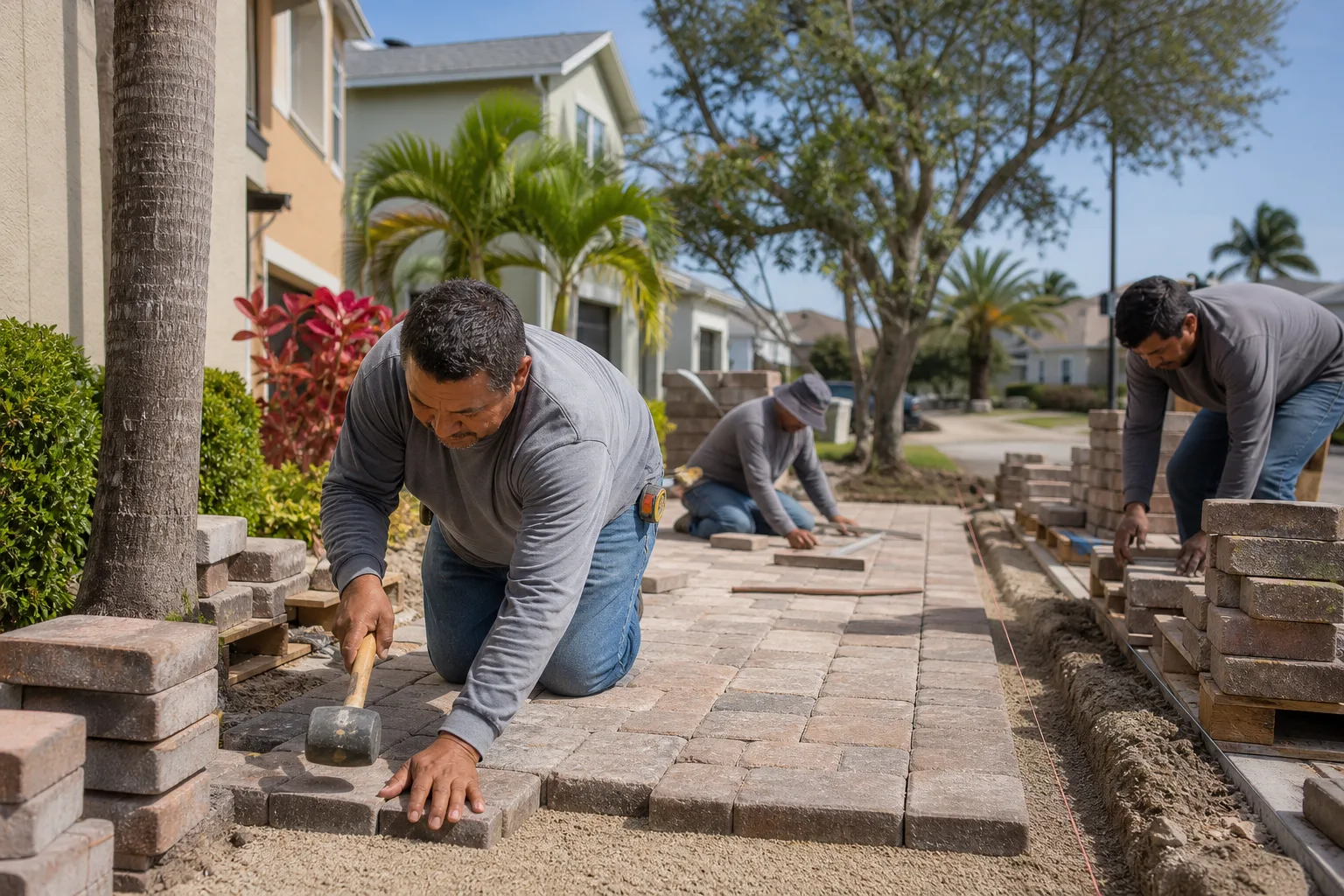
Joint sand is the most under-appreciated part of a paver driveway, and it’s where homeowner-detectable warning signs are easiest to spot. The sand in the joints does two jobs. It locks the pavers together so they act like one surface instead of a pile of loose bricks. And it’s the first line of defense against water getting into the base.
When joint sand is doing its job, the joints look full and stay full after rain. When it’s not:
- Joints look low or “sunken” between the pavers, not just after a storm but permanently.
- Sand washes out visibly in the rain, leaving a line of loose sand at the edge of the driveway or against the garage.
- Pavers wobble in the middle of a section, not just at the edges.
- The surface feels uneven to a broom or leaf blower. You’ll feel the pavers shift even if you can’t see it.
The correct fix for washing-out joint sand is polymeric joint sand installed correctly – sand that hardens and stays in place instead of washing away with every storm. Refilling with ordinary sand after every big rain in Aventura is a temporary patch, not a repair. If you’re re-sanding every rainy season, the joints have widened enough that the driveway needs a real evaluation, not another bag of sand. We’ve had homeowners tell us they “refill the joints every year” like it’s routine maintenance. It isn’t – architecturally, it’s a warning sign.
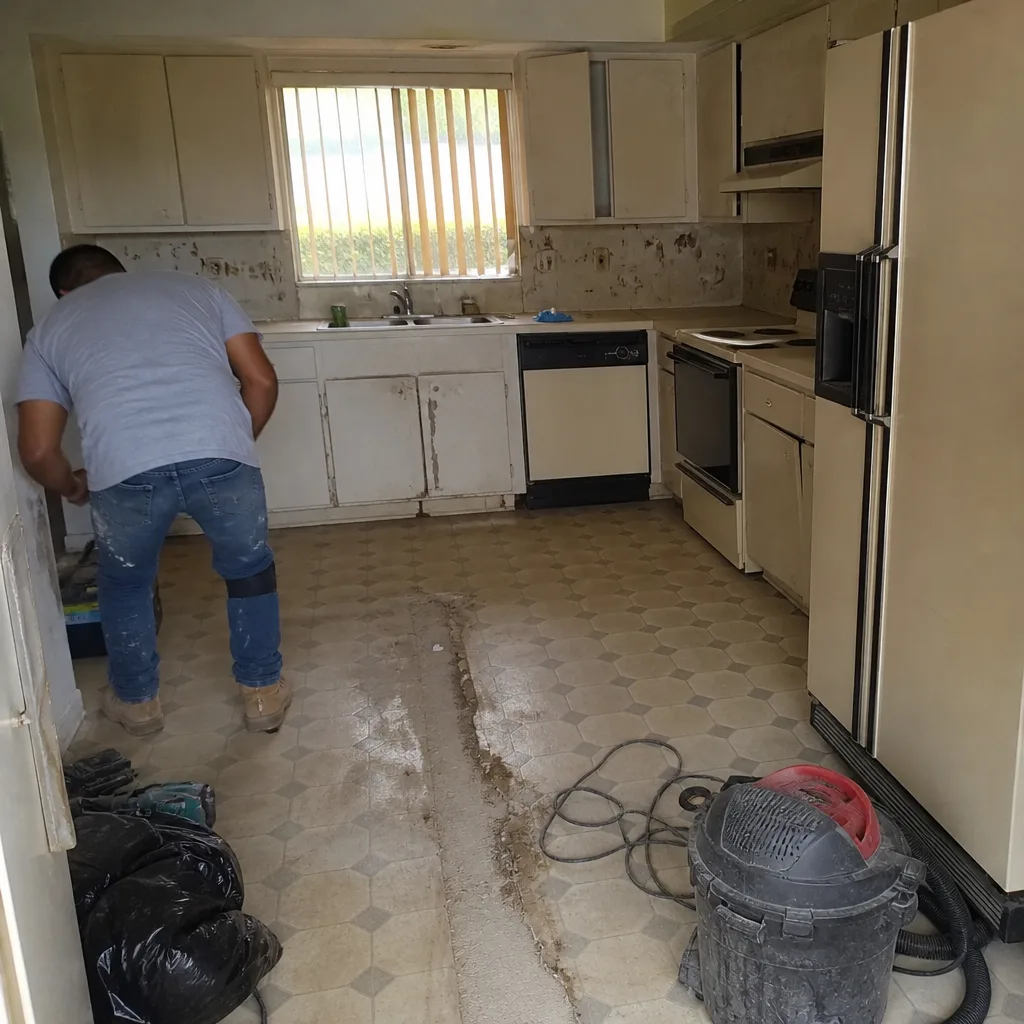
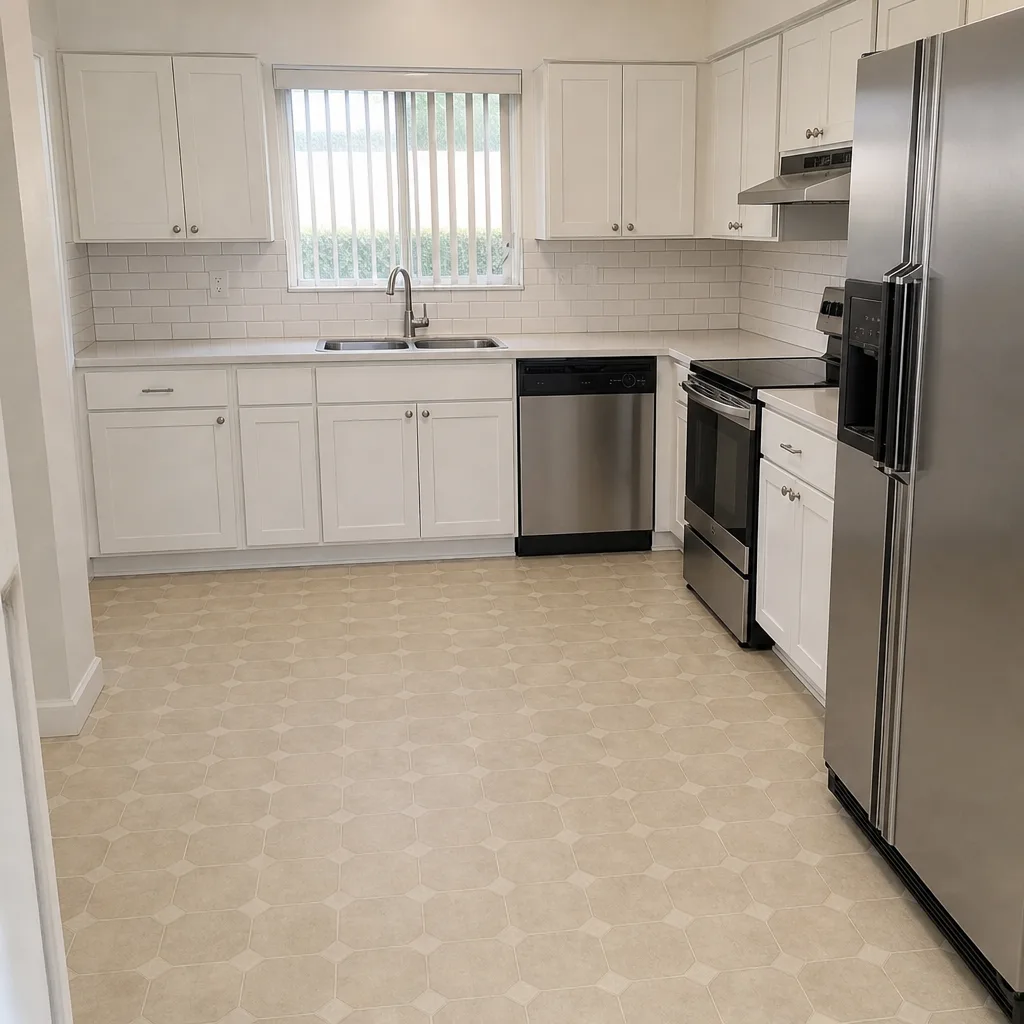
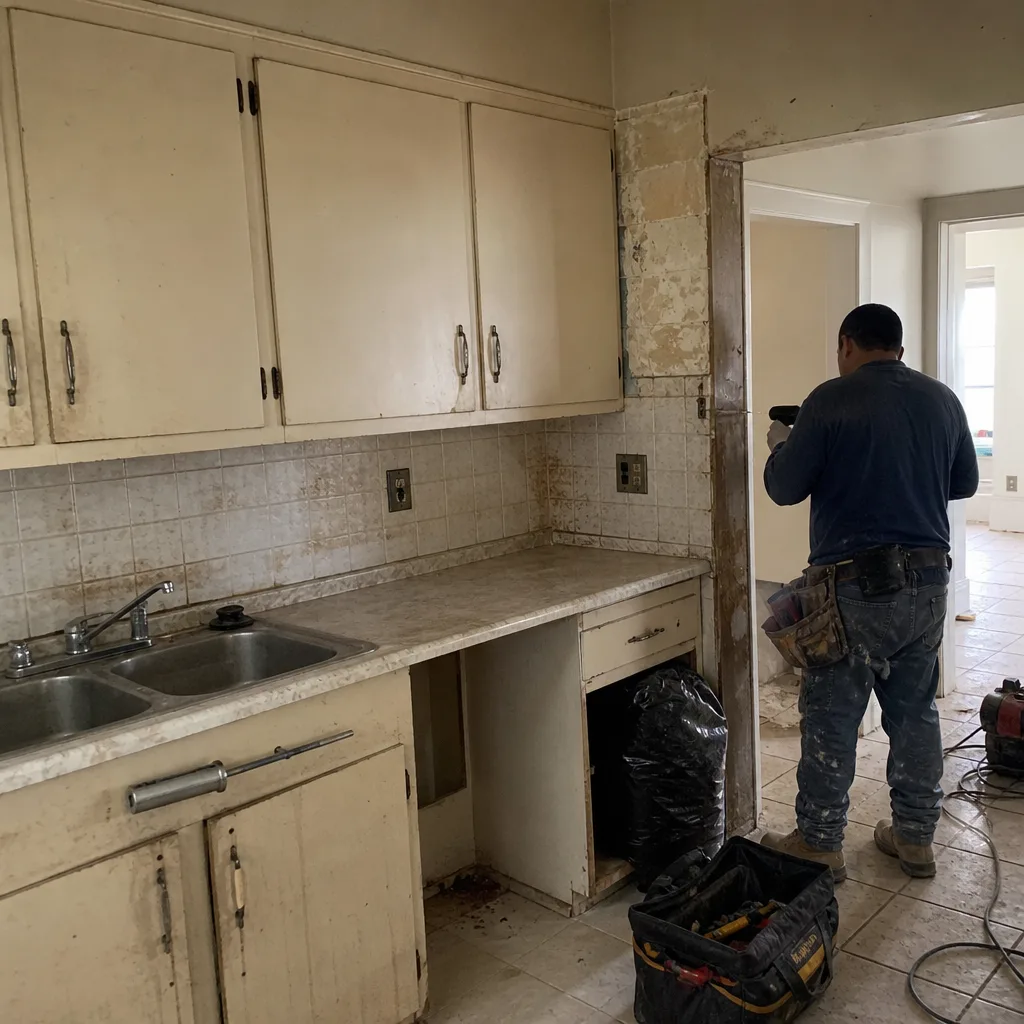
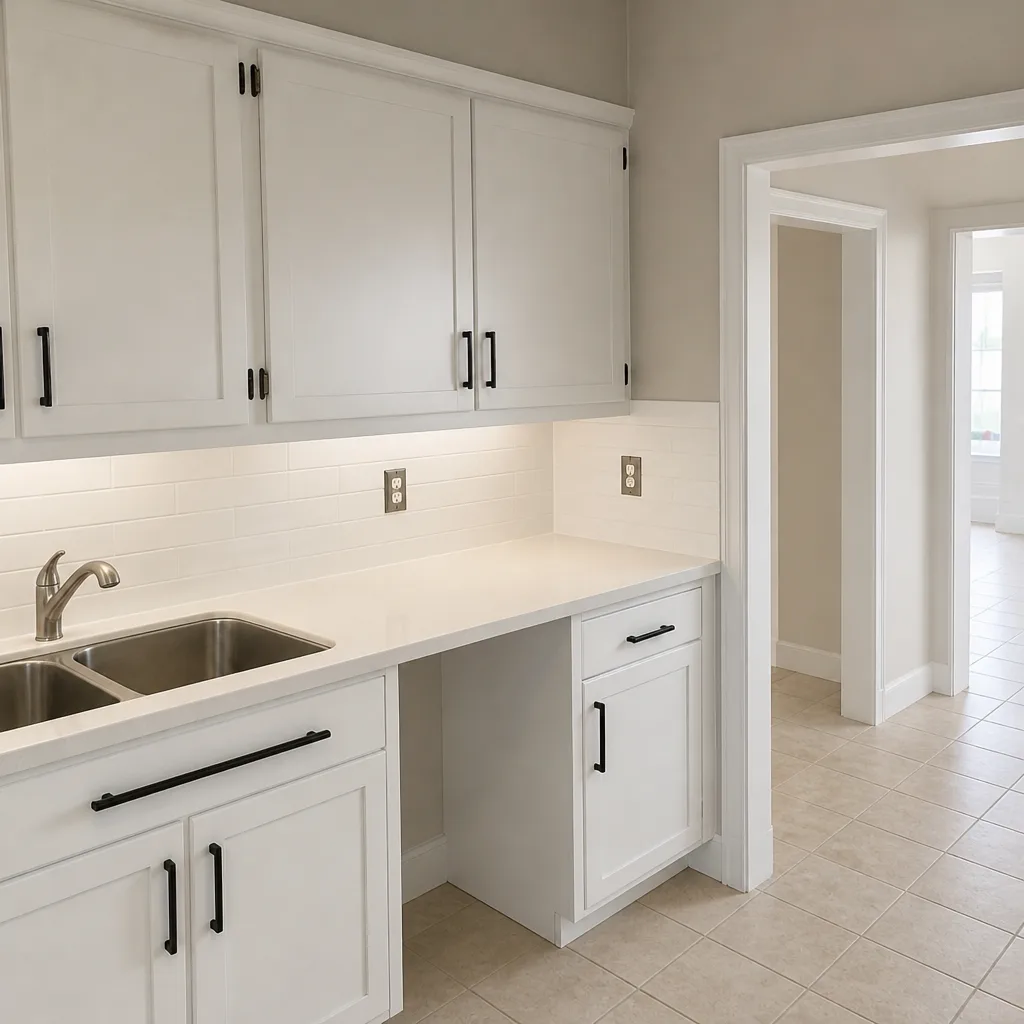
See the difference
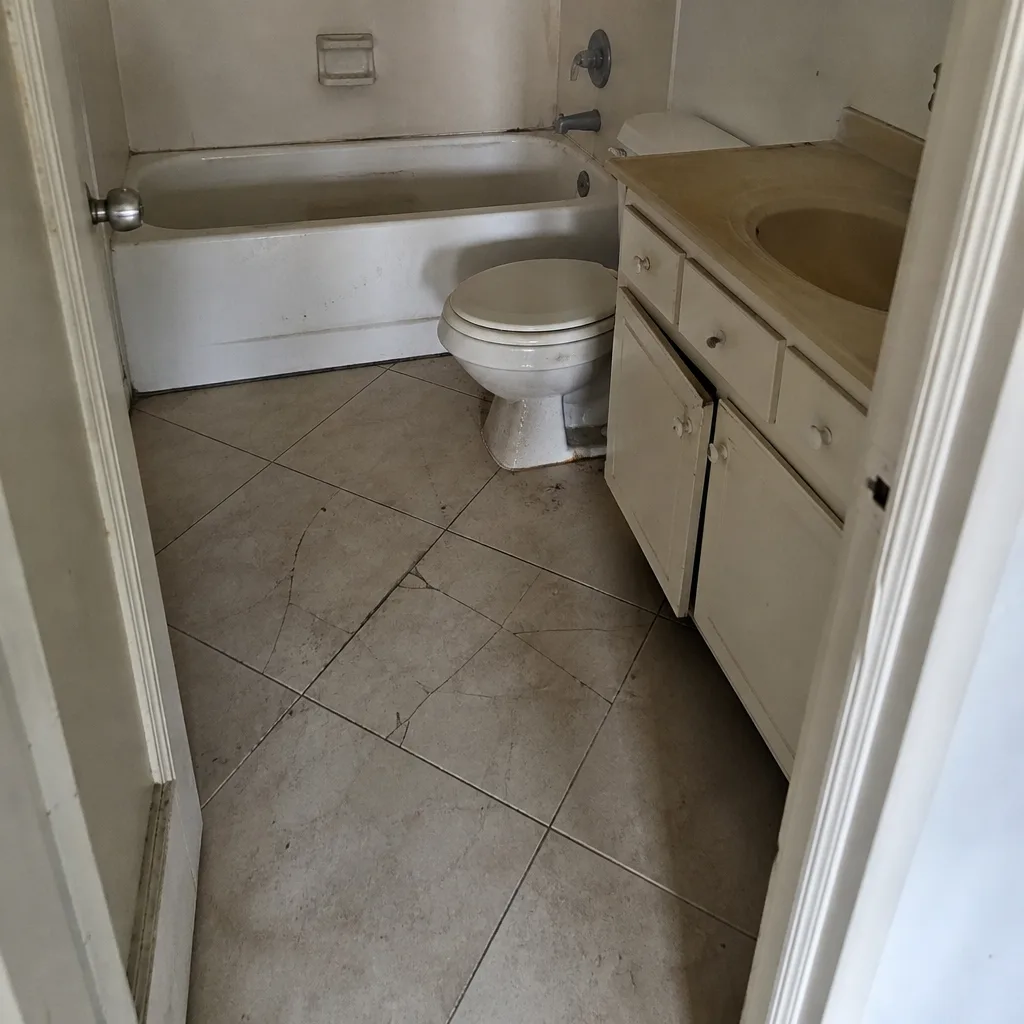 Before
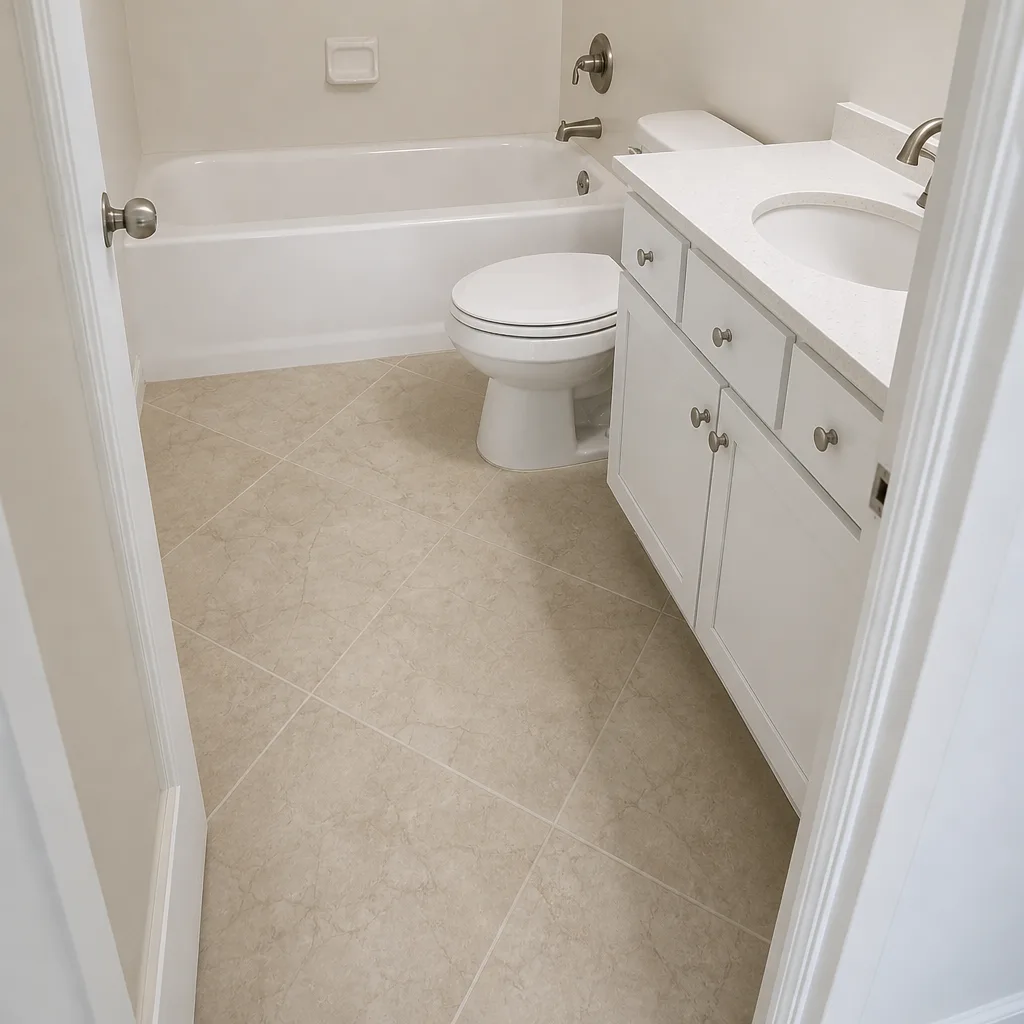 After
 Before
 After
 Before
 After
How Proper Drainage Prevents 90% of Paver Failures
Almost every warning sign in this guide has the same root cause: water moving through the driveway base when it should be moving off the surface. Solving the drainage problem early is almost always cheaper than solving the symptoms later. If you want to understand this aspect of the work in more depth, the Groundwork Construction Co. of Aventura home page outlines how we approach site drainage on every paver project.
Proper paver drainage has three components, and if any one is missing, the driveway has a problem:
- Pitch. The driveway should slope away from the house and toward a drainage point with a consistent grade. Small variations in pitch cause water to sit instead of drain. If you can see standing water in one spot for two days after rain, the pitch or a settlement dip is the cause.
- Base material. The compacted gravel base has to be the right depth and the right gradation for the soil beneath it. In Aventura, where the water table is high, the base depth and the drainage layer matter more than in a drier climate. A base that was designed for a different market shows its weakness in our rainy season.
- Edge restraint. The pavers have to be locked in place at every edge, or water gets beneath them. A restraint that’s loose, sunk, or missing lets the driveway come apart from the perimeter inward.
We tell homeowners in Aventura the same thing on every inspection: don’t fix the pavers, fix the water. If water sits somewhere it shouldn’t after a rainstorm, re-sanding, re-sealing, or replacing pavers won’t fix it. The drainage is where the work needs to happen, and it’s much less expensive than a full driveway rebuild.
Common Mistakes to Avoid
- Judging the driveway on a dry day. A paver driveway looks fine on a dry day even when the base is saturated. The 48-hour post-rain inspection is the one that tells you the truth.
- Re-sanding instead of investigating. Refilling joints every year is a symptom patch. If the joints widen again within a month, the underlying problem is a base or drainage failure.
- Assuming efflorescence is cosmetic. Efflorescence that keeps coming back in the same streaks means water is wicking through the pavers from below. That’s a base investigation, not a cleaning problem.
- Ignoring edge separation on a coastal Aventura property. Salt air deteriorates edge restraints faster here than inland. Separation at the perimeter is often a restraint failure, not just a paver problem.
- Replacing pavers over a bad base. We’ve inspected Aventura driveways where a previous contractor replaced the pavers without fixing the base. The new pavers failed within two rainy seasons. Always diagnose the cause before replacing the surface.
- Treating one rocking paver as a one-off. One rocking paver with no other signs is fine. One rocking paver plus edge separation plus joint widening is a base problem that’s already started.
- Waiting until it’s a trip hazard. A paver more than a half-inch out of level is a liability. The repair is always cheaper before the section has visibly settled.
If you’re already planning other exterior work this year, it’s worth reviewing the Fence Installation in Aventura guide too – fence posts and driveway edges share the same drainage logic, and doing both at once saves money and avoids overlapping tear-out. If your driveway is part of a larger project, it pays to plan it inside the Home Additions & ADU in Aventura scope from the start.
When to Call a Professional
Call a professional the moment any of the call-now thresholds in this guide apply: water pooling against the house, edge restraints lifting, trip hazards, or a section visibly sinking. Those point to drainage or base failures, and they don’t get better on their own. Call us when the patterns repeat – rocking pavers that return after re-sanding, joints that widen again, efflorescence streaks that won’t stop – because that’s the point where investigating now is much cheaper than rebuilding later. Groundwork Construction Co. of Aventura offers free estimates in Aventura and can inspect the driveway, the drainage, and the edges in one visit. Call (833) 716-6251 to schedule your free estimate. Every project comes with our 730-Day Done Right Promise, and we’ll tell you straight whether you need to monitor the driveway or repair it.
Frequently Asked Questions

A single rocking paver with no other signs is usually a minor repair – typically re-bedding the paver with fresh bedding sand. A rocking paver with joint widening, edge separation, or efflorescence is a warning sign of water in the base and needs a real inspection. Call (833) 716-6251 if you’re seeing the second pattern.
A correctly installed paver driveway with good drainage typically lasts 25 to 30 years in South Florida, but Aventura’s coastal salt air and heavy rainy season shorten the life of the edge restraints and joint sand, which are the components that fail first. Restraint replacement and re-sanding are routine in Aventura – assuming the base is sound. Call (833) 716-6251 to have someone look at your driveway before problems get past the surface.
White streaks on pavers are efflorescence – salt migrating up through the concrete as water evaporates. Small amounts are normal, especially in Aventura’s rainy season, and clean off easily. Efflorescence that keeps returning in the same pattern means water is constantly moving through the pavers from the base, which is a drainage warning sign. Call (833) 716-6251 for an inspection if you’re seeing it come back.
You can clean pavers, refill joint sand with polymeric sand, and reset a single rocking paver yourself. You should not attempt base repairs, drainage fixes, or edge restraint replacement yourself – those require knowing what the base looks like under the surface, and getting it wrong leads to the same failure next rainy season. Call (833) 716-6251 for an honest assessment of whether the work is DIY-appropriate or a professional repair.
The window between November and April is the most reliable for paver work in Aventura – it’s the dry season, so the base can be evaluated and compacted in dry conditions and repairs get a full rainy season to prove themselves. That said, if you see the call-now signs in this guide during the summer, don’t wait. Damage accelerates during rainy season, and the cost of delay is always bigger than the cost of repair. Call (833) 716-6251 to schedule an estimate in either season.
No – Groundwork Construction Co. of Aventura sticks to no-hassle upfront pricing, so the number you see is the number you pay. We give a written line-item quote after inspecting the driveway and drainage, and the price you approve is the price on the final invoice. Call (833) 716-6251 for a free estimate and a written quote before any work begins.
The Bottom Line
Paver driveway failures announce themselves 6 to 12 months before they get expensive, and the telling clues are almost always visible on the surface if you know what they mean. Watch for the five patterns – rocking, settlement lines, efflorescence streaks, edge separation, joint widening – and remember that edges and transitions are where water enters first. Inspect after rain, not before. If a sign repeats after a fix, that’s a base problem, not a surface problem. Get an expert pair of eyes on it early, because the difference between a $300 repair and a $4,000 rebuild is usually the six months before you called. Groundwork Construction Co. of Aventura has the outside eyes you need, and the honest answer on what to do next.
Groundwork Construction Co. of Aventura brings 12 years of technician experience on paver driveways, background-checked and uniformed crews, live-answer calls 24/7, and upfront pricing backed by the 730-Day Done Right Promise. We work with verified brand partners including Belgard so you’re choosing quality pavers, not just availability. Most residential driveway inspections take a single visit, and we can usually share an estimate the same day you call. Call (833) 716-6251 for a free project estimate and design consult on your Aventura driveway. If your driveway is part of a bigger remodel, ask us about our $1,000 off projects over $10,000 and 0% financing for 18 months.
Written by the team at Groundwork Construction Co. of Aventura.