Last updated November 18, 2026
Free written scope consultation - allowances, timeline, and change-order rules on paper before a single trade is scheduled
DIY vs Professional Driveway & Pavers: What’s Safe to Do Yourself
Laying pavers is learnable in a weekend. Building the base those pavers need to last 20 years in South Florida is not – and that distinction is where most DIY driveway projects go sideways. Homeowners in Aventura watch a few videos, rent a plate compactor, and lay a driveway that looks flawless in March. Then the summer rains hit, the subgrade shifts, and by the following season every paver over the bad section is rocking, settling, or holding a puddle. This guide walks through what you can genuinely handle yourself, what requires a licensed contractor, and the three variables that decide which camp your project falls into.
Styles & brands we work with
- Kitchen remodeling
- Bathroom remodeling
- Home additions & ADU
- Roofing
- Windows & doors
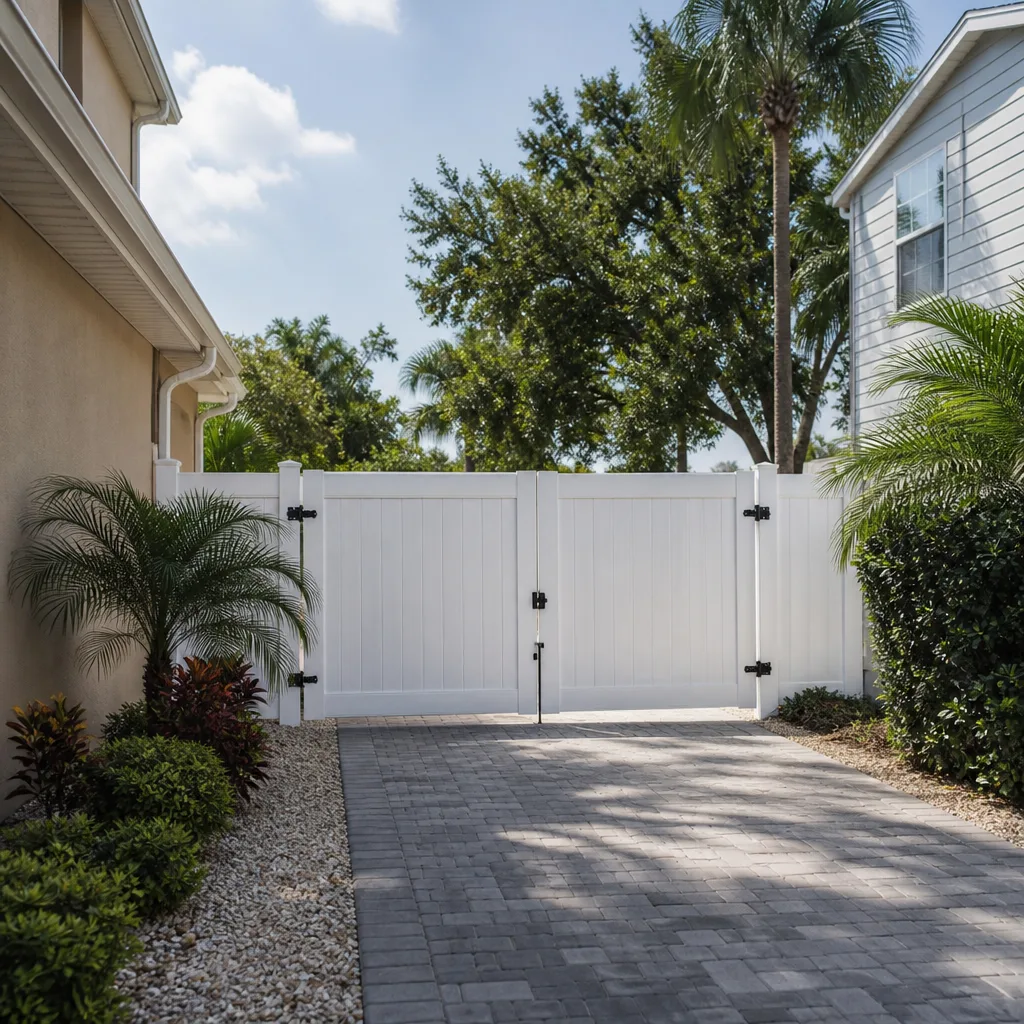
- Driveway & pavers
- Fence
Quick Answer
Most homeowners can safely handle small paver repairs, joint sand refresh, and routine sealing. Everything that depends on base preparation – new driveway installation, full replacements, anything over a few hundred square feet, anything near a slope or drainage swale, and anything a vehicle will park on – is contractor territory. The base is where the money lives, and the base is where DIY projects fail. If you have a vehicle-count driveway in Aventura and the job requires excavation, grading, and compaction, hire a licensed professional.
Table of Contents
- Why the Base Is the Whole Ballgame
- The Base Preparation Steps That Break DIY Projects
- What You Can Safely Do Yourself
- Florida Permits and Aventura Code: What Triggers an Inspection
- The Unpermitted Work Problem at Resale
- Real Cost Comparison: Materials vs. Labor vs. Remediation
- How to Evaluate Your Project’s Risk in Three Variables
- Doing the Homework Before You Decide
Why the Base Is the Whole Ballgame
Pavers are a surface. The base is a structural system. A residential driveway in Aventura carries roughly 4,000 to 6,000 pounds per vehicle – and that load doesn’t press down evenly. It concentrates on contact patches the size of a palm print, gets amplified through wet subgrade during the rainy season, and repeats thousands of times a year. A properly built paver base absorbs that. A weekend-built base does not.
Here’s the part most DIY guides skip: South Florida’s subgrade is not a stable platform. We’re working over sandy soils, high water tables, and hurricane-season saturation that changes the compaction characteristics of a subgrade from one week to the next. What compacted solid in February can lose density after a July storm cycle. In Brickell and most of Miami-Dade, the soil drains reasonably. In low-lying pockets of Aventura and Sunny Isles, water tables can sit within 18 inches of grade during the wet months, which means the base detail has to be designed around drainage, not just compaction.
When a base fails, the pavers above it telegraph every problem. You get rocking stones, joint sand washing out, differential settlement, and standing water that grows algae and creates a slip hazard. The pavers themselves are usually fine. They just don’t have anything solid to sit on.
That’s why the DIY driveway pavers vs hire contractor question isn’t really about whether you can lay pavers. It’s about whether you can excavate, grade, and compact a base to spec – and whether the specs on your specific lot even work for a driveway. For a broader look at what professional paver installation involves, our Driveway & Pavers in Aventura page covers the full scope.
The Base Preparation Steps That Break DIY Projects
Professional base prep for a paver driveway runs four to six steps, and each one has a failure mode that doesn’t show up for months. Here’s what actually happens on a job site, and why a homeowner with a rented plate compactor usually can’t replicate it.
- Excavation to design depth. A typical vehicle driveway needs 6 to 8 inches of compacted base material below the paver bed. That means excavating 10 to 12 inches total. Hand-digging that across a 600-square-foot driveway is roughly 20 to 25 cubic yards of material – over 30 tons excavated, hauled, and disposed of. Most Aventura lots don’t have room to stage that spoil pile, and Miami-Dade charges disposal fees.
- Subgrade evaluation and proof rolling. Before any base goes down, the exposed subgrade gets proof-rolled with a heavy roller to identify soft spots. Undetected soft spots become future settlement. This step alone is where weekend projects fall apart because the homeowner has no way to read the subgrade without experience.
- Layered compaction. Base material goes in lifts – typically 2 to 4 inches at a time – with each lift compacted to 95% or higher Standard Proctor density. You cannot compact 8 inches of base in one pass. You compact it in layers, test density, and repeat. A rented plate compactor (usually 150 to 300 pounds of force) doesn’t achieve the same density as a commercial vibratory roller (1,500 to 4,000 pounds or more) and it takes many more passes to approach spec.
- Drainage grading. The base must slope at 1.5% to 2% away from structures, and the slope has to be consistent across the entire surface. A 2% slope sounds trivial; on a 20-foot run it’s a 4.8-inch drop. Get the grading wrong and water pools against the garage, floods the paver joints, and undermines the base from below.
- Bedding layer. A 1-inch bedding sand layer sits between base and pavers. Too thick and it shifts; too thin and pavers don’t seat. This layer is not forgiving.
- Edge restraint and joint sand. The perimeter restraint keeps the whole field from spreading under load. On a driveway, spreading pavers on the outside edge is the classic sign of a missing or underbuilt edge restraint.
Each step sounds simple on its own. The problem is the compounding – a 10% compaction shortfall in the base doesn’t cause a 10% faster failure. It causes a failure that shows up two or three summers later and requires tearing out and rebuilding the affected sections. We’ve seen this pattern repeatedly around Aventura and Hallandale Beach: a paver driveway looks beautiful for a year, then the summer rains do what they do and the failures show up.
And no, renting a bigger compactor isn’t a clean fix. Rental yards do have walk-behind rollers, but the learning curve on achieving uniform spec-density across a graded surface takes contractors years to develop. In our experience, matching lift thickness to equipment, reading moisture content in the base material, and knowing when a pass is actually working are experience calls, not YouTube calls.
What You Can Safely Do Yourself
Not every driveway task requires a licensed contractor. There are real categories of work where a motivated homeowner can save money without creating risk. Here’s the honest list.
- Joint sand refresh. Over time, joint sand washes out and weeds take hold. Refreshing it is straightforward: sweep polymeric sand into the joints on a dry day, tamp it in with a hand tamper, and mist lightly. Do it before the wet season in Aventura, ideally in March or April, so it sets before the afternoon storms arrive.
- Small paver repairs. One or two isolated cracked, chipped, or displaced pavers can be lifted, the bedding sand touched up, and the paver reset. Keep a few spare pavers from the original install stored in the garage – this single step saves more money than almost any other homeowner habit.
- Routine cleaning. Pressure washing at moderate pressure (under 2,000 PSI, with a surface cleaner attachment to avoid etching) is fine. High pressure blasts joint sand out and can spall the paver face.
- Sealing. Penetrating sealers applied after a full dry cycle are a genuine homeowner project – one 5-gallon bucket, a roller, and a weekend. Do not use film-forming sealers in South Florida; they trap moisture and can discolor under UV.
- Weed management. Hand-pulling or targeted spot treatment in the joints. Simple and effective.
- Drainage visual checks. After a heavy rain, walk the driveway and take photos of any standing water. This is diagnostics, not repairs, but it tells you when to bring in an expert.
What’s not on that list: any work that opens the base, changes the grade, introduces slopes, or involves excavation. That’s the dividing line.
Florida Permits and Aventura Code: What Triggers an Inspection
Driveway work in Aventura is not permit-free, and the rules vary based on scope. Here’s the honest landscape.
Full driveway replacement or new installation typically requires a permit from the City of Aventura Building Department, especially where the work affects the right-of-way, connects to a swale, or crosses a property line drainage easement. The permit and inspection process exists because the driveway is part of the drainage system that serves the neighborhood – if your driveway grading pushes water onto a neighbor’s lot or into the swale incorrectly, that’s a code issue, not just a construction issue.
Repairs and resurfacing that don’t alter the grade, drainage, or footprint usually don’t need a permit. Replacing 10 pavers is maintenance. Replacing 1,000 square feet is a construction permit.
Right-of-way work – anything touching the public sidewalk, the driveway apron between the curb and the property line – is the strictest category. Aventura’s engineering standards govern apron slopes, drainage swales, and driveway widths, and the city inspects them because that surface belongs to the public infrastructure network.
If you’re considering a professional project and want to know what your specific situation needs, ask directly. A licensed contractor handles the permit process as part of the job, including the site plan, the drainage calculations where needed, and the inspection coordination. The Home Additions & ADU in Aventura page covers how we handle permitting on larger scopes, and the same process discipline applies to a full driveway replacement.
The Unpermitted Work Problem at Resale
This is the part of the DIY driveway story that doesn’t show up until you list the house, and it’s the single biggest reason unpermitted paver driveways cause real financial damage. Miami-Dade County property appraisers keep records of permitted improvements, and title companies run permit searches as part of every residential sale. When a buyer’s title company sees a new driveway that has no permit on record – or worse, sees an open permit that was never closed out with a final inspection – the deal stalls.
Here’s the sequence that usually plays out. Buyer’s agent requests the permit history. Title reveals the anomaly. The lender flags the property as having unpermitted improvements. The buyer’s inspector notes the driveway has no documented final inspection and recommends remediation. The seller has to either (a) pay for a retroactive permit and inspection, (b) credit the buyer for potential remediation, or (c) watch the buyer walk.
In Aventura specifically, purchasers of higher-end homes run more thorough due diligence than the average Florida market. Buyers in the $80K to $200K+ household income range – the segment that dominates Aventura’s single-family and townhome inventory – tend to use title companies that catch these issues, and their attorneys know exactly what to ask for. The remediation cost isn’t just the permit. It’s the delay, the negotiation, the credit, and sometimes the cost of opening a finished driveway to inspect what’s underneath.
The cheap way out of this problem is to do it right the first time. A contractor-provided permit, inspections, and a final sign-off become a clean record that shows up in the title search as a properly documented improvement. That’s an asset, not a liability.
Real Cost Comparison: Materials vs. Labor vs. Remediation
Most DIY article cost comparisons stop at materials and labor. That’s the wrong math, because it ignores the failure case. Here’s the fuller picture, with typical ranges for the Aventura market.
Option A: DIY Installation (with Base)
- Pavers (concrete, mid-grade): $3.50 to $6.50 per square foot material
- Base material, bedding sand, joint sand: $1.50 to $2.50 per square foot
- Plate compactor rental, excavator rental, dumpster: $800 to $1,800 per project
- Permit, if obtained by a homeowner: filing time, plus city fees that vary by scope
- Labor: your weekends, typically 3 to 6 for a 600 sq ft driveway with proper base
- Ballpark all-in: $3,500 to $6,500 for a 600 sq ft driveway before any failure
Option B: Professional Installation
- Full-scope professional installation (base, pavers, restraint, joint sand, permit): typically 2 to 3.5 times DIY material cost depending on paver grade and site conditions, with a written line-item quote and a workmanship warranty that covers base failure
- Example pavers like Belgard’s structural slab pavers or similar rated for vehicular load: priced per project scope, quoted up front in writing
- Permit, inspections, disposal, and compaction to spec: included in the quote, not billed separately
Option C: DIY Failure Followed by Remediation
- Removal of failed pavers, bedding, and base: $2.00 to $4.00 per square foot labor, plus disposal
- Rebuild of failed sections with proper base: same as professional install cost, on top of what you already spent
- Retroactive permitting and inspection, if the project triggered a permit requirement: additional cost
- Potential resale credit or delay: negotiable, but commonly 2 to 5% of the property’s sale price when it kills a deal
- Premature replacement of full driveway if the failure was systemic: full install cost, again
Run those numbers honestly and the comparison changes. DIY saves real money when it works. When the base fails, you don’t save – you pay twice. And unlike most home projects where you can patch and move on, a failed paver driveway is harder to fix than it would have been to build correctly from scratch, because remediation means demo plus rebuild on top of what you already spent.
Financing terms matter here too. We offer 0% financing for 18 months and $1,000 off projects over $10,000, which shifts the comparison for larger driveways – a 1,200 sq ft driveway that would have been a stretch as a cash DIY project becomes a financed professional install at a manageable monthly figure, with a documented warranty behind it.
How to Evaluate Your Project’s Risk in Three Variables
Not every driveway in Aventura is the same risk level. Here are the three variables that determine whether DIY is a reasonable bet for your specific project.
1. Square Footage
Under 100 square feet (a small walkway, a landing pad): DIY is defensible if you accept the risk. Over 300 square feet that will carry vehicles: professional territory. The reason isn’t the paver-laying itself; it’s that excavation, haul-off, and compaction scale linearly with square footage while the DIY skills don’t improve. A 300 sq ft driveway that fails costs less than a 1,000 sq ft driveway that fails, but they both fail for the same underlying reason.
2. Drainage Complexity
A flat, well-drained lot with a simple slope away from the house is a low-risk drainage situation. Anything involving a swale, a shared drainage easement, low grade relative to the neighbor’s property, or a surface that pitches toward the structure is high complexity. Aventura’s older single-family neighborhoods and its waterfront properties both tend toward higher drainage complexity than the typical Florida lot. If you’re not sure how your lot drains, run a hose for 20 minutes and watch where the water goes. If it pools or runs toward the house, DIY is the wrong call.
3. Vehicle Load
A single passenger car (3,500 to 4,500 lbs) is a moderate load. An SUV, a pickup, or a driveway that hosts two vehicles simultaneously is a higher load. An RV, a boat trailer, or any lifted vehicle is a much higher load that requires thicker base sections. If your driveway hosts boats or RVs even occasionally, the base depth needed jumps significantly and DIY is not realistic without commercial equipment.
Score the three: low square footage + simple drainage + single light vehicle = DIY is a defensible choice. Any one variable landing in “high” tips the equation toward professional. Two high variables and it’s not even close.
Doing the Homework Before You Decide
If you’re seriously weighing the two paths, here’s the sequence that prevents expensive regrets.
- Walk your lot after a heavy rain. Note where water stands, where it runs, and where it drains. Photograph it. This tells you more about your drainage situation than any amount of reading.
- Measure the actual square footage of the driveway area – not the driving surface only, but the full paved area including aprons and turnarounds.
- Call Aventura’s Building Department and ask, for your specific address, whether a driveway replacement requires a permit and, if so, what the inspection steps are. Get this in writing over email if they’ll do it. This single step prevents most permit surprises.
- Get at least two professional quotes with line-item pricing, even if you end up doing the work yourself. A written line-item quote tells you what the professional actually includes – base depth, compaction method, edge restraint, permit, disposal – and gives you a benchmark for what a “cheap” quote might be missing.
- Ask about the warranty on any professional quote. A driveway that fails from a base problem is a workmanship issue, and the warranty should cover it. That warranty is the single biggest difference between a professional install and the best DIY effort – it transfers the risk.
- Decide with the three-variable screen above. If you land on “professional,” rest easy – you’re not paying for paver-laying, you’re paying for base risk transfer.
If part of your project also involves the perimeter of the property, our Fence Installation in Aventura page covers how we handle adjacent hardscape coordination. For a broader view of the full-service scope, start at the Groundwork Construction Co. of Aventura home page.
Common Mistakes to Avoid
- Skipping the proof roll. Homeowners rarely test the subgrade before adding base – soft spots stay hidden under fresh material and telegraph up as settlement six months later. A five-minute proof roll with the right equipment would have caught it.
- Treating one lift as the whole base. Compaction only works in 2 to 4 inch lifts. A homeowner who dumps 8 inches and runs a plate compactor over the top has compacted the top inch and left the rest loose.
- Ignoring the swale. Aventura has drainage swales in many neighborhoods, and filling one – even by accident during a paver expansion – can flood a neighbor’s lot and trigger code enforcement. Any driveway work near a swale needs to preserve the swale’s function.
- Picking pavers by look, not by load rating. Standard pavers rated for patios aren’t rated for vehicles. A driveway requires paving stones rated for vehicular traffic, with thicker sections and higher compressive strength. Belgard’s structural pavers are one of the lines we specify for precisely this reason.
- Skipping edge restraint. Pavers spread under vehicle load without proper edge restraint. This is one of the most common failure patterns on DIY driveways because the restraint is the “boring” part that homeowners skip.
- Sealing too early. New pavers need to cure and the base needs to stabilize before sealing. Sealing in the first 30 to 60 days – especially in Aventura’s humidity – can trap moisture and cause efflorescence.
- Not documenting. Whether you go DIY (with permit) or professional, keep every document. Photos of the base, compaction notes, permit records, warranty paperwork. All of it becomes an asset at resale, and its absence becomes a liability.
When to Call a Professional
Call a professional if any of the following is true: your project involves a full driveway replacement or new installation, the affected area is more than a few hundred square feet, vehicles will park on it, your lot has any drainage complexity, or your home is in Aventura and you care about the resale record. Call a professional if the word “excavation” appears in your project plan. Call a professional if you’re not certain whether the work requires a permit, because the answer usually is yes and figuring it out retroactively is more expensive. Groundwork Construction Co. of Aventura offers free estimates in Aventura – call (833) 716-6251. We give written line-item quotes, we pull the permits, we carry the 730-Day Done Right Promise on every install, and we answer the phone with a live person 24/7 so you can ask questions before committing to anything.
Frequently Asked Questions
Legally, yes for small repairs and maintenance – but a full new paver driveway installation in Aventura typically requires a permit, and the base preparation and compaction steps require commercial equipment most homeowners don’t have. Realistically, a homeowner can handle repair, resealing, and joint sand refresh, but a new install over 300 square feet that carries vehicles needs a licensed contractor.
A professionally installed paver driveway in Aventura typically runs 2 to 3.5 times the DIY material cost once base prep, permit, compaction, and disposal are included, with total project pricing varying by paver grade and site complexity. Call (833) 716-6251 for an exact written quote – estimates are free, and we include the permit and compaction costs in the line-item so nothing surprises you later.
Unpermitted structural improvements can complicate both. Insurers may decline to cover damage from unpermitted work, and Miami-Dade title searches catch unpermitted driveway installations, which stalls closings and forces seller credits or retroactive permitting. Documentation and inspections are the fix, and they only come from doing the work permitted.
The mechanical risk is low compared to electrical or roofing work – you’re not going to shock yourself or fall from a height. The financial risk is high because the base failure case is expensive to remediate. If you have a full replacement in the plans, the risk isn’t injury; it’s a $15,000 to $30,000 mistake that requires tearing out what you built.
No. Repair and maintenance of a handful of pavers that doesn’t alter grade, drainage, or footprint is generally permit-exempt. The permit line is drawn at scope: a full replacement or new installation triggers a permit, but swapping 10 pavers does not. When in doubt, call Aventura’s Building Department with your address and describe the scope.
Twenty to thirty years is reasonable with proper base prep, quality pavers, and periodic joint sand refresh. The failure points in that range are almost always base-related, not paver-material related. That’s another argument for professional installation: the long-term performance depends on what’s under the pavers, and that’s the part you can’t see to fix later.
The Bottom Line
Laying pavers is a learnable skill. Building a base that survives 20 years of Aventura’s summer rain and daily vehicle load is not – it requires commercial equipment, compaction discipline, drainage grading, and a permit process most homeowners underestimate. Do your own joint sand refresh, small repairs, resealing, and cleaning. Bring in a licensed professional for anything that opens the base, changes the grade, or involves more than a few hundred square feet of vehicle-bearing surface. The DIY savings are real, but so is the failure cost, and in a market where every driveway appears in a title search, the documentation and warranty that come with a professional install are worth more than the price difference. Groundwork Construction Co. of Aventura gives free written estimates, pulls the permits, and backs the work with the 730-Day Done Right Promise. Call (833) 716-6251 to schedule your free estimate before you commit to either path.
Written by the team at Groundwork Construction Co. of Aventura.
See the difference
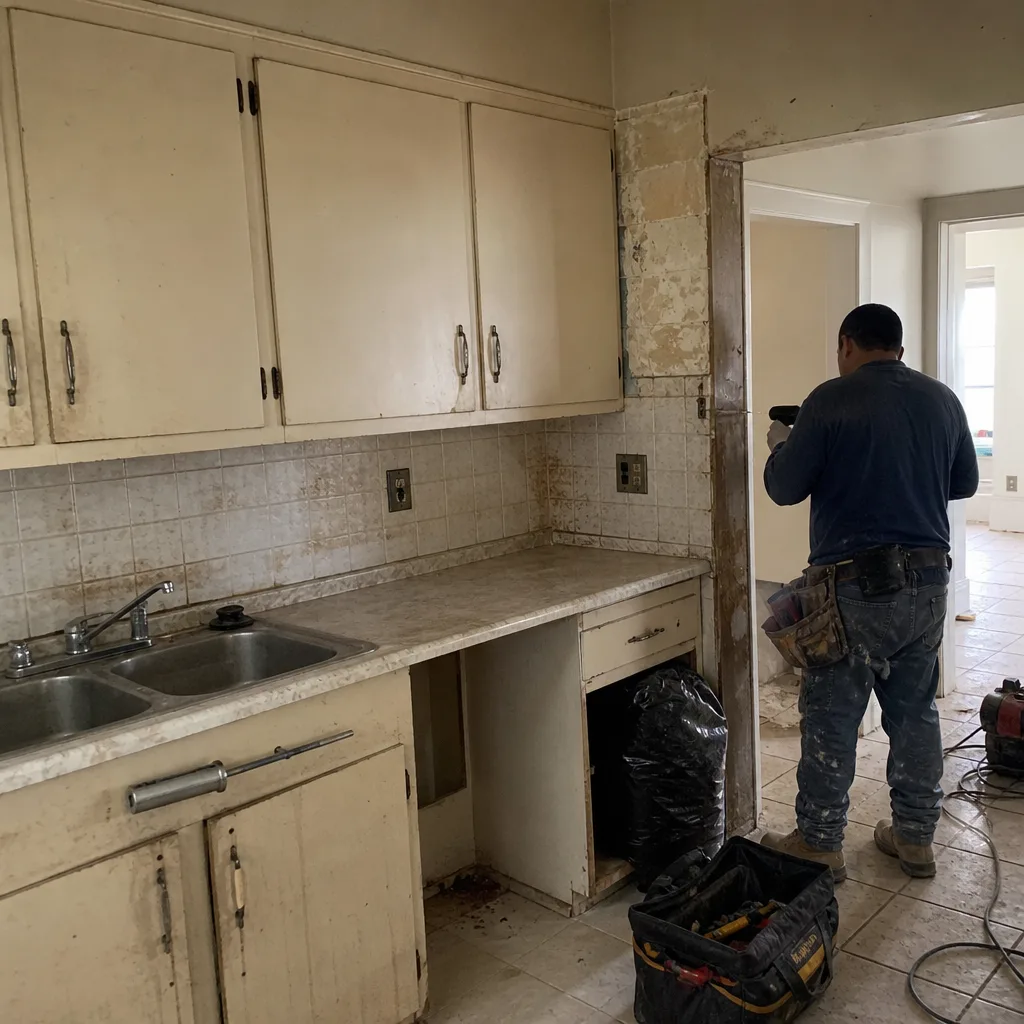
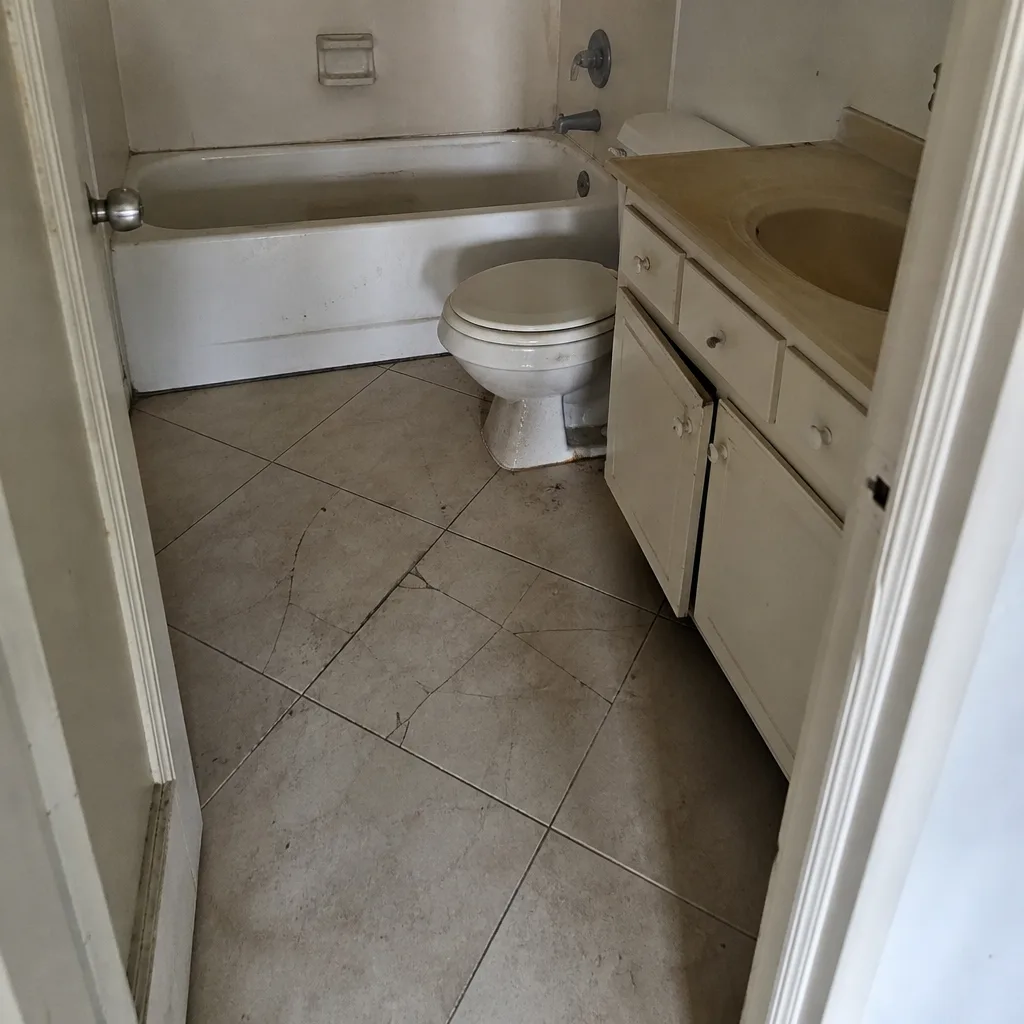 Before
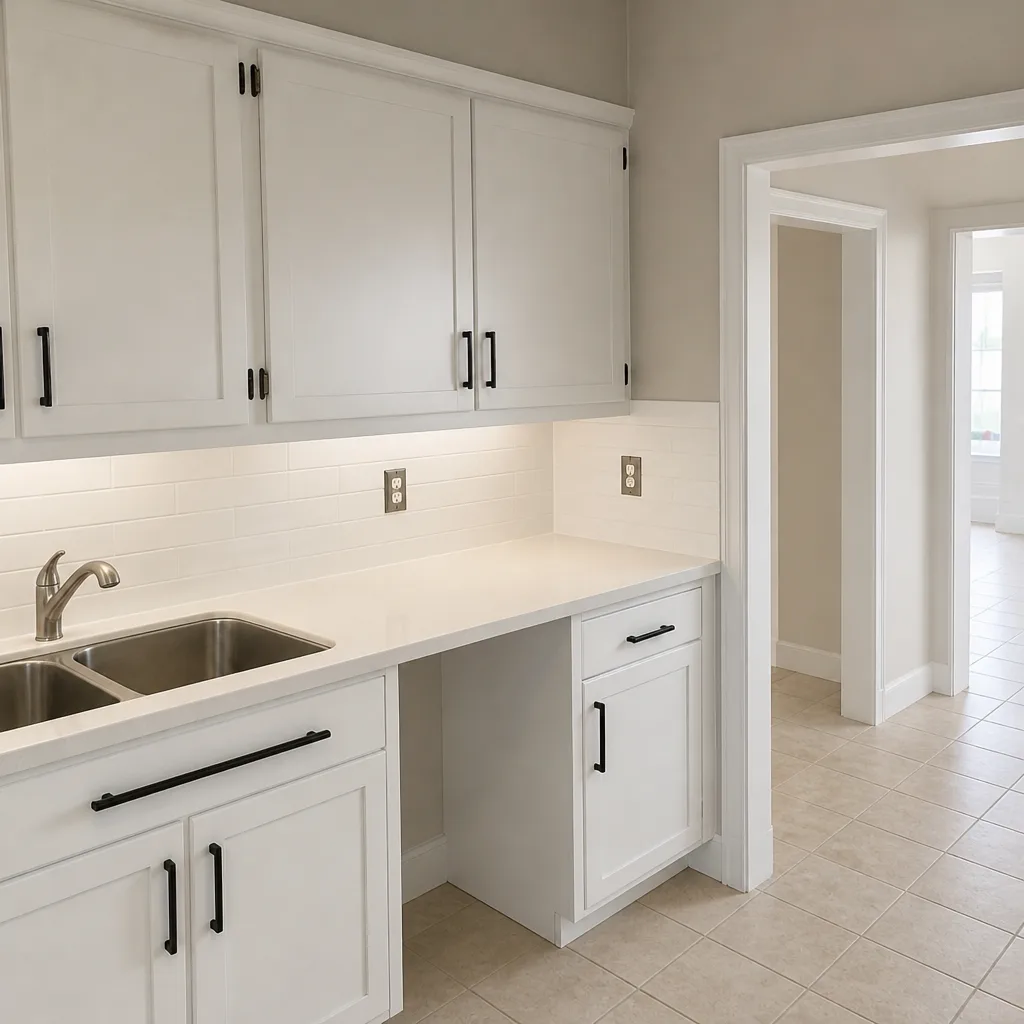
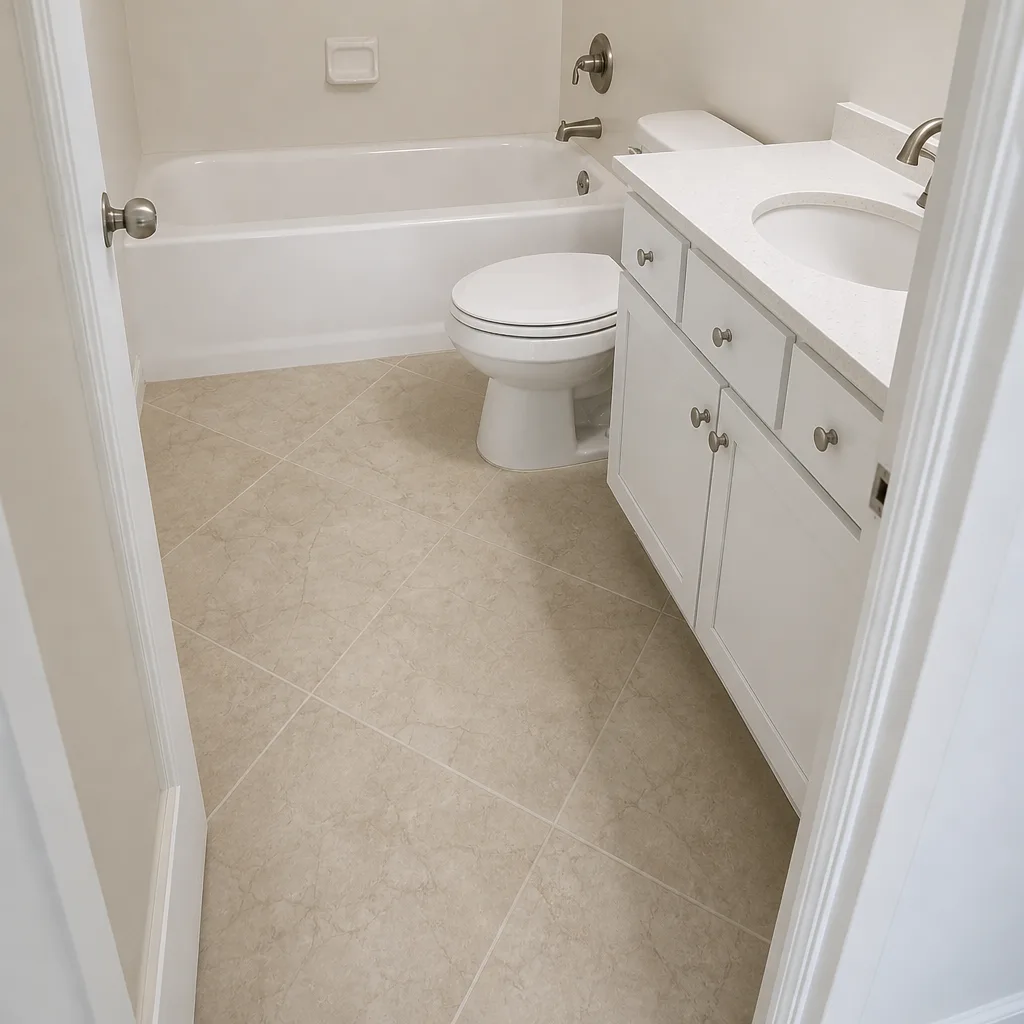 After
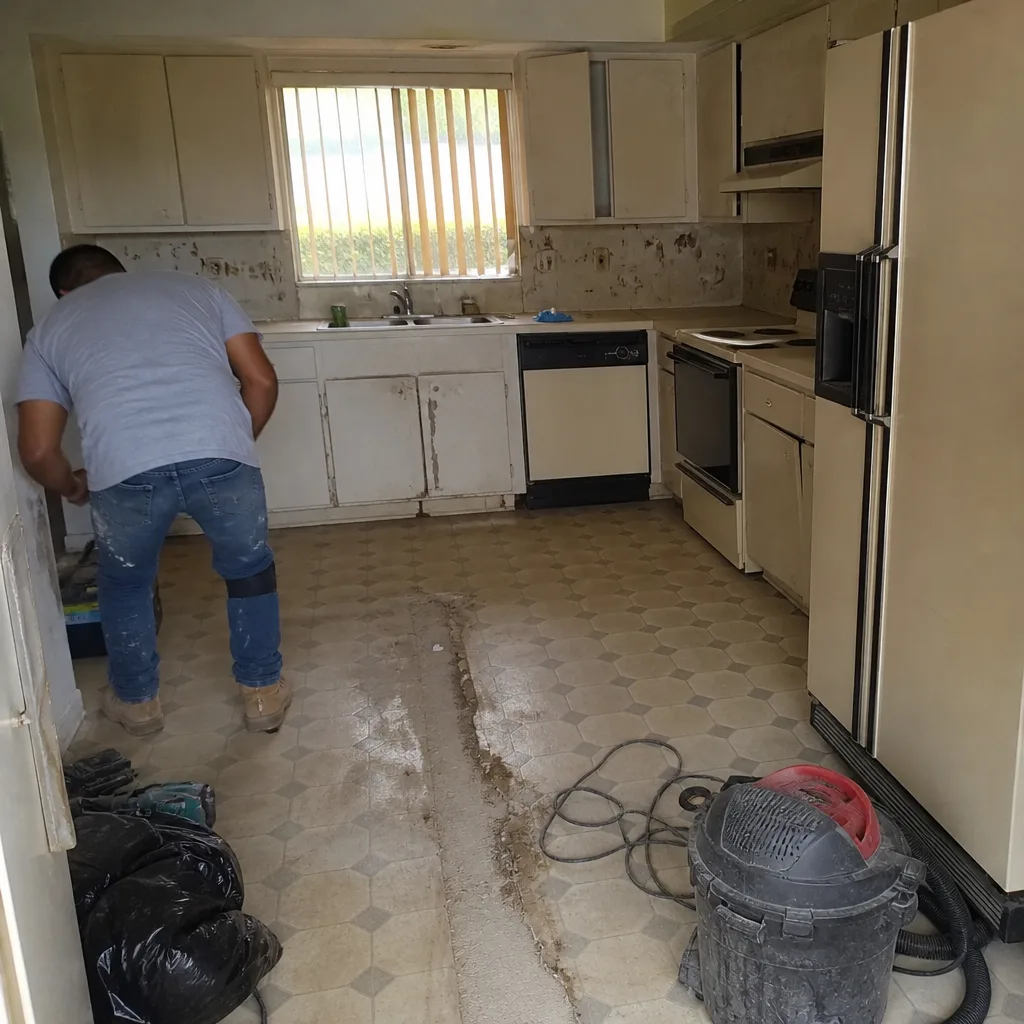 Before
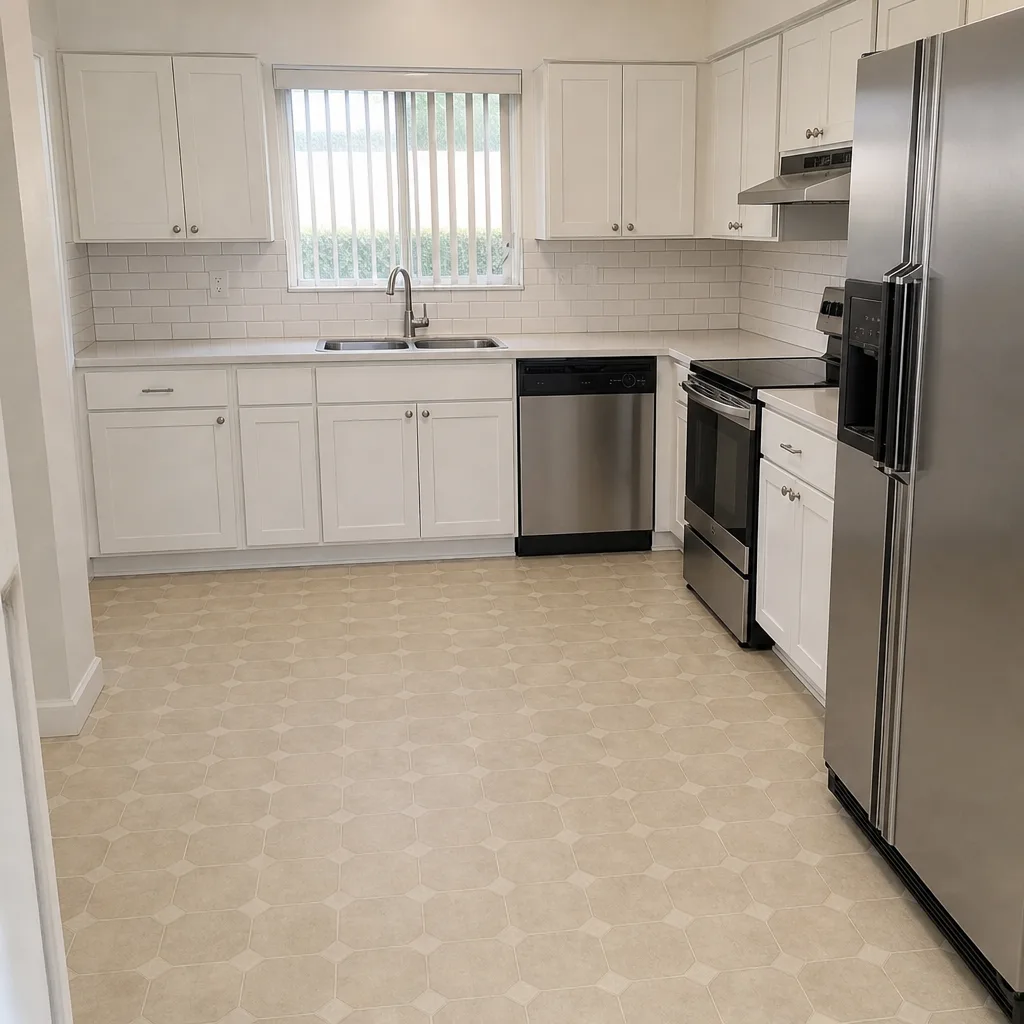 After
 Before
 After