Last updated November 18, 2026

Free written scope consultation - allowances, timeline, and change-order rules on paper before a single trade is scheduled
Driveway & Pavers Maintenance Checklist for Aventura Homeowners
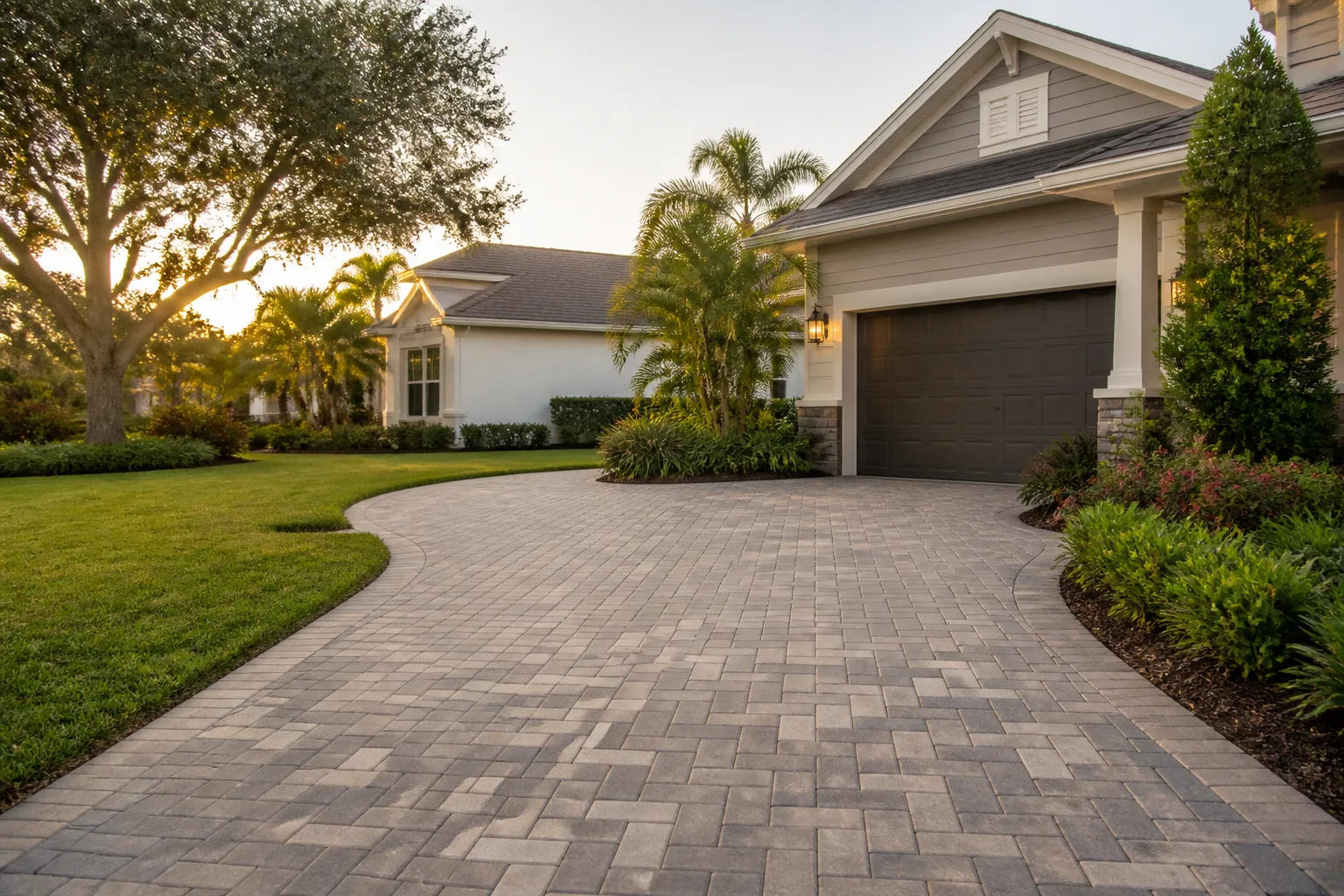
A paver driveway that looked perfect at installation can show joint erosion, chalky white haze, and surface pitting within 18 months in Aventura if the sealer spec wasn’t chosen for coastal humidity. That timeline surprises people. It shouldn’t. Salt air, irrigation overspray, and South Florida’s UV load attack polymeric sand and sealers on a schedule that most generic maintenance guides completely ignore. This checklist is built around that enemy list: what fails here, when it fails, and the exact months to act. You’ll get a season-by-season calendar, the irrigation fix that saves thousands in re-sanding, and straight answers on when re-sanding stops working and full joint replacement becomes the cheaper path.
Quick Answer
Aventura paver driveways need inspection and joint-sand top-ups every 6 to 12 months, a full re-sand every 2 to 4 years, and resealing every 2 to 3 years with a breathable, penetrating sealer rated for coastal humidity. The two biggest failure drivers are irrigation overspray hitting the joints and efflorescence from salt air, and both are preventable with the checks in this guide. Pressure washing should happen no more than once or twice a year, at low PSI with the right nozzle, or it does more harm than the dirt it removes.
Styles & brands we work with
- Kitchen remodeling
- Bathroom remodeling
- Home additions & ADU
- Roofing
- Windows & doors
- Driveway & pavers
- Fence
Table of Contents
- Why Aventura Driveways Fail Faster Than You Expect
- The Aventura Month-by-Month Maintenance Calendar
- Irrigation Overspray: The Silent Killer of Polymeric Sand
- Salt Air and Efflorescence: Identify It, Treat It, Seal It Right
- Re-Sanding vs. Full Joint Replacement: Where the Cost Line Sits
- Pressure Washing: Technique Beats Frequency
- Choosing a Sealer for Coastal Humidity
- Common Mistakes to Avoid
Why Aventura Driveways Fail Faster Than You Expect
Aventura sits on a narrow strip between the Intracoastal and Biscayne Bay, which means nearly every driveway here lives in a salt-air environment. Airborne chloride settles on pavers, works into the joints, and slowly breaks down the binders in polymeric sand. Add an average of roughly 60 inches of rain a year, most of it dumped between June and October, and the joints get a stress test that driveways in Orlando or Atlanta never see.
The second factor is UV. South Florida’s sun intensity degrades film-forming sealers faster than anywhere else in the continental U.S., which is why a sealer that carries a five-year claim in the Carolinas can look chalky and worn at the two-year mark in Aventura. When a film coats the surface and starts to break down, it traps moisture underneath and accelerates the failure it was supposed to prevent.
Here’s what we actually see on driveways across Aventura:
- Joint erosion within 18 months when polymeric sand was installed dry into damp joints or the wrong polymer grade was used in a coastal zone.
- Efflorescence (the white, chalky bloom) on the first warm humid stretch after installation, especially on driveways near the bay side of town.
- Surface pitting on lower-density pavers where salt and irrigation water sit and cycle through freeze-free wet-dry swings.
- Sealer peeling in sheets at the edges, which almost always traces back to a film-forming acrylic applied to a damp surface.
None of this means pavers were the wrong choice. They’re still the most repairable hardscape surface on the market: pull a failed paver, reset it, re-sand, and the driveway looks new again. The trick is staying ahead of the failure curve instead of repairing behind it. For a full look at materials and installation scope, our Driveway & Pavers in Aventura page covers the options.
The Aventura Month-by-Month Maintenance Calendar
Generic maintenance advice tells you to “check your pavers quarterly.” That’s useless here because Aventura’s year splits cleanly into a wet season and a dry season, and the jobs are different in each. This calendar is built around that split. Adjust the exact weeks to your property, but keep the sequence.
- March (end of dry season): Full walkthrough inspection. Walk every square foot with a hose-run first, then dry. Note settled pavers, widened joints, and any white bloom. This is your baseline for the year.
- April (pre-wet-season prep): Re-sand thin joints before the rains arrive. Check that irrigation heads are aimed at planting beds, not pavement. Clean and clear drainage swales and channel drains.
- May (first heavy rains): Watch for pooling after each storm. Standing water for more than a few hours means a grading or drainage problem that will eat your joints all summer.
- June through September (wet season): Inspect after major storm events. Re-sand only after a dry 24-hour stretch, never into a wet joint. Treat any efflorescence bloom promptly rather than waiting for fall.
- October (wet season winding down): Deep inspection. This is the best month for a full re-sand or reseal because you get a reliable dry window.
- November through February (dry season): Best window for sealing and any structural repairs. Check for salt crusting after windy fronts. Spot-clean, don’t deep-clean.
Aventura’s dry season is also when the seasonal population returns, so driveway condition matters more in the November-to-April stretch. If you’re preparing a property for the winter season, the same discipline that keeps a driveway tight applies to the rest of the exterior; our Fence Installation in Aventura guide covers matching your hardscape timeline to fence upkeep, and if you’re planning a bigger exterior change, the Home Additions & ADU in Aventura page shows how driveways tie into site work.
Irrigation Overspray: The Silent Killer of Polymeric Sand
Ask any Aventura homeowner what’s wrecking their paver joints and they’ll blame the rain. In our experience, the rain is only half the story. The bigger culprit is the irrigation system, and it’s silent because you never see it. A single rotor head misaligned by 15 degrees can soak the same two square feet of joint every morning at 6 a.m., 365 days a year. Polymeric sand doesn’t fail from one flood. It fails from repeated soaking, and the joint that lives under an overspray zone is always the first to wash out.
Here’s the check we recommend, and it takes ten minutes:
- Run each irrigation zone for two minutes in the morning when the sun is low and the spray is visible.
- Watch for water landing on pavement. Any head throwing water onto pavers, even a fine mist, is a problem.
- Adjust the arc and radius. Most rotor heads are set with a small screw or a collar; a quarter-turn fixes over half the issues.
- Re-check after any landscape changes. New plants and new mulch change the spray pattern more than people expect.
- Consider drip irrigation for beds adjacent to the driveway. It eliminates overspray entirely.
The cost math matters. One misaligned head can wash out a joint section that costs a couple hundred dollars to re-sand correctly. Multiply that across a 20-foot stretch of driveway edge and you’re looking at a four-figure repair sourced from an irrigation system you never suspected. Polymeric sand is the product most affected because the polymer binder needs to cure and stay dry to work; continuous moisture prevents the binder from locking and eventually breaks it down.
The other overspray risk is staining. Aventura irrigation water is often high in iron, and iron-laden water sitting on pavers leaves rust-colored marks that ordinary soap won’t lift. If your driveway shows orange staining in the same pattern every morning, that’s an irrigation problem, not a dirt problem. Fix the head before you reach for a cleaner.
Salt Air and Efflorescence: Identify It, Treat It, Seal It Right
Efflorescence is the white, powdery bloom that appears on paver surfaces and in joints. It’s salts migrating from inside the concrete to the surface as moisture evaporates. In Aventura it shows up faster and more often than in inland Florida because the air is loaded with salt and the humidity is relentless. A bloom near the Intracoastal can appear within weeks of a wet stretch. The good news: it’s surface-level and treatable. The bad news: the wrong sealer traps the salt inside and makes the problem permanent.
How to tell what you’re looking at:
- Efflorescence: Powdery, chalky, comes off with a stiff brush and water, reappears after rain. It’s salt.
- Sealer haze: A milky film that doesn’t brush off and shows a sheen. That’s a sealer applied too thick or too cold, and it needs stripping.
- Hard-water deposit: Ring-shaped and localized to irrigation spray zones. Treated with a mild acid wash, then resealed.
Treatment follows a fixed order. First, dry-brush the bloom off. Then apply a dedicated efflorescence remover (a diluted acid product) according to label. Rinse thoroughly and let the pavers dry for at least a week. If the bloom returns after that, the moisture source is still active, and you fix that first or the bloom comes back regardless of what you seal with.
Now the sealer spec that matters. Pick a breathable, penetrating sealer rated for coastal humidity and high UV load. Penetrating sealers soak in and leave the surface able to breathe, so moisture and salt exit as vapor instead of getting trapped. Avoid film-forming acrylics on a coastal driveway unless the product is explicitly rated for wet-salt exposure. Film coats look great for a year, then cloud and peel, and stripping a failed film coat costs more than sealing correctly the first time. This is where premium products earn their price: the brand partners we work with across the trades (GAF, CertainTeed and Owens Corning on roofing, for example) all build their reputation on product spec discipline, and pavers are the same game.
Re-Sanding vs. Full Joint Replacement: Where the Cost Line Sits
This is the question most Aventura homeowners get wrong, and it’s expensive to get wrong. Re-sanding means topping up or refreshing existing joints with new polymeric sand. Full joint replacement means removing the old sand entirely, cleaning the joint channel, and reinstalling with a fresh polymer system. They are not the same job, and they fix different problems.
Here’s a workable decision framework:
- Re-sand when the joints are 70% or more intact, the loss is a few isolated spots, and the pavement is otherwise stable. Typical cost: a few hundred to around $1,200 for a standard two-car driveway in Aventura, depending on total square footage and joint width.
- Full joint replacement when 30% or more of the joints are eroded, the sand is pulverized rather than missing, or repeated re-sanding has failed within a 12-month period. Typical cost: roughly $2,500 up to $5,000 or more for a full driveway, depending on area and material grade.
- Re-sanding becomes a waste of money when you’ve re-sanded the same section twice in two years. At that point the existing polymer has broken down completely and new sand won’t bond to a failing base.
The threshold rule we use: if a single re-sand costs more than about a third of what a full joint replacement would cost, do the full job. You’ll spend less over five years.
Pressure washing frequency and technique feed directly into this decision. A driveway that’s cleaned correctly at the right PSI loses less sand and stretches the interval between re-sands. A driveway that gets blasted every few months with a zero-degree tip has its joints stripped and needs replacement years earlier. If your driveway is already past the point of re-sanding, that’s a repair decision, not a maintenance decision, and it’s worth a professional evaluation before you spend another dollar on sand.
Pressure Washing: Technique Beats Frequency
Homeowners in Aventura tend to over-clean their pavers. It feels productive. It’s often the fastest way to destroy the joint system. The number one mistake is using too much pressure at too steep an angle. A zero-degree or 15-degree nozzle at high PSI will blow polymeric sand out of joints in seconds, and it can also scar the paver face on softer stones like travertine, which is popular in Aventura homes.
The correct method, in order:
- Use a 25-degree or wider nozzle and keep the wand moving at a consistent pace. Never hold the tip in one spot.
- Keep PSI in the 1,200 to 1,500 range for concrete pavers and lower for travertine or natural stone. If your machine doesn’t have a pressure gauge, buy one or hire the job out; guessing is how pavers get ruined.
- Keep the wand at a consistent angle to the surface, sweeping with the joints rather than directly across them where you can.
- Pre-wet the pavement before washing. Dry surface + high pressure = sand ejection.
- Use a cleaning solution appropriate to the surface. A mild, pH-balanced cleaner lifts algae and dirt without eating the sealer.
- Re-sand any joints that show loss after the surface is fully dry, never before.
Frequency: once a year, twice if you have heavy tree litter or salt crusting. More than that and you’re trading clean pavers for rapid joint wear. Deep staining (rust, oil, tanin from oak leaves) is better treated with a targeted cleaner than with more PSI.
Choosing a Sealer for Coastal Humidity
Sealer choice is where a lot of money quietly goes to waste in Aventura. The generic five-year sealer sold at most box stores isn’t specified for salt air and high humidity, and it fails early here. The three specs that actually matter:
- Breathable / vapor-permeable: Critical. Trapped moisture is the root cause of film failure, efflorescence and pitting. Penetrating sealers let vapor out; film sealers trap it.
- UV stability: Look for products rated for high-UV climates. South Florida sun breaks down non-UV-stable polymers in 18 to 24 months.
- Salt/chloride resistance: A coastal-zone rating is a real spec, not marketing. Products tested for chloride exposure hold up measurably longer in Aventura.
Matte finishes are usually the better call here because they don’t highlight haze as they wear, and they don’t look like a film sitting on the pavers. High-gloss sealers amplify every joint imperfection and every efflorescence bloom.
Timing: seal only when the pavers have had at least 48 hours of dry weather and the forecast is clear for 24 hours afterward. In Aventura, that means October through April, not August. Sealing in the wet season is the most common reason a new sealer job looks cloudy on day three. If you want to skip the guesswork, the free estimate from a professional includes a spec check against your specific driveway material; our team can walk the surface and match the sealer spec to your site.
Common Mistakes to Avoid
- Re-sanding over wet joints. Polymeric sand needs a dry joint to bond. In Aventura’s wet season, joints stay damp for days; re-sanding too soon means the sand washes out in the first storm and you’ve wasted the job.
- Using a film-forming sealer on a coastal driveway. It looks great for a season, clouds, and peels. Stripping and re-sealing costs more than the initial job, and the trapped moisture accelerates pitting.
- Blasting joints with a zero-degree pressure tip. You’ll strip sand out of joints in seconds and can scar travertine or soft stone faces. Technique matters more than frequency, and this is the number one way Aventura joint systems get destroyed.
- Ignoring irrigation overspray. The single most expensive silent failure in Aventura driveways. A misaligned head soaks the same joints daily and forces re-sanding years earlier than necessary.
- Waiting too long to re-sand and then re-sanding a failed joint. Once 30% or more of the joints are gone, re-sanding is money down the drain. Full joint replacement is cheaper over five years.
- Sealing in the wet season. High humidity and unpredicted rain turn a clean seal into a cloudy, milky film. October to April is the window.
- Doing nothing because the driveway looks fine. Pitting and joint loss start underneath what you can see from the street. Walking the full surface every few months catches problems before they become structures.
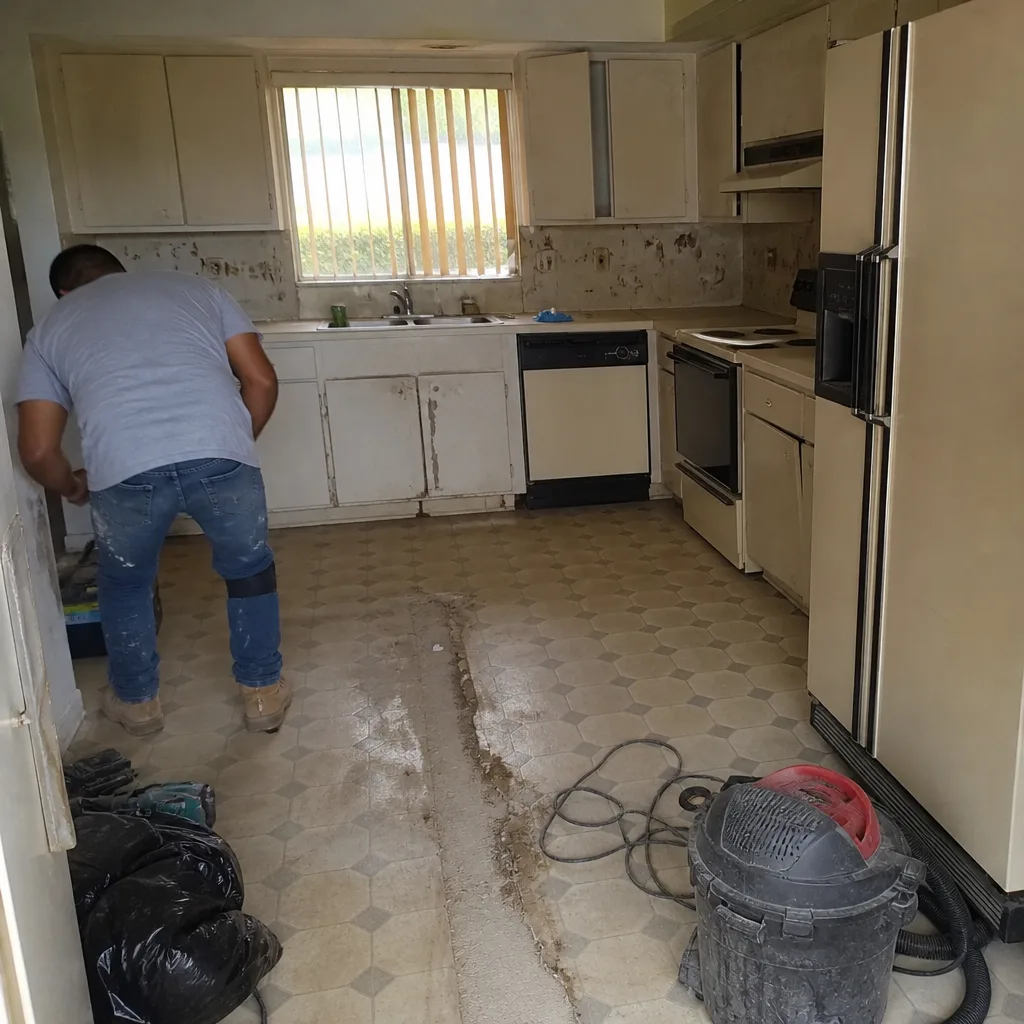
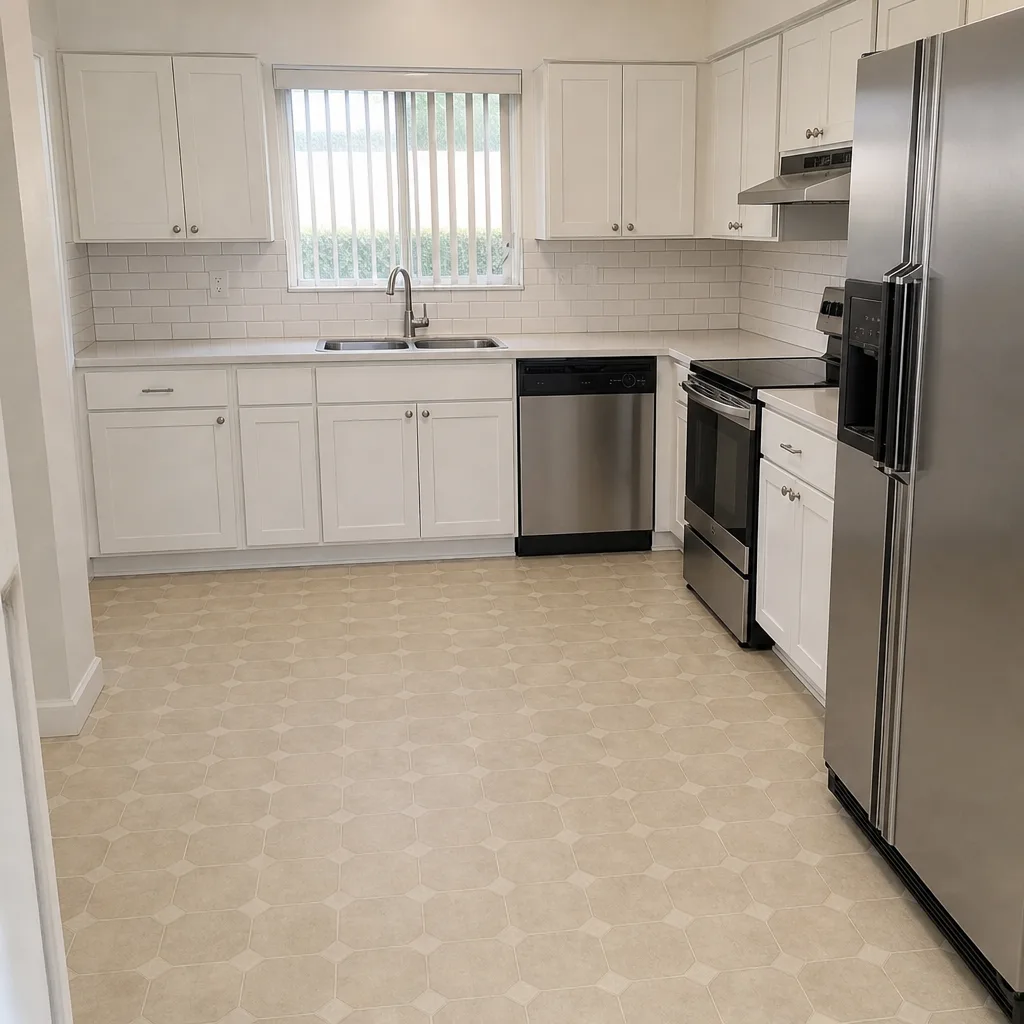
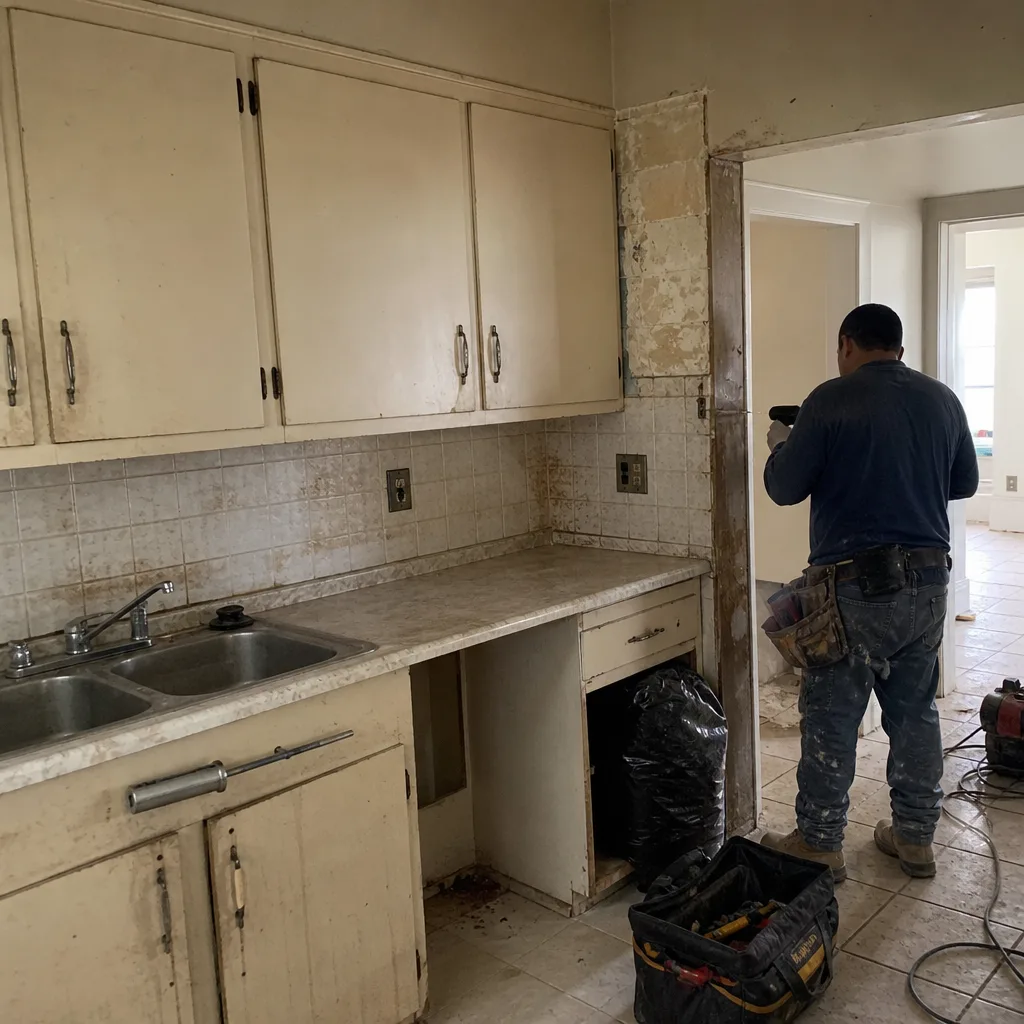
See the difference
 Before
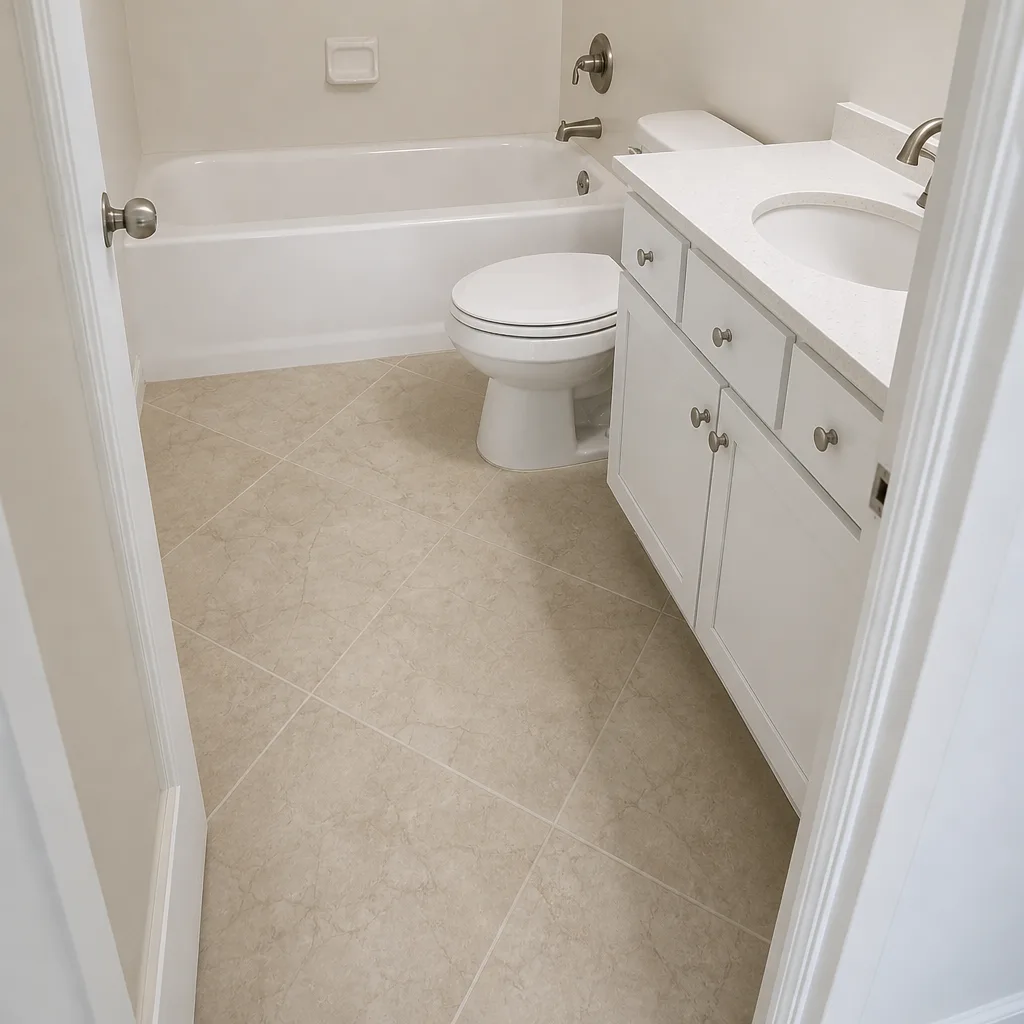 After
 Before
 After
 Before
 After
When to Call a Professional
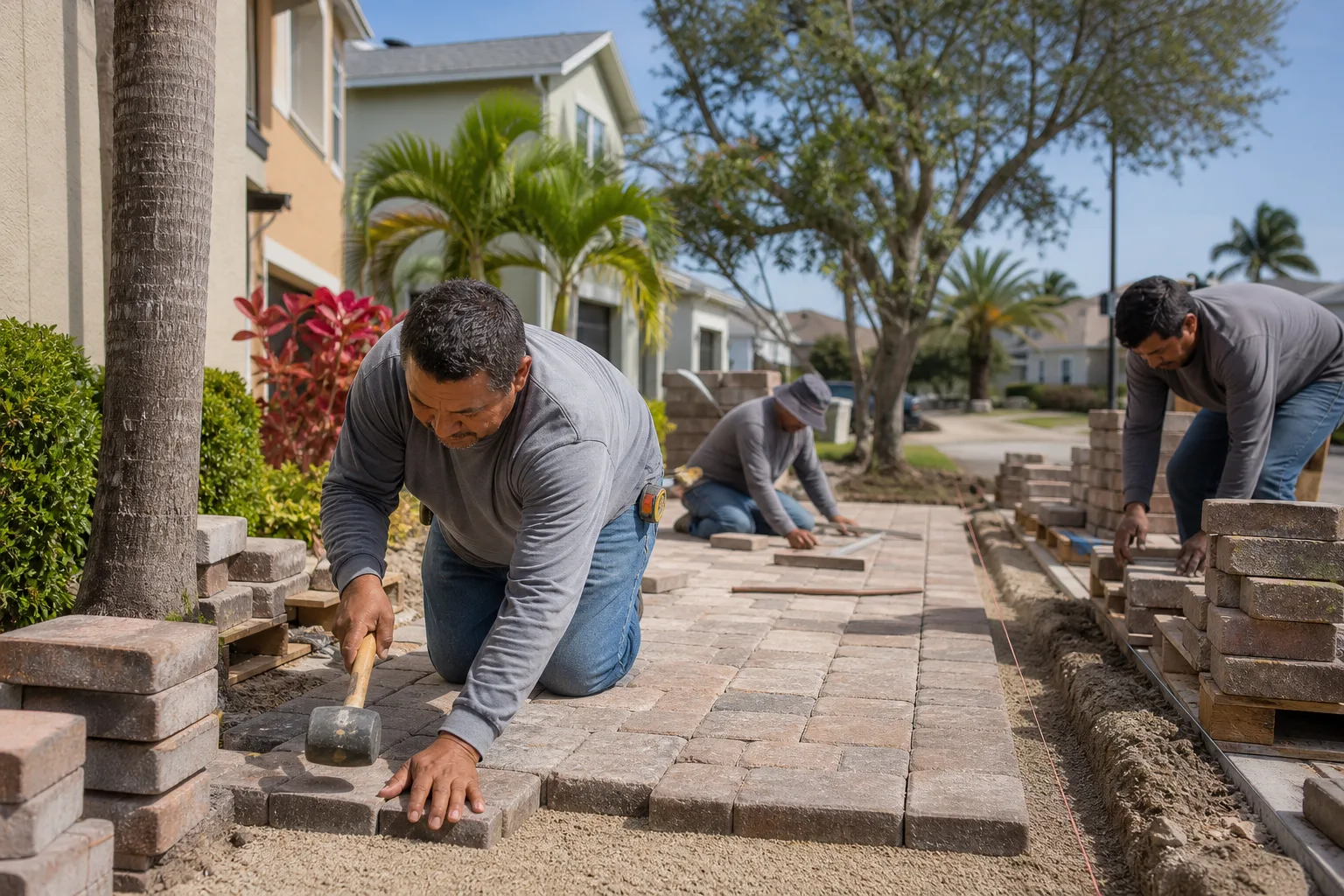
Some of this checklist is genuinely DIY-friendly: the visual walkthrough, the irrigation head check, the efflorescence brush-off. But several of the repairs that matter most need trained hands and the right equipment. Call a professional if any of these apply:
- Joints are failing across 30% or more of the driveway. That’s full joint replacement territory, and the tool, cure and material spec are different from a re-sand.
- A failed film-forming sealer needs to come off. Stripping a film coat without damaging pavers is a delicate job.
- Efflorescence keeps returning after a proper treatment. That usually points to an active moisture source or a base problem pushing water up.
- Pavers are rocking, settling, or heaving. Underlying base issues need diagnosis, not more sand.
- Your driveway has drainage problems that pool water for hours after a storm.
- You want a full re-seal with a coastal-spec product and a clean, guaranteed result.
Groundwork Construction Co. of Aventura offers free estimates in Aventura, with upfront pricing and no surprises. Call (833) 716-6251 to schedule your free estimate. Our technicians have up to 12 years of experience, and every project is covered by our 730-Day Done Right Promise, built to last and backed in writing.
Frequently Asked Questions
Typical Aventura pricing runs $300 to $1,200 for a re-sand on a standard two-car driveway, $2,500 to $5,000 or more for full joint replacement, and $800 to $2,500 for a professional reseal depending on square footage and sealer grade. Irrigation repair and drainage work are priced separately. Call (833) 716-6251 for an exact quote, estimates are free.
Every 2 to 3 years with a breathable, penetrating sealant rated for coastal humidity and high UV. Film-forming sealers fail faster in Aventura’s salt air and sun, often within 18 to 24 months, which is why we recommend penetrating products. Sealing should be done in the dry season, October through April, for the best result.
The most common causes are irrigation overspray hitting the same joints daily, re-sanding over damp joints that never cured, or a failing polymer that’s already broken down. A professional can tell which within a 15-minute look. Call (833) 716-6251 to have the driveway checked before you spend another dollar on sand.
That’s efflorescence, a salt bloom that migrates to the surface as moisture evaporates. It appears faster in Aventura due to salt air and humidity. It’s treatable: dry-brush, apply a dedicated efflorescence remover, rinse, and dry for at least a week before re-evaluating. If it returns after treatment, the moisture source underneath is still active.
Yes, with the right technique. Use a 25-degree or wider nozzle, keep PSI between 1,200 and 1,500 for concrete pavers and lower for travertine, pre-wet the surface, and keep the wand moving. Avoid zero-degree and 15-degree tips, and don’t pressure-wash more than once or twice a year. If you’re not sure of your machine’s pressure, hire the job rather than guessing.
Re-sand when joints are mostly intact and the loss is isolated. Full replacement when 30% or more of the joints are eroded, when the sand is pulverized rather than missing, or when you’ve re-sanded the same section twice in two years. The threshold rule: if a single re-sand costs more than a third of a full joint replacement, do the full job. Call (833) 716-6251 and we’ll tell you which one your driveway needs.
The Bottom Line
Aventura driveways are under attack from three specific forces that generic maintenance guides ignore: salt air, irrigation overspray, and relentless UV intensity. Beat them by working on the local calendar, not a generic quarterly schedule. Inspect at the end of the dry season in March, re-sand before the wet season hits in April, treat efflorescence promptly, clean with the right pressure and technique, and seal in the dry season with a breathable, coastal-rated product. Do that and your pavers will last decades instead of a handful of years. Skip it and you’ll be replacing joints every spring. If you want the driveway assessed by a professional, Groundwork Construction Co. of Aventura makes it easy.
Whether you’re dealing with washed-out joints, persistent efflorescence, or a sealer that’s failing in year two, our team can inspect the surface, match the sealer to your material, and handle any repair work. We use a curated set of brand partners across every trade, offer upfront pricing with 0% financing for 18 months, and back every job with our 730-Day Done Right Promise. Calls are answered by a live person, 24/7. To schedule your free estimate, Groundwork Construction Co. of Aventura home has the full picture of what we do, or call (833) 716-6251 to get on the schedule. From foundation to finish, we make the driveway the easiest part of your exterior to maintain.
Written by the team at Groundwork Construction Co. of Aventura.