Free written scope consultation - allowances, timeline, and change-order rules on paper before a single trade is scheduled
Chain Link Fence in Opa-locka, FL: What It Costs and How It Holds Up to Storm Season
A chain link fence in Opa-locka typically runs $3,500 – $9,000 for a standard residential lot, and most jobs are installed in 2 – 4 days once the posts are set. The exact number depends on linear footage, height, gauge, gate count, and whether permitted wind-rated anchoring is required for your property. Call (833) 716-6251 and we’ll walk your lot line with you, confirm what your yard actually needs, and put a firm written number in front of you – free, no pressure. We also answer the phone with a live person, 24/7.
The process, stage by stage, so you know what day three looks like
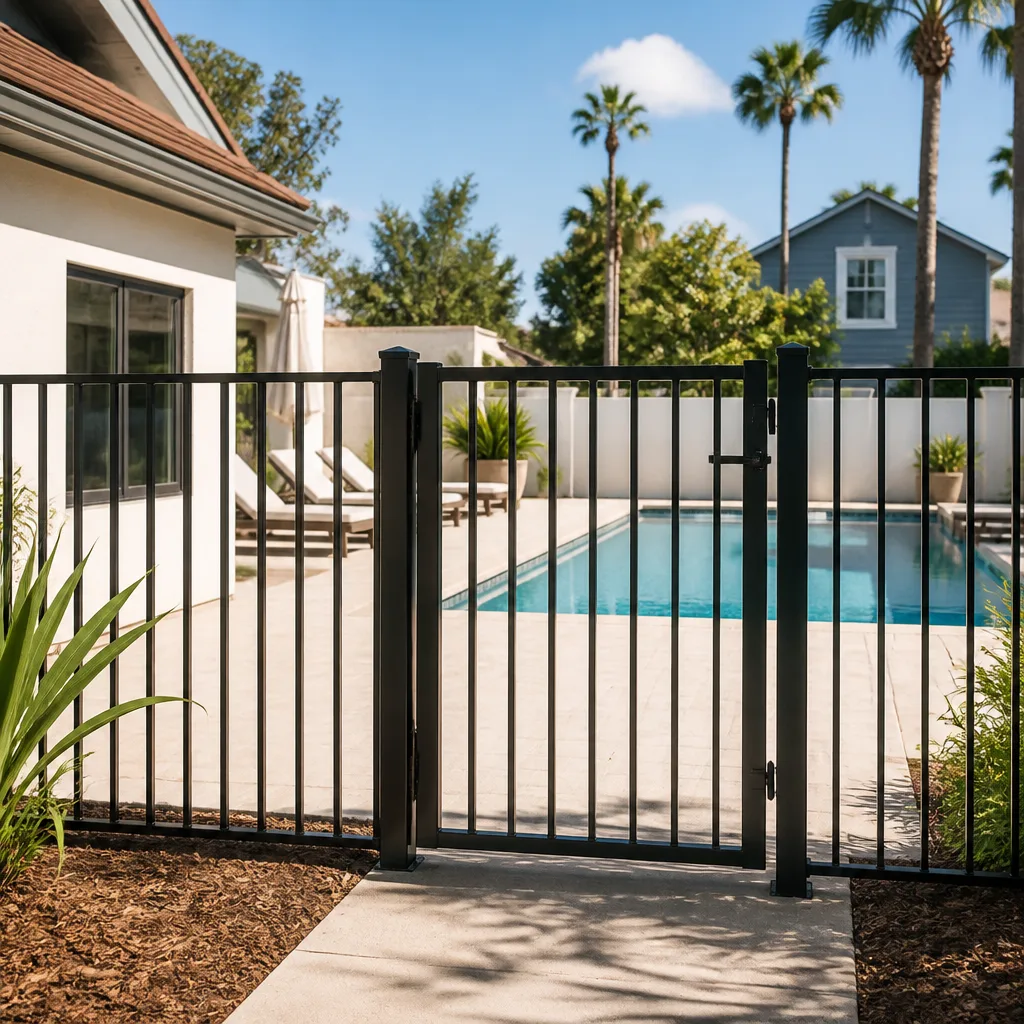
Chain link looks simple, and that’s exactly why crews cut corners on it. In Opa-locka’s wind zone, the corners that get cut are the same ones that let a panel fold over in a sub-tropical storm. Here’s how we run it.
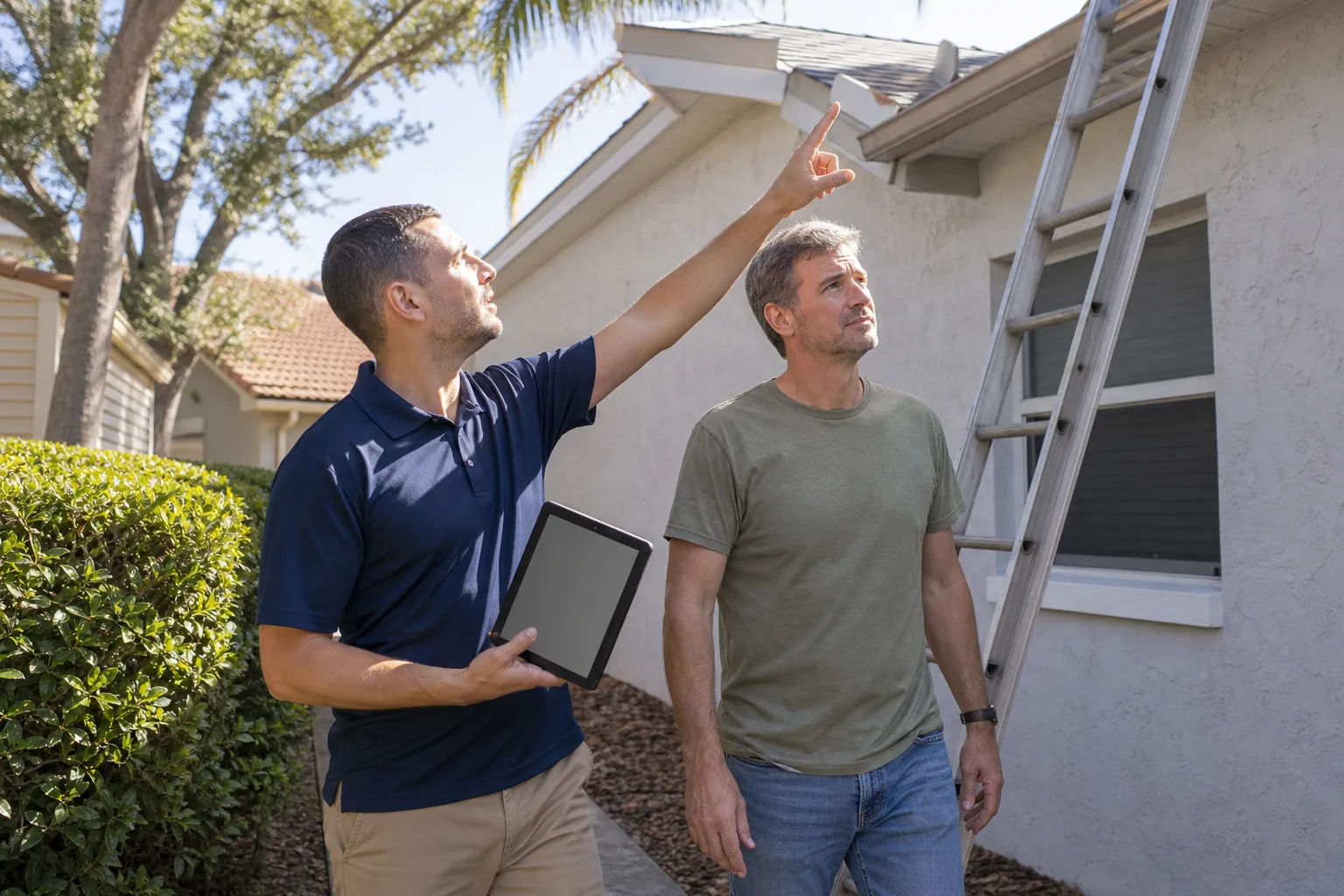
Stage 1 – Site walk and layout (about 1 hour, before any work starts). We’re measuring the actual run, flagging existing utilities through the Sunshine 811 locator, and marking terminal posts, corner posts, and gate openings. You decide right here where the fence line sits relative to your property line and which corners you’d rather see a gate on. That decision has to be locked before day one, because moving a gate later means moving a terminal post, and terminal posts are the expensive ones.
Stage 2 – Post setting (day one, roughly 4 – 6 hours for a typical lot). This is the stage that determines whether your fence is standing in ten years. Line posts get set in concrete at a spacing not exceeding ten feet on center, terminal and corner posts need larger footings and heavier pipe because they take the full tension of the fabric. We set post footings mathematically rather than just pouring them and hoping, and we let the concrete cure before we pull on anything. If a crew tries to stretch fabric on day one, they’re pulling against green concrete and the posts will drift.
Stage 3 – Framework and tension band (day two, half a day). Top rail, bottom tension wire or tension band, and the gate frames go up. Tension wire runs inside the knuckle at the bottom and gets tied back at the terminals – it’s what keeps the fabric from rolling up when wind gets under a panel. This is a hidden line item: some quotes skip it. Ours don’t, because in Opa-locka’s wet season wind is not a hypothetical.
Stage 4 – Fabric installation and tensioning (day two to three). Fabric is unrolled along the line, hooked to the tension bands, and pulled with a come-along or a hoist until it’s taut without being over-tensioned. You’ll decide the mesh gauge and height here if you haven’t already. We add tie wires every 12 – 24 inches depending on the height and exposure the panel sees, more on the wind-facing side.
Stage 5 – Gates, finish, and inspection walk (day three to four). Gate hinges, latches, and any drop rods get installed and adjusted so the gate swings close on its own. We walk the line with you, check every post for plumb, and confirm the tension is right. If the job requires a permit, the final inspection follows. You walk away knowing the line is straight because we measured it together.
Styles & brands we work with
- Kitchen remodeling
- Bathroom remodeling
- Home additions & ADU
- Roofing
- Windows & doors
- Driveway & pavers
- Fence
The options you’ll choose between before you sign
Chain link isn’t one product. These are the choices that actually change both your price and how the fence behaves through a storm.
- Steel gauge and pipe weight: 11-gauge fabric is the residential standard; 9-gauge is noticeably heavier and resists both wind deformation and the kind of panel sagging that older fences develop in Florida humidity. Pipe weight matters just as much – light 16-gauge posts cost less and let panels lean; a heavier schedule of post pipe is worth the extra money on the windward side of a lot. That upgrade alone typically adds a small amount to the line-item, not thousands.
- Height:
- Height: 4-foot is common around Miami Gardens and Pinewood for property-boundary visibility; 5-foot is the residential sweet spot for keeping dogs and kids in; 6-foot is what most Opa-locka homeowners choose when both privacy and storm resilience matter. Every additional foot means more fabric and more wind load, so posts need to be sized up accordingly.
- Vinyl-coated vs. galvanized: Galvanized goes in brighter and holds up to salt-heavy air reasonably well. Vinyl-coated – bonded manufacturer coating, not paint – lasts longer in the humid subtropical climate here, comes in black and green (green blends better with the palms and stucco backdrop most Opa-locka properties sit against), and hides the small surface rust spots that start on cheaper core wire. The trade-off is cost and the fact that once vinyl is scratched, that spot is permanent. We’ll be honest about which makes sense for your exposure.
- Tension band style: Bands are the standard and easier to re-tension when a panel loosens. Tension rings hold fabric tighter but can’t be easily adjusted. We use bands at the terminals and posts, and tie wires along the run.
- Gates: Walk gates in 3- and 4-foot widths, drive gates in double or single widths, and whether gate frames are welded or bolted. A welded drive gate on a walkway-frame post is the reason so many older fences here have a sagging gate – the frame has to match the opening.
We work with coating systems from brands we can vouch for on the property, including Bufftech and ActiveYards for the vinyl-coated fabric and gate hardware that has to survive years of humidity. Brand selection is part of the conversation, not a surprise.
What Chain Link Fence costs in Opa-locka, FL
The lead range for chain link in Opa-locka is $3,500 – $9,000. That’s market-calibrated for the typical residential lot rather than a high-end gate-and-ornamental installation. Here’s what moves a job from the bottom to the top.
- Linear footage: A small side-yard run at 80 feet sits near $3,500; a full perimeter around a typical 33054 lot at 250 feet pushes toward $8,000 – $9,000 on a mid-range spec.
- Height and gauge: Upgrading from 4-foot to 6-foot and from 11- to 9-gauge adds meaningful cost but increases both security and the fence’s resistance to repeated wet-season wind events. This is the upgrade we most often recommend for wind-exposed lots.
- Gate count: Each gate is a frame, hinges, latch, post reinforcement, and extra labor. Adding a double drive gate or two walk gates pushes a job toward the top of the range.
- Terminal and corner conditions: Lots with multiple corners, tight easements, or existing concrete to demo add labor. A clean square run is always the cheapest run.
- Permit and wind-rating scope: Where the permit scope requires engineering or inspection, that adds cost and timing. This isn’t optional for permitted work in Opa-locka’s exposure zone, and it’s a line item in the written estimate.
Every estimate we hand you is line-item, upfront, and the number you see is the number you pay. If the ground hides a surprise – roots, an old footing, a utility we didn’t know was there – we show you the change in writing before we touch it. No surprise additions at the end of the job. We also publish our 0% financing for 18 months and $1,000 off projects over $10,000 on larger combined work.
See the difference
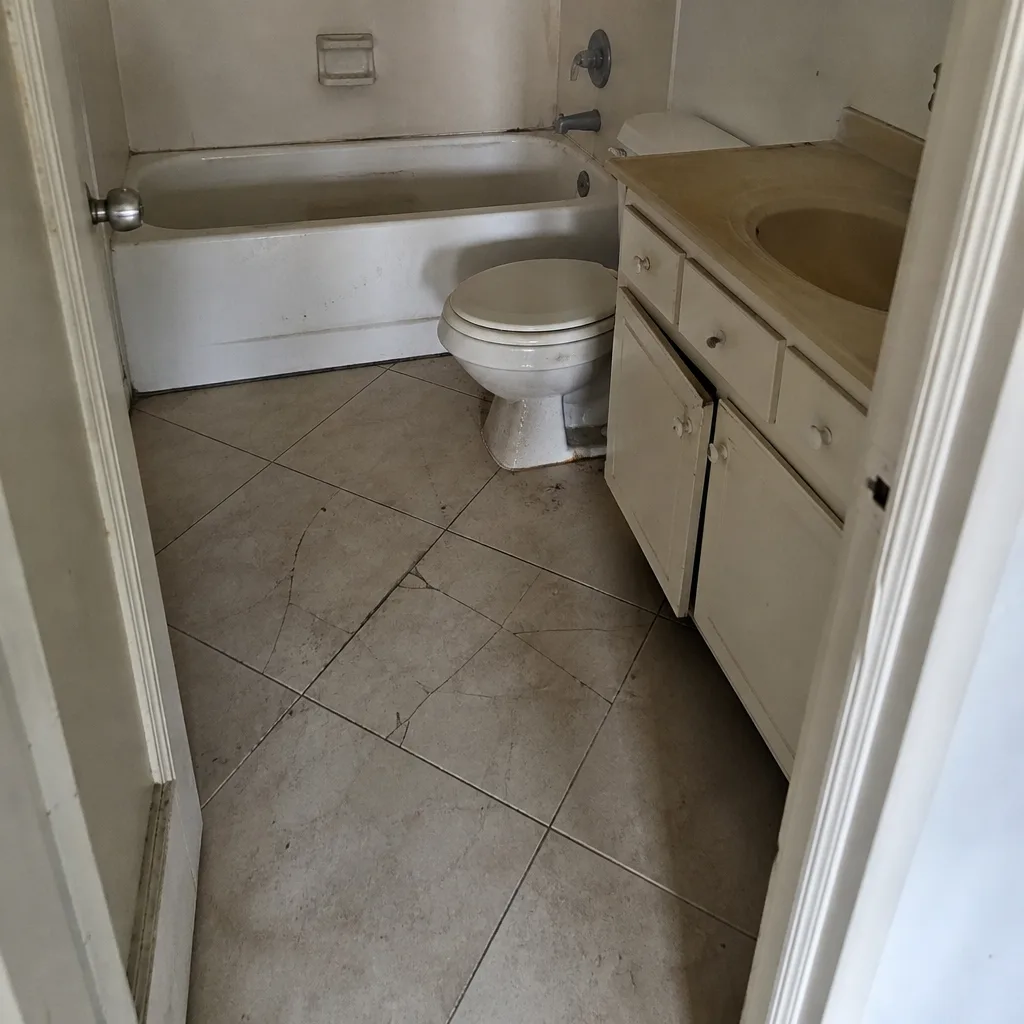 Before
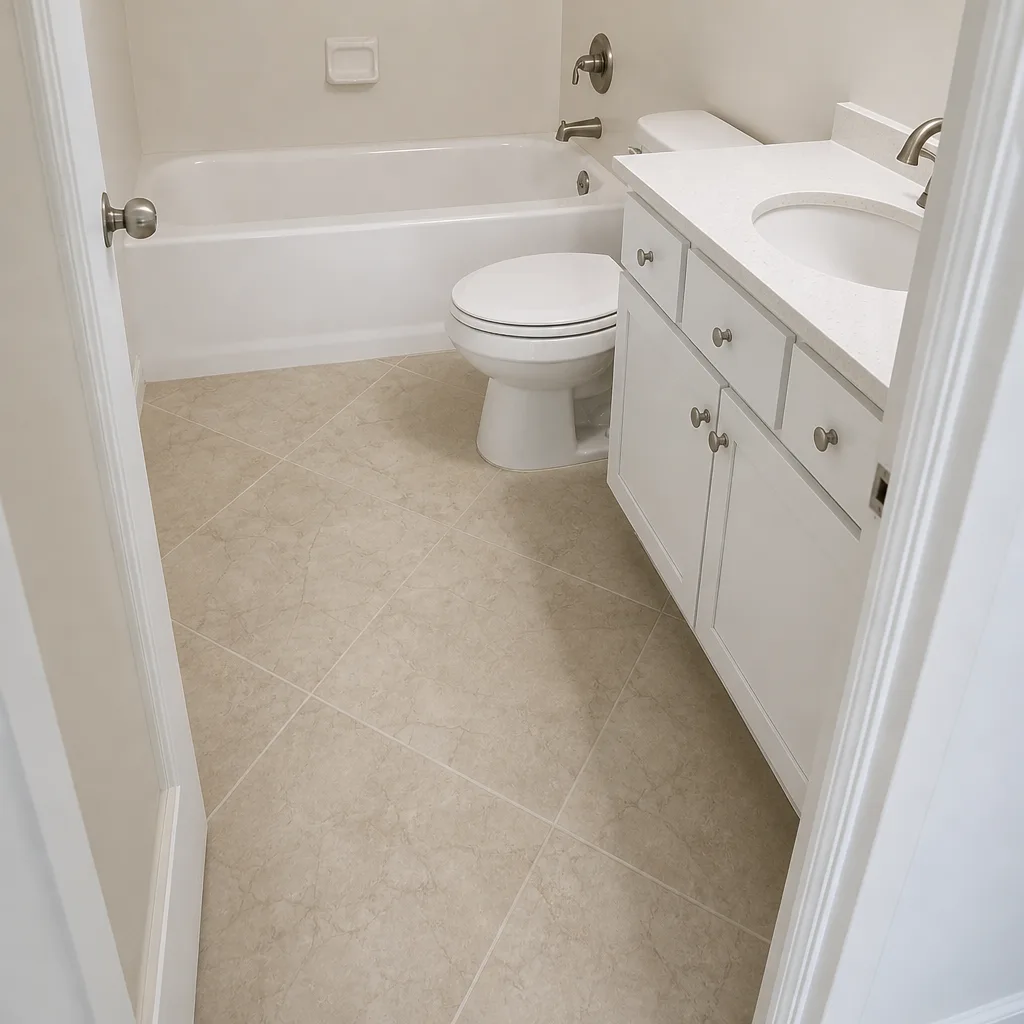 After
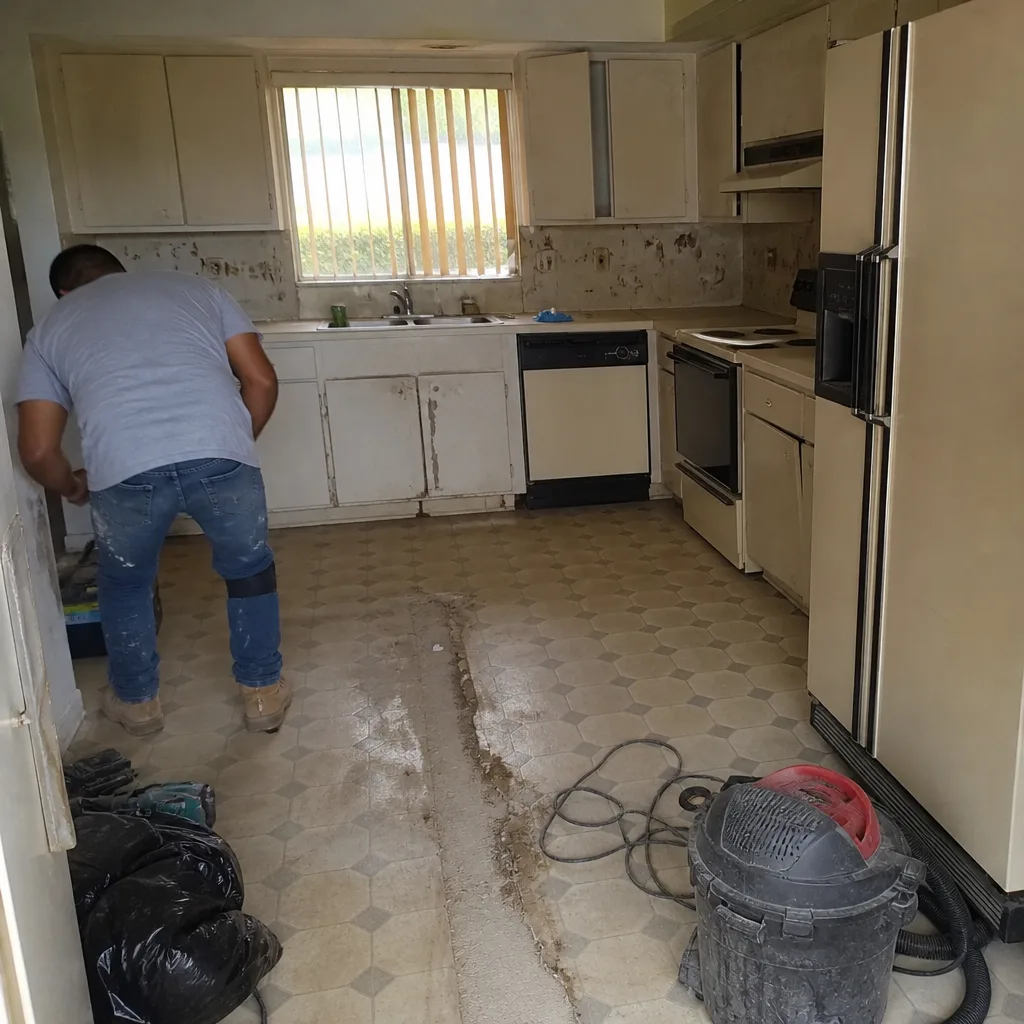 Before
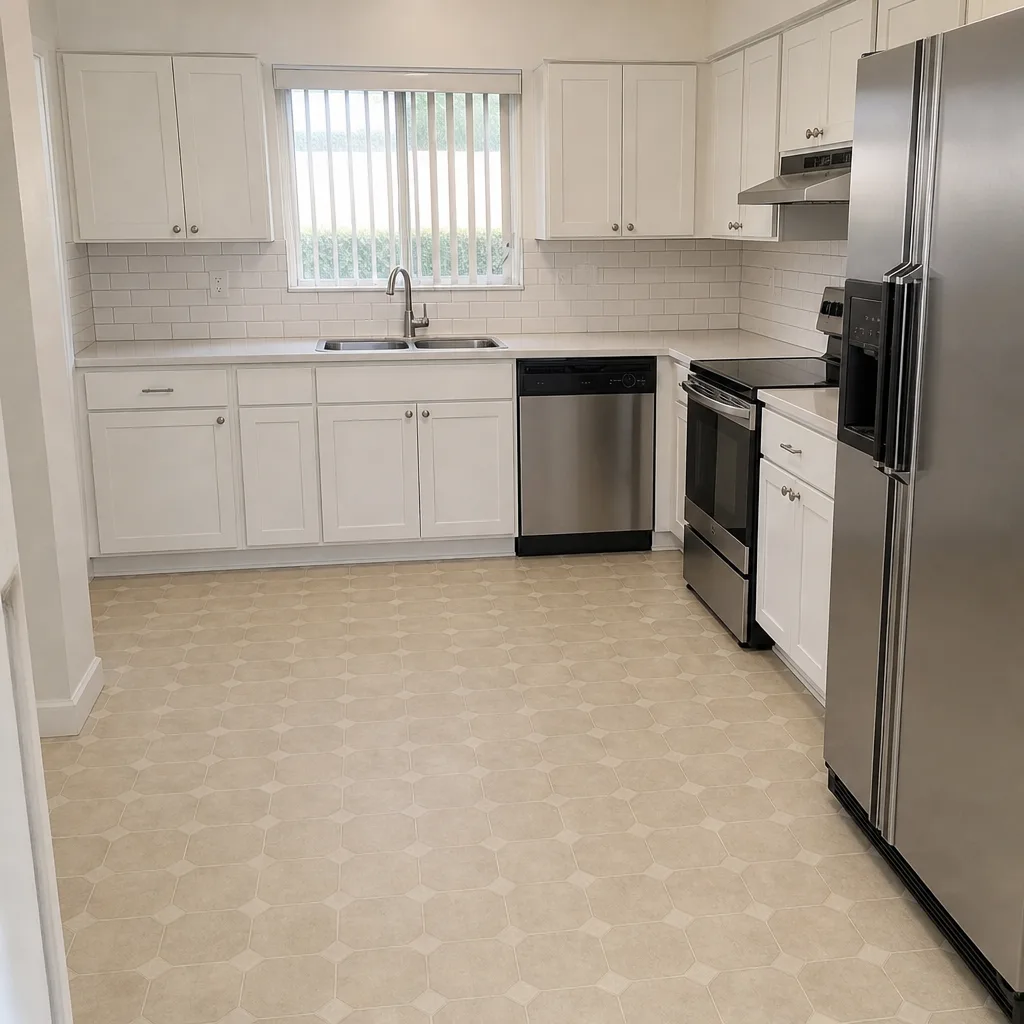 After
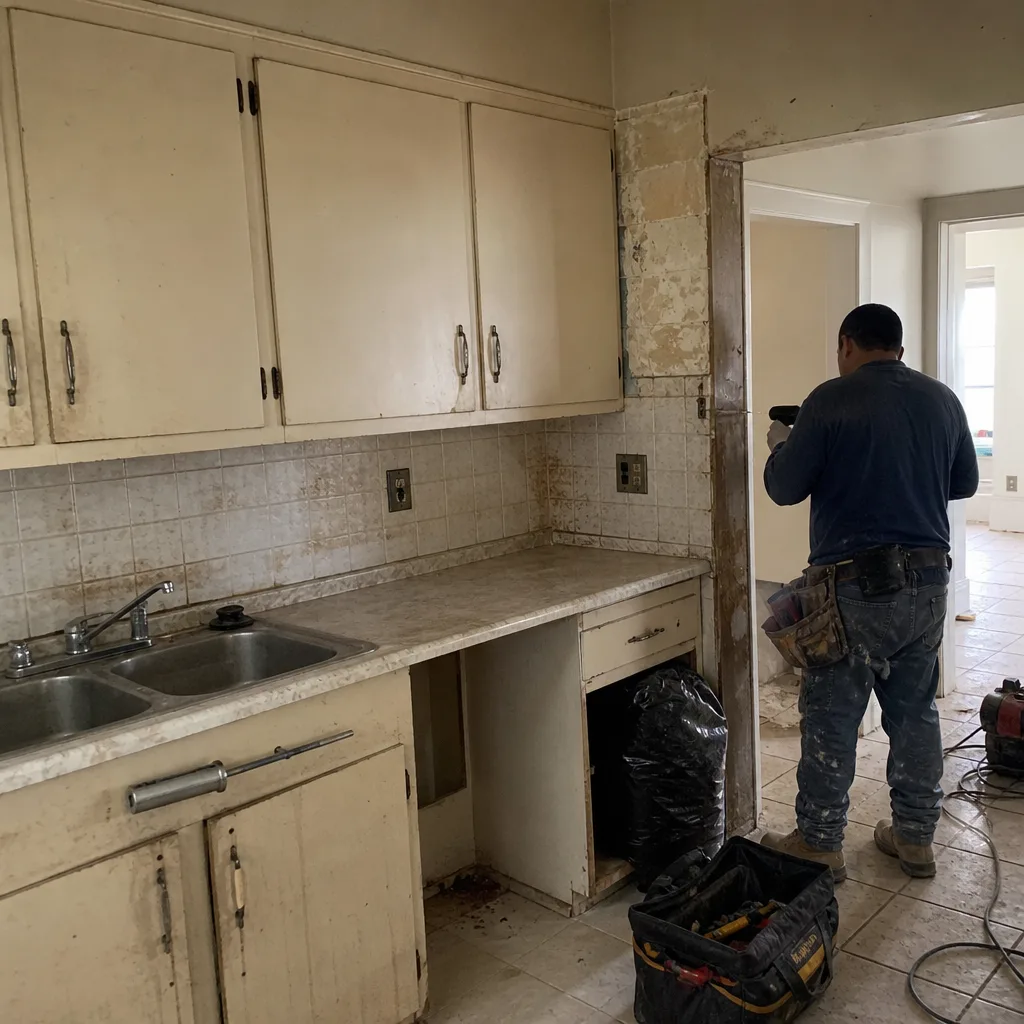 Before
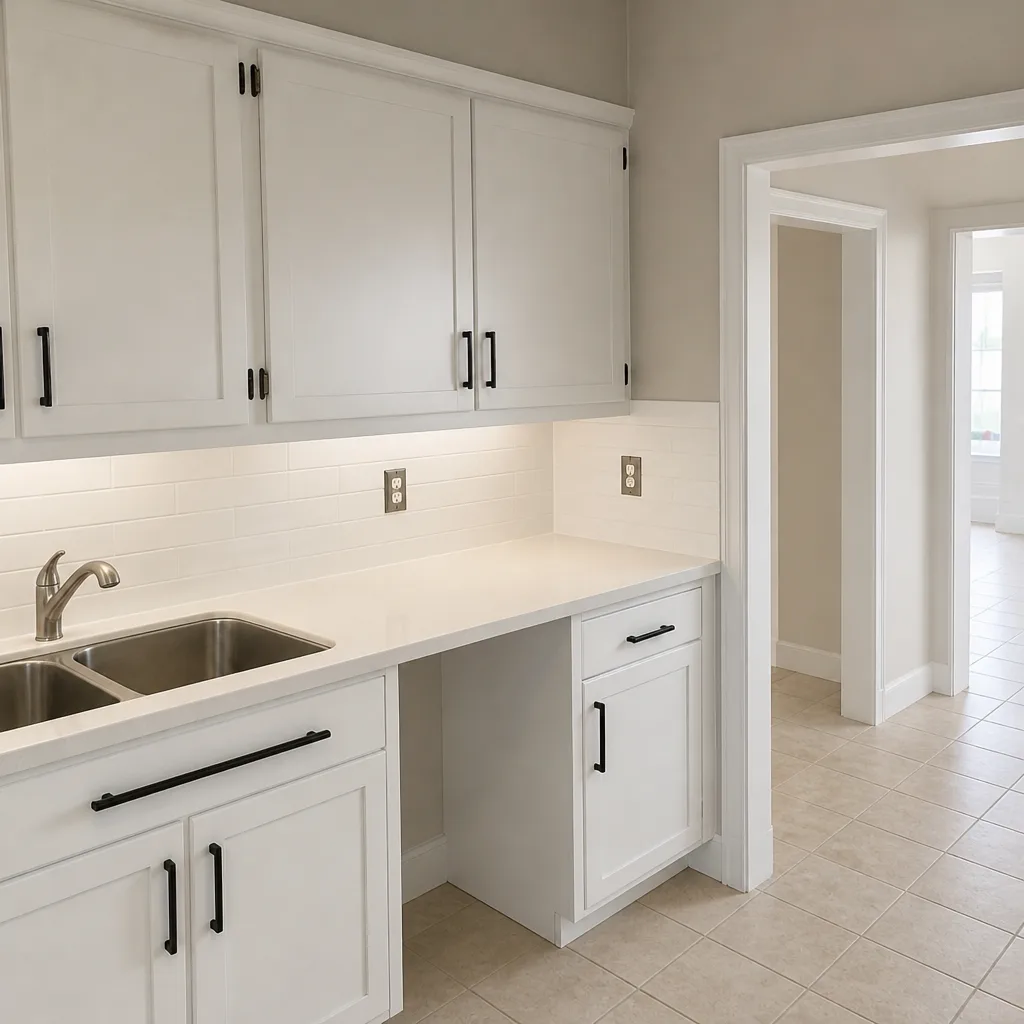 After
What Opa-locka properties specifically do to this job
Opa-locka is where the largest concentration of Moorish Revival architecture in the Western Hemisphere sits – and that’s not a tourism fact, it’s a permitting reality. A chain link line around a 1926-era stucco-over-masonry property in the historic district may require design review if a gate, terminal post, or new footing sits close to a distinctive parapet or arched entry. That review references the original 1926 Bernhardt Muller plans, a layer of scrutiny you just don’t hit in Hialeah or Miami Gardens. We know the difference because we regularly work on both. Around the historic core, the surrounding mid-century concrete-block homes in ZIPs 33054 and 33055 are the ones where we install most chain link – they’re often replacing a rusted-out 1990s fence on the same line, so we’re reusing good posts and pulling the dead ones.
Wind load is the other local reality. Opa-locka’s wet season and hurricane exposure mean every fence line has to be anchored for uplift, and it’s common to see panels bent back toward the street after a storm because too-few tie wires and a too-light post pipe let wind under the fabric. If you’re fencing a boundary that adjoins other ongoing work, homeowners often pair this with ADU Site Prep & Utilities in Opa-locka so the line and the utility trench get done before the fence fabric locks the yard in. Replacing an entry gate often pairs naturally with Door Installation in Opa-locka when the property’s access is being reorganized. For the wider scope of yard and boundary work, see our Fence Installation service, and if you’re comparing full-lot options, the city’s Fence Installation in Opa-locka page lays out the full range. We cover the whole city and surrounding areas – Opa-locka is a market we work in regularly.
Serving Opa-locka, FL – Our Local Coverage Area
We serve Opa-locka and nearby communities. Use the map below to see the area we cover. If you’re nearby, we can almost certainly help.
Frequently asked – Chain Link Fence in Opa-locka
A standard residential chain link fence in Opa-locka is installed in 2 – 4 days from post setting to final walk. The concrete footings need time to cure before fabric is tensioned, and that’s the main reason a small job can stretch across a few days – rushing that step is how fences fail in the first wet season. Call (833) 716-6251 and we’ll give you a firm timeline for your specific lot.
Permit requirements in Opa-locka depend on the fence height, location relative to the property line, and whether the property falls within the historic-preservation review area. In the 1926 Moorish Revival district, alterations that touch facade-adjacent elements can trigger a design review referencing the original Bernhardt Muller plans. We confirm the exact scope for your address during the estimate, and where a permit applies we pull it and pass the inspection – not something you chase down yourself.
A properly anchored chain link fence holds up to Opa-locka’s wind exposure when the posts are sized correctly, footings are set below the surface, and the fabric is tied and tensioned to resist uplift. The failure mode we see most is panels bent back because a prior installer used undersized pipe and too few tie wires. We spec heavier pipe and more frequent ties on the wind-facing side, and we’ll tell you exactly what you’re getting and why.
Residential chain link in Opa-locka runs $3,500 – $9,000 for a typical lot, with the number driven by linear footage, height, gauge, gate count, and whether permit scope is involved. A small side-yard run sits at the low end; a full perimeter with a double drive gate and a 6-foot upgrade sits near the top. Call (833) 716-6251 for an exact quote – estimates are free and line-item.
Our workmanship is backed by the 730-Day Done Right Promise – if it isn’t done right, we make it right, for two full years. That’s on top of the manufacturer warranty on the fabric and coating. If a post leans or a panel loosens within that window, you call and we come out. No voicemail black hole, no waiting until Monday – a live person answers 24/7.
Get a free Chain Link Fence estimate in Opa-locka
Call (833) 716-6251 and we’ll set a time to walk your lot line, measure the run, confirm permit scope, and hand you a line-item written estimate before you commit to anything. No change orders, no surprise numbers, and a live person answers around the clock. Whether you’re closing off a side yard in Pinewood or replacing a tired fence on a historic Opa-locka property, the estimate is free and there’s no pressure to sign on the spot.
Written by the team at Groundwork Construction Co.