Last updated November 18, 2026
Free written scope consultation - allowances, timeline, and change-order rules on paper before a single trade is scheduled
DIY vs Professional Construction: The Aventura Homeowner’s Decision Guide
Florida requires a licensed contractor for more project types than almost any other state, and in Aventura your HOA likely layers another set of restrictions on top of that. The question here was never whether you’re handy enough. It’s whether the finished work will be legal, insurable, and sellable when the time comes. We’ve walked into Aventura homes where a weekend tile job looked fine until an inspector asked for the permit, and we’ve seen buyers walk away from a deal over an unpermitted patio enclosure. This guide lays out exactly which projects Florida law puts off-limits to homeowners, how Aventura HOA architectural rules work, what unpermitted work does to your insurance, and where doing it yourself is genuinely smart.
Quick Answer
In Aventura, hire a licensed professional for any project touching structural elements, electrical, plumbing, gas, roofing, or the building envelope – Florida law requires it, and your homeowners insurance may deny claims on unpermitted or owner-performed work. DIY is reasonable for cosmetic, non-permitted work like interior painting, swapping cabinet hardware, or refreshing landscaping. When a permit is required, the professional premium usually pays for itself in warranty coverage, liability protection, and clean resale documentation.
Styles & brands we work with
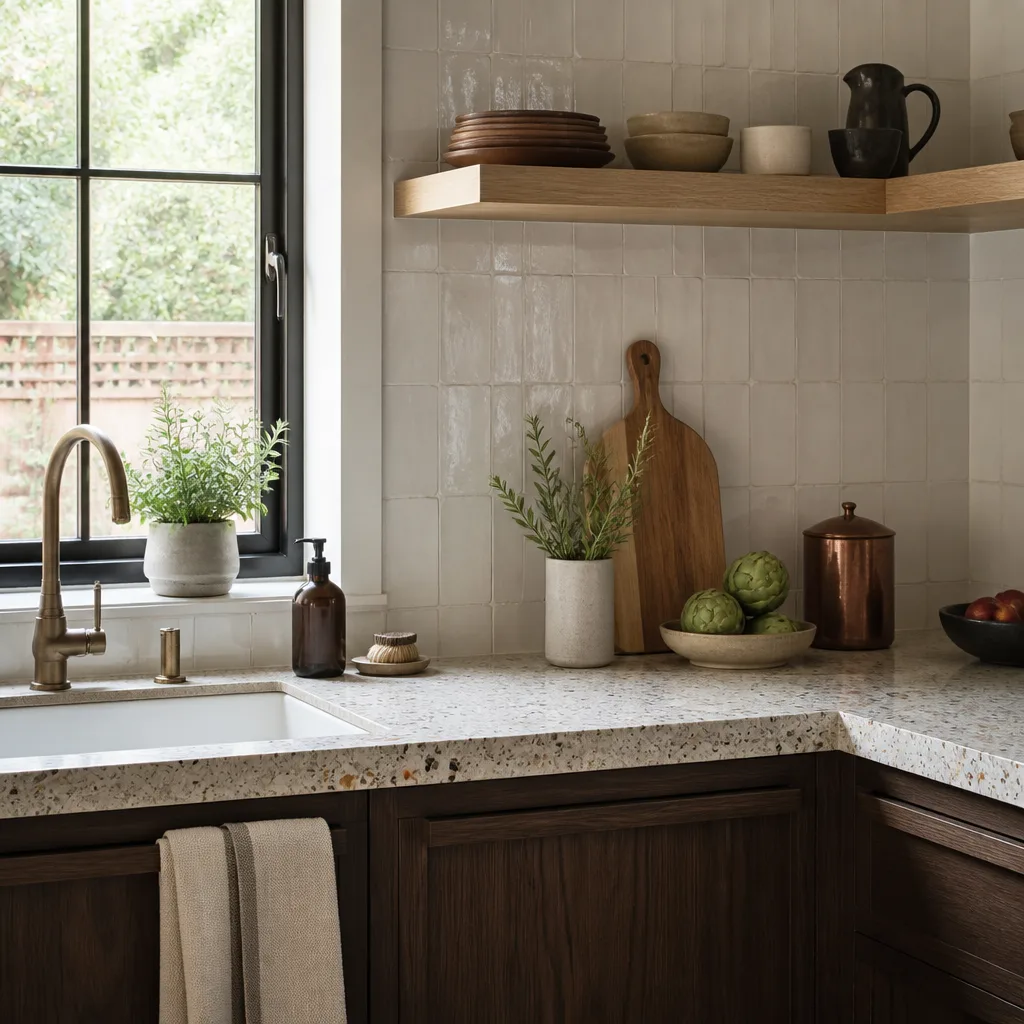
- Kitchen remodeling
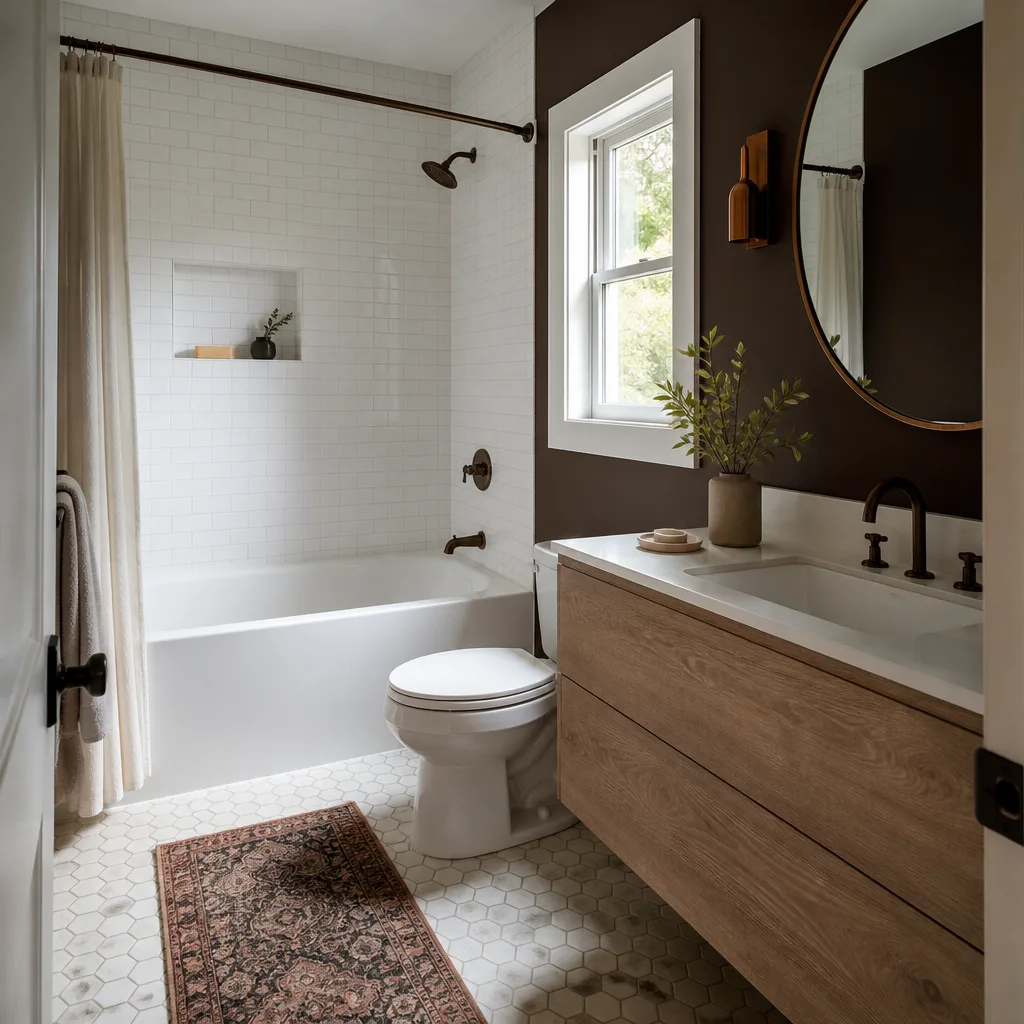
- Bathroom remodeling
- Home additions & ADU
- Roofing
- Windows & doors
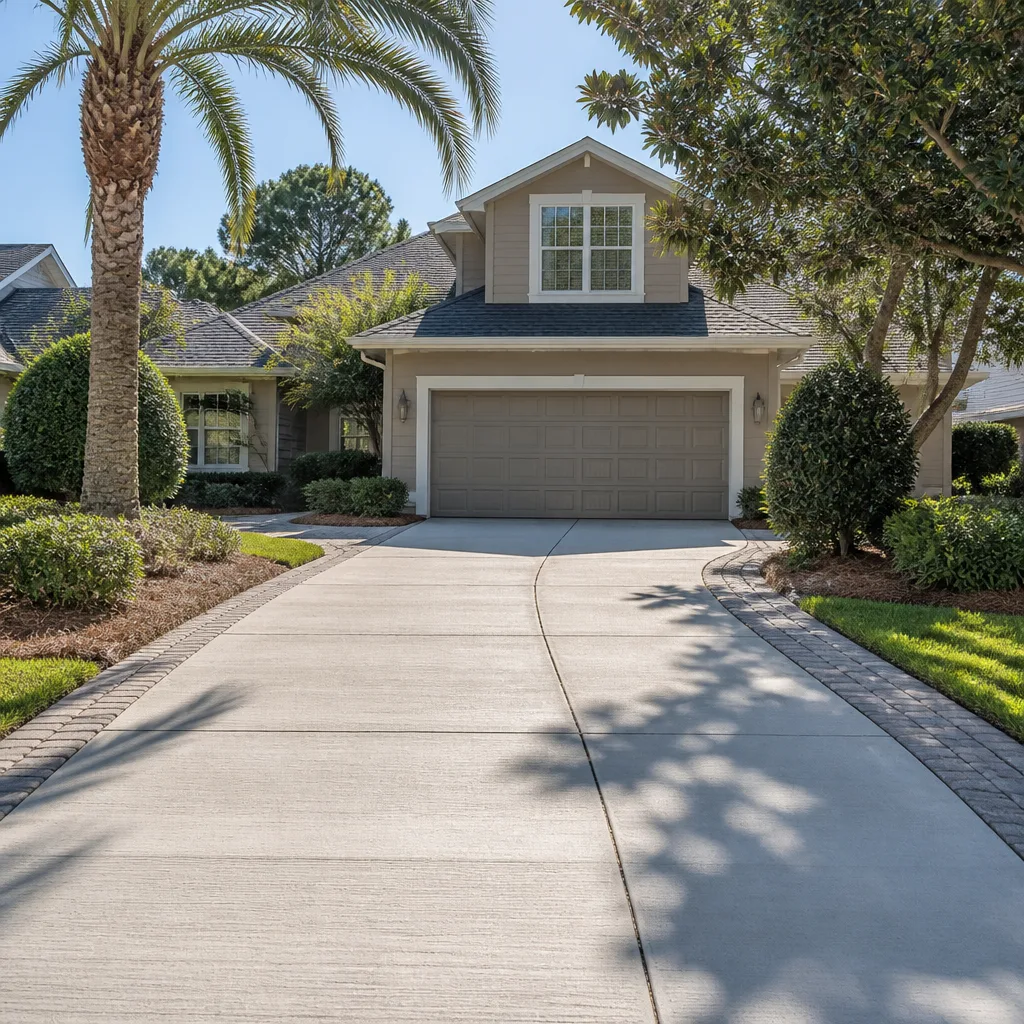
- Driveway & pavers
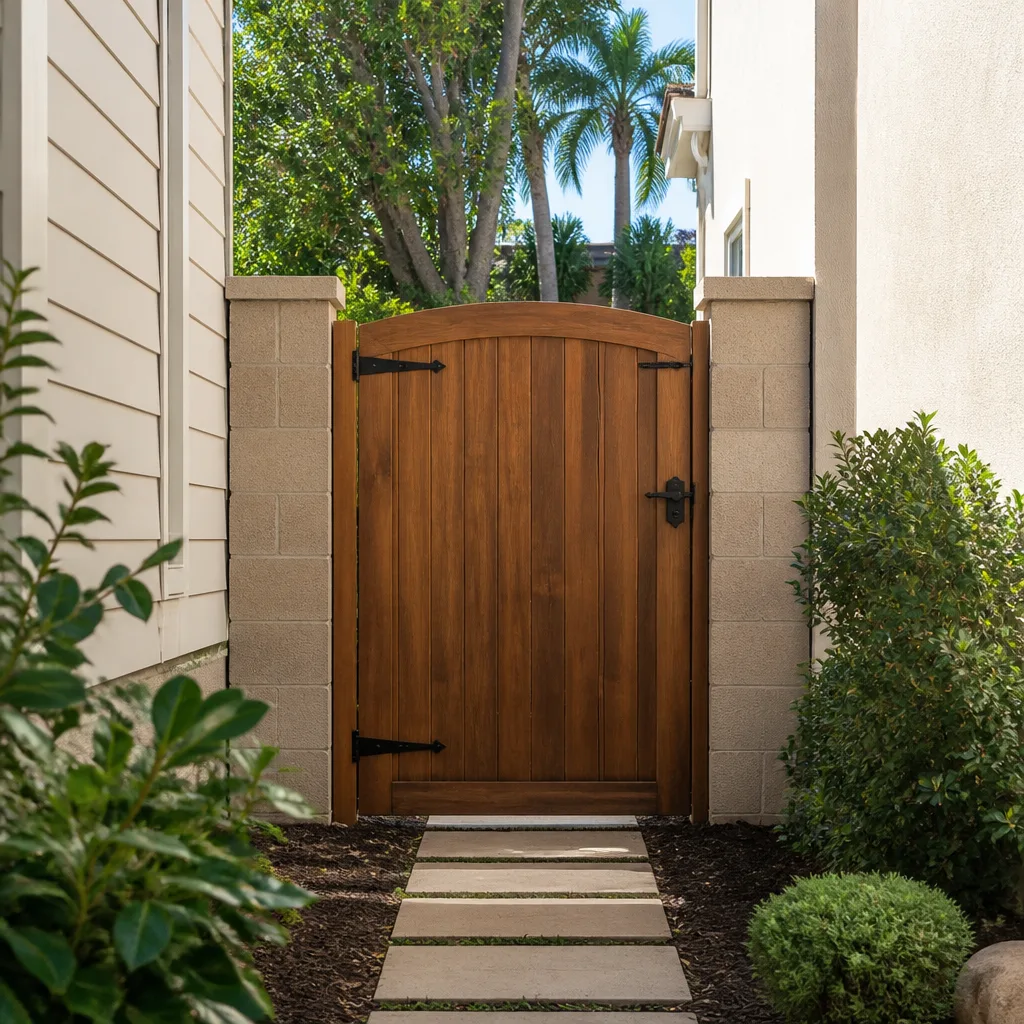
- Fence
Table of Contents
- What Florida Law Says You Can’t Do Yourself
- Aventura HOA Architectural Rules That Go Beyond Permits
- The Resale Problem: Mandatory Disclosure of Unpermitted Work
- How Unpermitted Work Affects Your Insurance – and What a Denied Claim Costs
- Where DIY Genuinely Works in Aventura
- Where the Professional Premium Pays You Back
- What to Expect From a Professional Project Start to Finish
What Florida Law Says You Can’t Do Yourself
Florida Statute 489.103 is the exemption list, and it’s narrower than most homeowners assume. It lets you pull owner-builder permits only for a single-family home you actually live in, and only if you’re doing the work yourself. The moment you hire anyone who isn’t licensed, you’ve broken the law – even if you’re the “general contractor” directing them.
Here are the project types Florida routinely requires a licensed contractor for, including several homeowners DIY in other states:
- Any electrical work beyond swapping a light fixture or outlet cover – new circuits, panel work, and rewiring all require a licensed electrician.
- Plumbing beyond replacing a faucet cartridge or toilet flapper – moving supply lines, replacing water heaters, and any drain reconfiguration.
- Roof replacement and repairs over a small square footage – Miami-Dade and Broward County roofing rules are among the strictest in the country because of hurricane exposure.
- Structural changes – removing interior walls, adding openings, or modifying load-bearing elements. Aventura homes from the 1970s and 1980s frequently have concrete or block construction where opening a wall is a real structural event, not a cosmetic one.
- HVAC installation and refrigerant work – no homeowner exemption applies.
- Gas line work – requires a licensed plumber or gas contractor, plus a separate inspection.
- Window and door replacement – must meet Florida Building Code impact requirements, and the product must carry a Miami-Dade or Florida Product Approval number.
That last point trips people up constantly. We’ve been called to Aventura properties where a well-intentioned homeowner installed standard windows with no impact rating. Beyond the permit problem, the windows don’t meet Florida wind-borne debris requirements and the homeowners insurance policy may refuse to cover wind damage through them. For anyone doing it right, Groundwork Construction Co. of Aventura home is the starting point for understanding what a proper scope looks like.
Aventura HOA Architectural Rules That Go Beyond Permits
Here’s the part that catches homeowners even when they’ve done their permit research. Many Aventura neighborhoods and condominium associations operate architectural review committees with rules independent of the city’s building department. Getting a permit doesn’t mean you’re cleared to build.
Aventura is a planned city. The Williams Island, Turnberry, and Country Club Drive communities, plus dozens of smaller associations throughout the city, typically require written architectural approval – sometimes reviewed by a committee that meets monthly. Common items that require written approval before work begins:
- Exterior paint color and finish (approved color palettes only, often down to the specific manufacturer code)
- Fence height, material, and style – even when a city permit is already issued
- Driveway material changes, including switching from concrete to pavers or vice versa
- Landscaping changes that alter sightlines from the street
- Roof color and tile profile, even on a same-size replacement
- Any addition visible from the street or adjacent properties, including ADUs and covered patios
- Window and door replacements, including changes to frame color
If you start work before written HOA approval, the association can issue a stop-work order, require you to remove completed work at your cost, and assess fines. We’ve seen this happen on a paver driveway in Aventura where the homeowner had a valid city permit but used a paver color not on the association’s list. The city was satisfied. The HOA was not. Learn the material-selection process on the Driveway & Pavers in Aventura page before you commit to a design.
The practical rule: pull the association’s architectural guidelines packet first, submit the required drawings or photos, wait for written approval, then apply for your city permit. In Aventura, that HOA step routinely adds two to six weeks to a project timeline.
The Resale Problem: Mandatory Disclosure of Unpermitted Work
Florida requires sellers to disclose known defects and material facts about the property. Unpermitted work that would not legally pass inspection qualifies as a material fact. In practice this means you’re legally obligated to disclose it – and Aventura buyers, especially those relocating from the Northeast with fresh experience in permit-compliant markets, are unusually well-informed about this.
Here’s what a buyer’s inspector is trained to spot during a standard Aventura inspection:
- Building department permit history. They pull the property’s permit record from the city – every permitted project shows up. A recent kitchen gut renovation with no permit entry is a red flag.
- Mismatched work spanning decades. An interior wall that doesn’t match the original floor plan, a bathroom that doesn’t line up with the county’s recorded square footage, or an addition the assessor never saw.
- Electrical panels with improper labeling or unlabeled breakers – often a sign of unpermitted electrical work.
- Impact windows installed with the wrong label. Florida requires a permanent product approval label; inspectors know exactly where to look.
- Roofing underlayment and fastening patterns that don’t match the current Florida Building Code for wind uplift.
- Plumbing rough-in with fittings or configurations a licensed plumber wouldn’t use – obvious to a trained eye.
When the inspector flags unpermitted work, the buyer’s typical response is to demand a price reduction larger than the original project cost, or walk entirely. Lenders also tighten up. If a mortgage underwriter sees an addition or converted space without a permit on the lender’s appraisal, they may refuse to finance the sale until it’s brought into compliance. That compliance work – often including tearing out existing work and re-inspecting – typically costs more than if a licensed contractor had handled the original job.
How Unpermitted Work Affects Your Insurance – and What a Denied Claim Costs
Most Aventura homeowners never read the exclusion clause, but it’s there in nearly every standard homeowners policy: damage resulting from work that wasn’t permitted or performed by a licensed contractor is excluded from coverage. The insurer isn’t saying you’re a bad person. It’s saying the work isn’t verifiable against code, so it’s not protecting them from risk.
Consider what a real claim looks like. A homeowner replaces a bathroom without a permit, and a supply line fails inside the wall a year later. Water damage runs into the hallway and the adjacent bedroom. The adjuster asks for the plumbing work order and permit record. Neither exists. The claim can be denied or drastically reduced, and the $40,000 repair bill – water remediation, drywall, flooring, the adjacent bedroom, the affected furniture – lands on the homeowner.
It works the other way too. A homeowner installs a permitted but poorly-done roof, and a wind event lifts a section. The insurer pays out on the claim, then subrogates against the installer. If the installer is unlicensed and uninsured, there’s nothing to recover against and the claim still gets paid – but the policy may non-renew at the next cycle. A non-renewal in Florida’s insurance market is a serious problem for any property owner.
The reverse is where a proper contracted project earns its value. When a licensed, insured contractor performs the work, the project carries a workmanship warranty backed by a company with assets. Our own 730-Day Done Right Promise means exactly what it says: if it’s not done right, we make it right – inside two years, not just the first ninety days.
Where DIY Genuinely Works in Aventura
None of the above means every project is off-limits. Florida’s owner-builder exemption exists for a reason, and a skilled homeowner can save real money on the right scope. Here’s the honest list of where we’d tell a neighbor to go ahead in Aventura:
- Interior paint and trim. Cosmetic only, no permit, no HOA approval required for interior surfaces. Prep work matters more than skill – Aventura’s humidity means paint cure times run longer than the label claims, so plan for that.
- Cabinet hardware, drawer pulls, faucet cartridge swaps. Purely cosmetic, reversible, and no code involvement. If a cartridge swap goes wrong, the toll is a small afternoon, not a bathroom flood.
- Landscaping (non-structural). Replacing plants, mulching, adding container gardens. Anything touching a fence line or a swale requires HOA sign-off first.
- Pressure washing, screen enclosure cleaning, minor caulk replacement around windows and doors. Cheap, honest work with no permit exposure.
- Closet shelving and storage systems not attached to the structural walls or ceiling.
- Furniture assembly, shelving, and basic trim carpentry where you’re working on finished surfaces rather than moving structural elements.
One more honest answer: the caulk around your windows and doors matters more in Aventura than almost anywhere. Our climate is wet, humid, and prone to driving rain in a way that stresses those seals every summer. Fresh caulk every couple of years is a legitimate weekend project and genuinely reduces the odds of water intrusion finding its way into your walls.
Where the Professional Premium Pays You Back
For everything else, the “premium” a professional charges for a project – often 20-35% above a pure materials-and-hours calculation – is actually funding three specific things you’d otherwise carry yourself.
Warranty. When a licensed contractor handles your roof replacement, that roof comes with a manufacturer warranty on materials (usually 25-50 years) and a workmanship warranty on installation. Both are contingent on licensed, permitted installation using approved materials – the GAF and Owens Corning warranties everyone hears about require a qualified installer, and a homeowner-installed roof typically voids the material warranty entirely. When you install it yourself, your “warranty” is you.
Liability. If you’re on a ladder at your Aventura home and something falls or you get hurt, your homeowners policy may or may not respond – and any injury to an assistant could trigger medical payments or a claim dispute. A licensed contractor carries general liability and workers’ compensation insurance that absorbs that exposure. Our technicians are background-checked and arrive in uniform because we treat access to your property as a professional privilege, not a given.
Resale value. Permitted, documented, and warranted work appraises higher and closes faster. A permitted kitchen remodel typically returns 60-70% of its cost at resale in the South Florida market; an unpermitted one can scare a buyer off entirely. When you’re considering something larger like extra square footage, the Home Additions & ADU in Aventura page covers the permitting path for what’s typically the most permit-sensitive project type Aventura allows.
There’s a broader point here too. Every piece of a well-run project – the permit, the manufacturer warranty, the general liability policy, the licensed crew, the resale documentation – is a transfer of risk from your shoulders onto a company that has the assets to absorb it. That’s what the premium buys, and it’s the reason upfront pricing isn’t about high prices, it’s about no surprises.
What to Expect From a Professional Project Start to Finish
If you’ve decided a project is worth doing through a professional, here’s the sequence that separates a well-managed job from a chaotic one. Every serious contractor should be able to walk you through this in the first conversation.
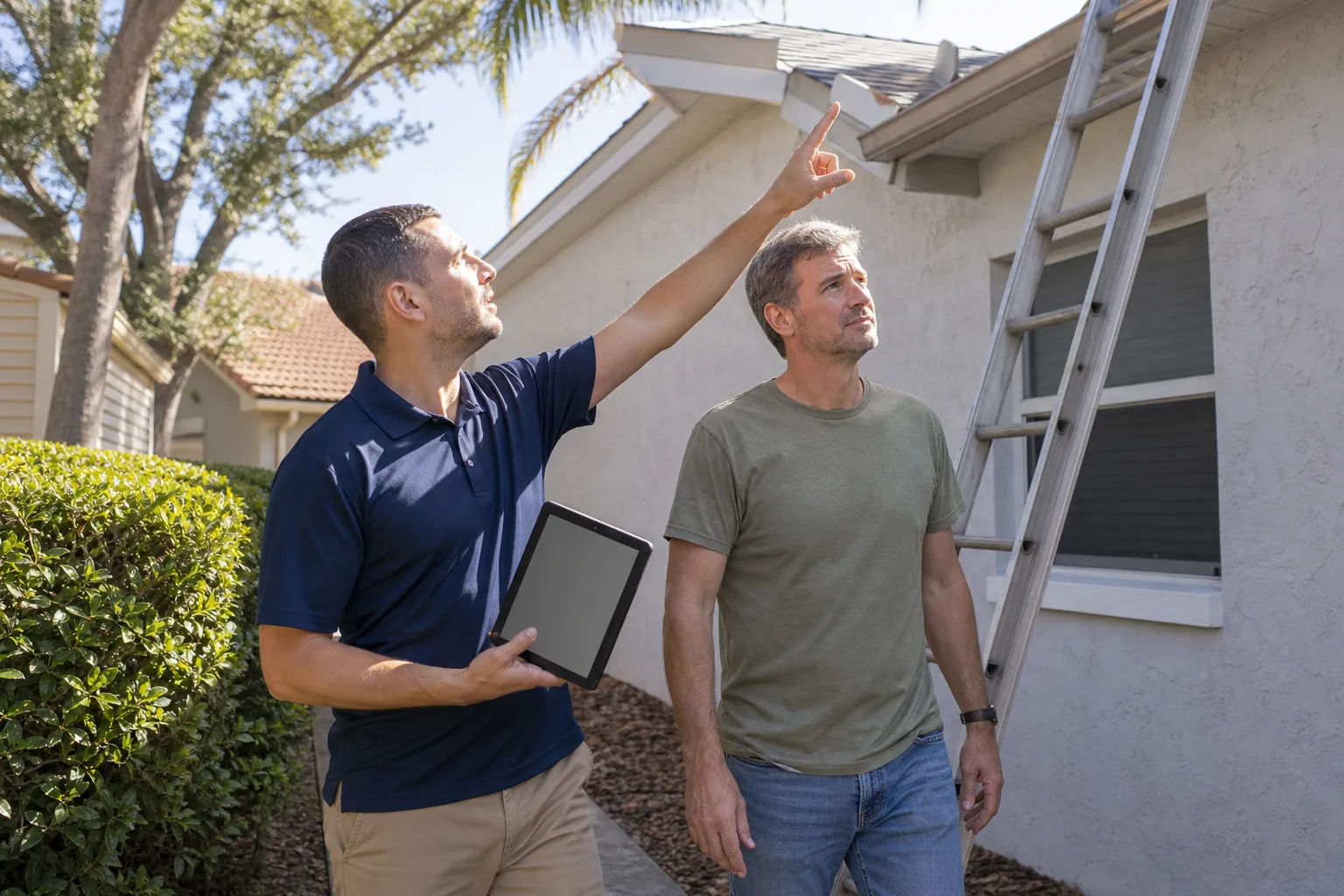
- Scope and design consultation. Walk the property, photograph existing conditions, and define exactly what’s in and out of scope in writing. In Aventura, this step includes pulling the HOA architectural guidelines if applicable. Free on our projects, and worth insisting on from anyone you hire.
- Written line-item estimate with fixed pricing. Not “starting at” pricing. The number you see is the number you pay. Get this before any deposit.
- HOA architectural submission. If the association has a review committee, submit the required drawings, product selections, and color samples now, not later. Written approval in hand before the first nail.
- Permit and inspection scheduling. Pull the permit through the city, coordinate the required inspections (rough-in, framing, final), and keep the paperwork organized. This is where a licensed contractor’s value shows during a resale.
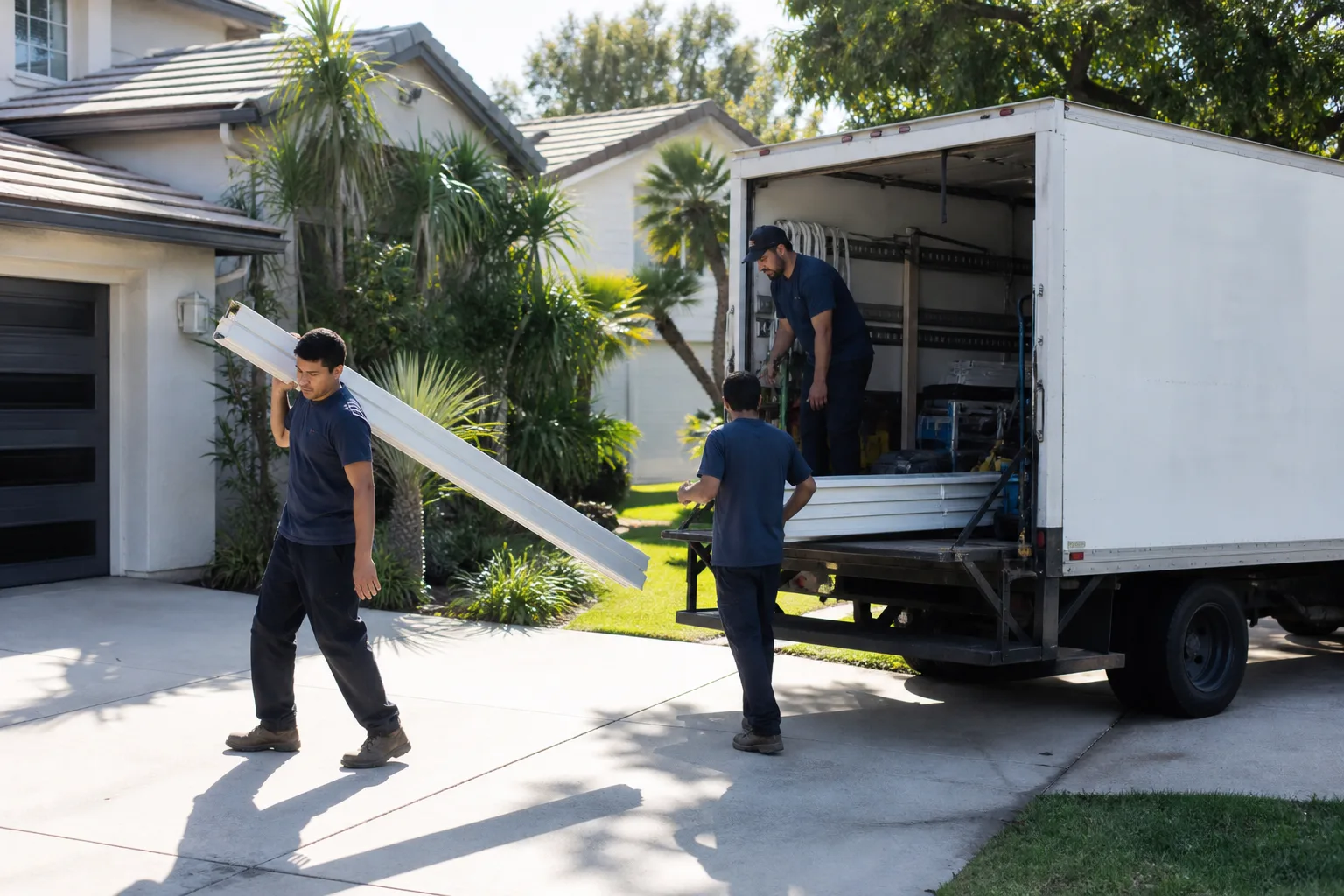
- Material order and staging. Confirm delivery windows for your brand selections – if you’re going with a Toto toilet and Schluter shower system for a bathroom, delivery dates often dictate the schedule. Confirm those dates before demo begins.
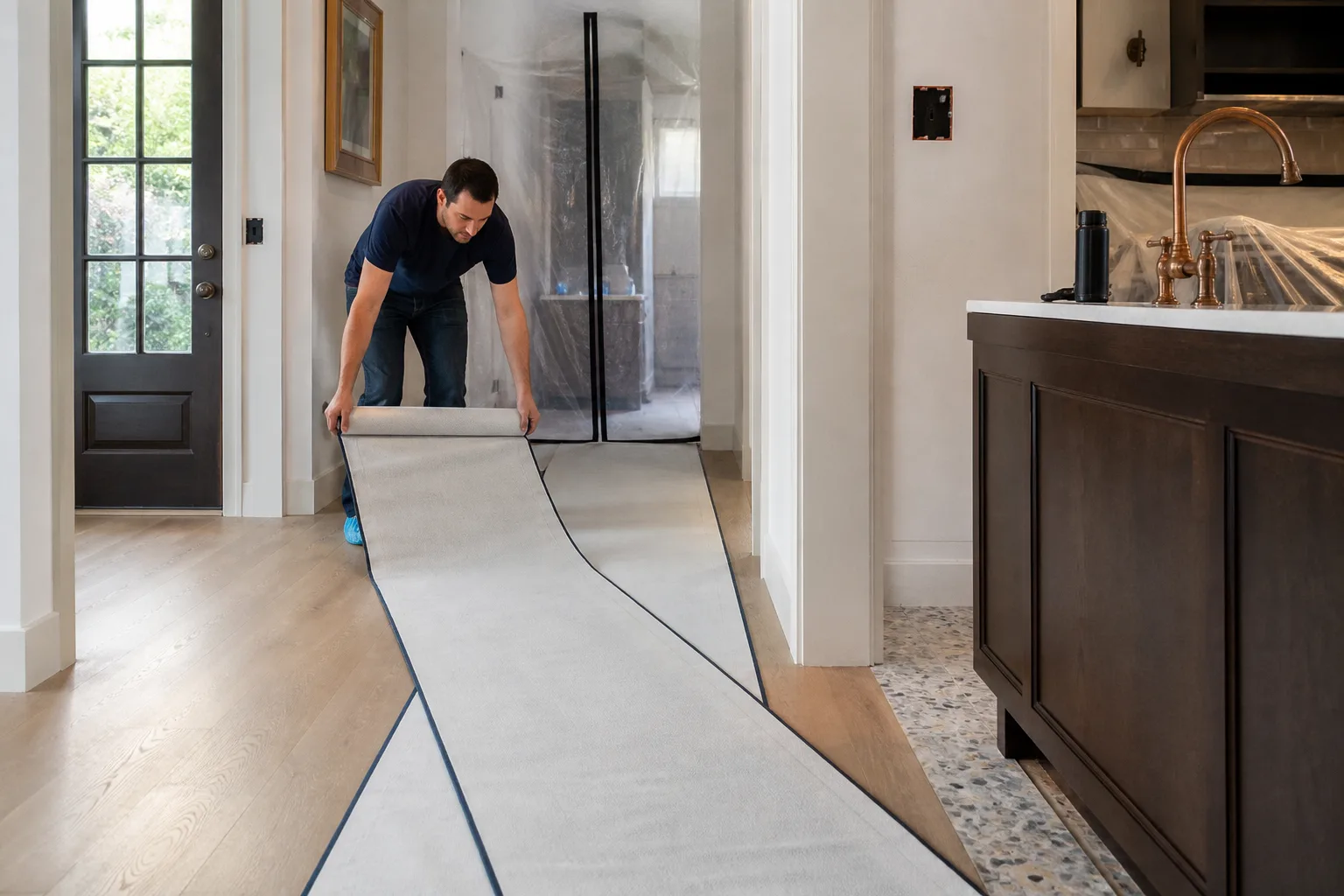
- Protected, staged construction. Dust barriers, floor protection, daily cleanup. On a kitchen project with a Cambria countertop, delivery and install coordinate around the other trades to avoid damage to the finished surfaces.
- Final walkthrough and written warranty. Walk the project against the scope, log any punch items, and get the company’s written warranty in your hands before you release final payment. If a contractor is vague about that warranty, that’s the signal.
If you’re considering a fence, the sequencing is even trickier in Aventura because of swale and drainage rules in addition to HOA guidelines – the Fence Installation in Aventura page lays out the survey requirements. Whichever trade you’re considering, don’t underestimate how much of the project timeline is permit and approval-driven, not construction-driven.
Common Mistakes to Avoid
- Assuming a city permit covers HOA rules. It doesn’t. In Aventura, HOA architectural approval is a separate step, and starting work without it can trigger stop-work orders and removal costs. Get written approval first – always.
- Hiring an unlicensed crew and calling yourself the “general contractor.” Florida law is specific about what an owner-builder can do, and directing unlicensed subcontractors is not one of them. You become liable for their work, their injuries, and any resulting code violation.
- Installing standard windows to save money. Aventura’s wind exposure means impact-rated products are effectively non-negotiable and Florida Product Approval labels are permanent. An inspector will find them missing. So will an insurer after a storm claim.
- Not verifying permit closeout before final payment. Final payments should be tied to inspections passed and permit closed. A permit left open at closeout creates headaches years later at resale – and your buyer’s attorney will find it.
- Choosing the cheapest bid on the bathroom. The cheap bid is often cheap because it skips the permit, the waterproofing membrane, or the licensed plumber. A failed Schluter shower system or a poorly-set tile floor costs more to redo than a proper installation costs the first time.
- Assuming your homeowners policy will cover a DIY mistake. It usually won’t, and policy language is written to exclude damage caused by unpermitted or unlicensed work. Read the exclusion clause before you roll the dice.
- Skipping the resale documentation. Keep every permit, inspection card, warranty document, and material spec sheet together in a folder. Aventura buyers and their inspectors will ask for exactly these documents – and you’ll either have them or you won’t.
See the difference
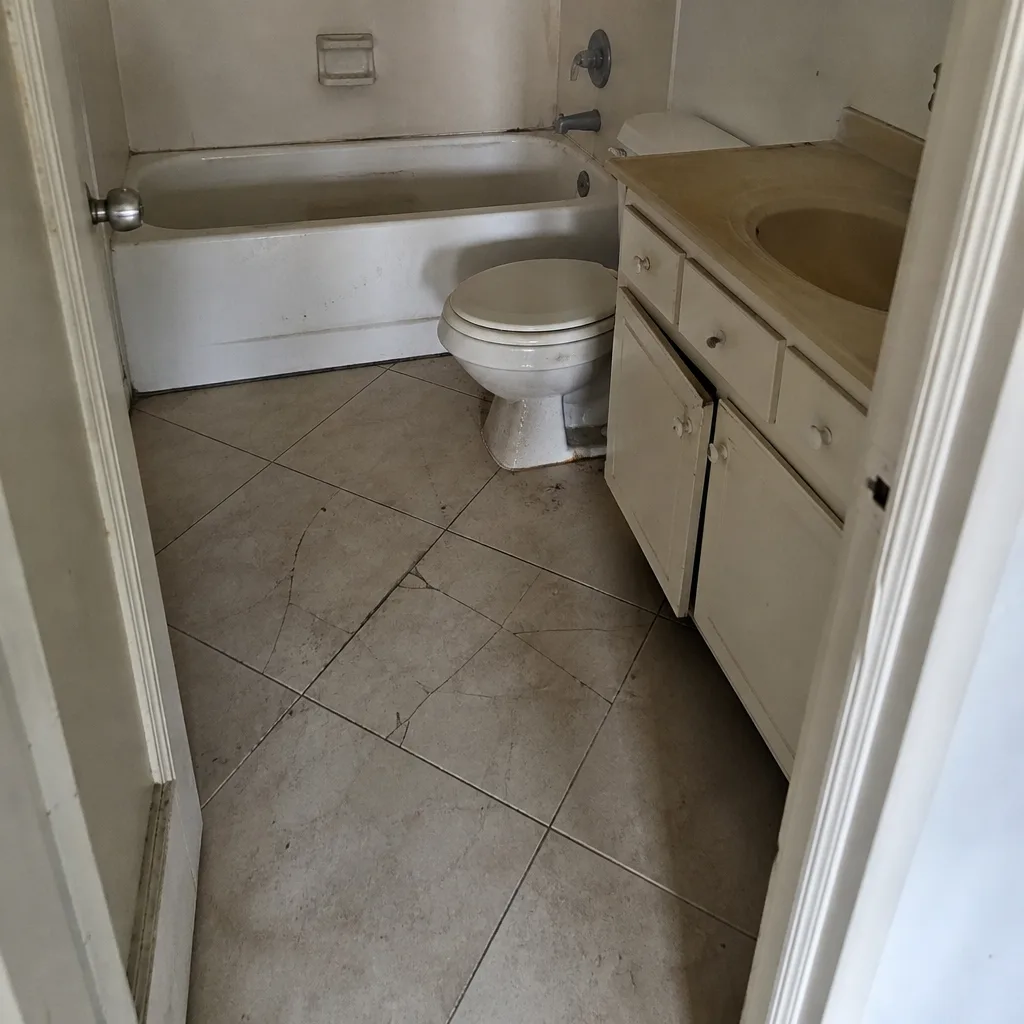 Before
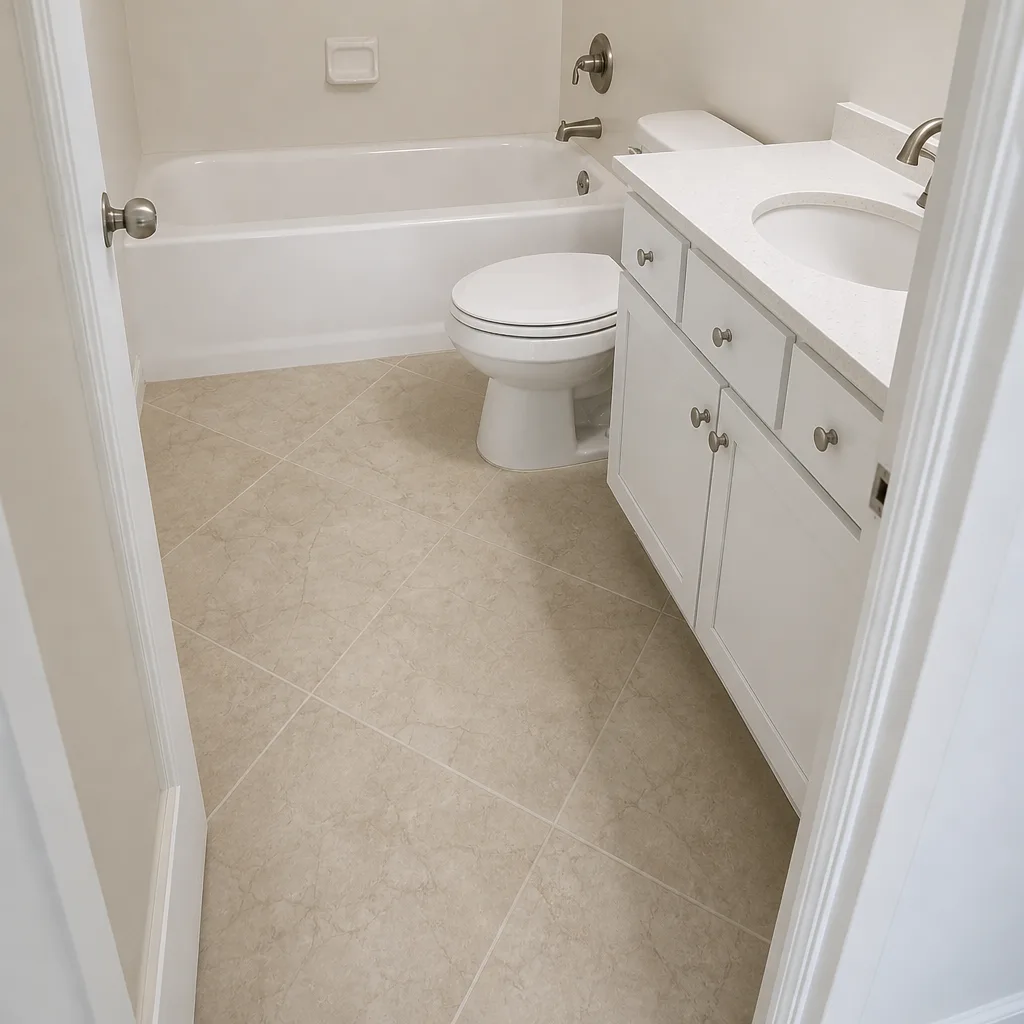 After
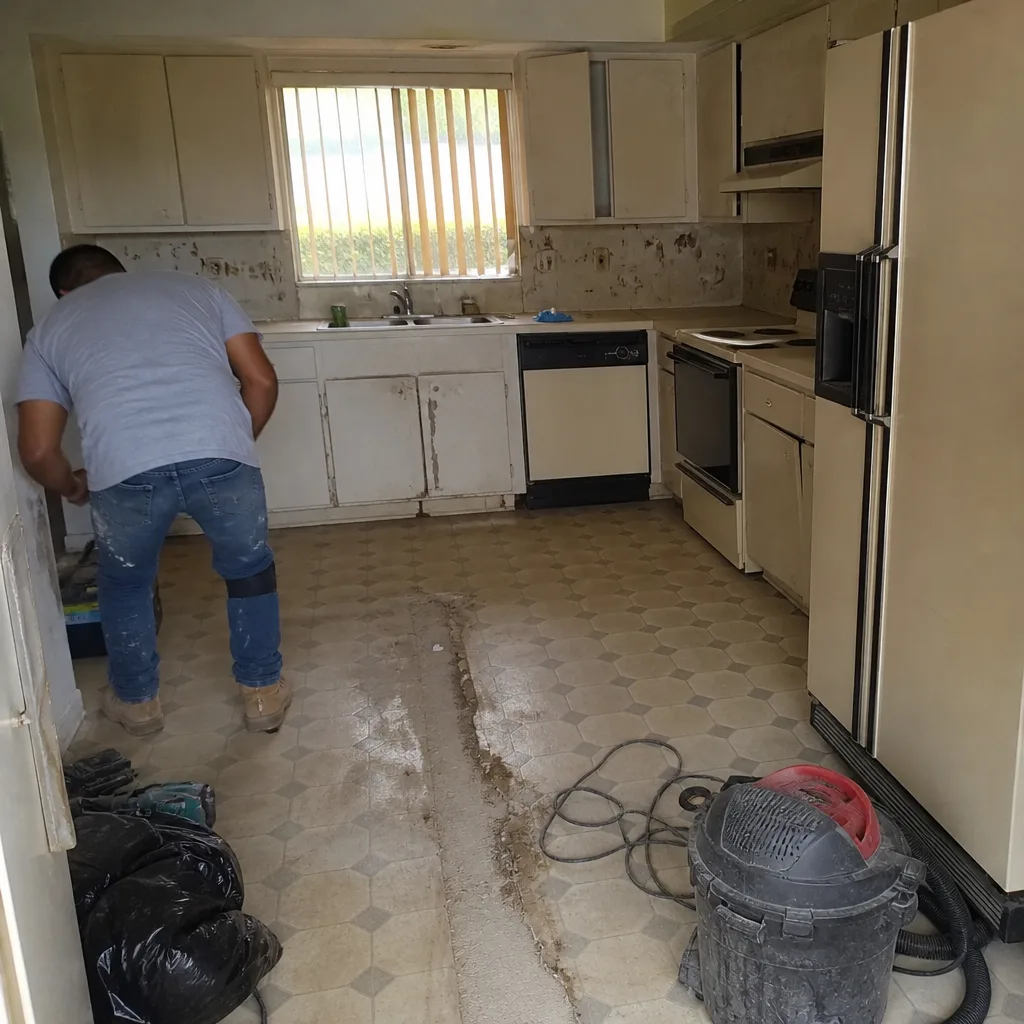 Before
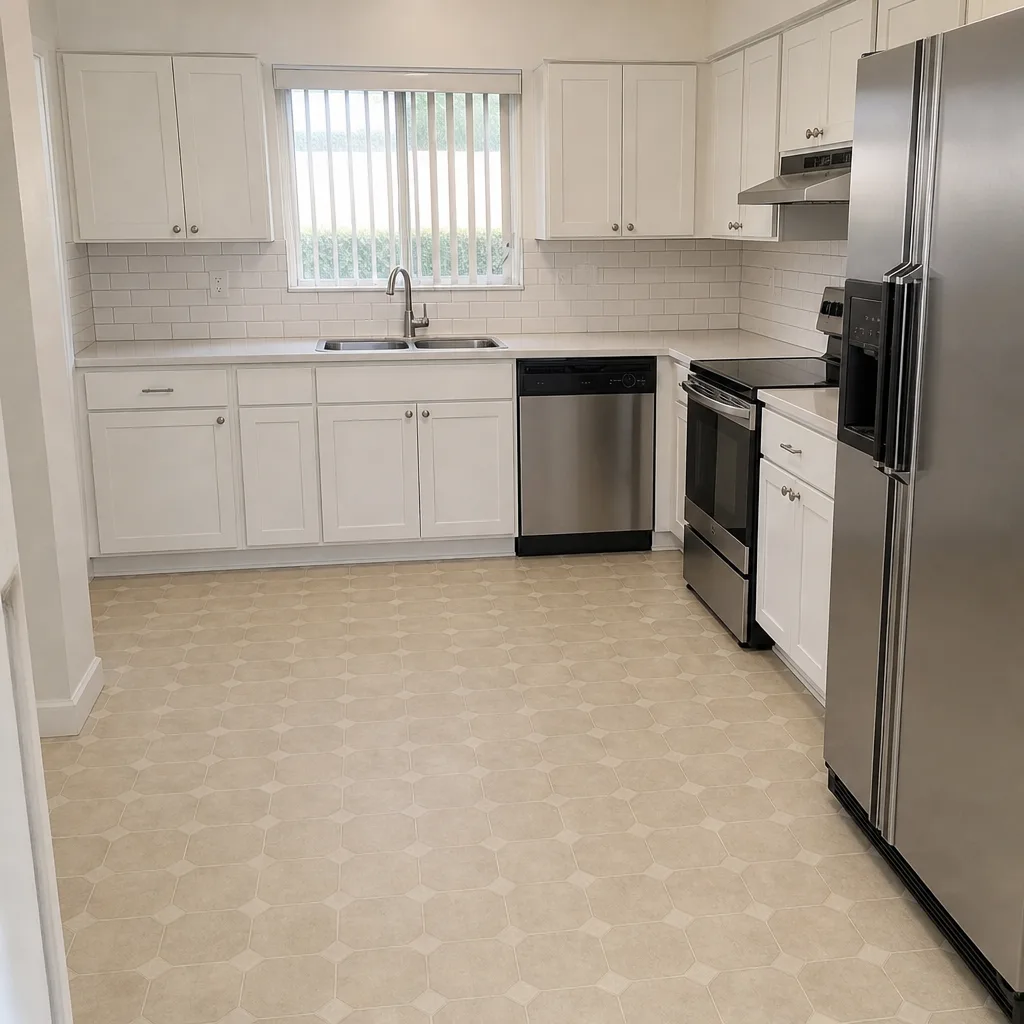 After
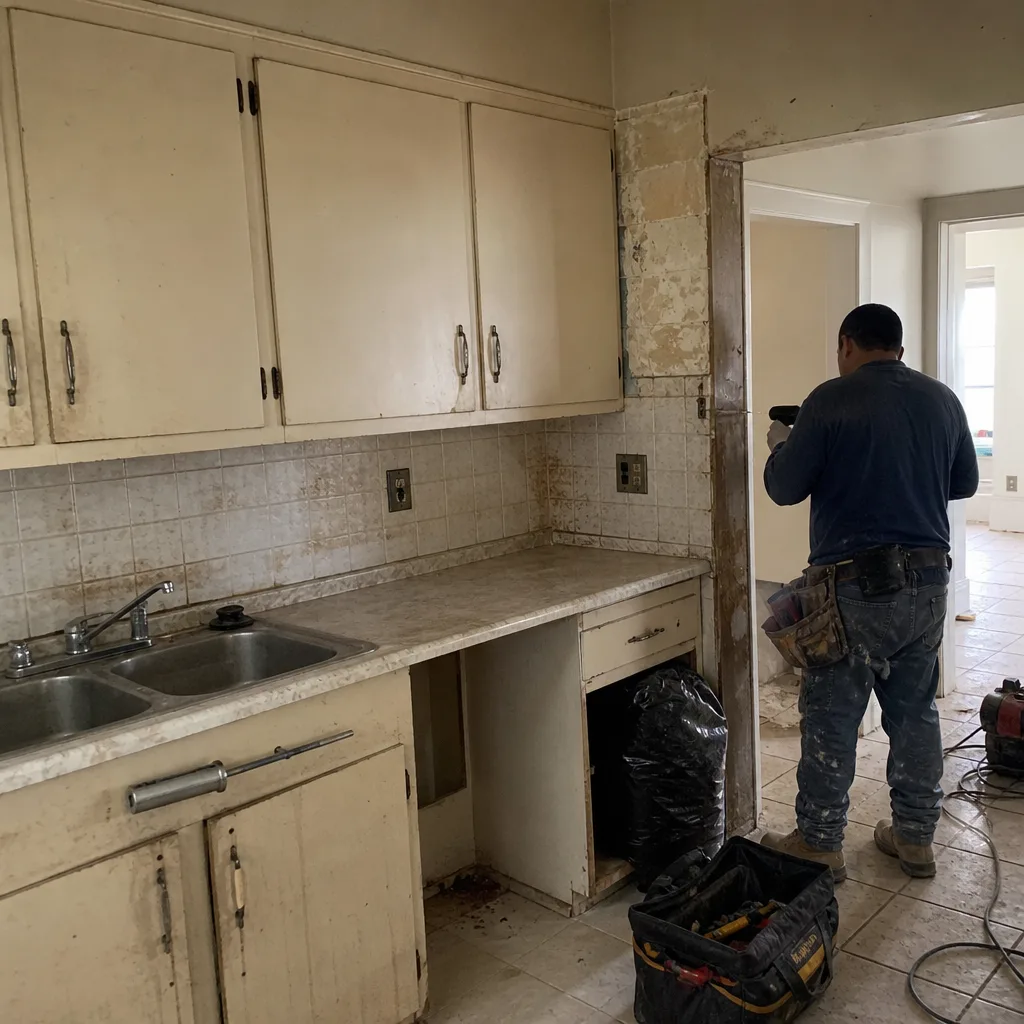 Before
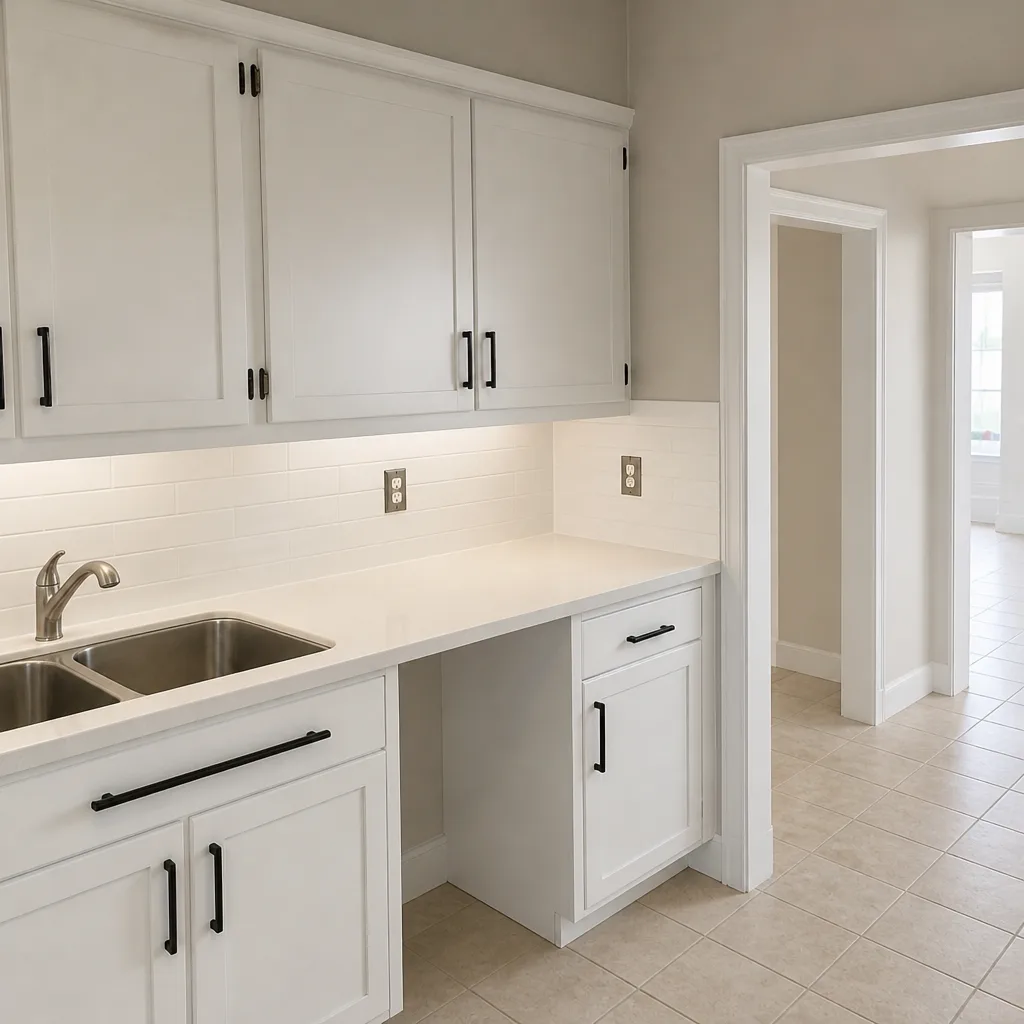 After
When to Call a Professional
Call a licensed professional when the project requires a permit, touches electrical, plumbing, gas, structural, roofing, or the building envelope. Call when the HOA architectural review is involved – even the submission process benefits from experience with what each association’s committee expects. Call when you’ll need documentation at resale, when the warranty on a product worth five figures depends on licensed installation, or when the size of the project exceeds your comfort with the liability you’d be personally carrying. In our experience, Aventura homeowners who get the scope right upfront end up paying less per square foot than those who start DIY and correct course halfway through, because correcting unpermitted or non-compliant work typically means removing what’s already there.
Groundwork Construction Co. of Aventura is licensed and insured, answers calls with a live person 24 hours a day, and offers free estimates in Aventura – call (833) 716-6251. If it’s useful, ask about the standing $1,000 off projects over $10,000 and 0% financing for 18 months – both make large-scope projects easier to plan around real numbers.
Frequently Asked Questions

Yes, for any project requiring a permit beyond a single-family owner-builder exemption, and for specific trades like electrical, plumbing, gas, HVAC, and roofing work. Florida law doesn’t allow a homeowner to direct unlicensed subcontractors under the owner-builder exemption – the exemption only covers work you perform yourself. For anything beyond cosmetic work, hire a licensed contractor.
Often not. Most standard policies exclude damage caused by unpermitted or unlicensed work, and if a failed DIY plumbing or electrical job causes water or fire damage, the claim can be denied entirely. The financial exposure from a single denied claim usually exceeds the cost difference between a DIY attempt and a properly contracted job.
The HOA can issue a stop-work order, fine the homeowner, and require removal and redo of the completed work – even with a valid city permit. Aventura HOA architectural committees operate independently of the building department, and written approval is required before exterior changes regardless of permit status. The safest sequence is HOA approval first, then the permit.
Yes – Florida requires disclosure of material facts about the property, and unpermitted work that would not pass inspection is a material fact. Aventura buyers’ inspectors routinely pull permit history, compare work to recorded square footage, and check product approval labels on windows and doors. Undisclosed unpermitted work is grounds for a lawsuit after closing.
Interior painting, cabinet hardware, faucet cartridge swaps, landscaping without structural changes, pressure washing, and basic caulk replacement around windows and doors. These require no permit, typically don’t trigger HOA review, and carry minimal financial or code exposure if a step goes wrong. Anything requiring a permit or HOA architectural review is where the professional route earns its cost.
A professional mid-range bathroom remodel in Aventura typically runs $18,000-$35,000 depending on size and finishes, while a DIY attempt on the same scope often comes in at $9,000-$16,000 in materials but carries the permit, warranty, and resale risks described in this guide. Over a five-year ownership window, the professional project typically nets out cheaper once you account for warranty coverage, resale documentation, and the cost of fixing a failed DIY attempt. Call (833) 716-6251 for an exact quote – estimates are free.
The Bottom Line
The DIY vs. professional decision in Aventura isn’t primarily about skill – it’s about legal exposure, insurance coverage, and resale documentation. Florida law puts structural, electrical, plumbing, gas, roofing, and impact-window work squarely in professional territory, and Aventura HOA rules add an approval layer most other markets don’t have. Where DIY makes sense – interior paint, hardware, cosmetic landscaping, caulking – it’s genuinely worth doing yourself. Where a permit is required, the professional premium pays for itself through warranty coverage, liability protection, and clean resale paperwork. Get the scope right upfront, get the HOA approval first, and get the permit done properly.
Groundwork Construction Co. of Aventura has been in business since 2014, serving homeowners on projects from foundation to finish line across seven core service lines – Kitchen Remodeling, Bathroom Remodeling, Roofing, Windows & Doors, Fence Installation, Driveway & Pavers, and Home Additions & ADU – backed by trusted brand partners and the 730-Day Done Right Promise. Whether you’re ready to move forward or just want to understand the scope of a project you’re weighing, call (833) 716-6251 for a free estimate. Calls are answered by a live person 24/7, no voicemail black holes, no waiting until Monday morning.
Written by the team at Groundwork Construction Co. of Aventura.