Last updated November 18, 2026

Free written scope consultation - allowances, timeline, and change-order rules on paper before a single trade is scheduled
Windows & Doors Troubleshooting: Common Problems and How to Fix Them
A door that sticks in summer and gaps in winter isn’t a hardware problem. It’s your house telling you something is moving, and whether that movement is normal seasonal expansion or foundation shift determines everything about the right fix. In our experience across Aventura, most homeowners call a contractor for what turns out to be a $40 weatherstripping job, or they ignore what turns out to be a $4,000 frame failure. This guide teaches you to read the symptoms accurately: drafts, condensation between panes, water intrusion, sticking operation, and noise penetration each point to a different failure point. By the end, you’ll know what you can fix yourself and what needs a licensed contractor.
Quick Answer
Most window and door problems have clear, diagnosable symptoms before they become expensive failures. Drafts, foggy glass, sticking operation, water stains, and noise each map to a specific cause. The trick is distinguishing a $40 weatherstripping fix from a $4,000 frame replacement before you call anyone. Hardware and seals are usually DIY; frame, glass, and installation failures require a licensed contractor in Miami-Dade.
Styles & brands we work with
- Kitchen remodeling
- Bathroom remodeling
- Home additions & ADU
- Roofing
- Windows & doors
- Driveway & pavers
- Fence
Table of Contents
- Symptom-to-Cause: What Each Problem Is Telling You
- Frame Failure vs. Installation Failure vs. Product Failure
- South Florida Problems You Won’t Find in National Guides
- DIY vs. Licensed Contractor: Where the Line Is
- How to Document Problems Before You Call
- Step-by-Step Troubleshooting: A Room-by-Room Walk-Through
- What Repairs Typically Cost
- When to Call a Professional
Symptom-to-Cause: What Each Problem Is Telling You
Every window and door failure gives you symptoms before it gives you a bill. Reading those symptoms accurately is the difference between a small fix and a full replacement. Here’s how we map the five most common complaints to their actual causes.
Drafts. A draft is air moving through a gap. In newer homes, that’s almost always weatherstripping or a threshold seal that’s compressed, cracked, or missing. In older Aventura homes with aluminum frames, drafts often trace to shrunken gaskets or a frame that’s pulled slightly out of square. The location of the draft tells you which: run a hand along the perimeter. Draft at the top or sides points to weatherstripping. Draft at the bottom points to the threshold or door sweep. Draft along the entire frame on one side points to a shift.
Condensation between panes. Fog, mist, or water droplets inside a sealed double- or triple-pane window mean the seal has failed. That’s not a glass problem, it’s a unit failure. The desiccant inside has absorbed all the moisture it can and the inert gas has leaked out. You cannot dry this out. The insulated glass unit, or IGU, has to be replaced, which is usually cheaper than replacing the entire window if the frame is sound.
Sticking operation. A window that won’t slide, a door that drags on the floor, or a sash that binds when you lift it is telling you the geometry has changed. Three things cause that: seasonal humidity swelling the wood door slab, settling or shifting in the house, or hardware that’s worn or misaligned. Test it by watching whether the stick is seasonal (only in summer or only after rain) or constant. Seasonal points to swelling. Constant points to settlement or hardware.
Water intrusion. Water stains on the interior jamb, sill, or drywall around a window or door point to a failed sealant, failed flashing, or a blocked weep hole. In South Florida, heavy wind-driven rain finds every weak point in a façade. If the stain is at the sill, look to the exterior caulk line. If it’s at the upper corners, suspect the flashing above. If it’s on the interior drywall but not the window itself, the leak may be from the roof, wall assembly, or a nearby penetration, not the window at all.
Noise penetration. A window that suddenly lets in more traffic noise than it used to is telling you a seal has opened up. That could be weatherstripping, a cracked frame, or a failed IGU. If it’s a single-pane window in an Aventura condo that faces Biscayne Boulevard, it may simply be that the assembly was never designed for the noise load and you’re noticing it now because you’re home more. Impact-rated laminated glass is the standard fix in Miami-Dade for noise.
Frame Failure vs. Installation Failure vs. Product Failure
This is the diagnosis most homeowners miss, and it changes who pays for the fix and how the fix is done. Three different failures wear the same face: the window or door doesn’t work. But they’re distinct problems with distinct solutions and distinct warranty implications.
Product failure means the window or door left the factory fine and failed in the field. Foggy glass, cracked welds on a vinyl sash, or a lock that no longer latches on undamaged hardware are typical. These are covered under the manufacturer’s warranty. Andersen, Pella, and Marvin – the brands we install – all back their products for years, and product failures are the manufacturer’s responsibility.
Installation failure means the product was fine but the installation was wrong. Poor shimming, missing flashing, a frame set out of level, or a perimeter that wasn’t sealed correctly all show up as water intrusion, sticking, or premature rot. Installation failure is the installer’s responsibility, and in Miami-Dade it’s also a code and inspection issue. If the original install wasn’t permitted, the current homeowner may find the problem isn’t covered at all.
Frame failure means the structure the window or door sits in has failed – rot at the sill, rusted or corroded aluminum, a header that’s sagging, or a wall assembly that’s shifting. That’s a construction problem, not a window problem. Replacing the window without addressing the frame just moves the failure forward a few years.
Here’s how to tell which one you’re dealing with:
- Check the glass. Fog between panes is product failure. Clear glass with water intrusion is something else.
- Check the perimeter. Look for gaps, soft wood, or corrosion at the frame. Soft or crumbling material is frame failure.
- Check the water direction. If it shows up inside only during wind-driven rain, suspect installation flashing and sealant.
- Check whether multiple windows in the same room fail together. Installation failure often shows on all units from the same crew. Product failure usually shows on one unit at a time.
- Check for permits. In Miami-Dade, replacement windows and doors need a permit and inspection. If the prior install wasn’t permitted, that’s a flag.
South Florida Problems You Won’t Find in National Guides
National troubleshooting guides are written for Ohio and Oregon. Aventura sits on Biscayne Bay in a salt-air, high-UV, hurricane-zone climate, and that changes the failure profile completely. If your window or door problem isn’t on a national list, it’s probably on this one.
Salt-induced hardware corrosion. Salt air eats metal. Door handles, hinges, lock sets, window cranks, and sliding door rollers corrode faster in Aventura than almost anywhere else in the country. White powdery residue on aluminum hardware or stiff locks that no longer turn smoothly are the first signs. On sliding glass doors facing the water, we’ve seen stainless steel rollers seize within a few years if they weren’t marine-grade. Cleaning and lubricating hardware every six months with a silicone-based product extends life significantly.
Thermal expansion in aluminum frames. Aluminum expands and contracts with temperature swings. In Aventura, a south-facing window frame can gain meaningful length in direct afternoon sun and contract at night. Over years, that cycling loosens the weatherstripping, opens seams in the frame, and causes doors and windows to bind at certain times of day. If your sliding door only sticks in the afternoon sun and slides fine in the morning, that’s thermal expansion, not settlement.
UV degradation of seals. The Florida sun is brutal on sealant and gaskets. Exterior caulk, glazing tape, and weatherstripping exposed to direct sun break down faster here than in any northern climate. Sealant failure typically shows up as cracked, chalky caulk at the window perimeter, and that’s usually the first step in water intrusion. Resealing exterior windows every 3 to 5 years in Aventura is normal maintenance, not a sign of a bad install.
Hurricane-zone glazing codes. Miami-Dade and Broward County have the strictest wind-borne debris requirements in the country. Windows and doors in Aventura need impact-rated glass or approved shutter systems, and replacement units must carry a Miami-Dade Notice of Acceptance. That means a window replacement here involves a permit, an inspection, and product documentation. This is why windows and doors are their own trade in South Florida, not a handyman job.
DIY vs. Licensed Contractor: Where the Line Is
You can safely handle a lot of your own window and door troubleshooting. You don’t need a license to swap weatherstripping, adjust a lock, or replace a threshold seal. But some problems always require a licensed contractor in Miami-Dade, and treating them as DIY is how small problems become expensive ones.
Safe for most homeowners:
- Replacing weatherstripping on doors and operable windows
- Adjusting or replacing a door lock set, handle, or hinge
- Replacing a door sweep or threshold seal
- Cleaning and lubricating sliding door tracks and rollers
- Re-caulking exterior trim at the perimeter (surface clean-up, not structural)
- Adjusting a strike plate to fix a misaligned latch
- Cleaning weep holes and drainage channels
Requires a licensed contractor:
- Replacing an insulated glass unit (IGU) above the first floor, or any IGU where the frame must come out
- Any water intrusion that traces beyond the sealant line into the wall assembly
- Replacing a window or door unit
- Anything that alters the opening, header, framing, or structural connection
- Removing or repairing a frame with rot, corrosion, or settlement
- Any work covered by a Miami-Dade permit, which includes all window and door replacements
The safety caveat. Second-floor windows, sliding glass doors over balconies, and any glass above ground level carry a real risk – the weight, the glass, and the fall hazard aren’t DIY territory. That’s a licensed contractor and a permit, in Aventura more than most places because of the impact-glass code.
When the work is real construction – a window replacement, a door replacement, or a related project like a room addition that involves new openings – we handle it through our windows and doors team with the same 730-Day Done Right Promise that covers every project we build. From foundation to finish line, one contractor, one warranty.
How to Document Problems Before You Call
Half of getting an accurate diagnosis is the documentation you bring to the conversation. A contractor who shows up to a vague complaint will give you a vague estimate. A homeowner who shows up with photos, dates, and test results gets a specific fix and a specific price. Here’s how to document your window and door problems before anyone arrives.
- Photograph everything, wide and close. Take a wide shot of the entire window or door, then close shots of the specific problem. Include the interior and exterior in the same set.
- Photograph with a reference object. Place a tape measure or a common item next to any gap, stain, or crack so the scale is clear.
- Note dates and conditions. Write down when the problem appears – after rain, in the afternoon sun, only in summer, or constantly. The condition is often the diagnosis.
- Record the weather. Wind-driven rain on a specific side of the house points to different failure modes than still-water leaks. Note wind direction if you can.
- Test the draft. On a windy day, hold a light piece of tissue along the perimeter of the window or door and photograph where it moves. That’s a draft map.
- Check multiple identical units. If one window fails, photograph all the similar windows in the same room. Patterns help diagnose installation vs. product failure.
- Find the original paperwork. Window and door brand, model, install date, and any warranty documentation. This can make the difference between a warranty claim and a full replacement.
- Note the permit history. Miami-Dade’s online portal lets you look up whether the original window or door install was permitted. If it wasn’t, you’ll want to know that before you call.
In our experience, homeowners who arrive with this documentation get more precise solutions and avoid the “we need to replace the whole thing” conversation that comes from a vague diagnosis. It also means the estimate is accurate the first time – upfront pricing, no surprises later.
Step-by-Step Troubleshooting: A Room-by-Room Walk-Through
Here’s the actual sequence we walk through when we assess windows and doors. You can do all of this yourself in about 20 minutes per opening. Take notes and photos as you go.
- Open and close the unit. Full range of motion, no binding, latch engages smoothly. If it binds, note where.
- Check the perimeter visually. Look for cracked caulk, gaps, cracks in the frame, water stains, or soft wood. Note interior and exterior.
- Run the tissue test. Hold the tissue along the perimeter with the unit closed. Draft is a specific location and a specific repair.
- Look through the glass at an angle. Fog or a smoky haze inside an IGU means the seal is gone. That’s a specific replacement.
- Test the hardware. Locks, handles, hinges, rollers. Operation should be smooth. A lock that sticks or a roller that drags is hardware service.
- Check the threshold and sill. Door sweeps, sill pans, weep holes. Look for dirt and debris blocking drainage. Clean if needed.
- Look for water stains on the inside wall or ceiling. Anywhere near the window or door, use a flashlight at a shallow angle. Fresh stains smell musty; old stains look like brown rings.
- Check the exterior flashing above. A straight-line leak from above points to the flashing or the wall above, not the window itself. Photograph the exterior at the top corners.
- Test for noise. If the noise profile has changed, note which external sources are now louder. That narrows which seal has failed.
- Look at the same unit at different times of day. Morning vs. afternoon binding points to thermal expansion in aluminum. Constant binding points to settlement or hardware.
Do this once when the problem starts, and again in two weeks, and you’ll have a before-and-after that tells you whether the problem is stable or progressing. Progressing is a call-now signal. Stable is a schedule-it signal. Either way, you’ll know.
What Repairs Typically Cost
Pricing varies by brand, condition, and how much of the assembly needs to come out, but these are the ranges we see most often around Aventura. Treat these as a planning guide, not a bid – a free estimate from Groundwork gives you an exact number on your specific unit, with no surprises.
- Weatherstripping replacement (per opening): roughly $40 to $150 in materials and labor
- Door sweep or threshold seal: roughly $30 to $120
- Hardware replacement (lock set, hinges, rollers): roughly $80 to $350
- Insulated glass unit (IGU) replacement, standard size: roughly $250 to $900
- IGU replacement, impact-rated laminated: roughly $400 to $1,200
- Full window replacement, impact-rated, single unit: roughly $900 to $2,800
- Sliding glass door replacement, impact-rated: roughly $2,500 to $6,500
- Frame repair for rot or corrosion: roughly $600 to $2,500 depending on the extent
The dollar gap between a small weatherstripping fix and a full replacement is exactly the gap this guide is designed to help you avoid. When the diagnosis is accurate, the fix is proportional. A lot of Aventura homeowners who called us expecting a $4,000 replacement found out they had a $200 fix – and a lot of homeowners who thought they had a small fix, in our experience, were one hurricane season away from a water intrusion problem in the wall assembly. Getting the diagnosis right is the whole job.
If you’re considering the replacement path, we install Andersen and Marvin windows and doors – brands we chose for their Miami-Dade rated impact glass and their warranties – with 0% financing for 18 months available so a full-house window or door upgrade is manageable as a monthly budget rather than a lump sum.
Common Mistakes to Avoid
- Treating a seasonal stick as a permanent problem. A wood door that binds in July and frees up in January is swelling, not settling. Adjust the strike plate and plan around the humidity rather than paying for a replacement you don’t need.
- Caulking over the symptom without finding the leak. In Aventura, caulk hides water intrusion for a season and then rots the wall assembly behind it. Find the source before sealing anything.
- Replacing a foggy window by replacing the whole window. If the frame is sound, the IGU can usually be swapped out for less. Look at the frame first.
- Buying non-impact glass in a hurricane zone. Any Aventura window or door replacement needs impact-rated glass or approved shutter protection. Installing non-rated glass can fail inspection and void insurance coverage.
- Skipping the permit. Miami-Dade permits for window and door replacements are not optional. Unpermitted work shows up at sale, at insurance review, and at the next inspection.
- Ignoring the hardware until it fails. A stiffer lock in Aventura’s salt air is a service call, not a replacement. A lock that won’t open at all is an emergency.
- Choosing a contractor based on lowest bid. A cheap window install that fails the inspection or leaks in the first hard rain costs far more than a correct one. Ask about the warranty, the permit, and the impact rating – in writing.
When to Call a Professional
Call a licensed contractor when any of these are true: water is appearing inside the wall or ceiling around a window or door, an IGU has fogged and the frame must come out to replace it, a door or window won’t close or latch at all, you see soft wood or white corrosion around the frame, or the problem is a replacement rather than a repair. In Miami-Dade, all window and door replacements are permitted work, so this is always a licensed job – not a handyman job, and not a Saturday DIY.
If your windows and doors connect to a bigger project – new impact-rated windows for the whole house, new sliding doors opening to a new patio, or window changes tied to a Home Additions & ADU in Aventura build – bring us in early so we can sequence the work correctly. Groundwork Construction Co. of Aventura offers free estimates in Aventura, and our calls are answered by a live person 24/7. Call (833) 716-6251 anytime.
See the difference
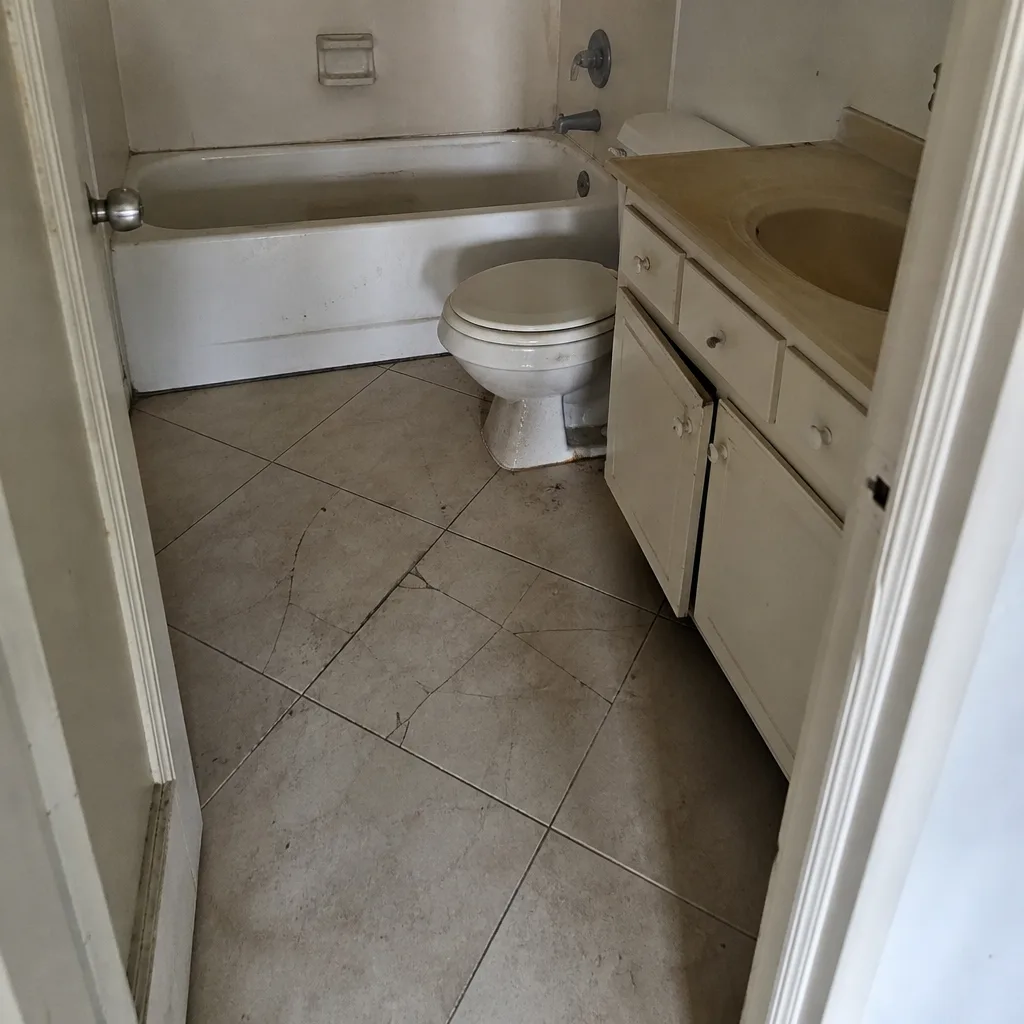 Before
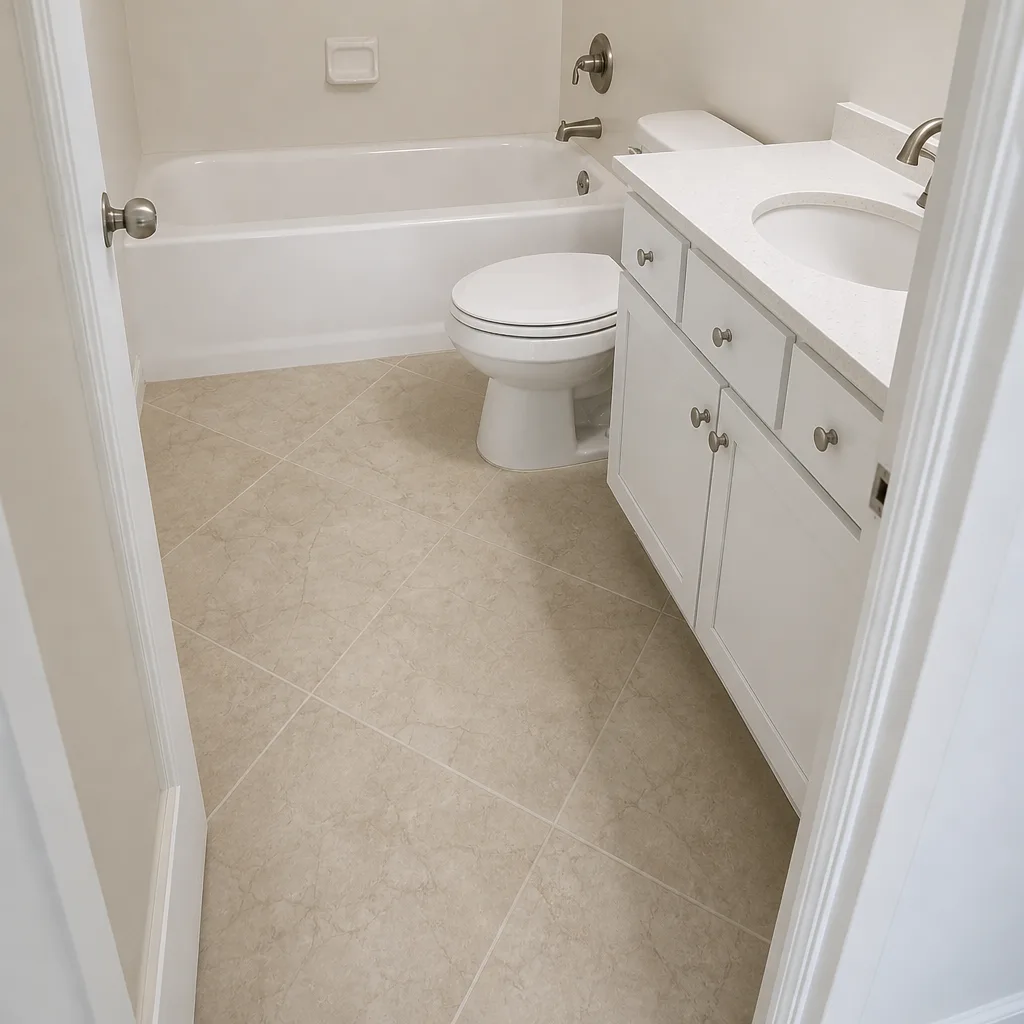 After
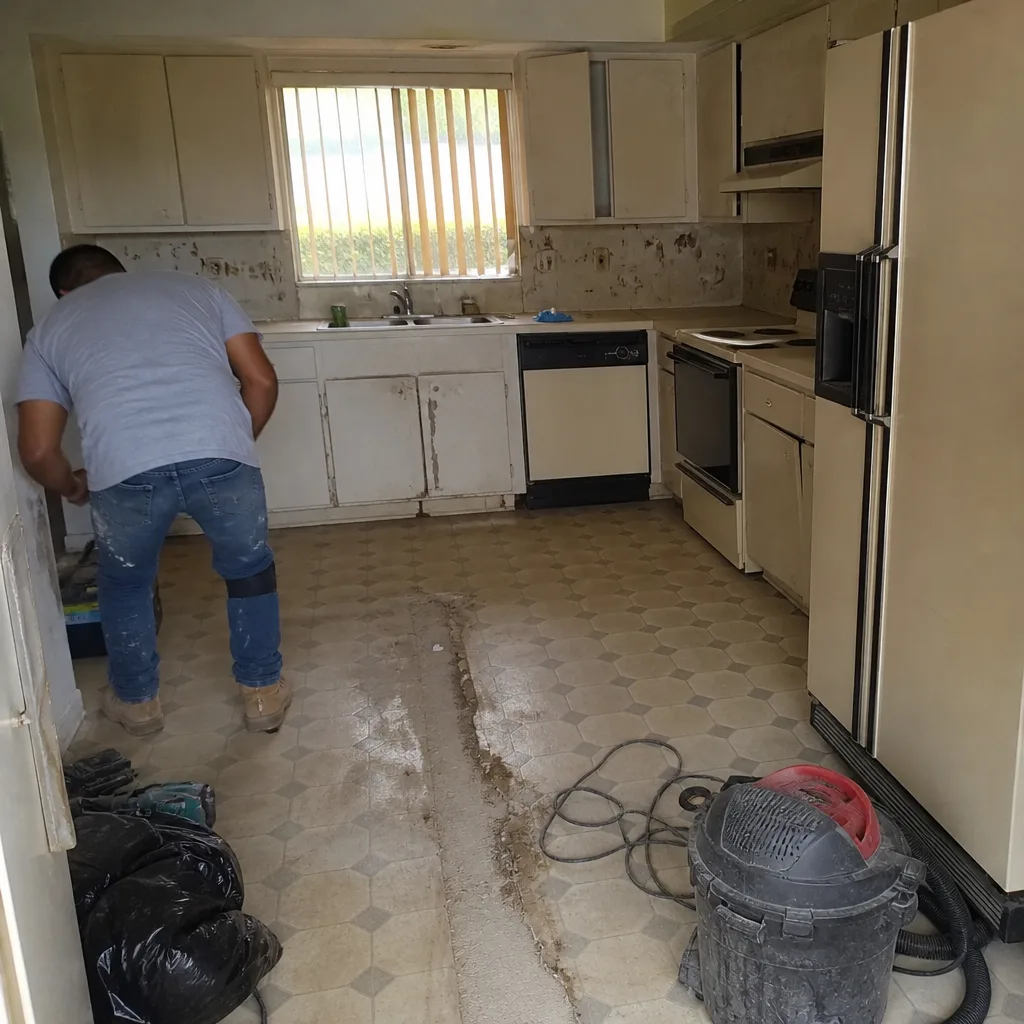 Before
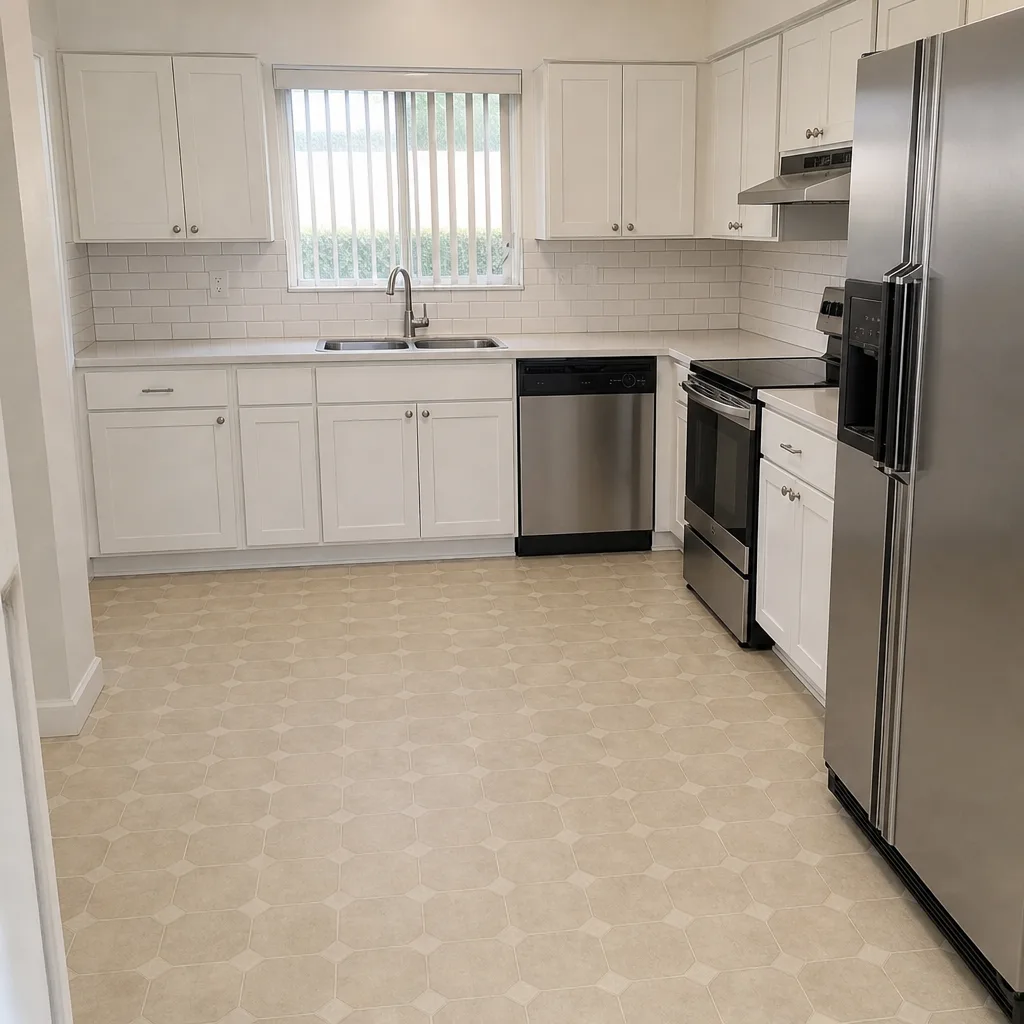 After
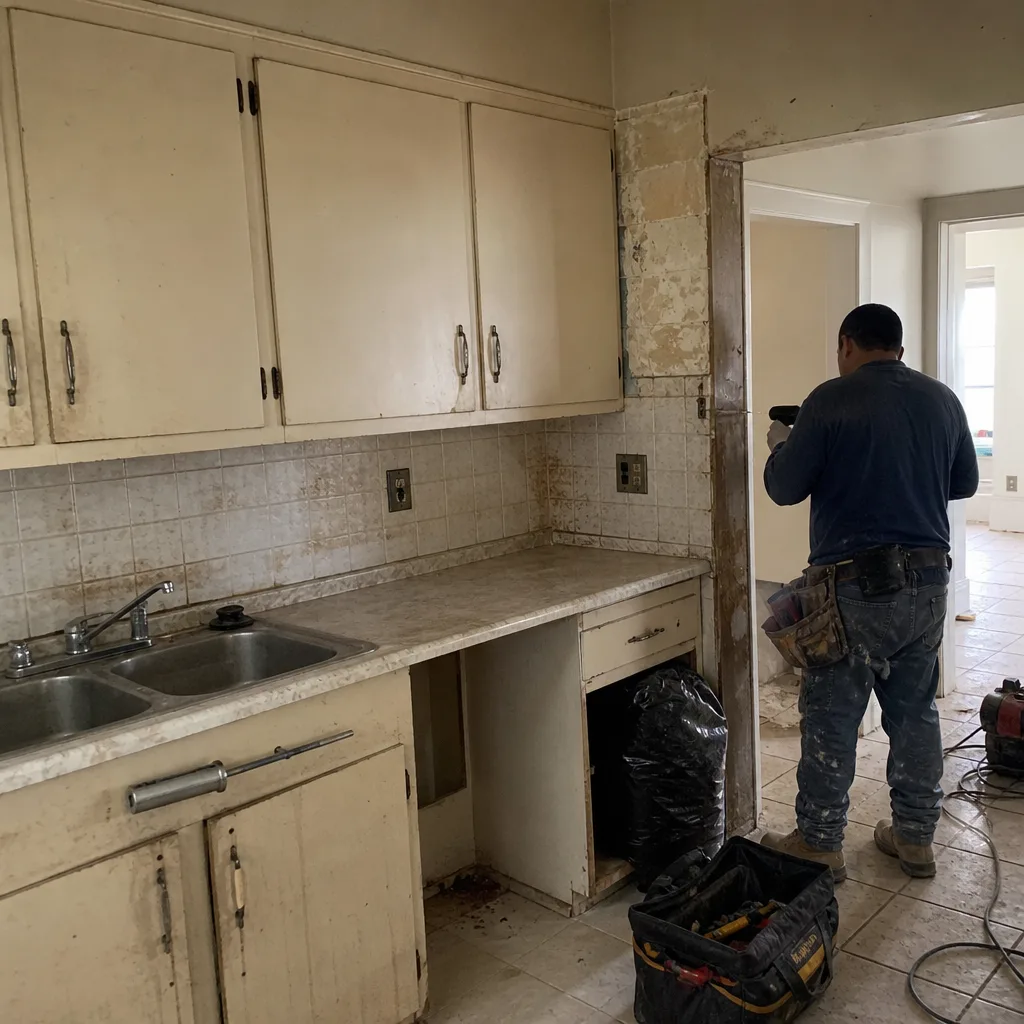 Before
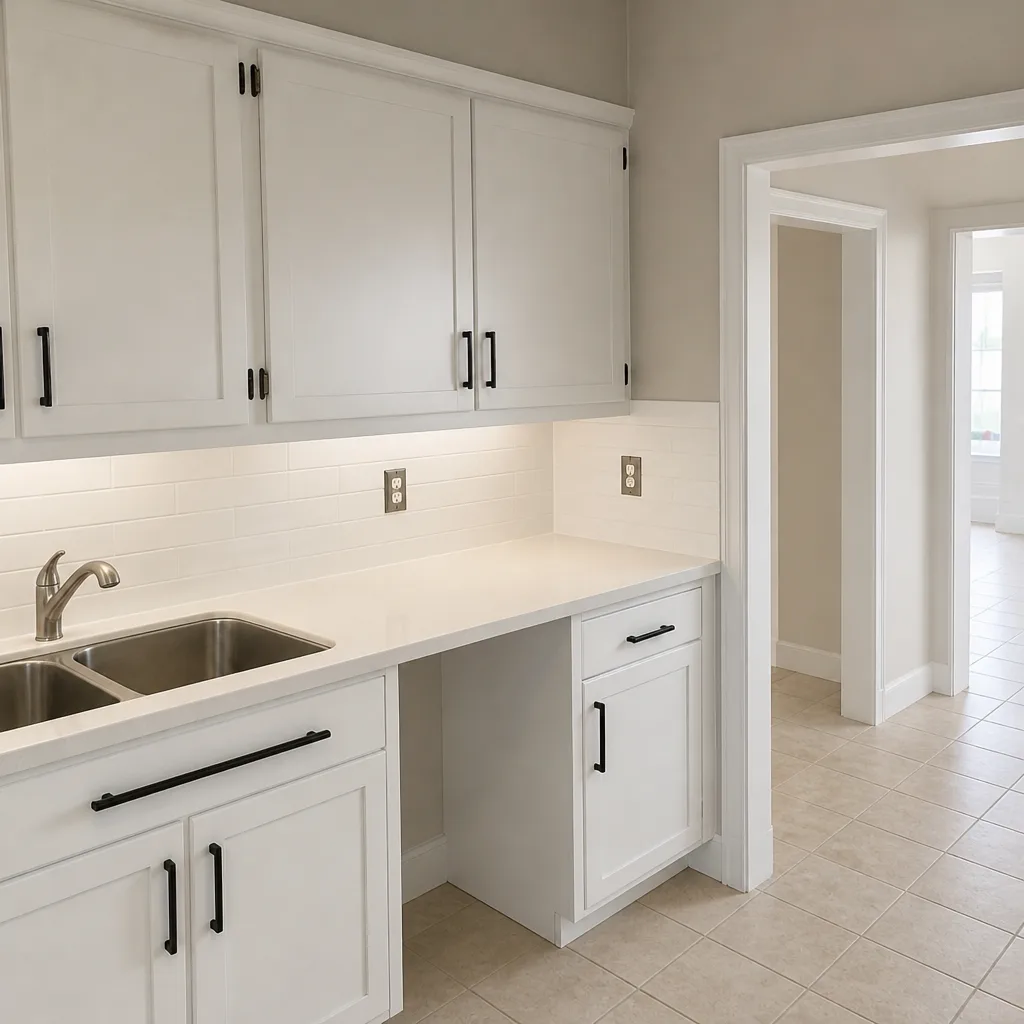 After
Frequently Asked Questions
Fog between the panes means the seal on the insulated glass unit has failed and moisture has entered the space between the panes. You cannot dry it out or clean it – the IGU has to be replaced, which is usually cheaper than replacing the whole window if the frame is still in good shape. Call (833) 716-6251 for a free estimate; most Aventura IGU replacements are done in a single visit.
A wood door that sticks in summer is swelling from humidity, which is normal in South Florida and usually fixable by adjusting the strike plate or hinge, not by replacing the door. If the door sticks year-round, or if the sticking gets worse each year, that points to settlement and it’s worth having someone check the frame before you repair the door itself.
Frame failure means the structure around the window or door has failed – rot, corrosion, or a wall that’s shifting. Installation failure means the product was fine but not set, shimmed, flashed, or sealed correctly. Both can look the same from the inside; the way to tell is by looking at the exterior flashing, checking for soft wood, and checking the permit record. The two have different fixes and different warranty implications.
Yes. Miami-Dade requires a permit and inspection for window and door replacements, and replacement units must carry a Miami-Dade Notice of Acceptance for impact rating. Unpermitted work can cause problems at sale, with insurance, and at future inspections. Groundwork pulls the permits and passes the inspections on every window and door project we build.
Look at the etch mark in the corner of the glass – impact-rated laminated glass carries a permanent marking that identifies the manufacturer and the Miami-Dade product approval. If there’s no etch mark, or if you can’t find it, don’t assume the window is rated. This matters for insurance and for inspections. A free estimate from us includes verifying the rating on every unit.
Most single window replacements in Aventura are done in a single visit. A full-house window and door project typically runs several days to a couple of weeks depending on the count and whether any frame or wall repair is needed. We sequence the work so the house stays secure and weather-tight each night, and we walk you through the schedule before we start.
The Bottom Line
Window and door problems are diagnosable. Drafts, fog between panes, sticking operation, water intrusion, and noise each point to a specific cause, and the cause tells you the right fix. In Aventura, the diagnosis has to include the local climate – salt air, thermal expansion in aluminum, UV-degraded seals, and hurricane-rated glass – or it will miss the real problem. Document before you call, keep the small problems small, and know the line between a DIY weatherstrip and a permitted window replacement. When the diagnosis is right, the fix is proportional. If you’d like the diagnosis from a licensed contractor who’s been reading these symptoms in South Florida for years, Groundwork Construction Co. of Aventura home is here to help.
Related Services We Offer in Aventura
- Driveway & Pavers in Aventura – hardscape that complements new entry doors and patio sliders
- Fence Installation in Aventura – from Jerith aluminum to Bufftech and ActiveYards vinyl, installed to match your home’s exterior
What happens when you call
- 1
A real person answersNo phone trees – you reach a local pro.
- 2
You get an upfront price rangeHonest numbers before anyone is dispatched.
- 3
A background-checked tech heads outLicensed & insured, dispatched right away.
- 4
You approve before work beginsNothing starts until you say go.
Ready for a Free Estimate?
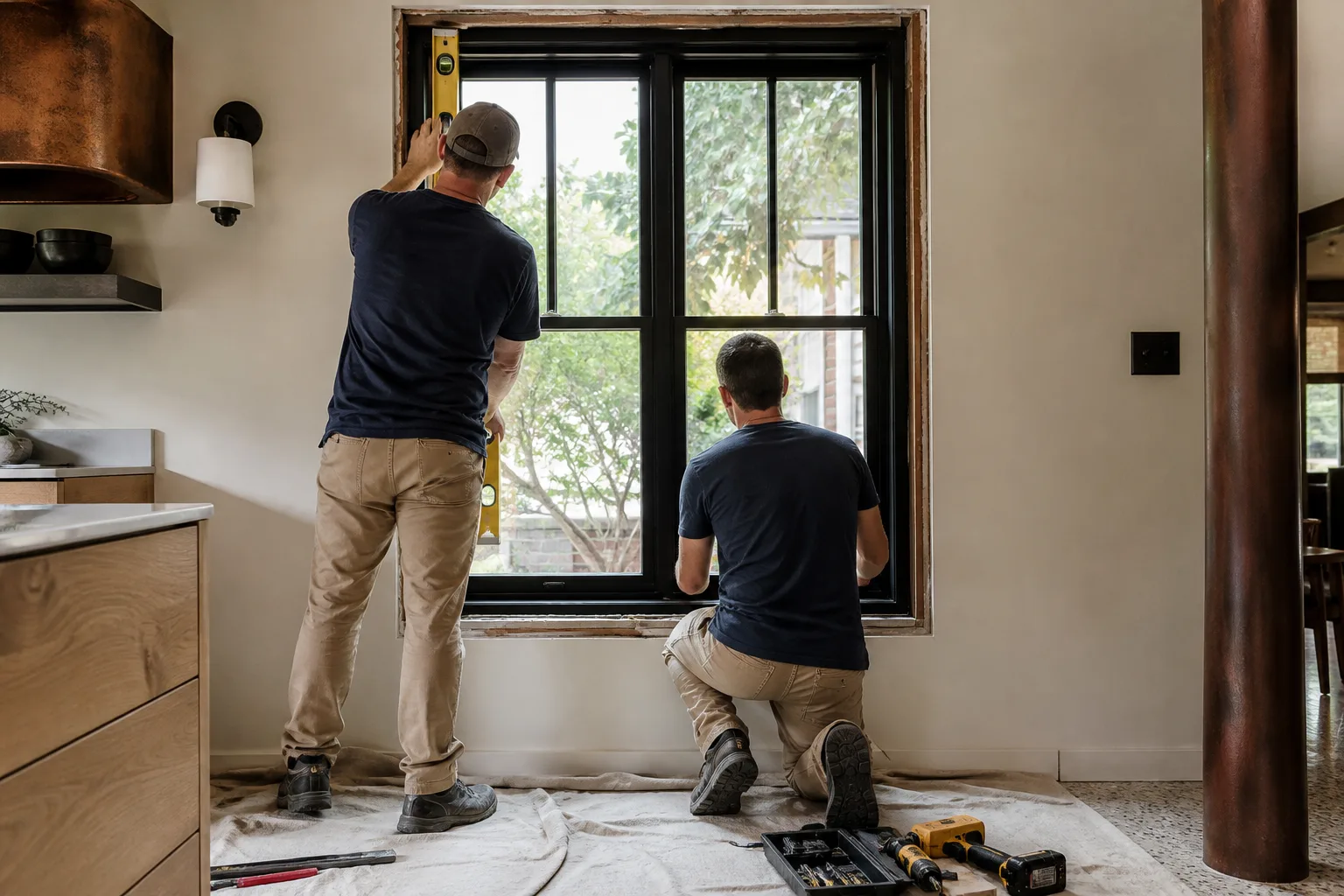
Groundwork Construction Co. of Aventura has been serving Aventura homeowners with straight answers, honest pricing, and a 730-Day Done Right Promise on every job. Our technicians have up to 12 years of experience, they arrive background-checked and in uniform, and every call is answered by a live person 24/7. Windows and doors are one of our core service lines, backed by Andersen and Marvin – and if you’re planning behind a bigger project, they pair nicely with our Driveway & Pavers in Aventura, Fence Installation in Aventura, and Home Additions & ADU in Aventura services. Call (833) 716-6251 to schedule your free estimate, and ask about $1,000 off projects over $10,000 or 0% financing for 18 months. From foundation to finish line, built to last, backed in writing.
Written by the team at Groundwork Construction Co. of Aventura.