Last updated November 18, 2026
Free written scope consultation - allowances, timeline, and change-order rules on paper before a single trade is scheduled
DIY vs Professional Bathroom Remodeling: What’s Safe to Do Yourself
Here’s a number that changes how most homeowners think about a bathroom project: a $200 DIY tile job that traps moisture behind the wall can turn into a $4,000 mold remediation bill two years later. That’s not a scare tactic. It’s a pattern we see on a monthly basis in a market as humid as Aventura, where the wrong backer board and a skipped waterproofing membrane quietly rot behind a clean-looking finish. This guide draws an honest line through the whole remodel. You’ll learn which tasks a careful homeowner can genuinely take on, which ones can void a warranty or fail an inspection, and how to stage a hybrid remodel that keeps real money in your pocket without risking the parts you can’t see.
Styles & brands we work with
- Kitchen remodeling
- Bathroom remodeling
- Home additions & ADU
- Roofing
- Windows & doors
- Driveway & pavers
- Fence
Quick Answer
Cosmetic work is safe to do yourself: painting above the tile line, swapping a vanity, hanging a mirror, replacing faucet hardware and towel bars. Anything involving waterproofing, plumbing relocation, electrical changes, structural walls, or the building envelope should go to a licensed professional. In Aventura and across Miami-Dade, most of that technical core also requires a permit, which by law means a licensed contractor is pulling it. The dividing line isn’t skill level. It’s liability, and what happens if the work is wrong.
Table of Contents
- What’s the Real Cost When a DIY Bathroom Goes Wrong?
- The Florida Line: What the Law Says You Can’t Do Yourself
- Cosmetic Work That’s Genuinely Safe to DIY
- The Non-Negotiable Professional Tasks
- YouTube-Able vs. Code-Compliant: The Gap That Fails Inspection
- The Hybrid Model: Where DIY Actually Saves Money
- Permit Reality in Aventura and Miami-Dade
- Common Mistakes to Avoid
- When to Call a Professional
- Frequently Asked Questions
What’s the Real Cost When a DIY Bathroom Goes Wrong?
The right question was never “Can I do this myself?” Every capable homeowner can make a faucet work or lay a straight row of tile. The question that actually protects your wallet is “What does it cost if I do this wrong?” That answer changes everything, because bathroom failures don’t announce themselves. They hide behind drywall and show up months later as a soft spot in the subfloor or a musty smell you can’t place.
Here’s the honest math on a few common Aventura bathroom projects:
| Task | Pro Cost (typical) | Cost If Done Wrong |
|---|---|---|
| Shower waterproofing | $600-$1,400 | $3,500-$9,000 in rot repair and mold remediation |
| Relocating a drain line | $400-$900 | $2,000-$6,000 in slab or subfloor repair plus re-plumbing |
| Tile install over improperly prepped substrate | $1,200-$3,000 labor | $4,000-$8,000 to tear out and redo after the tile loosens |
| Ventilation fan wired to the wrong circuit | $250-$500 | Failed electrical inspection, rework, and in a humid climate, chronic moisture |
Notice the pattern. The professional version of each task is measured in hundreds. The failure version is measured in thousands. And the failure version never stays contained to the bathroom. Water travels. In a condo building along the Aventura waterfront, a shower leak that finds the unit below can trigger a claim against your HOA policy and a repair bill that goes well past your own walls.
Aventura’s climate makes a routine mistake worse. With average humidity that sits high most of the year and powerful afternoon storms, a bathroom that isn’t sealed correctly becomes a moisture trap. We’ve walked into Aventura homes where a beautifully finished shower looked perfect from the outside and was already growing mold behind the tile at the eighteen-month mark. The homeowner did everything right except the part nobody sees. That’s the trap this guide is built to help you avoid.
The Florida Line: What the Law Says You Can’t Do Yourself
Florida doesn’t leave the definition of “safe to DIY” up to opinion. State law, enforced through Miami-Dade County and the City of Aventura, sets clear boundaries around work that requires a licensed contractor. Knowing those boundaries before you buy a single box of tile saves you from the worst outcome of all: a finished bathroom you have to tear open because the work can’t pass inspection or be permitted after the fact.
In general, these tasks require a licensed, permitted contractor by law in Florida:
- Electrical work beyond swapping a light bulb. New circuits, GFCI outlets, rewiring a ventilation fan, adding a heated towel bar to the wall circuit. A licensed electrician pulls the permit.
- Plumbing beyond a fixture swap. Moving a drain, relocating a toilet, replacing a shower valve body, or any change inside the wall requires a licensed plumber.
- Structural changes. Removing or modifying a load-bearing wall, enlarging a window opening, or altering framing. A licensed general contractor pulls the permit and coordinates the engineer if needed.
- The building envelope. Anything that opens or alters the exterior wall, including a new window or an exhaust vent cut through the exterior, touches the envelope and needs a permit.
- Waterproofing in a wet area. Many municipalities require the waterproofing layer to be inspected before tile goes up. That inspection requires a permit, and a permit requires a licensed contractor.
That last one surprises homeowners the most. The waterproofing membrane behind your shower tile is often inspectable. That means the wall has to be open for review before you cover it, and the person who installed it has to hold the license. A finished-looking job and an inspectable job are two different things, and only one of them protects your investment.
Miami-Dade takes permits seriously because of what happens without them. Unpermitted work discovered during a home sale can stall the closing, force a retroactive permit with penalties, or require demolition to expose the work for inspection. An unpermitted Aventura bathroom remodel can cost far more to fix than the original project cost to build. If you want to understand how a full, permitted remodel comes together in this market, our Groundwork Construction Co. of Aventura home page lays out the full-scope approach.
Cosmetic Work That’s Genuinely Safe to DIY
We mean this sincerely: there’s real, honest DIY work in a bathroom. Taking these tasks on yourself saves money, doesn’t void any warranty, creates no liability, and gives you a real sense of ownership over the finished room. Here’s what we’d confidently hand a capable homeowner in Aventura.
- Painting above the tile line. Prepping, priming, and painting drywall above the tile is straightforward. Use a bathroom-rated paint with a mold-resistant additive. In Aventura’s humidity, this makes a measurable difference.
- Swapping a vanity. Replacing a freestanding vanity that connects to existing plumbing with flexible supply lines is a genuine DIY win. You’re disconnecting and reconnecting, not relocating.
- Hanging a mirror or medicine cabinet. Standard drywall anchors and a level get this done. If you’re opening a wall to recess a cabinet, that changes the calculation.
- Replacing fixture hardware. Faucets that connect to existing supply lines and drains, showerheads, towel bars, robe hooks, toilet seats, and flush handles are all fair game.
- Caulking and re-grouting. Refreshing the caulk line around a tub or re-grouting a sound tile floor is a maintenance task, not a construction one. Do it before moisture gets behind the seal.
- Installing a freestanding over-the-toilet shelving unit. No wall penetration, no plumbing, no permit. Simple wins count.
- Upgrading a light fixture on an existing circuit. If you’re replacing a fixture on the same circuit and same switch, with the power off, this is a standard swap. Adding a new circuit is not.
What ties all seven together? None of them touch the wall cavity, the plumbing inside it, or the electrical wiring behind it. Cosmetic work lives on the surface. The moment your project opens a wall and starts moving parts inside it, you’ve crossed a line.
There’s a practical edge here that most guides skip: match your DIY ambition to your resale horizon. If you’re selling in Aventura within two years, a cosmetic refresh earns you the best return because it’s visible and photographic. A buyer’s inspector isn’t going to open your wall to check paint. But an inspector will absolutely flag unlicensed plumbing or an uncovered shower waterproofing. Keep your DIY limited to what an inspector would photograph well, not what an inspector would investigate.
The Non-Negotiable Professional Tasks
These are the tasks we’d never encourage a homeowner to attempt, no matter how much they’ve watched on YouTube or how confident they feel. Each one carries a specific, physical reason why the professional version matters, and each one has a clear failure cost we’ve seen play out in Aventura homes.
Waterproofing done properly. A shower is not a wall you cover in tile. It’s a moisture management system: cement board or a foam panel, a waterproofing membrane applied in specific overlaps, a pre-slope to direct water to the drain, and a vapor barrier in the right place. Get the order wrong, skip the pre-slope, or puncture the membrane, and water sits behind the tile. This is the single most expensive DIY mistake in any bathroom we’ve ever seen. Do it yourself only if you’re prepared to do the research, buy the right materials, and live with the result.
Plumbing inside the wall. Moving a drain or relocating a supply line means working on a slope, understanding the relationship between the trap and the vent, and making joints that hold under pressure for decades. A joint that weeps slightly at first won’t announce itself. It will quietly rot the subfloor for months. And in Florida, it’s a permitting issue regardless of whether the joint holds.
Electrical work beyond a swap. Bathrooms are wet rooms, which is why the National Electrical Code requires GFCI protection on every bathroom circuit. A bathroom addition that skips GFCI is a genuine safety hazard, not a code technicality. Adding outlets, running new circuits, or wiring a fan requires a licensed electrician and a permit in Miami-Dade.
Structural work. Removing a wall to open up a small bathroom, installing a new window, or changing floor joists for a heavier tub. These touch the structural system, and in a waterfront Aventura building, they may also touch an HOA agreement and a structural engineer’s review.
Building envelope changes. Cutting a new exhaust vent through an exterior wall, installing a new window, or altering any part of the wall that separates inside from outside. Florida’s building code and Aventura’s HOA requirements govern these carefully. Skip the details and you’ve introduced a water intrusion point that will find you in the first heavy rain.
An honest version of this conversation happens every time we walk an Aventura homeowner through a bid: the tasks on this list are where the money needs to go. Everywhere else, you have room to save. Our Home Additions & ADU in Aventura work runs into the same permitting reality, and it’s why the technical core on a structural project is never a DIY task.
YouTube-Able vs. Code-Compliant: The Gap That Fails Inspection
A YouTube tutorial shows you what a finished shower looks like. It doesn’t show you the inspection sheet that decides whether that shower is legal. This gap is the central trap in DIY bathroom work, and it’s wide enough that homeowners regularly fall into it without realizing they’ve crossed a line.
Here’s what “finished-looking” misses:
- Slope and drainage. A shower floor that looks flat may not slope correctly to the drain. It looks fine for months, then a small pool of water sits behind the tile line and starts working into the substrate. No visual check catches a 1/8-inch-per-foot slope problem.
- Vapor barrier placement. Vapor barriers belong on the warm side of the wall. Put one in the wrong place, or double up on barriers, and you can trap moisture instead of keeping it out. In Aventura’s humidity, this matters more than in dry climates because there’s more moisture in the air trying to move through the wall.
- Fastener type and spacing. Cement board fasteners have to be the right length, the right type, and spaced correctly. A tutorial may gloss over this. An inspector won’t.
- Membrane continuity. Waterproofing fails at the seams and corners, not in the middle of the panel. Videos show the field of the wall. The corners, where the membrane folds and overlaps, are what actually holds. If you get one detail wrong at a corner, the whole wall is compromised.
- Electrical placement relative to water. Code defines a zone around the tub and shower where outlets and switches can and cannot go. Getting this wrong is a safety issue and a code issue simultaneously.
- Ventilation sizing. A bathroom fan has to move enough CFM for the square footage and the fixture count. Undersize it, and in a humid Aventura bathroom, you’ve built a moisture problem into the room by design.
Here’s a useful test we share with homeowners considering DIY: before you start, ask yourself whether you have a specific, detailed answer to the question “How will this be inspected?” Not “how will this look.” How will it be inspected. If you can’t answer that in detail, then the task belongs with someone who can. That’s not a knock on your ability. It’s the honest recognition that the inspection details are the difference between a job that looks right and a job that actually is.
The Hybrid Model: Where DIY Actually Saves Money
This is the model we push hardest for a homeowner who wants to save money and keep their hands on the project. Call it the hybrid remodel: you handle the prep work and the finish work, and a licensed professional handles the technical core. Done correctly, this can preserve a meaningful chunk of the budget without the failure risk of a full DIY.
Here’s how a hybrid bathroom remodel works in practice:
- You handle the demolition. Pulling out the old vanity, removing tile (carefully), hauling debris to the dumpster. Demolition is labor-intensive and low-skill. It’s the single biggest line item you can legitimately take on. Just be sure the wall behind the tile is intact when you’re done, and stop if you hit something structural.
- The pro handles the technical core. Rough plumbing, rough electrical, waterproofing, and substrate. This is where the permit goes, and this is where the licensed contractor works. Your job here is to stay out of the way and ask questions, not perform tasks.
- You handle the prep for finish. Priming, filling drywall seams, and staging materials. This saves time on the schedule and keeps costs down without touching structure.
- The pro installs the tile. Tile installation over a properly waterproofed substrate is a craft skill. Uneven tile will fail over time regardless of how good the waterproofing is. Leave this one to the pro, but order the tile yourself if you want to save on materials and pick exactly what you want.
- You handle paint, trim, and finish hardware. Once the tile is up and grouted, painting, installing trim, hanging a mirror, and installing the towel bars is all yours. You finish the room.
- The pro does the final plumbing and electrical trim-out. Setting the toilet, hanging the light fixtures on existing circuits, installing the shower valve trim. This keeps the connections and the code-sensitive work with the licensed professional.
Where the savings land in a hybrid Aventura remodel is real. Demolition is often 10-15% of the labor cost of a full remodel. Finish work is another meaningful chunk. On a mid-range Aventura bathroom project, doing those two yourself can shave a few thousand off the final bill and leave the technical core fully professional.
Where homeowners get hurt is a partial hybrid. They DIY the demo, the pro does the rough work, and then the homeowner tries to save a few hundred dollars by hanging the cement board themselves. That’s the worst of both worlds. The pro needs to own the waterproofing substrate end to end so the warranty holds and the inspection passes. If you want to test the hybrid model on a larger project first, our Driveway & Pavers in Aventura work is a good example of how we stage scope between homeowners and crews.
Permit Reality in Aventura and Miami-Dade
Permits are the part of a bathroom remodel that nobody wants to talk about until they matter. In Aventura, permits matter fast. The city enforces the Florida Building Code and Miami-Dade amendments strictly, and a bathroom remodel that involves any plumbing, electrical, or structural change almost always needs one.
Here’s what the permit process actually looks like on an Aventura bathroom project:
- Contractor applies. A licensed contractor files the permit with the City of Aventura or Miami-Dade, depending on the scope and the property. The application includes scope of work, plans if required, and proof of licensure.
- Permit review. The plan reviewer checks the scope against code. Complex scopes (structural changes, new windows) draw more review time.
- Rough-in inspections. Once rough plumbing and rough electrical are in, they’re inspected before wall closure. This is where daily mistakes become visible. It’s also where a DIY attempt that skipped the permit gets caught, whether at the inspection or at resale.
- Waterproofing inspection. Where required, the waterproofing layer is inspected before tile. This is the phase that most startles homeowners who’ve never done a permitted remodel, and it’s the phase where a shortcut is most expensive.
- Final inspection. Every completed element is checked against the permitted scope. This is where the finish work you did yourself still has to pass, so keep your DIY to tasks that don’t touch the inspected system.
- Certificate of completion. The permit is closed, and the work is on record. That record matters when you sell. And in a condo building, it matters to the HOA.
The Aventura HOA layer is worth its own note. Many Aventura condo associations require approval for any interior work beyond a cosmetic refresh, and they want evidence of contractor licensure and insurance before work begins. Skipping the HOA process can stop your project in the middle. That’s a scenario worth avoiding, and the way to avoid it is to bring the licensed contractor into the conversation early. For homeowners who are also updating the exterior of a property, our Fence Installation in Aventura page talks through a similar permit and HOA approval process.
One honest point about cost. A permitted professional bathroom remodel in Aventura costs more upfront than an unpermitted DIY version. It costs dramatically less over time because it doesn’t carry the risk of a failure bill or a resale delay. That’s why we lead every project conversation with the promised number and put it in writing, so a homeowner knows exactly what the permit and the inspection phase cost before anything starts. No hidden line items, no surprises when the invoice arrives.
Common Mistakes to Avoid
- Treating a shower like a wall. A shower is a waterproofing system, not a tiling job. Homeowners who tile directly onto cement board without a membrane often see failure within two or three years in Aventura’s humidity. The tile is not the water barrier. The membrane behind it is.
- Skipping the permit for “small” plumbing work. Moving a drain two feet feels small. It isn’t small at inspection or resale. Unpermitted plumbing in Miami-Dade is a documented problem that follows the property, not the person who installed it.
- Buying tile before understanding substrate. A heavier tile needs a specific substrate. Laying a large-format tile over an underbuilt floor is a guaranteed future failure. Pick the substrate first, then pick the tile.
- Underestimating Aventura’s moisture. Standard drywall and standard paint in a bathroom here struggle. Bathroom-rated paint with moisture protection, adequate exhaust fan sizing, and membrane integrity are the three non-negotiables of a Florida bathroom that lasts.
- Cutting corners on exhaust fan quality. A $40 fan with 50 CFM installed in a bathroom that needs 100 CFM is a moisture problem you’ve built into the design. A properly sized fan is one of the cheapest upgrades in any remodel and one of the biggest long-term winners.
- Doing the demo without knowing what’s behind the wall. Knocking out a “small” wall without a stud finder and a plan for what you find is a habit that turns a weekend demo into a two-week structural saga. Plan for what you’ll find before you swing the hammer.
- Trying to fix a failed DIY job with more DIY. Once water has been moving wrong behind a wall for months, the fix requires diagnosis. Adding more caulk or more tile to a moisture problem makes it worse, and in a humid Aventura bathroom, it’ll let mold take hold faster than you expect.
When to Call a Professional
Call a professional the moment your project touches the wall cavity, the plumbing inside it, the electrical wiring behind it, or the enclosure that makes the room work. That means a shower rebuild, a drain relocation, a new outlet, a window change, any structural work, or any scope that the City of Aventura requires a permit for. Also call when the existing work has already failed: a soft subfloor, recurring mold, or a leak into the space below. Diagnosis is its own skill, and doing it wrong the second time doubles the bill. If your project is scoped to a refresh and you’re ready to talk through the hybrid model, that conversation costs nothing.
Groundwork Construction Co. of Aventura offers free estimates in Aventura. Call (833) 716-6251 to schedule yours. Every project we take on is backed by our 730-Day Done Right Promise, and the number we quote is the number you pay.
Frequently Asked Questions
Cosmetic-only work, such as paint, fixture swaps, and vanity replacement, usually does not need a permit in Aventura. Any plumbing relocation, electrical change, structural work, or envelope change requires a permit, and in Miami-Dade that means a licensed contractor is pulling and completing the permit. Doing permitted work without a permit exposes you to inspection failure and resale problems. Call (833) 716-6251 to talk through what your specific project requires.
The number-one mistake is treating the shower like a tile job instead of a waterproofing system. Waterproofing failures in Aventura’s humid climate routinely turn a few hundred dollars in saved labor into several thousand dollars in mold remediation and rebuild. If you take on nothing else for a pro, take on the waterproofing. A free estimate with Groundwork Construction Co. of Aventura will tell you what that piece will cost and what you can safely do yourself.
A well-staged hybrid remodel, where the homeowner handles demo and finish work while a licensed contractor handles the technical core, typically saves a few thousand dollars off a mid-range bathroom project in Aventura. The savings land in labor, not materials. Doing the demo and finish work yourself is a legitimate scope, provided the waterproofing and rough work stay with the licensed professional. Call (833) 716-6251 for a line-item estimate on your project.
That depends on which tasks you did. Insurers and contractors commonly exclude damage caused by work they did not perform, so DIY work on the waterproofing or rough plumbing can void coverage on the affected area. The clear solution is a written scope that identifies exactly what the contractor is responsible for and what the homeowner is handling. Our 730-Day Done Right Promise covers the work Groundwork performs, spelled out in writing. Call (833) 716-6251 to talk scope.
Removing a wall in any Aventura bathroom is a structural question, not a cosmetic one. It requires a licensed contractor, likely an engineer’s review, and a permit from the city or county. It also typically requires HOA approval, especially in condo buildings. This is never a DIY task, regardless of what the wall looks like. Call (833) 716-6251 and we’ll walk the space with you and give you a straight answer on what’s structural and what isn’t.
If your project involves permitted plumbing, electrical, or waterproofing, expect inspections at the rough-in phase and again at final. The waterproofing inspection happens before tile goes up, which means the wall needs to be open for review. That’s the phase most homeowners don’t know to plan for. Your contractor should describe the inspection schedule in writing before work begins. Groundwork Construction Co. of Aventura includes the inspection schedule in the project scope. Call (833) 716-6251 for details.
The Bottom Line
The right question was never whether you can do the work. It was what it costs if you get it wrong, and in Aventura, the answer is usually a bill four to five times the size of the professional version of the same task. Cosmetic work you can own: paint, hardware, vanity, caulk, finish trim. The technical core you cannot, and Miami-Dade’s permit laws back that up in writing. The hybrid model is the sweet spot, giving the homeowner the savings on labor without the failure risk that makes a small mistake expensive. Groundwork Construction Co. of Aventura builds the technical core, back it with the 730-Day Done Right Promise, and quote the price in writing before any work starts.
Our technicians have up to 12 years of experience across the trades, and every one of them is background-checked and arrives on the job in uniform. We also offer 0% financing for 18 months and $1,000 off any project over $10,000, so a fully permitted bathroom remodel in Aventura is financially accessible without hidden surprises. That’s from foundation to finish line, and built to last, backed in writing.
Whether you’re ready to plan a full bathroom remodel or want a contractor’s honest read on which tasks you can safely take on, we’re one phone call away. Call Groundwork Construction Co. of Aventura at (833) 716-6251 to schedule your free project estimate and design consult. A live person answers, 24/7.
Written by the team at Groundwork Construction Co. of Aventura.
See the difference
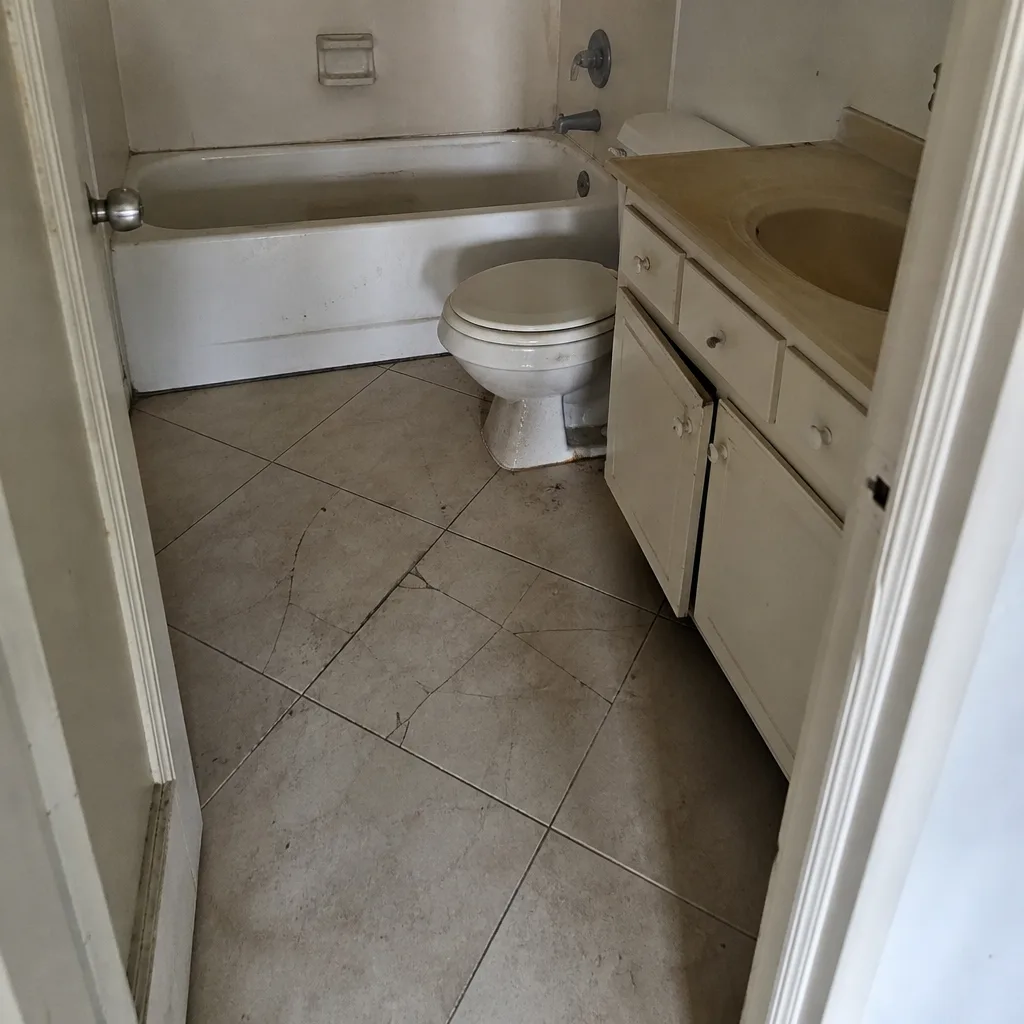 Before
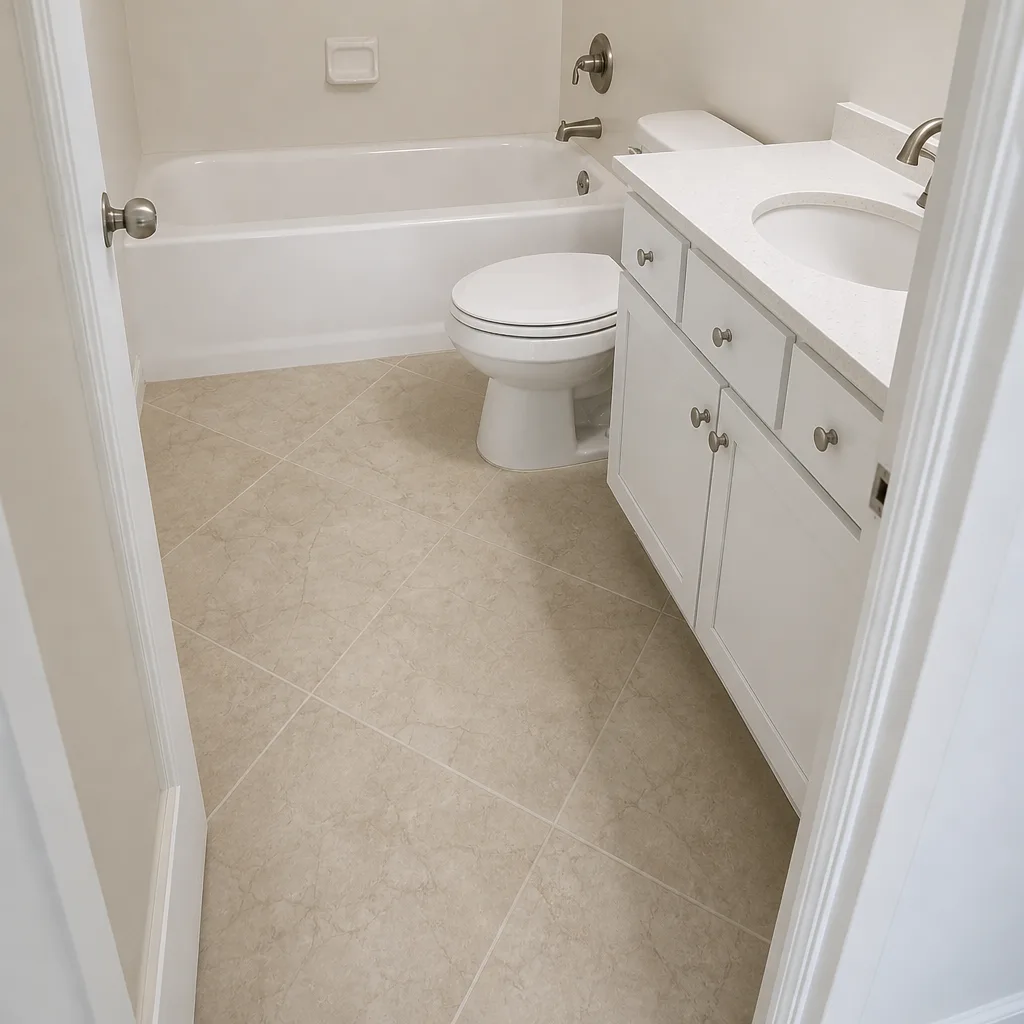 After
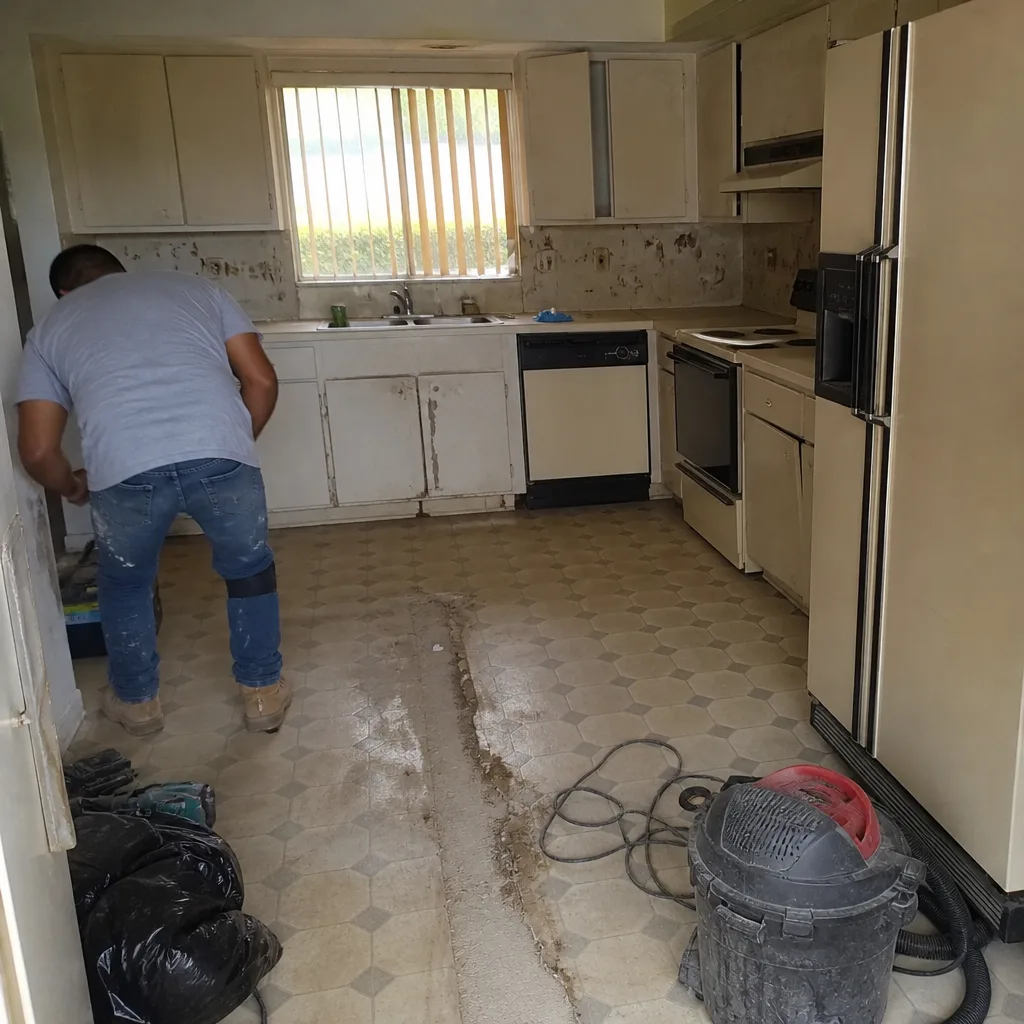 Before
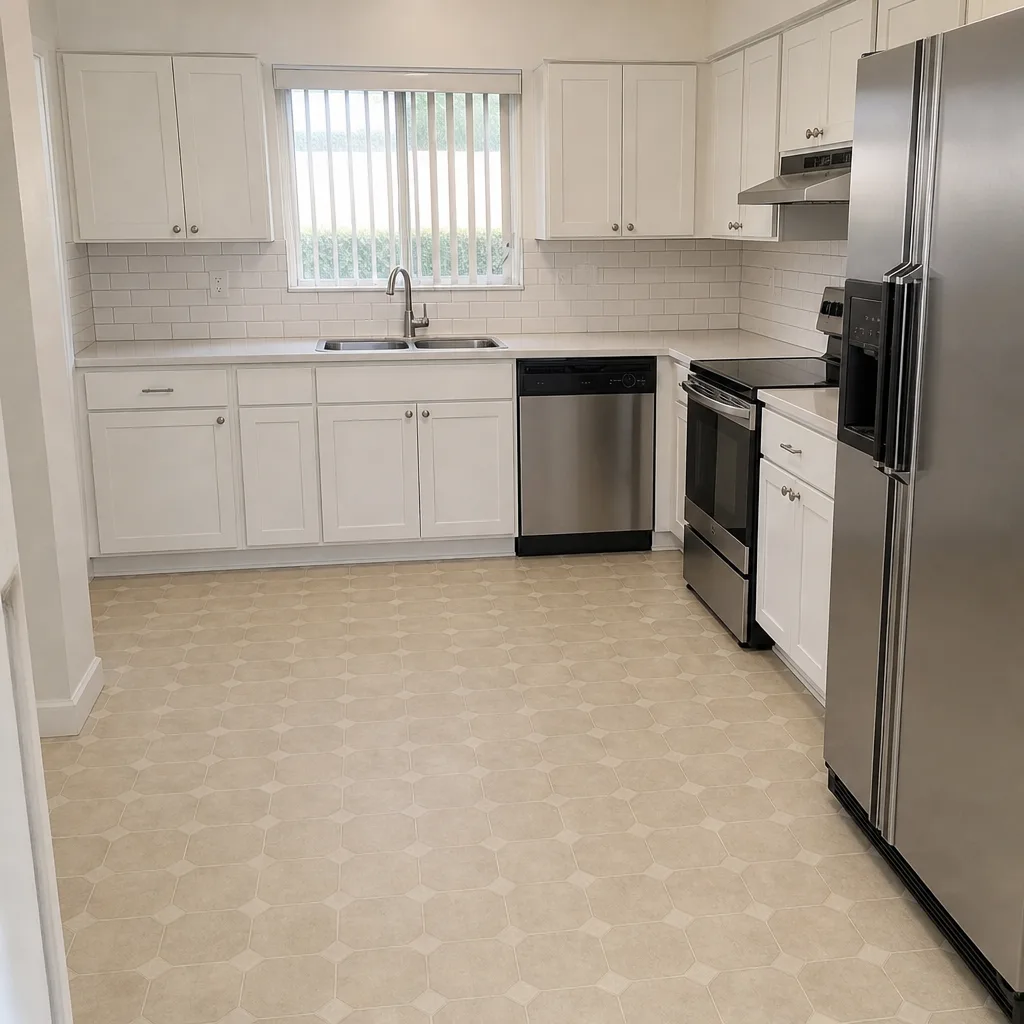 After
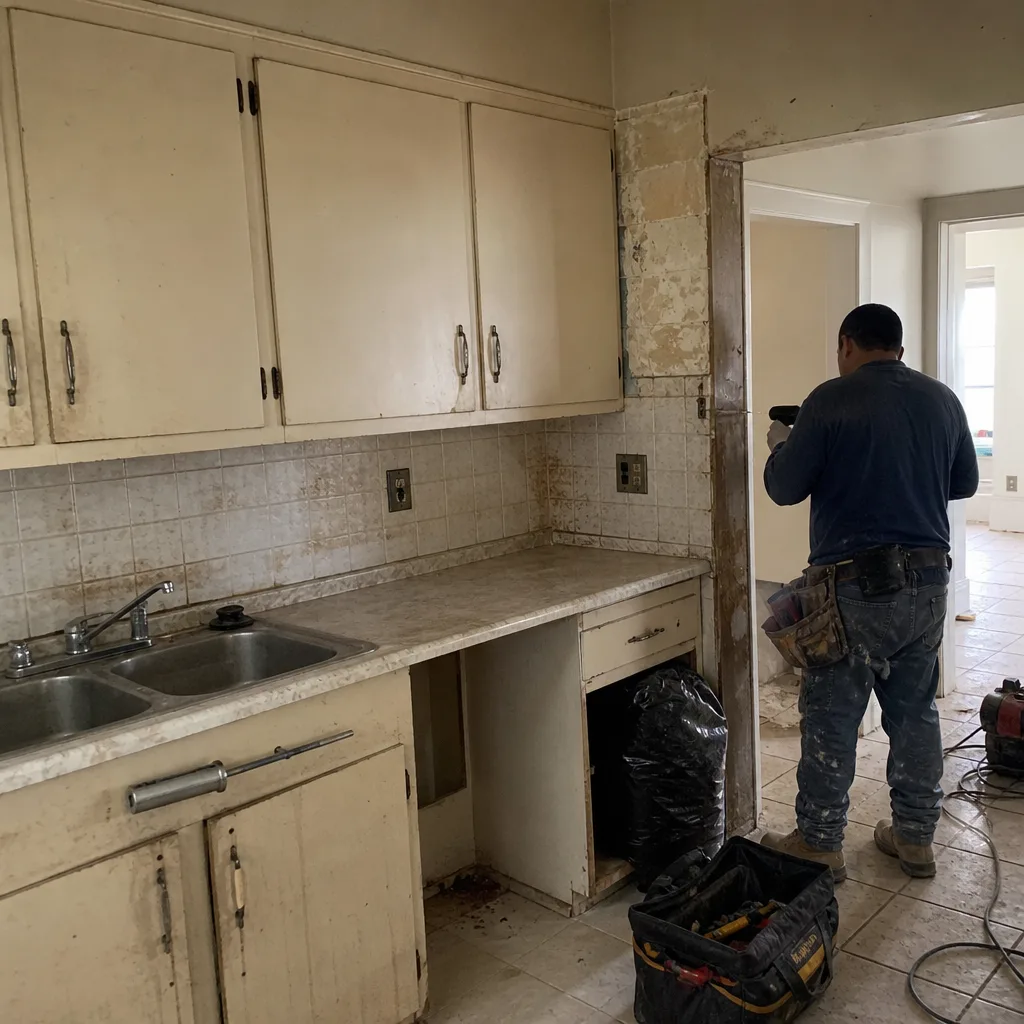 Before
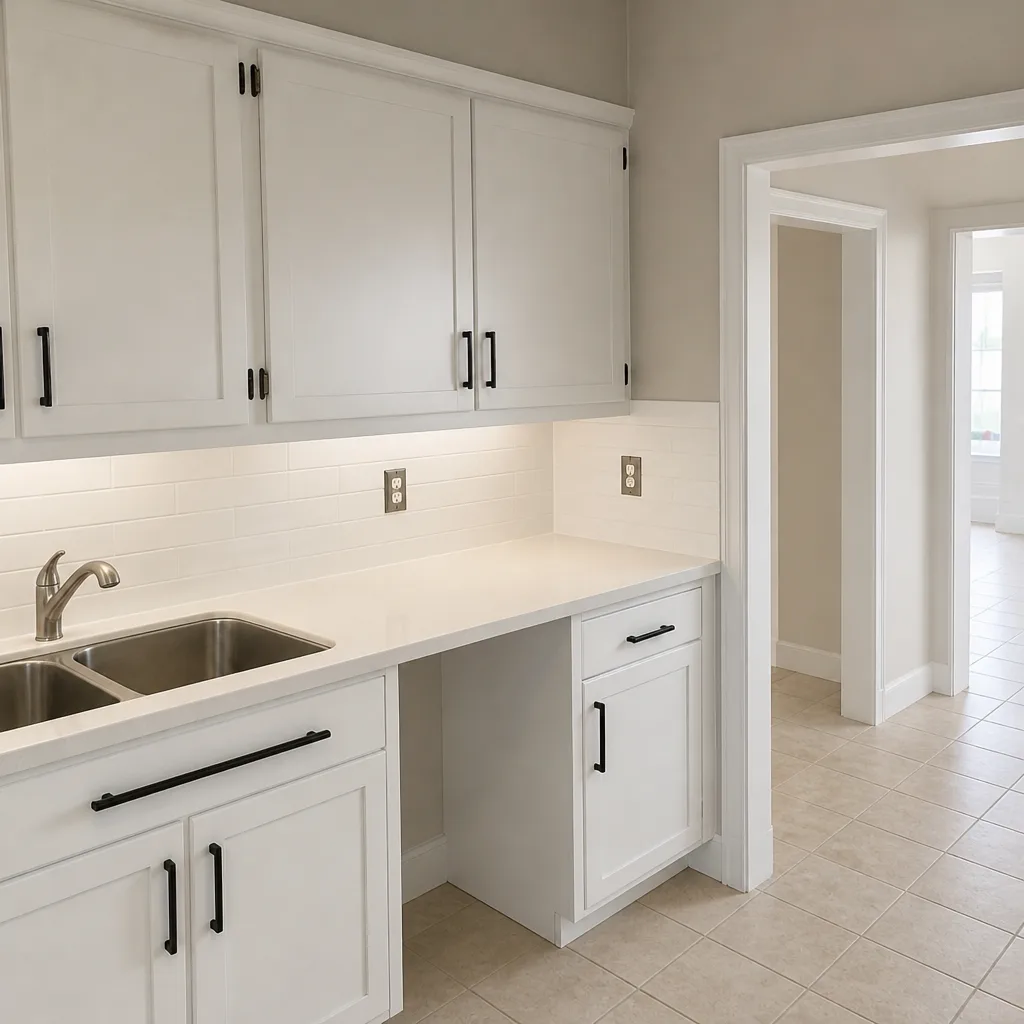 After