Last updated November 18, 2026


Free written scope consultation - allowances, timeline, and change-order rules on paper before a single trade is scheduled
Home Additions & ADU Warning Signs Every Homeowner Should Know
In Florida, an unpermitted addition doesn’t just affect resale. It can trigger a stop-work order on any future permitted work on your property until the violation is resolved. The contractor who skipped the permit is long gone. You’re the one who pays, sometimes years later, when you try to sell or pull a permit for a new roof and the county flags the whole file. We’ve walked into Aventura homes where a “finished” addition was actually two code violations waiting to be discovered. This guide teaches you to read the signals that a project is heading toward disaster, starting in the first two weeks, in the contract language, the site prep, and the paperwork a contractor refuses to put in writing before money changes hands.
Quick Answer
The clearest warning signs on an addition or ADU project show up before demolition: allowance-heavy bids that hide true costs, no structural engineering referenced anywhere in the scope, vague change order language giving the contractor open-ended markup authority, no survey before staking, no named licensed electrical or plumbing subs, and no written milestone schedule built around inspection dates. If you don’t have a signed scope of work, a permit application number, and proof of liability and workers’ comp coverage in hand, the project isn’t ready to start, no matter how good the handshake felt.
Styles & brands we work with
- Kitchen remodeling
- Bathroom remodeling
- Home additions & ADU
- Roofing
- Windows & doors
- Driveway & pavers
- Fence
Table of Contents
- Contract Red Flags in Addition and ADU Agreements
- Site Prep Warning Signs: Survey, Staking, and Setbacks
- Subcontractor Signals: Who’s Actually Doing the MEP Work
- Schedule Warning Signs and Written Milestones
- The Three Documents You Need Before Work Begins
- Florida Permit and Stop-Work Problems
- ADU-Specific Risks in Aventura
- Common Mistakes to Avoid
Contract Red Flags in Addition and ADU Agreements
The contract is the first place a project falls apart, and most homeowners sign it without reading past the price. Addition and ADU contracts carry specific risk categories that a generic renovation agreement won’t protect you from. Here’s what to look for before you sign.
Allowance-heavy bids. An allowance is a placeholder number for a material or finish that hasn’t been selected yet. A few are normal. A bid built mostly on allowances is a lowball dressed up as a firm price. We’ve seen Aventura ADU bids with $18,000 in allowances for finishes and fixtures alone. When you pick real Kohler fixtures and Caesarstone counters instead of the cheap baseline, that number balloons and the “fixed” bid becomes a moving target.
No structural engineering referenced. Any addition changes the load path of your house. A contractor who can’t tell you who is stamping the structural drawings, whether it’s an engineer of record or a design-build firm with one on staff, is either planning to wing it or to hand the problem back to you mid-project. Ask for the engineer’s name and license number in the contract. If there’s no engineer, there’s no plan.
Open-ended change order language. Read the change order clause carefully. Language like “additional work will be billed at contractor’s standard rate” or “time and materials as needed” gives the contractor unlimited markup authority with no ceiling. A fair clause states the hourly rate, the markup percentage, and requires your written approval before any change order work begins.
No liquidated damages or completion date. A contract without a completion date is a contract with no deadline. That’s not an oversight. It’s a choice.
A clean addition contract in Aventura should include a detailed scope of work, the engineering reference, a change order clause with capped markup, a completion date, a payment schedule tied to milestones rather than calendar dates, and the 730-Day Done Right Promise or an equivalent written workmanship guarantee. If you’re missing any of those, get them added in writing before you sign. Home additions and ADU work in Aventura is exactly the type of project where the contract either protects you or doesn’t.
Site Prep Warning Signs: Survey, Staking, and Setbacks
Before a single stake goes in the ground, a competent contractor calls for a boundary survey. If yours doesn’t, they’re either guessing at your property lines or hoping you don’t know the difference. Both are expensive mistakes that land on you.
A boundary survey is a licensed surveyor’s drawing that establishes exactly where your property lines, easements, and setbacks sit. An addition built even six inches into a setback can require a variance, a partial demolition, or a full rebuild once the city inspector catches it. In Aventura, where lots in neighborhoods like Aventura Lakes and Island Estates sit tight to their setbacks, that margin matters.
Here’s the sequence a professional should follow before breaking ground:
- Order a boundary survey (or confirm a recent one is on file) and review it against the planned footprint.
- Confirm setbacks and easements with the city’s planning department in writing before staking.
- Stake the addition with the survey in hand, not with a tape measure and eyeball.
- Schedule the pre-construction inspection if your municipality requires one before foundation work.
- Document site conditions with photos and a written report before demolition begins.
Another site prep warning sign: no soil or drainage assessment. South Florida’s water table sits high in many areas, and Aventura’s flat terrain means stormwater has nowhere to go. An addition footprint that ignores grading and drainage will flood during a summer downpour and can undermine the foundation over time. Ask your contractor how they’re handling site drainage before they pour. If there’s no answer, there’s no plan.
One more: missing tree protection or utility locate calls. Florida law requires you to call 811 before digging, and skipping it puts gas and electrical lines at risk. A contractor who doesn’t mention it isn’t operating carefully. Driveway and pavers work in Aventura intersects with site prep on many projects, and the same survey and utility discipline that protects an addition protects the hardscape around it.
Subcontractor Signals: Who’s Actually Doing the MEP Work
An addition requires licensed mechanical, electrical, and plumbing subcontractors. Roof and finish work can be done by a good general crew, but MEP trades are legally and practically separate. A general contractor who gets vague about who’s doing the electrical and plumbing is often planning to use unlicensed labor, and that’s your problem the moment the inspector shows up.
Here’s how to read the signal:
- Ask for names and license numbers of every MEP subcontractor before signing. If the contractor hedges, walks the answer, or says “we have our guys,” that’s the signal.
- Confirm the subs are pulling their own permits or are explicitly named on the general permit as the licensed trade serving the job. Either way, the license number should appear on the permit record.
- Check that workers’ comp and general liability coverage extend to the subs, not just the GC. When an uninsured sub is hurt on your property, the claim can land on your homeowner’s policy.
- Look for evidence they’ve worked together before. A GC bringing in a sub they’ve never worked with is a scheduling and quality risk you’ll feel in the punch list.
In our experience on Aventura additions, the MEP trades are where the schedule slips and where the inspection failures happen. A licensed electrician who understands Florida’s bonding and grounding requirements for an addition attached to an older home will catch panel capacity issues that an unlicensed installer will miss. That’s not a small thing when your 1990s-built home needs a service upgrade to support the new load.
One more signal: if the contractor can’t tell you who’s running the ductwork and HVAC sizing, they aren’t planning for comfort in South Florida’s climate. An addition without a proper Manual J load calculation ends up with a hot room and a system that runs constantly. Aventura’s humidity makes undersized or badly designed HVAC systems a mold risk, not just an inconvenience.
When it’s time to build, Groundwork Construction Co. of Aventura’s home page is a good starting point for how we structure the trades, the permits, and the inspections on a full-scope addition.
Schedule Warning Signs and Written Milestones
A contractor who won’t give you a written milestone schedule with inspection dates built in is a contractor who doesn’t plan to hit them. That’s the clean signal. Everything else is noise.
A real addition schedule in Aventura looks like this: survey and permit application, engineerial, permit issuance, mobilization, foundation, framing inspection, MEP rough-in inspection, insulation and drywall, finish trades, final inspection, certificate of occupancy, punch list. Each step has a date, a duration, and a dependency. If the contractor hands you a one-page “schedule” with “start date” and “estimated completion” and nothing between, they’ve given you a wish, not a plan.
Why this matters: addition projects stall in the gaps. A framing crew that finishes Tuesday but a framing inspector who can’t come until the following Wednesday means six days of idle labor, and unless the schedule built in that buffer, the delay cascades. When your contractor is surprised by inspection timing, know that the county told them the timeline weeks earlier. They just didn’t plan around it.
Ask for three specific things in the written schedule:
- Inspection dates for each phase that requires one, aligned with the permit’s inspection sequence.
- Material delivery dates for major items, especially windows and doors from brands like Andersen, which carry lead times that vary seasonally.
- Weather buffer for exterior work. Aventura’s rainy season runs June through September, and a schedule that doesn’t account for it is optimistic to the point of dishonesty.
A serious contractor will hand you a multi-page schedule and update it in writing when things shift. A contractor who resists putting the schedule in the contract is telling you something. Believe it.
The Three Documents You Need Before Work Begins
Before any addition or ADU work starts in Aventura, you should have three documents in your hands. Not promised, not emailed eventually, but physically in hand. Walk away if any of the three is missing.
- A signed contract with a full scope of work. Every material, every trade, every finish, every exclusion spelled out. If the scope says “as discussed,” that’s not a scope. Line-item detail protects both sides.
- A permit application number. This is the city’s receipt that a licensed contractor is putting their name behind your job. The number should exist before demolition begins, not after. In Aventura and across Miami-Dade County, the application number is your proof the work is going on the record.
- Proof of general liability and workers’ comp coverage. Ask for a certificate of insurance naming you as the certificate holder, with the policy effective dates covering your project period. Then call the carrier to verify the certificate is real, because fake COIs exist and a claims denial years later is the price of not checking.
One more document worth adding to that list: the state license number for every MEP sub, verified against the Florida DBPR database. It takes ten minutes and it’s the difference between a permitted addition and a stop-work order on file.
We know this sounds like a lot. But you’re spending five figures on construction, and the paperwork is the cheapest insurance you’ll ever buy. Compare what it costs to verify these three documents against what it costs to remediate an unpermitted Aventura addition. The math isn’t close.
Florida Permit and Stop-Work Problems
Florida’s building code enforcement isn’t a bureaucratic annoyance. It’s a record that follows the property, not the contractor. An unpermitted addition found during a future permit application creates a domino effect that can shut down permitted work on your whole property until the violation is resolved.
Here’s the sequence we’ve seen play out in South Florida:
- A homeowner gets a permit for a new roof or a driveway replacement.
- The city inspector pulls the property record and finds an unpermitted addition on file.
- A stop-work order issues, not just on the roof or driveway, but on everything pending until the addition’s status is resolved.
- Remediation requires either legalizing the addition (with drawings, engineering, and inspection of work that was hidden behind drywall for years) or demolishing it.
Legalizing an addition that wasn’t inspected as it was built often means opening walls, correcting framing and MEP work that wasn’t inspected, and paying for the engineer, the permit, and the contractor a second time. The original contractor, if they’re still findable, is unlikely to cover it. That’s the real cost of a skipped permit.
In Aventura specifically, the city’s permitting requirements are detailed around setbacks, lot coverage, impervious surface limits, and hurricane-rated construction. An addition that meets code in Atlanta or Austin may fail in Miami-Dade’s wind-borne debris requirements where impact-rated windows and doors from manufacturers like Andersen or Marvin are essentially standard. A contractor who isn’t accounting for the high-velocity hurricane zone provision is working outside their knowledge base, and the inspector will catch it, or in the worst case, a storm will.
For homeowners considering an ADU, the play is straightforward: permit the work from day one, hire a licensed general contractor who names the MEP subs in the contract, and keep the paper trail. That’s the whole strategy. Fence installation in Aventura follows similar property-line rules, and the same survey that protects a boundary fence protects an addition footprint.
ADU-Specific Risks in Aventura
An ADU, whether a detached garage conversion, a backyard cottage, or an attached in-law suite, carries every risk of a standard addition plus several specific to the format. In Aventura, the ADU market is active because multi-generational families and renters push demand, but the rules are specific and the stakes are high.
Zoning and lot coverage. Aventura limits impervious surface coverage on residential lots. An ADU that pushes the footprint past that limit is unpermittable, regardless of how well it’s designed. Get the coverage math on paper before you sign a contract.
Separate utilities. If the ADU will run on the main house meter, the electrical load needs a load calculation and often a service upgrade. If it’s meant to meter separately, the plumbing and electrical runs become longer and costlier. A contractor who hasn’t addressed this in the bid hasn’t thought it through.
Egress and life safety. Bedrooms require windows that meet egress size, smoke and carbon monoxide detectors in specific locations, and often a fire separation wall in an attached format. A contractor who sketches the layout without addressing these is designing a plan that will fail inspection.
Rental and HOA rules. Aventura has significant HOA presence, and ADU rental rules vary by community. Review covenants before finalizing the design. The city may permit an ADU your HOA prohibits.
High-velocity hurricane zone (HVHZ) compliance. Aventura falls under Miami-Dade’s HVHZ requirements. Roofing to GAF or Owens Corning specifications that meet the uplift requirements, impact-rated windows, and a continuous load path from foundation to roof are all required. Any contractor who doesn’t mention HVHZ in the design conversation is a risk to your permit.
If you’re exploring an ADU in Aventura, the first conversation should be about zoning, coverage, and HVHZ, not finishes. Finishes are the fun part and the cheap part. The zoning and engineering is where the project either works or doesn’t.
Common Mistakes to Avoid
- Signing a bid that’s mostly allowances. A bid with $20,000 in allowances for a $150,000 addition isn’t a bid. It’s an opening position. Real bids specify materials by brand and model (Kohler, Caesarstone, Moen, Blanco, whatever the scope calls for) and price them in.
- Trusting a verbal schedule. If the completion date isn’t in the contract, it isn’t a commitment. Get it in writing with milestones and inspection dates built in, or don’t sign.
- Skipping the survey because a fence “looks like” the property line. A fence line in Aventura can be twenty years out of date or never surveyed at all. Order the survey before staking.
- Letting the contractor name the engineer. Verify the engineer is licensed in Florida and that the drawing is stamped. The name on the stamp should match the name in the contract.
- Not verifying the certificate of insurance. Fake COIs exist. Call the carrier and confirm the policy is live and covers your project window.
- Assuming the permit will sort itself out. In Miami-Dade County, unpermitted work follows the property, not the contractor. The stop-work order lands on you.
- Hiring on price alone. The cheapest Aventura addition bid we’ve seen didn’t mention engineering, a survey, a schedule, or MEP subs. It also didn’t get built on budget once those items were added in.
See the difference
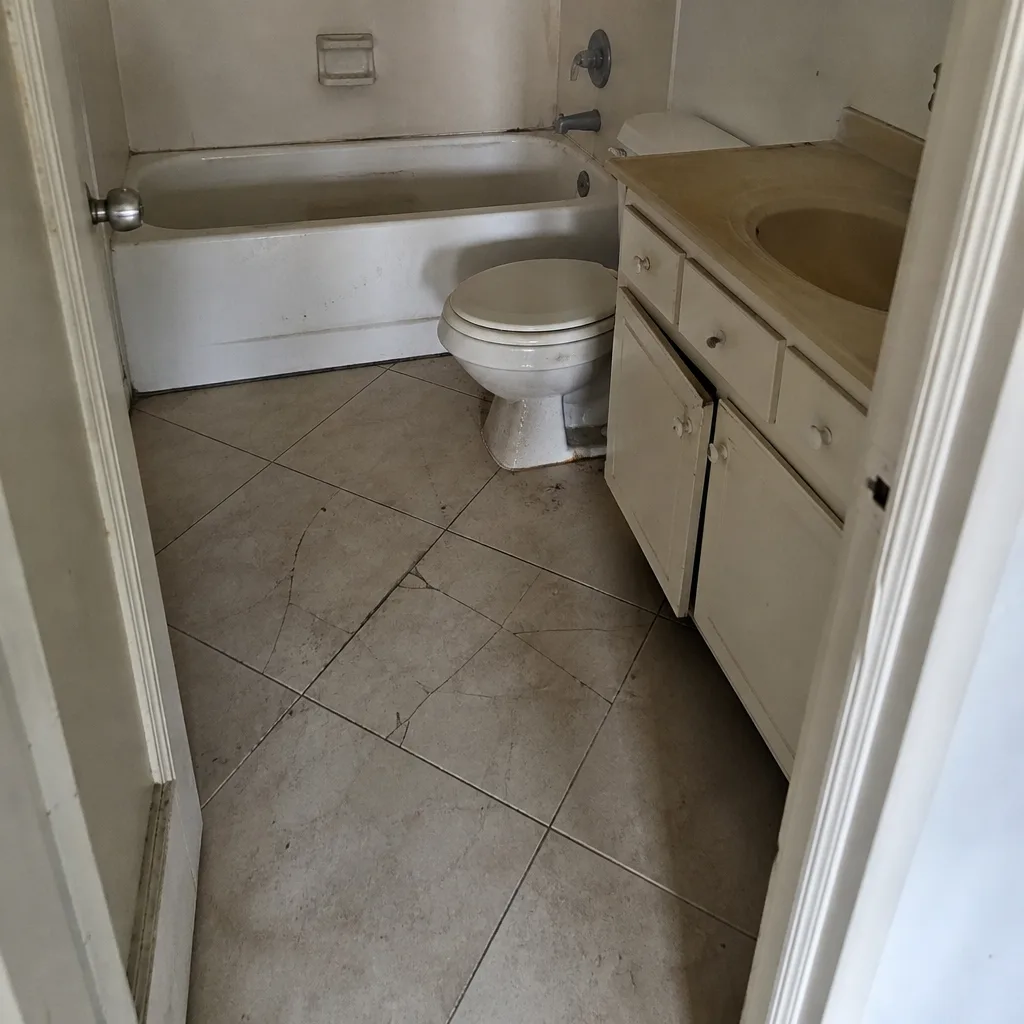 Before
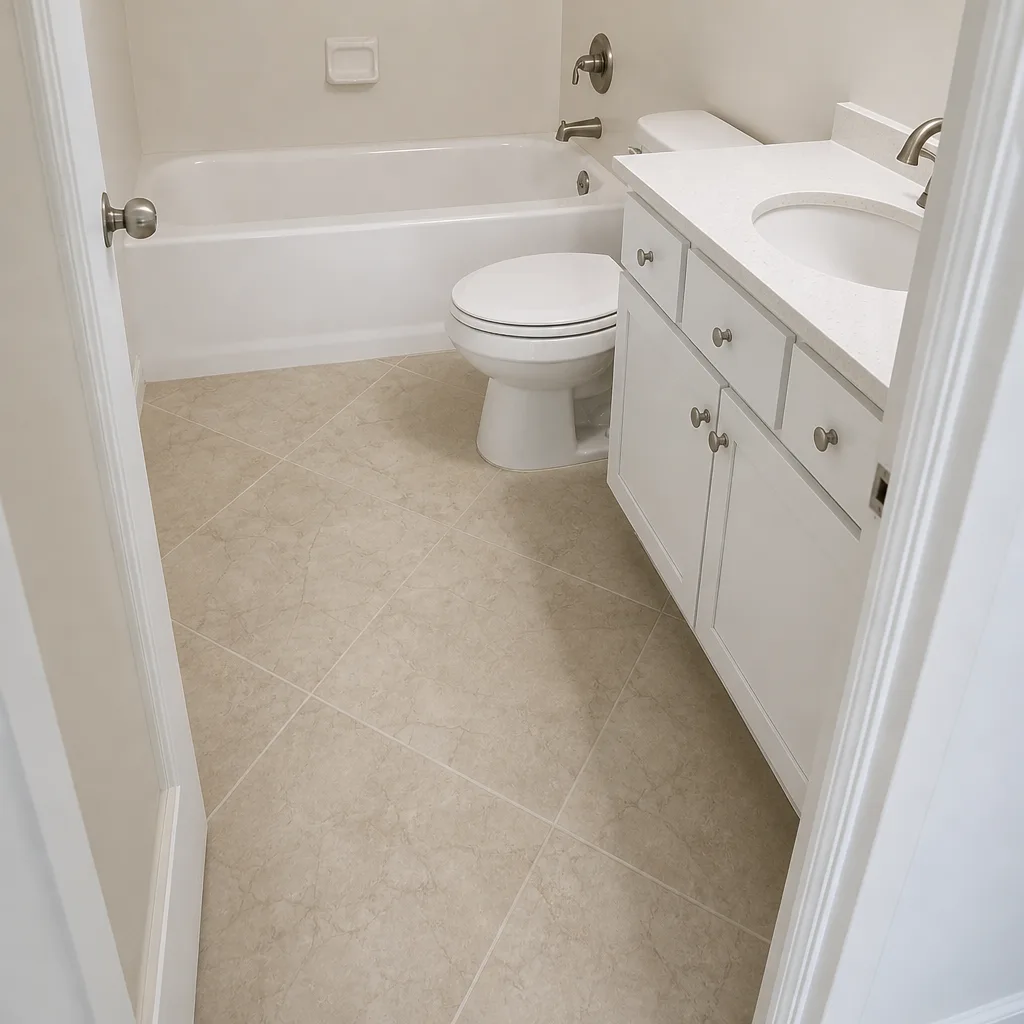 After
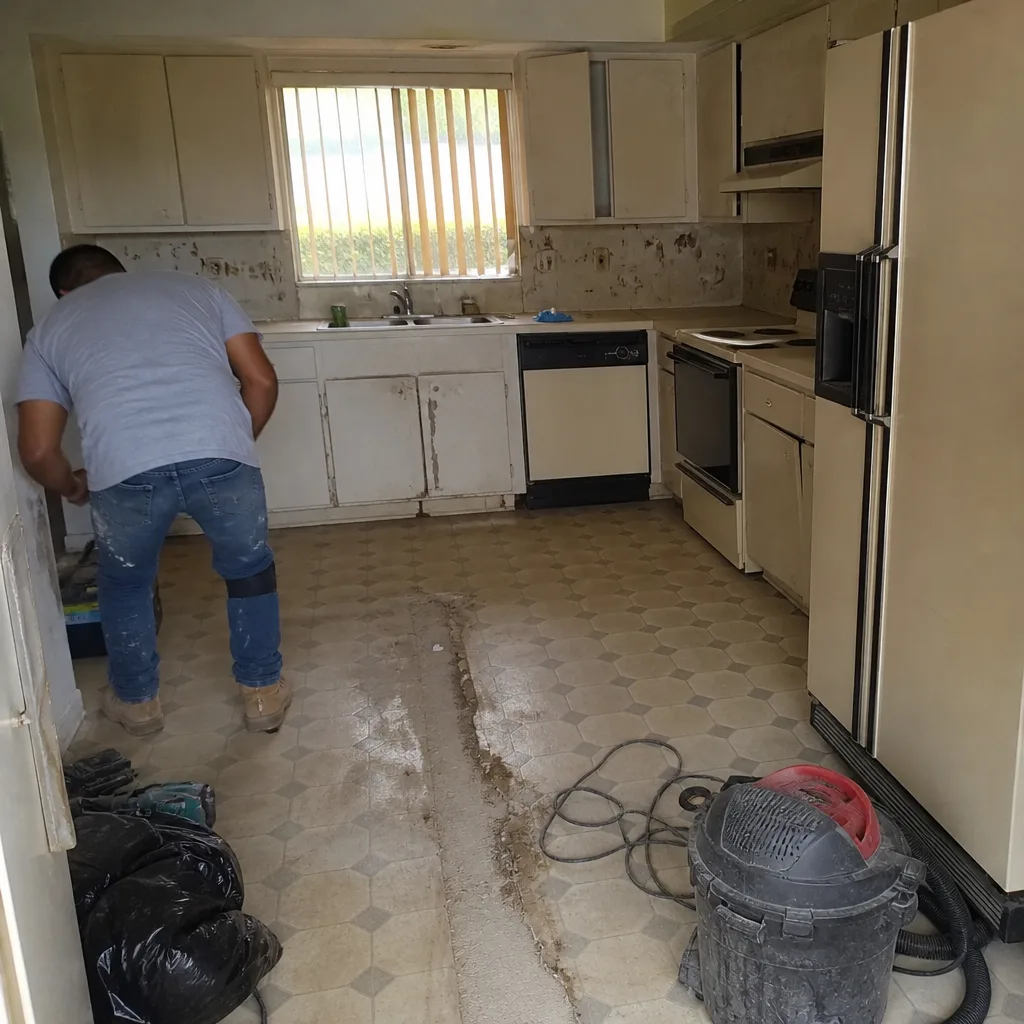 Before
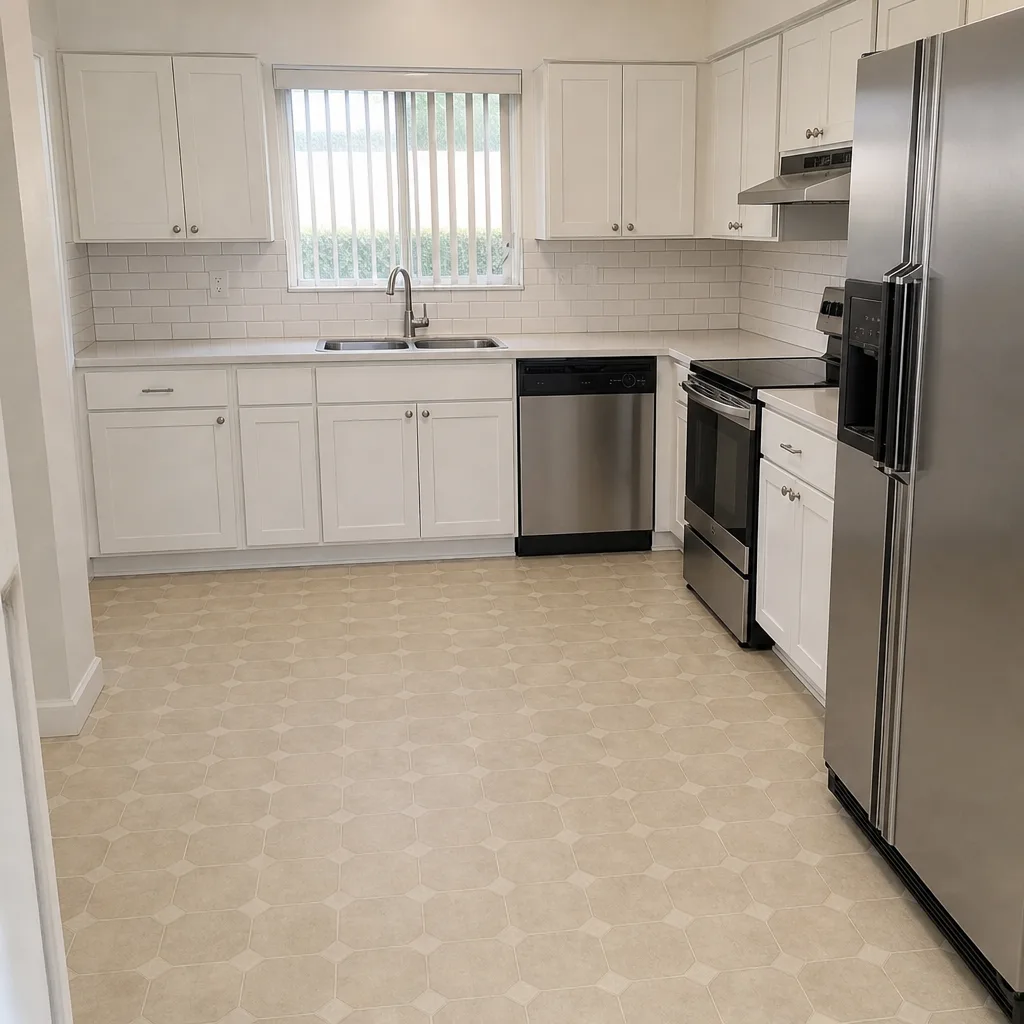 After
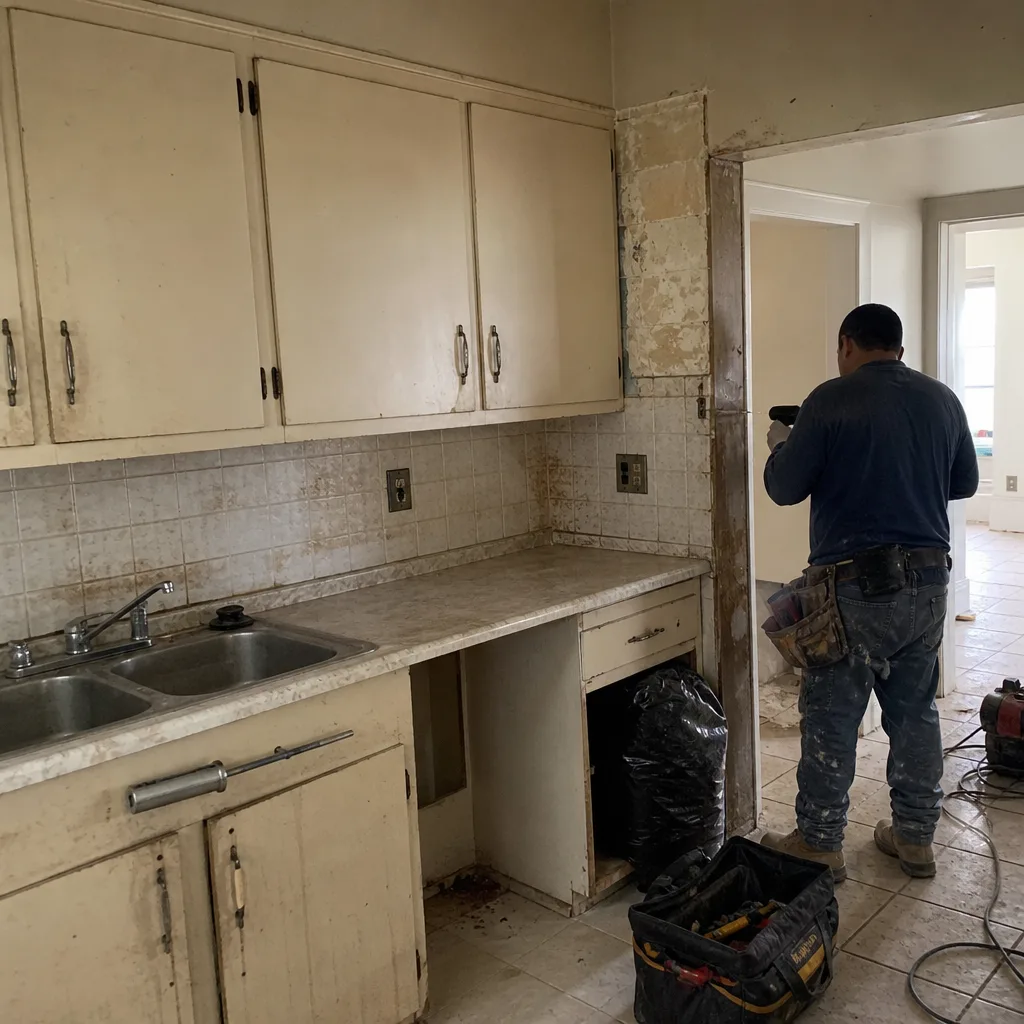 Before
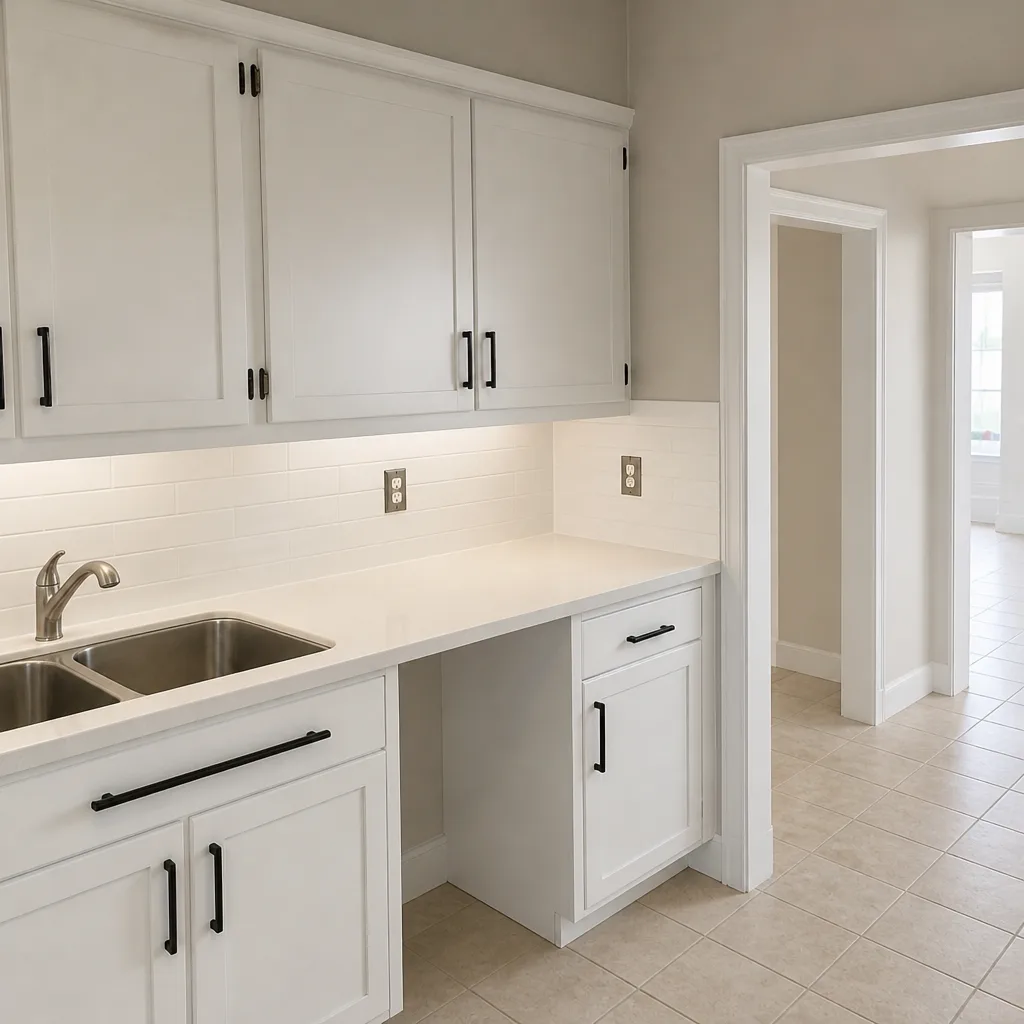 After
When to Call a Professional
Call a licensed general contractor the moment you’re considering an addition or ADU, and certainly before you sign anything or let a crew onto your property. If your current contractor hesitates on the survey, can’t name the structural engineer, gets vague on which licensed subs will handle electrical and plumbing, won’t put a milestone schedule in writing, or resists the permit application number, those are all reasons to stop the project and get a second opinion. And if you’ve already started and the work is stalled, unpermitted, or failing inspection, a professional assessment is the fastest path to a plan. Groundwork Construction Co. of Aventura offers free estimates in Aventura. Call (833) 716-6251.
Frequently Asked Questions
The biggest single warning sign is a bid built mostly on allowances, because allowances hide the real cost until after you’ve signed. A close second is missing structural engineering language, since every addition changes the load path and needs a stamped drawing. If a contractor’s bid has neither, treat the price as fiction. Call (833) 716-6251 for a free estimate built on a fully specified scope.
No. Skipping the survey means the footprint, setbacks, and easements are educated guesses, and Aventura’s tight lots leave little room for error. A survey that runs a few hundred dollars protects against a variance or partial rebuild that runs into the tens of thousands. Schedule the survey before any staking begins. Call (833) 716-6251 to talk through the sequence.
Ask for the name and license number of every MEP subcontractor and check each one against the Florida DBPR database, which is free and public. The license number should also appear on the permit record for your job. If the contractor can’t or won’t name them, that’s a signal. Call (833) 716-6251 to review the verification process with our team.
The unpermitted work stays attached to the property, and a future permit application for anything, including a roof or driveway, can trigger a stop-work order until the violation is resolved. Legalizing an uninspected addition often requires opening walls, engineering, and new inspections. That’s an expensive remediation, not a paperwork fix. Call (833) 716-6251 before you start, not after.
Yes. Aventura is inside Miami-Dade’s high-velocity hurricane zone, and additions and ADUs must meet wind-borne debris requirements, which means impact-rated windows and doors, roofing installed to HVHZ uplift specs from manufacturers like GAF or Owens Corning, and a continuous load path from foundation to roof. A contractor who doesn’t mention HVHZ in design is a risk to your permit. Call (833) 716-6251 for a free estimate with the full HVHZ scope shown.
A straightforward attached addition runs four to seven months from permit application to certificate of occupancy, and a detached ADU can run six to nine months depending on utilities, engineering, and inspection timelines. A written milestone schedule with inspection dates is what turns those ranges into real dates. If your contractor won’t put one in the contract, don’t sign. Call (833) 716-6251 to walk through typical timelines.
The Bottom Line
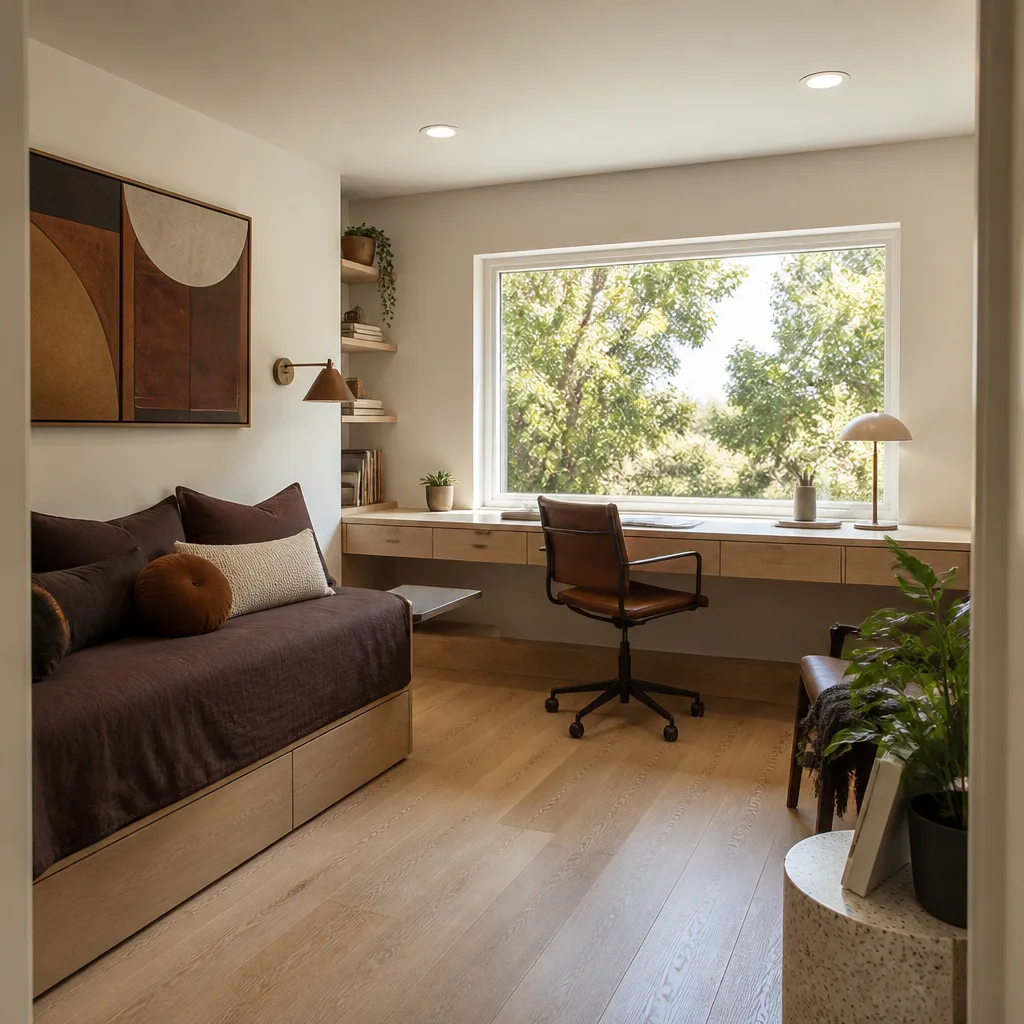
Every disaster addition we’ve seen in Aventura was visible in the first two weeks, in a bid full of allowances, a missing survey, an unnamed engineer, a vague answer about the electrical sub, and a schedule written on a napkin. The signals are not subtle once you know how to read them. Ask for the survey, the engineer’s stamp, the MEP license numbers, the milestone schedule, the permit application number, and proof of coverage. Then hold the contractor to the contract. That’s the whole checklist. Get those in hand and the project has a chance. Skip them and you’re the one who pays the stop-work order. From foundation to finish line, we build it that way on every project, and our technicians have up to 12 years of experience doing it.
If you’re planning an addition or ADU in Aventura and want a free estimate with a fully specified scope, a written schedule, and the 730-Day Done Right Promise behind the workmanship, call Groundwork Construction Co. of Aventura at (833) 716-6251. Our team answers live, 24/7, and we’ll walk you through the contract, the permit, and the milestones before you commit to anything.
Written by the team at Groundwork Construction Co. of Aventura.