Last updated November 18, 2026


Free written scope consultation - allowances, timeline, and change-order rules on paper before a single trade is scheduled
How Long Does Driveway & Pavers Take? Timelines and What to Expect
A contractor who quotes you a 3-day driveway job without asking about your permit status or checking the 10-day forecast isn’t being efficient. They’re setting you up for a schedule conversation you don’t want to have three weeks from now, when the pavers are half-laid and the afternoon storms have turned your sub-base into soup. Here’s the part that rarely makes it into the estimate: in South Florida, paver timelines are controlled less by crew size and more by cure times, permit queues, and the rainy season window. We’ve watched homeowners get burned by fantasy schedules, and we’ve watched others plan around reality and sail through. This guide is the second version. You’ll learn every phase, honest time ranges, why Aventura permitting alone can add weeks, and how to sanity-check any timeline you’re handed.
Quick Answer
A typical driveway paver installation takes 3 to 7 working days of on-site labor for an average two-car driveway, but the full calendar time from signed contract to drivable surface usually runs 4 to 10 weeks. The long tail isn’t the laying; it’s permit approval, base preparation, curing windows, and rain days. In Aventura, plan for the permit queue and the summer storm pattern to be your two biggest schedule variables.
Styles & brands we work with
- Kitchen remodeling
- Bathroom remodeling
- Home additions & ADU
- Roofing
- Windows & doors
- Driveway & pavers
- Fence
Table of Contents
- The Real Phase-by-Phase Timeline
- Why Aventura Permit Timelines Add 2 – 6 Weeks
- Curing and Setting Windows: When You Can Actually Drive On It
- How South Florida’s Afternoon Rain Reshapes the Schedule
- Base Work Is Where Timelines Live or Die
- Red Flags in a Contractor’s Timeline
- How to Plan Your Aventura Project Around the Calendar
- Common Mistakes to Avoid
The Real Phase-by-Phase Timeline
Here’s what an actual paver driveway project looks like when you break it into its parts. Every phase has a purpose, and rushing any one of them shows up two summers later as settled corners or popped edges. If your contractor skips a phase in their spreadsheet, that’s a signal.
- Permit submission and approval: 1 to 4 weeks in Aventura depending on scope, right-of-way impact, and whether drainage changes are involved. On a simple like-for-like replacement the queue can move faster; on anything that alters the driveway footprint or touches the swale, plan for the longer end.
- Site protection and demo: 1 to 2 days. Old surface removed, hauled off, and utilities located before anything is cut.
- Grading and excavation: 1 day. The subgrade gets cut to the correct depth so the finished pavers sit flush with your garage apron and street approach.
- Base installation and compaction: 1 to 2 days. This is the phase that decides whether your driveway lasts 15 years or 15 months. Limestone or crushed aggregate goes in lifts and gets compacted in stages, not dumped and smoothed once.
- Bedding layer and screeding: Half a day. A thin, even sand bed is screeded so each paver sits true.
- Paver laying: 1 to 3 days depending on square footage, pattern complexity, and whether cuts are simple runs or intricate herringbone around curves.
- Edge restraint, joint sand, and cleanup: 1 day. Edge restraints get set in concrete, joint sand swept and vibrated in, site cleaned.
- Sealing: Half a day on-site, but the real clock is the cure. More on this below.
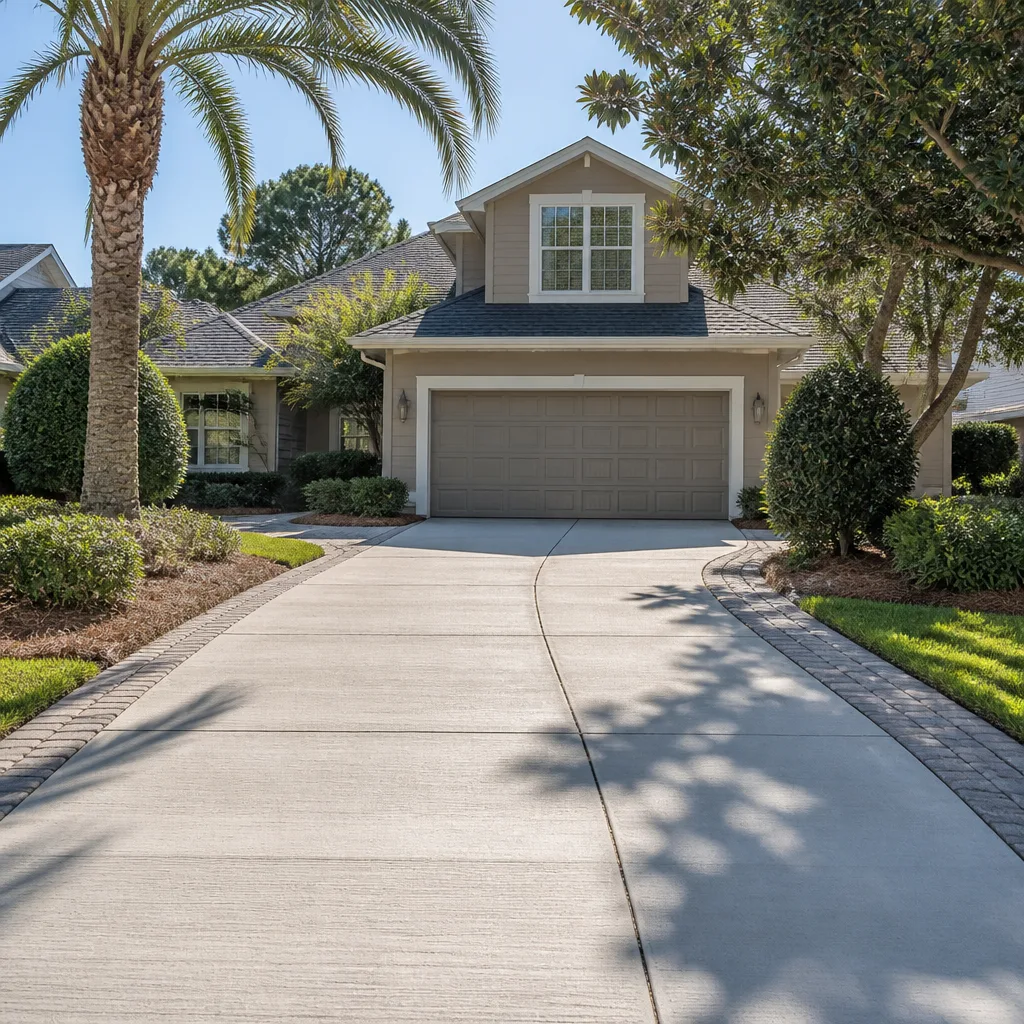
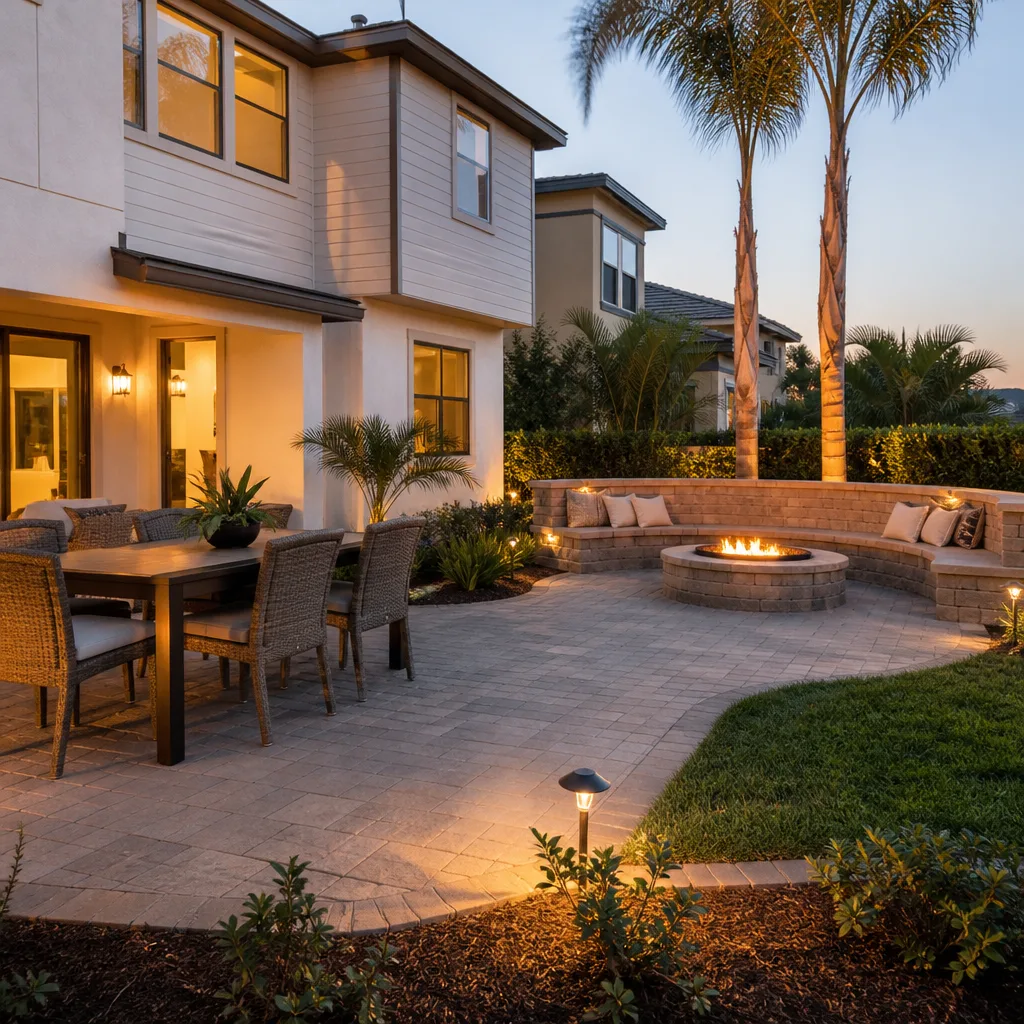
Add it up and you’re looking at 3 to 7 working days of actual labor on a typical single-family driveway. The gap between that number and the 4 to 10 weeks you’ll actually wait is entirely about permits, weather, and curing. When you’re ready to price your specific project, our Driveway & Pavers in Aventura page lays out the full scope we handle.
Why Aventura Permit Timelines Add 2 – 6 Weeks
Permitting is the single most misunderstood variable in a South Florida paver project, and Aventura is not exempt. City plan review, right-of-way coordination, and utility clearances all happen before a single shovel touches your yard, and none of them care how fast your contractor wants to start. We’ve seen straightforward replacements clear in under two weeks; we’ve seen projects with drainage adjustments or swale modifications sit in review for six.
What pushes a project to the longer end of that range:
- Changes to the driveway footprint. Widening, extending, or repositioning the drive triggers a site review the city won’t shortcut.
- Drainage and swale impacts. Aventura properties near the intracoastal and golf course corridors often have grading that needs sign-off before work can proceed.
- Right-of-way or sidewalk proximity. If your driveway apron touches public right-of-way, expect additional review layers.
- Incomplete submittals from the contractor. A missing survey, an inconsistent site plan, or a sloppy application restarts the clock. This is where cheap bids reveal themselves.
Permit status should be the first question you ask when a timeline gets quoted. “We’ll start Tuesday” is not an answer to “have you submitted yet.” Ask for the application date. Ask who’s tracking it. A contractor who treats permitting as a formality is a contractor who will tell you a fantasy schedule now and a bad-news update later. If you’re curious how this plays out across an entire property’s scope, our Groundwork Construction Co. of Aventura home page outlines how we sequence multi-trade work so permits don’t collide.
Curing and Setting Windows: When You Can Actually Drive On It
The classic “24 hours and you’re good to go” line is oversimplified to the point of being wrong. What you can actually do with your new driveway depends on which part is curing. There are three distinct clocks running at once: joint sand setting, sealer curing, and if any edge restraints or new apron concrete exist, their own cure windows.
A realistic driving timeline looks like this:
- Immediately after laying: Foot traffic only, and sparing. No furniture, no ladders, no vehicles.
- 24 to 48 hours: Joint sand has settled and vibrated in. Foot traffic is fine. Vehicle traffic is usually still premature unless the contractor specifically plans around it.
- Before sealing: Pavers should sit through at least a short drying and settling period. Most quality installs wait longer than people expect before sealing. This is a real step, not a scheduling inconvenience, and rushing it traps moisture under the sealer.
- 24 to 72 hours after sealing: No vehicles, no heavy foot traffic. The sealer needs to fully cure, not just feel dry. Hot South Florida afternoons make the surface feel ready long before it is.
- Concrete edge restraints and apron: Their own separate cure window, often a week or more on integrally colored or thicker pours. Driving over a fresh apron too early is how cracks get born.
When a contractor tells you the driveway is “drivable the next day,” what they usually mean is the pavers are set. The sealer, the edges, and the concrete still have a timer running. Ask specifically: “When can I park a car on it, and when can I park both cars?” Those are two different answers, and the second one is the one you actually care about. In Aventura’s humidity, curing runs slower than it does in dry inland climates, and that’s before the afternoon rain enters the picture.
How South Florida’s Afternoon Rain Reshapes the Schedule
Any contractor who grew up building in South Florida plans every outdoor project around the afternoon storm window. From roughly May through October, the daily pattern is often dry morning, building clouds early afternoon, and a cell that dumps a half inch in twenty minutes and clears by 4 p.m. It’s not a hurricane, but it’s enough to rearrange a day.
What that means in practice:
The morning window is precious. Demo, grading, and base compaction need to happen before the rain can compromise an open cut. A wet, uncompacted base is worthless and has to be reworked. A good crew front-loads the heavy work into the morning and leaves cutting and cleanup for the afternoon.
Rain days cascade. A single afternoon washout doesn’t just cost you an afternoon. It can cost the next morning to let the subgrade dry and re-compact. Two storms in a week and you’ve lost the better part of three days.
Laying is more forgiving than base work. Once the pavers are down and locked in, a rain event is largely a cleanup issue. The dangerous phase is the open-base window.
There’s a good-weather window every year. November through April in Aventura is the contractor’s friend: drier, cooler, fewer storm interruptions, and often easier to schedule crews and inspections. Homeowners who want pavers before the summer get their permit applications in by February.
If a contractor’s timeline doesn’t include a line for rain days in the summer months, they either don’t know the local pattern or they’re padding the schedule in a way they won’t admit. Either answer is a problem.
Base Work Is Where Timelines Live or Die
We’ve seen the base pour of a paver project become the whole job. The pavers are the visible layer, but they’re a veneer over a foundation that determines everything. When a base is rushed, the signs show up two to five years later: settled low spots holding water, joints opening along the edges, uneven planes where the subgrade wasn’t cut uniformly.
What proper base work requires, and how long it takes:
- Excavation to proper depth: The finish grade determines how deep the cut runs. Pavers plus bedding plus base all add up, and the subgrade needs to accommodate every layer. Half a day to a day.
- Subgrade preparation and compaction: The native soil is proof-rolled and, where the subgrade requires stabilization, treated and compacted. This step is invisible in the finished product and is exactly what fast contractors skip.
- Base material in lifts: Aggregates go down in multiple passes, each compacted before the next. One thick dump-and-smooth pass looks the same to the eye but is a completely different structure. A day, sometimes two.
- Proof rolling and re-grading: The compacted base is checked for uniformity. Any soft spot gets reworked. Half a day.
If a contractor claims to lay a base and finish the pavers in a single day, ask them how many lifts they’re compacting. The honest numbers tell you how fast the base was worked, and working it fast is the most expensive thing you can do. When you’re planning a driveway project alongside other property work – fencing the side yard, adding a covered patio, considering a detached structure – sequencing matters. Our Fence Installation in Aventura team and our additions team both work around the same permit calendars, and planning combined scope saves real weeks. For detached structures on larger lots, prefab partners like Boxabl and Mighty Buildings are worth a look when you’re weighing timelines; their factory-built approach can compress the structural phase even though the site work and permitting still follow the same schedule realities.
Red Flags in a Contractor’s Timeline
Overpromising on speed is a diagnostic. It tells you something specific about the process running underneath the sales pitch. Here’s what to watch for, and what each signal actually means:
- “Three-day job, no permit needed.” Any work touching the driveway footprint in Aventura needs the city’s sign-off. A contractor who waves this away hasn’t filed, won’t file, or is planning to start work unpermitted and hope nobody notices.
- “You can drive on it tomorrow.” As covered above, tomorrow is not the right answer. One to three days for sealing, plus edge restraint cure, is the real window. Anyone compressing this has either skipped sealer or doesn’t plan to seal.
- No mention of base thickness or lift count. If the base isn’t in the conversation, it’s not in the plan. Ask exactly how deep the excavation runs and how many compaction passes. The answer should be specific.
- Timeline quoted before a site visit. A driveway on a golf-course lot in Aventura with a steep grade, drainage swale, and utility easements is not the same job as a flat driveway in a tight residential pocket. Quotes without a walkthrough are guesses dressed as commitments.
- Vague discussion of rain days. In South Florida, any outdoor timeline without a rain contingency is fiction. Honest contractors build in weather days and say so.
- No written schedule. A verbal timeline is not a schedule. Ask for the phases in writing with clear start and finish dates for each.
- Pressure to start immediately. If a crew can “start tomorrow” without any permitting lag, that’s either no permit or a permit pulled for a job you don’t know about. Neither outcome ends well for you.
Every one of these signals shares a common root: a contractor trading your long-term quality for their short-term calendar. The conversation about schedule is really a conversation about process. If the process is honest, the timeline will be too.
How to Plan Your Aventura Project Around the Calendar
The single best schedule lever you own is when you start. For a South Florida driveway, the calendar does a lot of the planning for you if you let it. A project bid in January is a project that pours, cures, and seals comfortably before the summer storm pattern arrives. A project bid in July is a project that fights the weather for every phase past the point of excavation.
A practical planning sequence:
- Six to eight weeks before you want the job done: Get estimates. This gives you time to compare scopes properly, not just prices, and to ask the right questions.
- Five to six weeks out: Sign with your contractor and have them submit the permit application.
- Three to four weeks out: Permit review and approval, plus any pre-construction site prep that doesn’t need a permit.
- Two weeks out: Order materials, confirm crew scheduling, and lock in a weather-adjusted start window.
- Start week: Demo through base work in the first two to three days, laying and finishing in the next two to four.
- Post-work: Curing and sealing windows as the final step, plus a short settling period before you treat the surface like normal.
If you’re considering a full property refresh alongside the driveway – a covered structure, a bigger addition, a larger outdoor living footprint – our Home Additions & ADU in Aventura team can coordinate so phasing doesn’t cause a second round of disruptions. Prefab partners like Dvele and Cover are options worth considering for project-adjacent structures when the schedule is the constraint, because factory-built units can move structural timelines off the site altogether. One more Aventura-specific quirk: several HOAs in the area have their own approval timelines on top of the city’s, so ask about architectural review before you schedule demo. That step alone can add a week or two, and it runs in parallel with permitting, not after it.
Common Mistakes to Avoid
- Scheduling around the “fastest” bid. The bid with the shortest timeline is usually the one that skipped permits, skipped base lifts, or skipped the sealer. That saved week becomes a five-year problem.
- Assuming the permit happens on its own. Permits in Aventura need active tracking. Ask for the application reference number and check status with the contractor weekly. If they can’t produce it, no application exists.
- Driving on the new driveway the first day it “looks done.” Sealer and edge restraint cure times aren’t negotiable. Even the perfect install needs 48 to 72 hours post-seal before vehicles.
- Not asking about the rain plan. Any contractor scheduling summer work in Aventura without weather contingency is planning to be behind schedule and won’t tell you until the morning of.
- Skipping the site visit. A driveway with drainage implications, a slope, or a shared swale needs eyes on it before any timeline is credible. Phone quotes on complex sites are fiction.
- Overlooking HOA approval. Several Aventura neighborhoods have architectural review requirements that run alongside the city permit. Missing this step delays demo week by weeks.
- Assuming the laying phase is the long one. Laying is typically the fastest part. The base, the permit, and the curing are where the calendar actually goes.
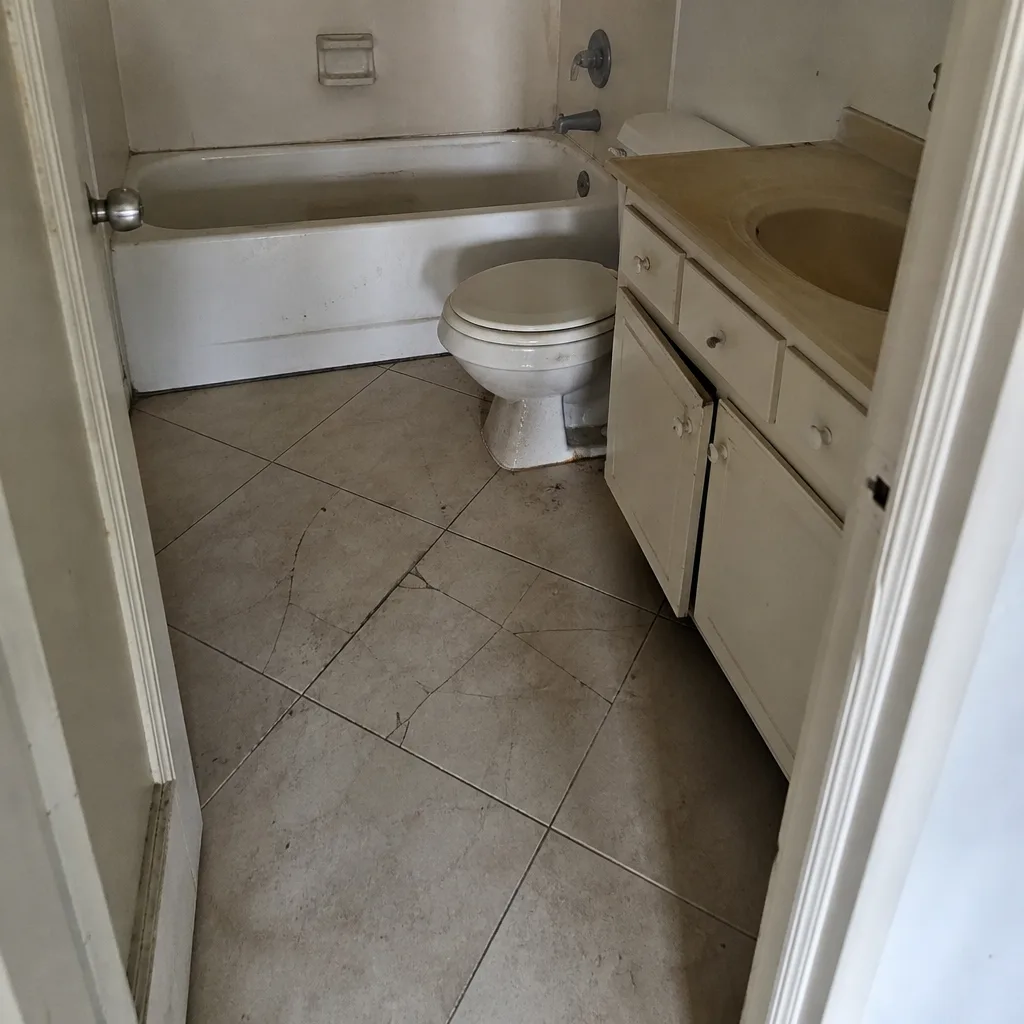
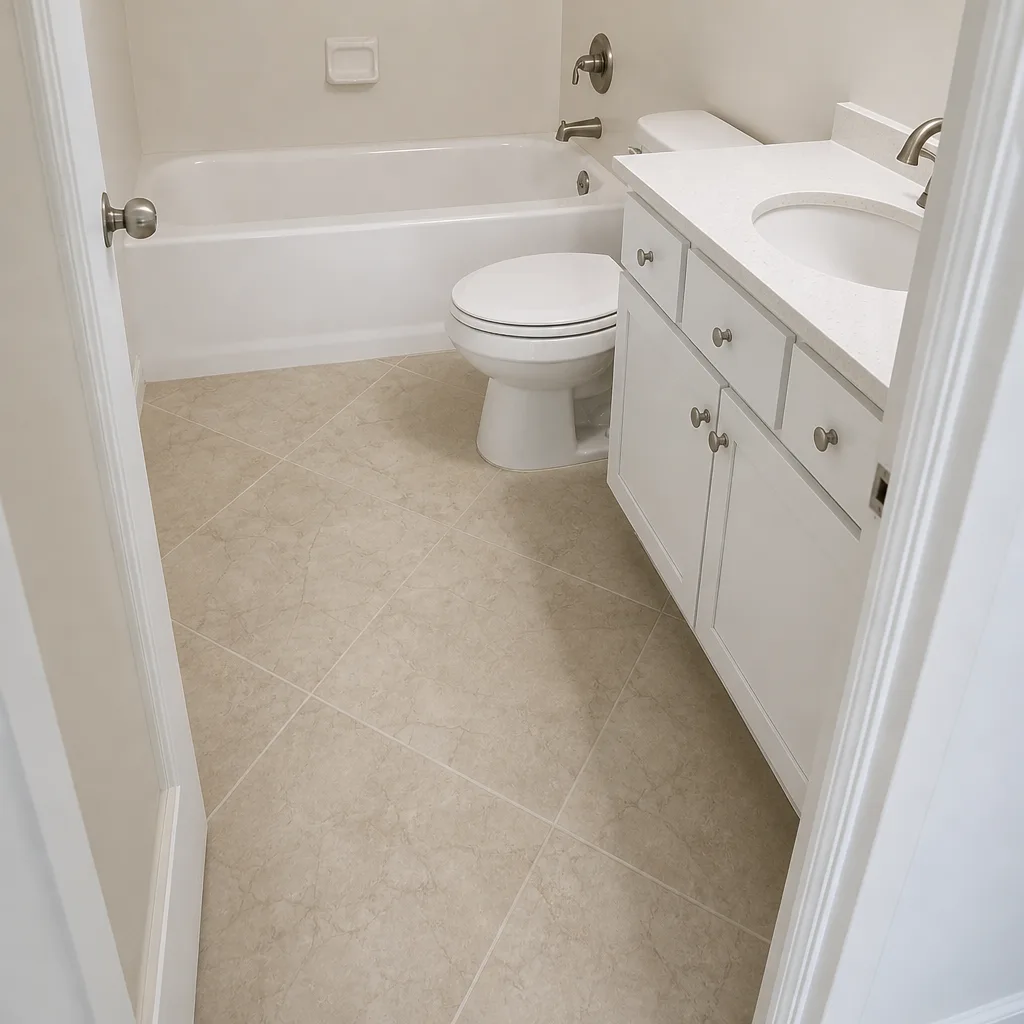
See the difference
 Before
 After
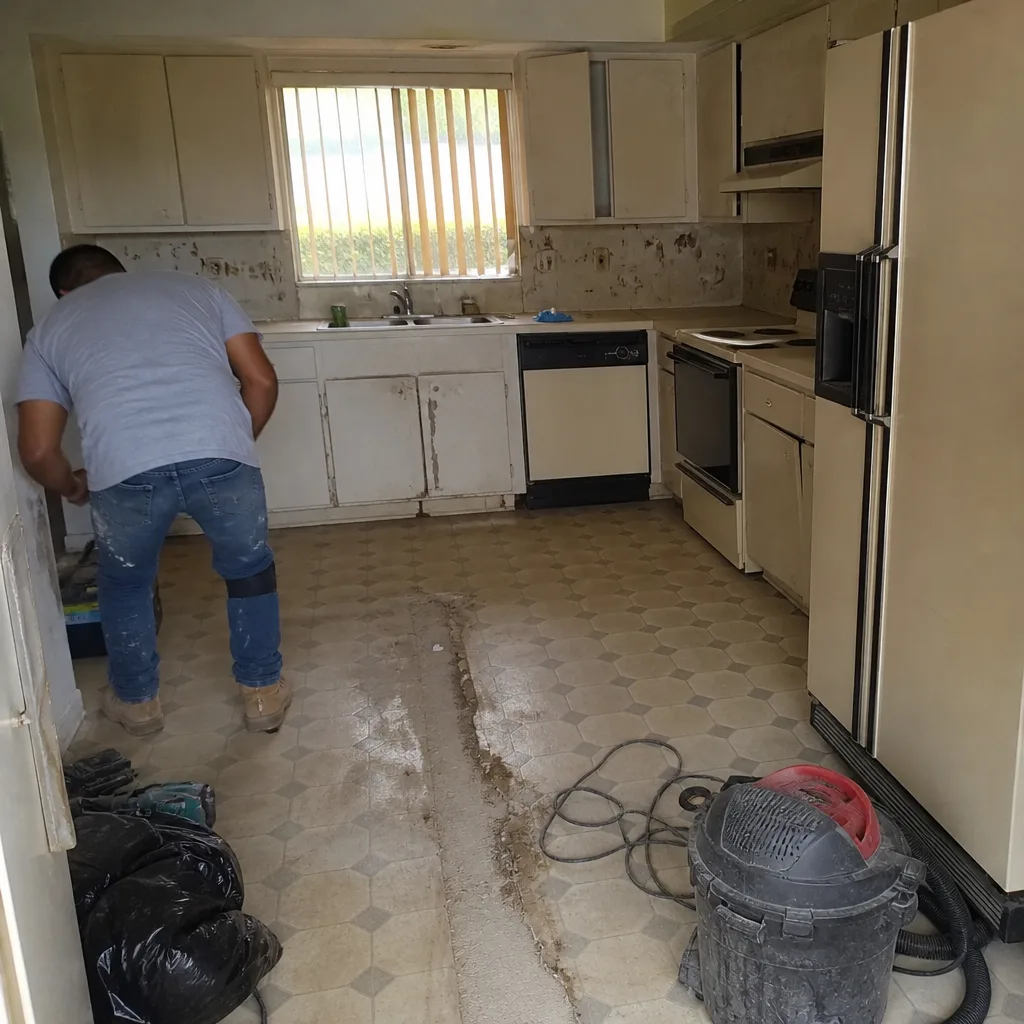 Before
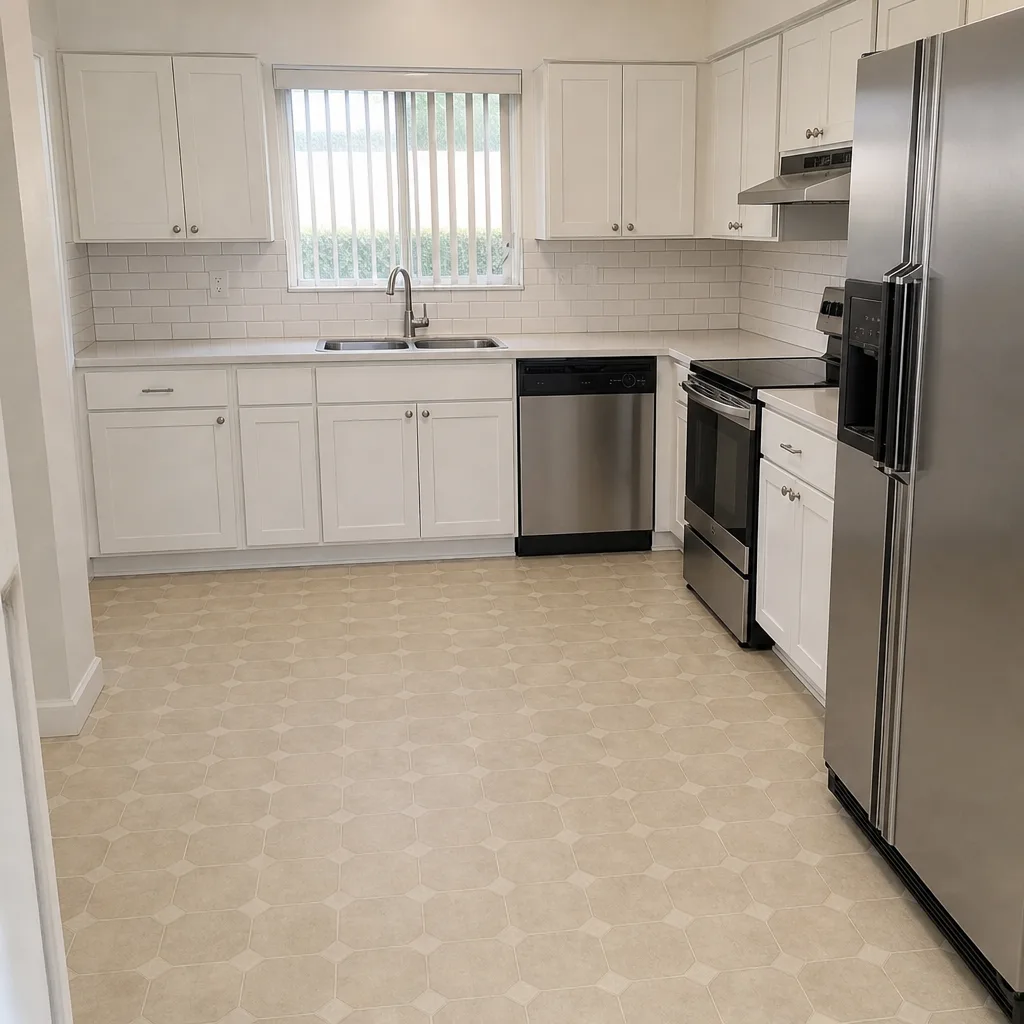 After
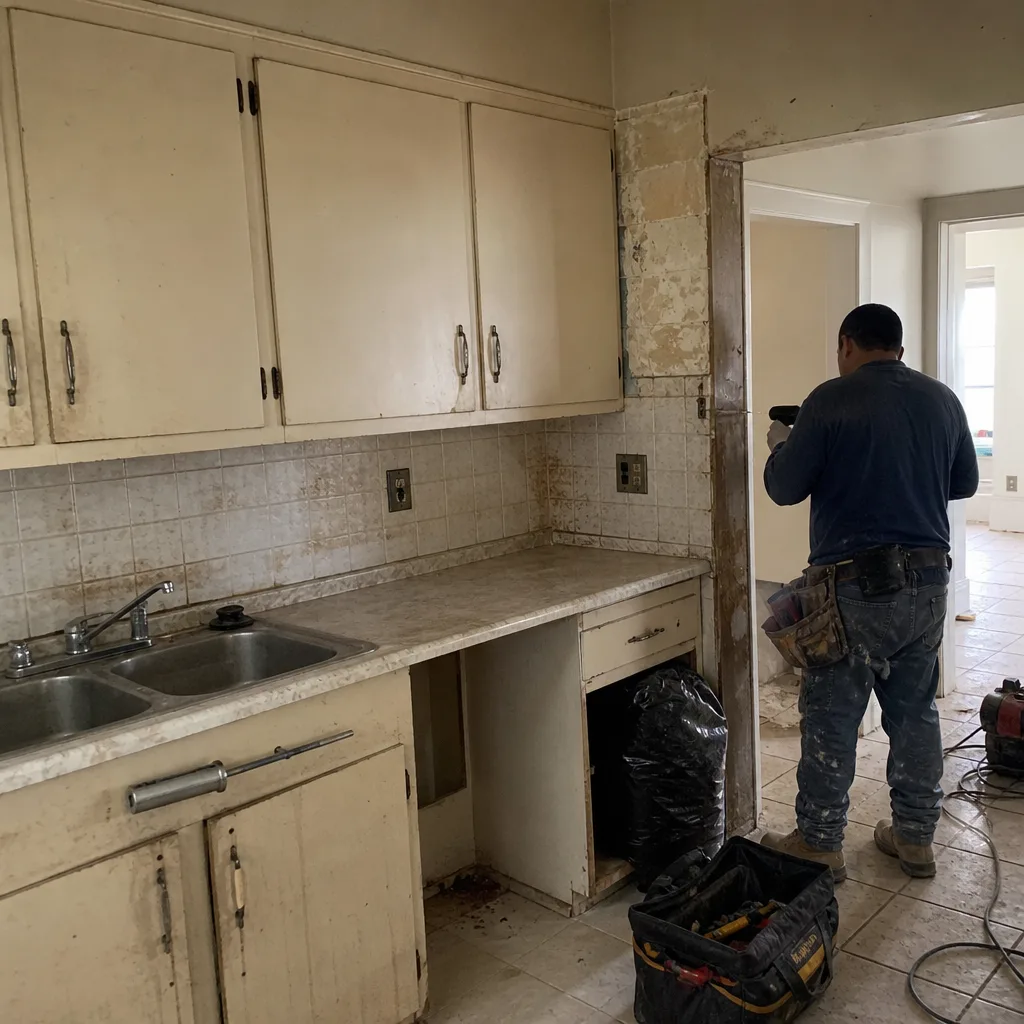 Before
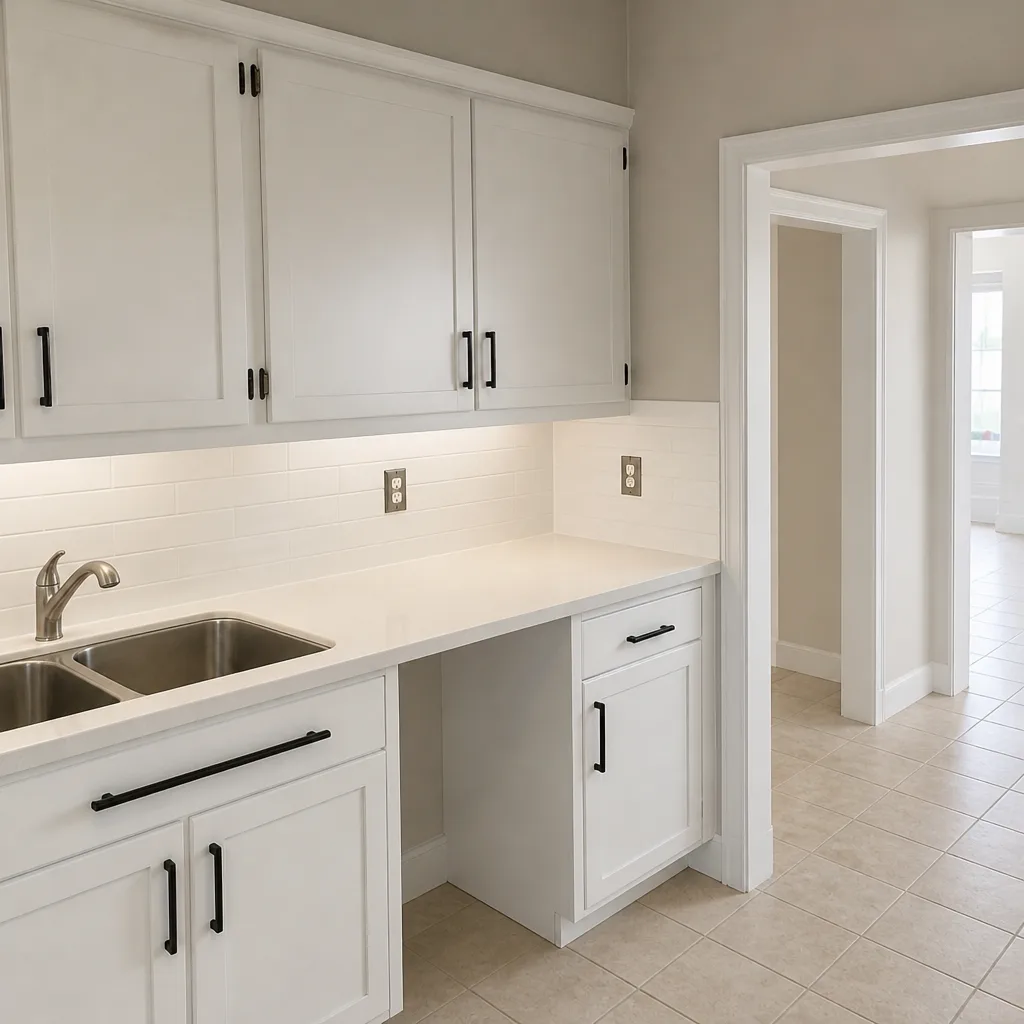 After
When to Call a Professional
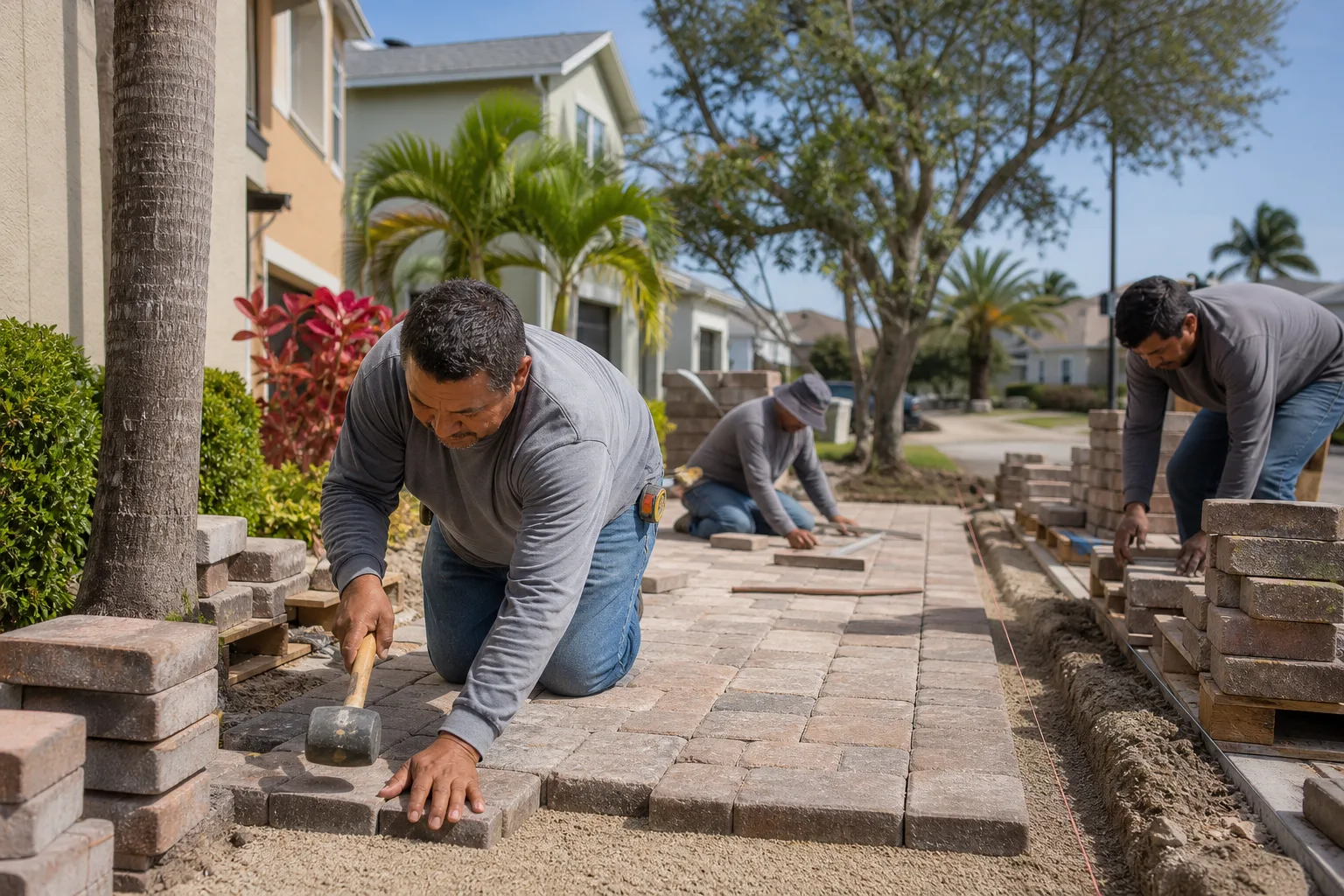
You should call a professional for a driveway paver project as soon as you’re seriously considering it, because the schedule variables begin the moment you have a design in mind. If your driveway has settled areas, standing water after storms, cracked or heaved sections, or utility easements running underneath, the project scope is more than a cosmetic refresh. Same for any property with a drainage swale, a steep grade, or a shared-right-of-way driveway entry. These require site review before any timeline can be honestly quoted.
Aventura projects also benefit from professionals handling permit submission and coordination, since a well-tracked permit is the difference between a six-week project and a twelve-week one. Groundwork Construction Co. of Aventura offers free estimates in Aventura – call (833) 716-6251 to schedule yours. Our technicians have up to 12 years of experience, all work is covered by our 730-Day Done Right Promise, and we pair every estimate with no-hassle upfront pricing so the number you see is the number you pay.
Frequently Asked Questions
Plan for 4 to 10 weeks from contract to drivable driveway, with 3 to 7 working days of actual on-site labor. The longer calendar time is driven by Aventura permit review (typically 1 to 4 weeks), curing windows (3 to 5 days after sealing before vehicles), and rain days in the summer months. Call (833) 716-6251 for an exact quote on your specific driveway – estimates are free.
No. In most cases you cannot drive on new pavers the day after installation. You’ll wait at least 24 to 48 hours post-laying for joint sand and edge restraint, then 24 to 72 hours after sealing before vehicle traffic is safe. Any concrete edge restraints or aprons have their own separate cure window of a week or more. Ask your contractor specifically when you can park both cars, not one.
Yes, in practically every case involving changes to the driveway footprint, drainage, or right-of-way impact. Even like-for-like replacements often require permit review under city code. Your contractor should handle submission and tracking as part of the job. Call (833) 716-6251 to talk through your specific scope – estimates and permit discussions are free.
Not with a properly scoped contract. Upfront pricing means the number in your signed contract is the number you pay unless you approve a written change firsthand. When a base problem surfaces during excavation, that’s a scope conversation, not a surprise invoice. Our written line-item quotes make the scope explicit before a shovel touches the ground. Call (833) 716-6251 for a free estimate.
They will if the contractor didn’t plan around them. A South Florida paver schedule that runs from May through October needs built-in rain days and morning-first sequencing so base work happens before the daily cells arrive. If your estimate has zero weather contingency, expect real-world slippage. Ask any contractor how many rain days they’ve built into the schedule for your specific start window.
Aventura review is thorough, especially on drainage, swale, and right-of-way elements that coastal properties frequently involve. Reviews can stretch when submittals are incomplete. The fix isn’t a faster city – it’s a contractor who submits complete applications, tracks them weekly, and schedules the rest of the project around the review window instead of pretending it doesn’t exist. Call (833) 716-6251 to schedule a free estimate and we’ll walk your specific property line.
The Bottom Line
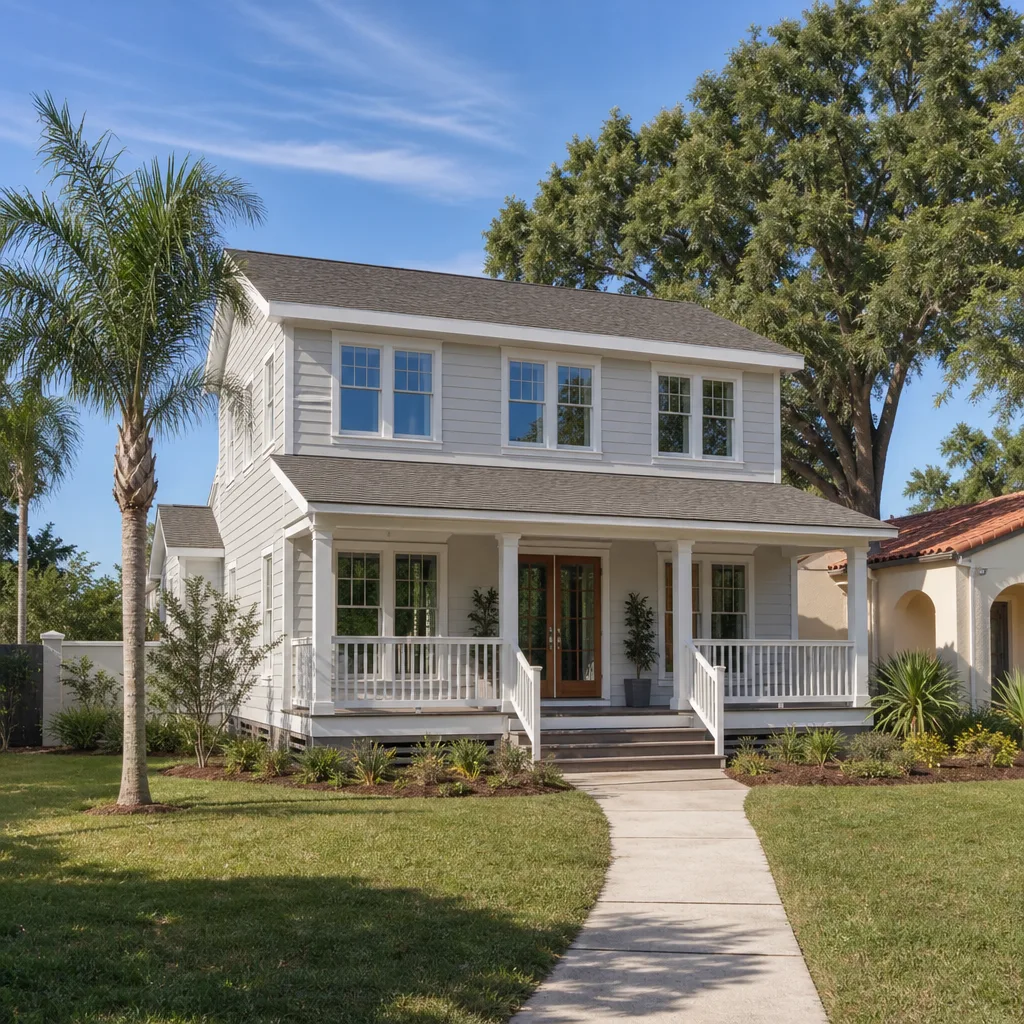
Two numbers matter with paver timelines: the 3 to 7 working days of on-site labor, and the 4 to 10 weeks of calendar time from contract to drivable surface. Everything between those numbers is permits, base work, curing, and weather. Aventura projects run longer than inland ones for good reasons: coastal drainage review, HOA approvals layered on top of city permitting, and South Florida’s summer storm pattern that turns a half day of afternoon rain into a next-morning re-compaction. Any contractor quoting you three days start to finish is skipping at least one of those realities. Ask about permit status, base lift count, seal cure windows, and rain days – the answers you get back tell you exactly what kind of schedule you’re about to live through.
Ready to price your driveway for real? Call (833) 716-6251 for a free estimate. Groundwork Construction Co. of Aventura answers calls live, 24/7, and every project is covered by our 730-Day Done Right Promise – if it’s not done right, we make it right. We also offer $1,000 off projects over $10,000 and 0% financing for 18 months to help make the timeline and the budget work together.
Written by the team at Groundwork Construction Co. of Aventura.