Last updated November 18, 2026




Free written scope consultation - allowances, timeline, and change-order rules on paper before a single trade is scheduled
Construction Emergency Preparedness Guide for Aventura Homes
Most hurricane damage claims don’t start with the storm. They start months earlier, with a roof-to-wall connection that was never strapped, a window seal that dried out in the South Florida sun, or a fastener that quietly corroded behind a wall the homeowner never sees. FEMA’s post-storm assessments keep landing on the same finding: the wind doesn’t usually create failure, it exposes conditions that were already there. That distinction matters enormously in Aventura, where so much of the housing stock was built to codes written for a different era. This guide walks you through what to audit, what to document, what requires a licensed electrician, and how to tell a legitimate contractor from a storm chaser before June rolls around. It’s written for homeowners who’d rather spend a weekend in April than a month in September waiting on a tarp.
Quick Answer
Hurricane emergency preparedness for an Aventura home means identifying the construction vulnerabilities specific to your building type before storm season starts, documenting your property in a way your insurer will accept, and establishing a contractor relationship while phones are still being answered. Aventura has three dominant home types – mid-century concrete block, newer stucco-frame, and high-rise condo units – and each fails differently under wind and water loads. The work you do in April and May is what determines how September goes.
Styles & brands we work with
- Kitchen remodeling
- Bathroom remodeling
- Home additions & ADU
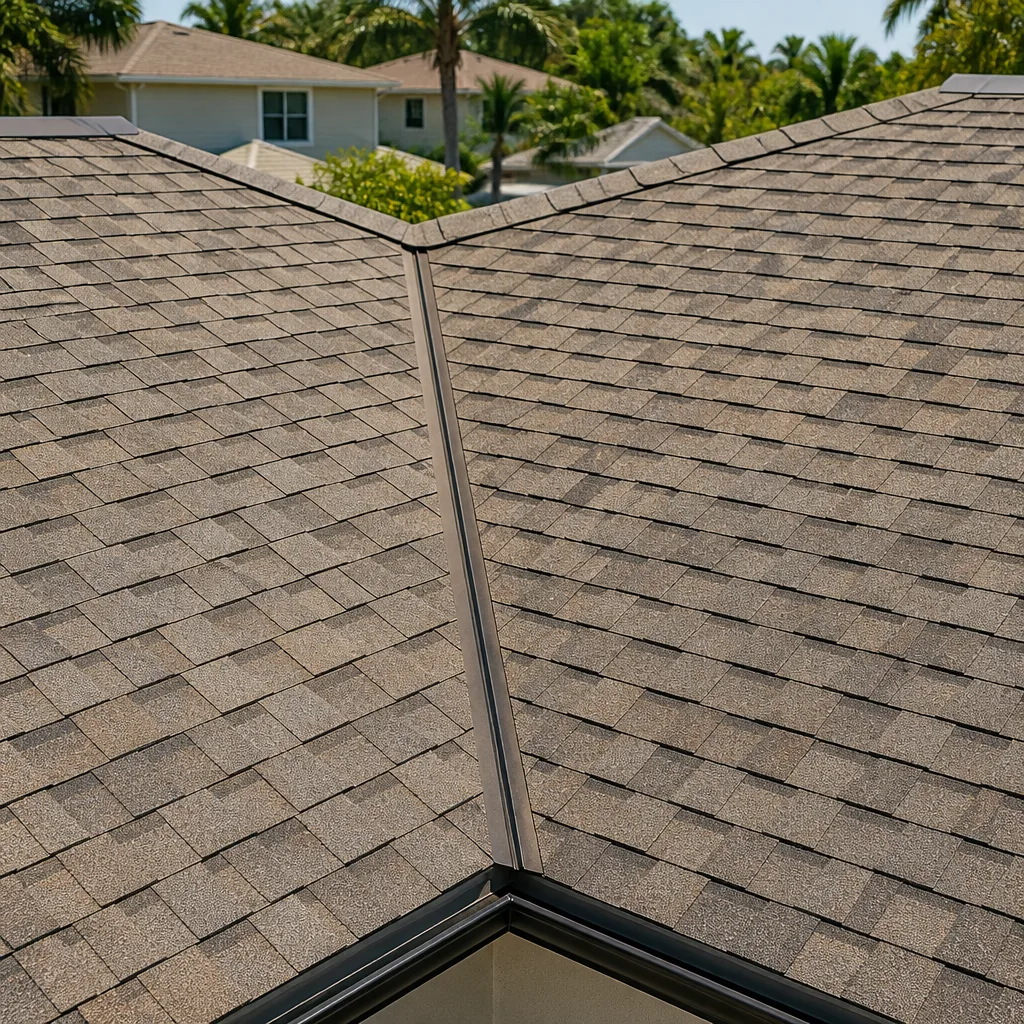
- Roofing
- Windows & doors
- Driveway & pavers
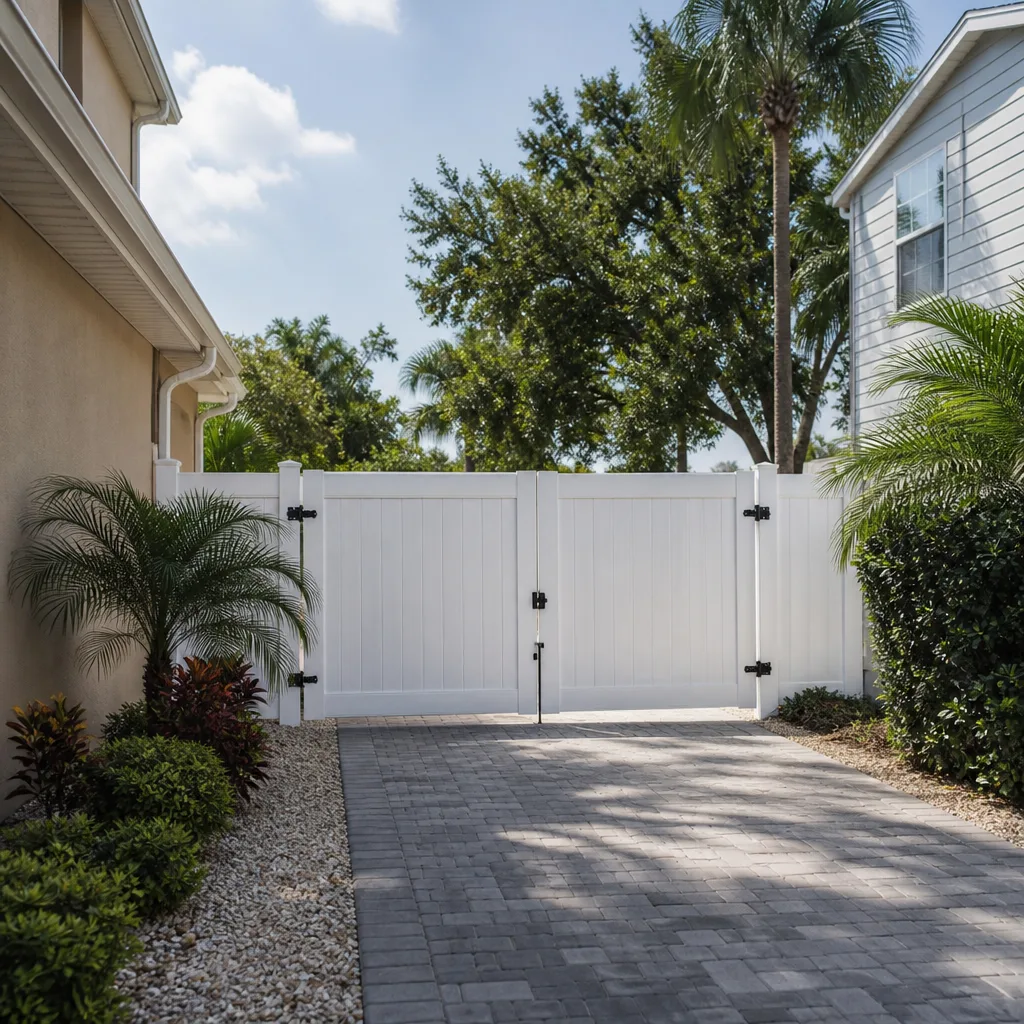
- Fence
Table of Contents
- Why Aventura Homes Fail Differently Under Hurricane Loads
- The Pre-Season Structural Audit Checklist by Home Type
- Emergency Tarping and Storm Boarding: What the Permit Rules Actually Say
- Post-Storm Documentation for Insurance Claims: What to Photograph, In What Order
- Generators and Standby Power Under Florida Code
- How to Vet a Post-Storm Contractor Before You Sign Anything
- Building Your Aventura Storm Season Timeline
- Common Mistakes to Avoid
Why Aventura Homes Fail Differently Under Hurricane Loads
Walk through three Aventura neighborhoods in one afternoon and you’ll pass three completely different sets of vulnerabilities. The city grew in distinct waves – the early concrete block construction from the 1960s and 70s, the stucco-over-frame build-out that accelerated through the 1990s and 2000s, and the vertical high-rise corridor along the Intracoastal and Biscayne Boulevard. A wind event treats each of these very differently.
Concrete block homes, which still make up a large share of the single-family stock in areas like Aventura Lakes and older pockets near Country Club Drive, tend to hold up well against wind pressure at the wall itself. The failure points show up at the openings and the connections. Original aluminum window frames from that era lose their seals, roof-to-wall ties are often strap-less if they haven’t been retrofitted, and flat or low-slope roof sections collect water when drainage scuppers clog with debris. In our experience, water intrusion rather than structural collapse is the dominant damage mode in these homes.
Newer stucco-over-frame homes, common in the builds from the last three decades, carry their own set of exposures. Stucco is a cladding system, not a waterproof barrier on its own – it depends on proper installation of the weather-resistive barrier behind it and on caulked joints that don’t stay flexible forever. South Florida’s UV load degrades sealants faster than most homeowners expect. By the time you notice a hairline crack near a window corner, water has usually been migrating behind the stucco for at least one season. James Hardie fiber cement siding, when installed correctly, solves some of the long-term durability question, but it doesn’t fix a stucco home’s existing sealant problem.
High-rise condo units in Aventura are a different conversation entirely, because individual owners don’t control most of the building envelope. What you can control: the condition of your sliding glass door tracks, your balcony storm panels or impact glass, and your knowledge of how the association handles tarping requests when the building’s roof or common walls take damage. Knowing your board’s post-storm process before the storm matters as much as knowing your own.
The Pre-Season Structural Audit Checklist by Home Type
The audit below is meant to be walked, not read. Have it in hand as you move through the property, and write down conditions rather than trusting your memory. Any specific item that raises a question – a pull-out in a roof tie, a soft spot you can push through, a window frame that’s pulling away from the wall – is a call-a-professional item, not a homeowner repair. Structural connections and roof tie-downs fail without warning when they’re loaded.
Mid-Century Concrete Block (1960s – 1980s)
- Check the roof-to-wall connections from the attic if you can access it safely. Look for hurricane straps or clips connecting the trusses to the top plate; if you see bare trusses sitting on the plate without metal ties, that’s a red flag to have evaluated.
- Inspect original aluminum slider and window frames for pulling, warping, or moisture damage at the corners. Old frames often fail at the splined corner joints.
- Check the garage door and its tracks. Garage doors are the largest opening on most homes and the most common point of failure under wind pressure; a rated door and properly installed reinforcement matter more than the door’s visible condition.
- Clear roof drains and scuppers on flat or low-slope sections. Aventura’s heavy summer rain bands will find any restriction, and ponding water is a slow structural load.
- Examine the exterior walls around window and door openings for stair-step cracking in the block mortar. It’s not always structural, but it’s always worth understanding.
Newer Stucco-Over-Frame (1990s – present)
- Walk the perimeter looking at every window and door corner for hairline cracks that radiate diagonally. Those are the tell for differential movement, and they let water in.
- Check the sealant joints at windows, doors, penetrations, and along the roof-wall intersection. Sealant should be flexible and bonded to both surfaces, not cracking or pulling away.
- Look for staining, efflorescence, or soft trim below window sills and at the base of walls. Water rarely announces itself; it shows up as a mineral stain or a discolored band.
- Verify the roof covering’s condition and the flashings at all penetrations. Loose or lifted shingles on the windward side of a gable are a strong indicator the fasters are working.
- Confirm that soffit vents and any gable vents are intact and attached. A blown-off soffit panel opens the entire roof assembly to wind-driven rain.
High-Rise Condo Units
- Inspect balcony sliding door tracks for clogged weep holes and corrosion. Water that can’t drain from the track finds a path inside.
- Test every storm shutter, accordion panel, or impact glass unit for proper operation now, not in the 24 hours before landfall.
- Know your association’s pre-storm and post-storm protocols in writing – who to contact, when they authorize building-wide tarping, and how common-area damage claims get handled.
- Photograph your unit interior, balcony, and all personal property each spring. This documentation is what you’ll hand your insurer if the envelope fails.
- Verify your unit’s shutoff locations for water, gas, and electrical, and that any generator or standby connection point conforms to the building’s rules.
If your audit opens a larger scope – roofing, windows, or envelope work – that’s what Groundwork Construction Co. of Aventura home exists to handle. These are the exact conversations to have in spring, before the phone lines get long.
Emergency Tarping and Storm Boarding: What the Permit Rules Actually Say
Here’s what most homeowners don’t find out until after the storm: emergency tarping and temporary storm boarding are regulated activities in Florida, and the rules tighten the moment a state of emergency is declared. Post-event, many municipalities waive certain permitting requirements for emergency protective measures – but “waive” doesn’t mean “unregulated,” and it doesn’t mean the work is exempt from inspection once conditions stabilize. A roof tarp installed to specification protects your interior; one installed without proper anchoring can become a sail in the next wind band and cause more damage than the original leak.
The practical implications for Aventura homeowners:
- Pre-storm: permanent storm shutters, impact-rated glass, and any structural reinforcement are permitted work. They need licensed installation and inspection. Don’t let a handyman talk you into an unpermitted retrofit – it can complicate your insurance.
- Immediate post-storm: emergency protective measures (tarping, temporary boarding of openings) generally fall into an expedited or waived permitting process during a declared emergency, but the contractor performing them should still be licensed and should document the work.
- Repair phase: permanent roof repair, window replacement, or structural repair after damage requires a standard permit and inspection cycle. Any contractor who proposes to do permanent work under the emergency exception is either misinformed or cutting corners.
This is why having a contractor relationship before storm season matters more than finding one after. When a major event hits South Florida, every licensed roofer and general contractor gets pulled into a queue that forms within hours. The homeowner who called in May has a name and a number already in hand – and an understanding of what the emergency permitting path looks like for their specific situation. The homeowner who calls in September is competing with thousands of other people doing exactly the same thing. That’s not a marketing line. It’s a scheduling reality that plays out every storm season.
Post-Storm Documentation for Insurance Claims: What to Photograph, In What Order
This section is the one most homeowners skip, and it’s the one that costs the most when it goes wrong. Insurance adjusters work from documentation. If your photos are out of sequence, or if you made repairs before documenting, the claim is harder to substantiate and you’re more likely to get a partial settlement or a dispute. The sequence matters because adjusters need to know what was damaged by the storm versus what was pre-existing condition. Your pre-season audit records help enormously here.
Follow this sequence, in this order, before you or anyone else touches the damage:
- Wide establishing shots. Photograph the exterior of the entire home from multiple angles, and the property from the street and sidewalk. Include adjacent structures, trees, and standing water. These establish the overall condition and the extent of the event.
- Every damage point, from wide to close. For each damaged area, take a wide shot that shows where it is on the home, then progressively closer shots, ending with a macro that shows the specific detail. Include something for scale if possible.
- Interior damage with context. Photograph water stains and damage on the walls and ceiling, but also step back and shoot the whole room so the adjuster knows where the stain sits and how large the area is.
- Contents and personal property. Document everything damaged before disposal. If you must discard something due to mold or hazard, photograph it first and keep a written list.
- Timestamped video walkthrough. A slow, narrated video walking the same path as your stills is often the single most useful piece of evidence in a claim. Many adjusters prefer it.
- Record all mitigation efforts. If you tarped, boarded, or took any other protective action, document it with photos and the contractor’s name, license number, and work description.
Only after this documentation exists should emergency repairs begin. In our experience, claims with complete, sequential photographic evidence settle faster and with fewer disputes. It takes about an hour of your time and it is the single highest-return hurricane prep task on this list.
Generators and Standby Power Under Florida Code
Portable and standby generators are essential assets in Aventura, where a major storm can knock out power for days and where medical equipment, food, and cooling needs don’t pause. Florida’s electrical code is specific about what you can and can’t do yourself, and the distinctions matter for safety and for insurance coverage.
What a homeowner can legally handle: connecting a portable generator to individual appliances via properly rated cord sets, using the generator outdoors in a well-ventilated location, and maintaining the unit per the manufacturer’s instructions. That’s the extent of it for most homeowners.
What requires a licensed electrician, full stop:
- Any connection of a portable generator to your home’s electrical panel or wiring system, including via a transfer switch (whether manual or automatic)
- Any installation of a standby or whole-home generator, including the gas line, the electrical connection, and any structural pad
- Any generator interconnect that touches the utility-supplied service
- Any work on your electrical panel itself, including adding a generator interlock kit
The reason for these rules is straightforward: generators that feed back into a home’s wiring without proper isolation can backfeed the utility grid and endanger line workers working on the local distribution system. They can also destroy your own home’s electronics or start a fire. The transfer switch or interlock exists to make that physically impossible.
If your audit turns up generator needs – and for many Aventura homes, a whole-home standby unit is the right answer – the installation involves a licensed electrician, coordination with the local gas utility, and inspection. Permitted work, done correctly, also protects your insurance coverage if a future claim involves the generator. Backfeeding is the classic way homeowners void coverage.
How to Vet a Post-Storm Contractor Before You Sign Anything
The window between a storm and the arrival of out-of-state “restoration specialists” opens fast. Some are legitimate; many are not. The pattern is always similar: a door-knock within days of the event, a cash deposit requested on the spot, an out-of-state phone number, a promise to “handle the whole claim for you.” The homeowner is in a vulnerable position – roof half gone, water coming in, insurance adjuster weeks away – and the pressure is real. Here’s how to make that decision quickly without getting burned.
- Verify the license before anything else. Florida’s Department of Business and Professional Regulation maintains a public license lookup. Ask for the license number and verify it in real time, on the spot. A legitimate contractor expects this and will have the number ready. If they hesitate, that’s the answer.
- Insist on a written, line-item scope and contract before any work or deposit. No verbal estimates. A real contract identifies the license holder, the scope of work, materials, the payment schedule, and the warranty period. If the “estimate” is a handwritten slip of paper, walk.
- Never pay a large deposit in cash or in full up front. Legitimate contractors invoice on a schedule tied to milestones. Any request for the full cost before materials arrive is a red flag.
- Check the physical address against the license address. Mismatches, P.O. boxes, or a business that only exists as a website are worth treating with suspicion.
- Ask what happens to the warranty if the company leaves the market. The right answer names a specific warranty obligation and the entity behind it. Storm chasers don’t plan to be around to honor anything.
- Confirm workmanship warranty terms in writing. “We guarantee our work” isn’t a warranty. A specific, written term – such as the 730-Day Done Right Promise that backs every Groundwork job – is.
A legitimate post-storm contractor isn’t offended by these questions. They expect them. If a contractor pushes back on license verification or refuses a written, line-item scope, you’ve just saved yourself a very expensive lesson.
Building Your Aventura Storm Season Timeline
The calendar is the one variable you control completely. Here’s the schedule we recommend for Aventura homeowners, and it aligns with the National Hurricane Center’s official season of June 1 through November 30 – with Aventura’s highest exposure typically falling in August and September.
- March – April: The structural audit. Complete the audit checklist above for your home type. Get a professional evaluation on any item that touches structure, roof tie-downs, or envelopes. Schedule any repair work now, while schedules allow.
- April – May: Documentation and shuttering. Complete your sequential photo and video documentation now. Test shutters, impact panels, and generator readiness. Verify your insurance policy, particularly wind and flood, and confirm your deductible.
- May: The contractor relationship. If you don’t have a contractor who already knows your home, establish that relationship before June 1. Get the license, insurance, and warranty terms on paper now, when the phone lines are quiet.
- June – July: Minor prep and supplies. Stock water, batteries, medication, and any generator fuel (safely stored). Final walkaround – clear drains, trim trees, secure loose outdoor items.
- August – September: Active vigilance. Watch forecasts, keep phones charged, know where your documentation lives. If you have a standby generator, exercise it per manufacturer schedule. Keep your contractor’s number where you can find it quickly.
- October – November: Post-season review. Whatever happened or didn’t, review the season. Which vulnerabilities did you find that you didn’t fix? That list becomes next year’s March audit.
If your audit turns up larger scope work – a roof nearing end of life, windows that need replacement, an addition that would give you a safer interior room – those are the exact projects to plan in spring. That’s the moment to talk to us about Driveway & Pavers in Aventura for drainage and resilience, or Home Additions & ADU in Aventura if you’re thinking about a hardened safe room or a more resilient structure.
Common Mistakes to Avoid
- Waiting until a named storm is in the forecast to start the audit. By the time a system has a track, contractors, suppliers, and inspectors are all committed. Every task in this guide is easier in April than in August.
- Making repairs before photographing damage. Within 48 hours of the event, before any tarp, before any board goes up, the camera roll is evidence. Once you repair, you’ve erased the record your adjuster needs.
- Backfeeding a portable generator into the home’s wiring. Beyond the obvious safety danger to utility workers and your own family, backfeeding can void your homeowner’s coverage if the wiring is later involved in any claim.
- Paying a storm chaser a full deposit up front for a “guaranteed” repair slot. Money paid to an out-of-state operator with no local address, no verifiable license, and no written warranty is money you’re unlikely to recover.
- Assuming your association or condo board will handle tarping without your involvement. Building-wide response often depends on individual owner reporting. Know your board’s process before the event, not after.
- Treating stucco as a waterproof wall. It’s not. Sealant joints at windows and doors are the actual water barrier, and they need inspection annually in South Florida’s sun and rain cycle.
- Letting a hail-damage or storm-damage “specialist” inspect your property without a written scope and license verification. The inspection is the most valuable moment – do it with someone accountable, not a door-knocker with a clipboard.
See the difference
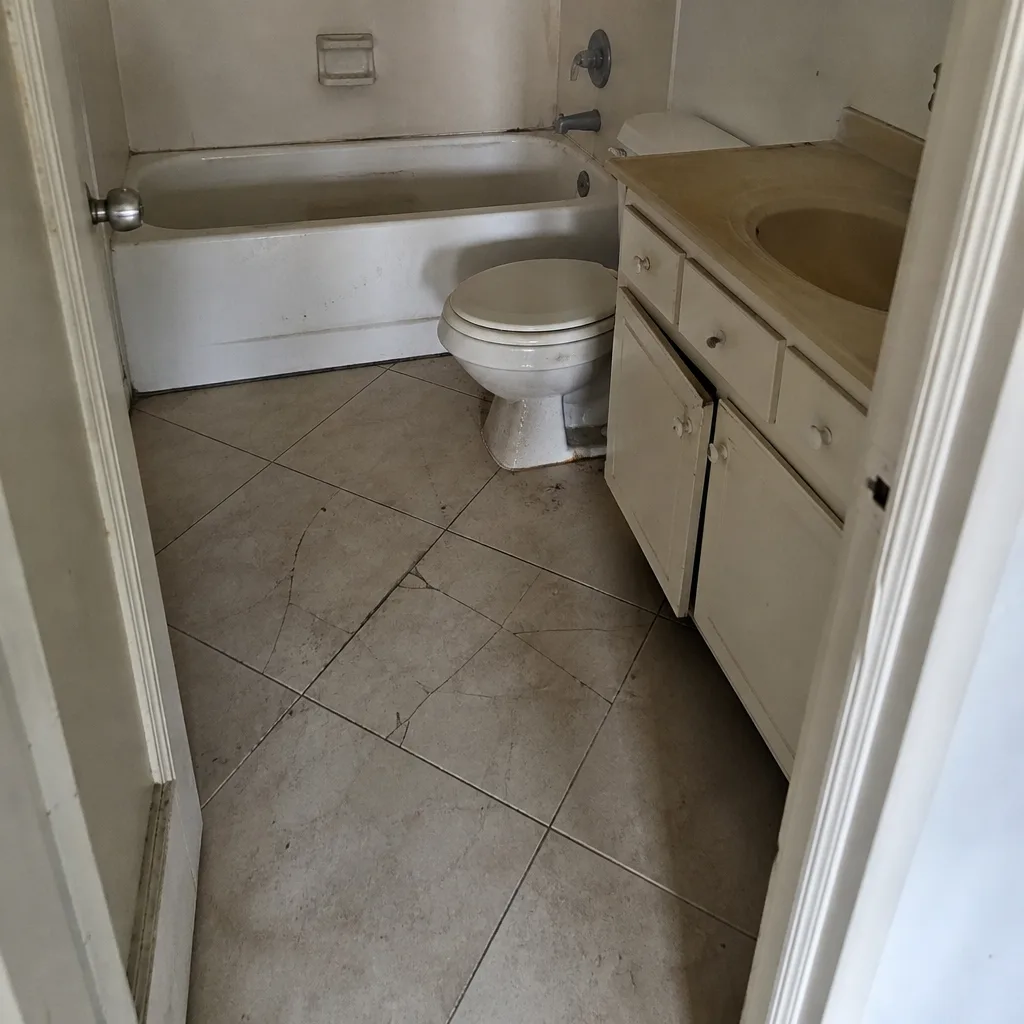 Before
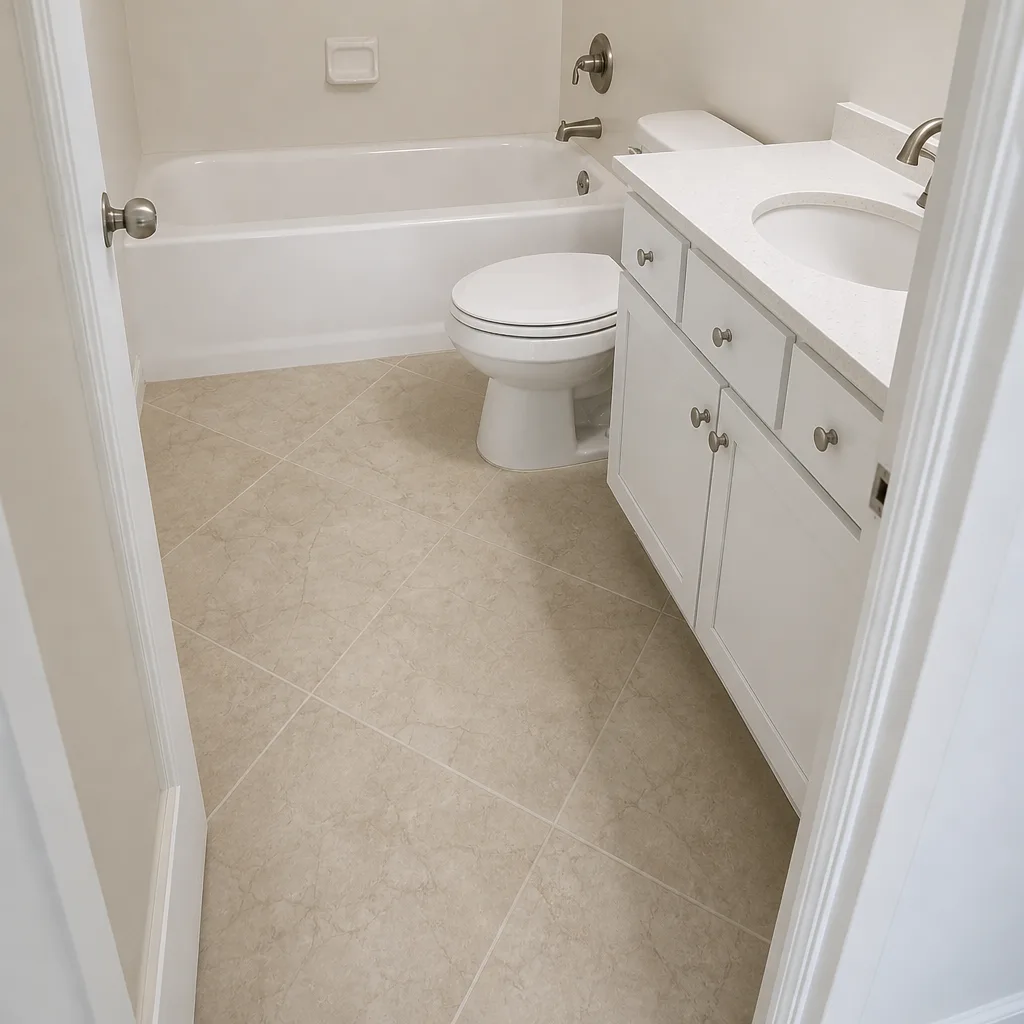 After
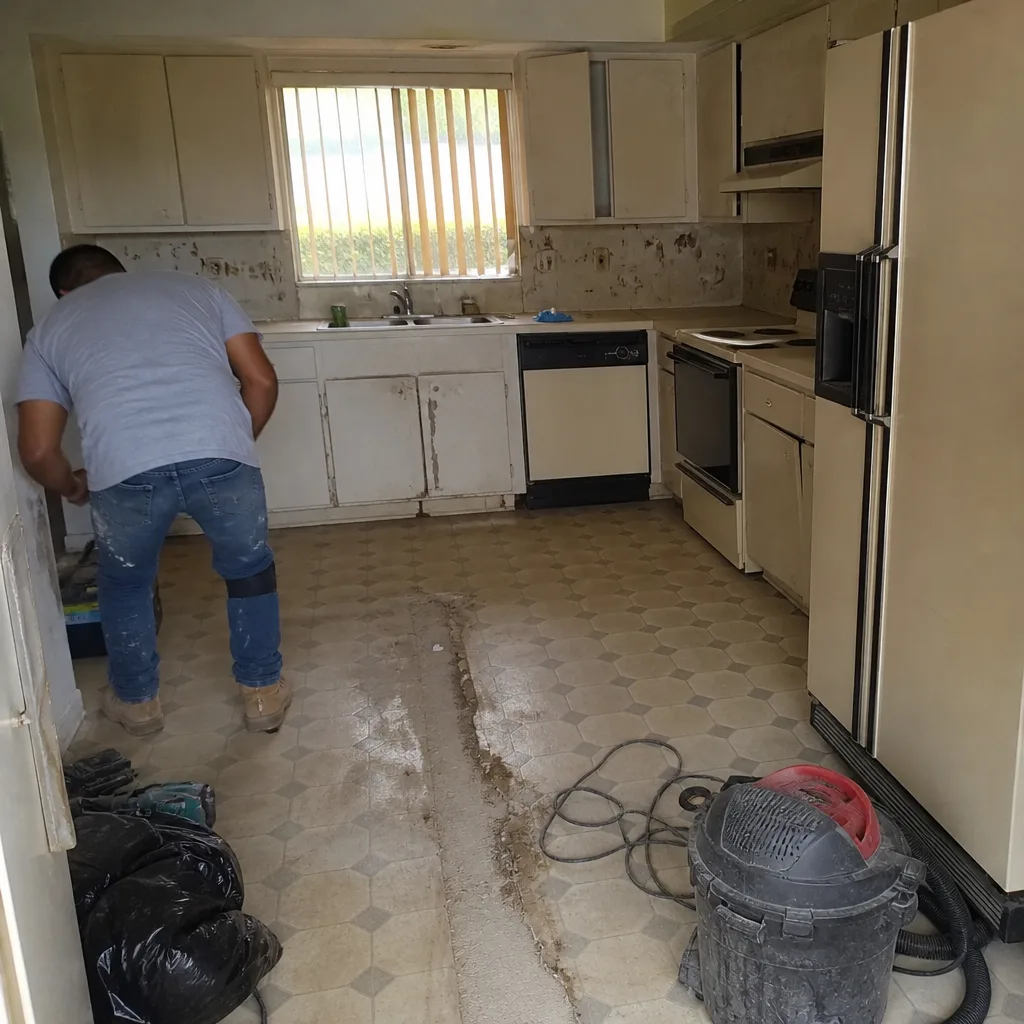 Before
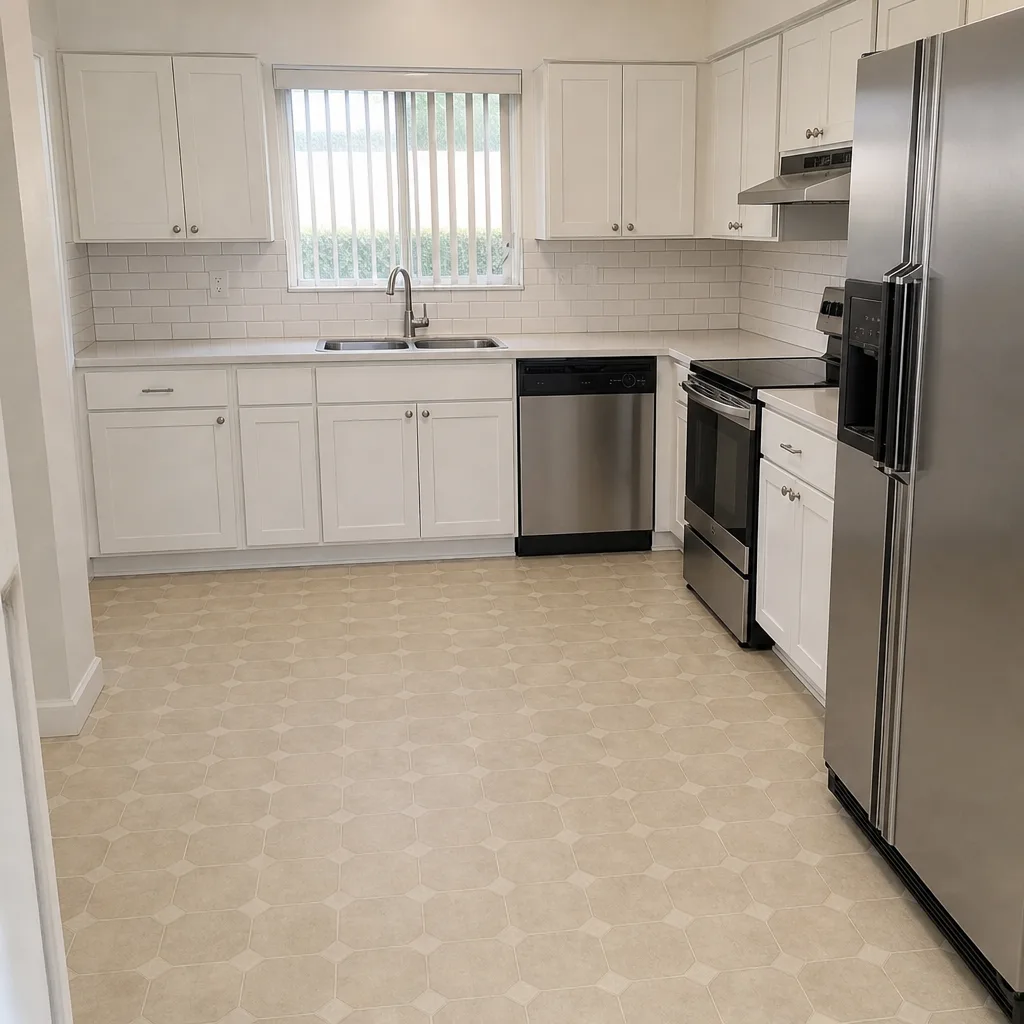 After
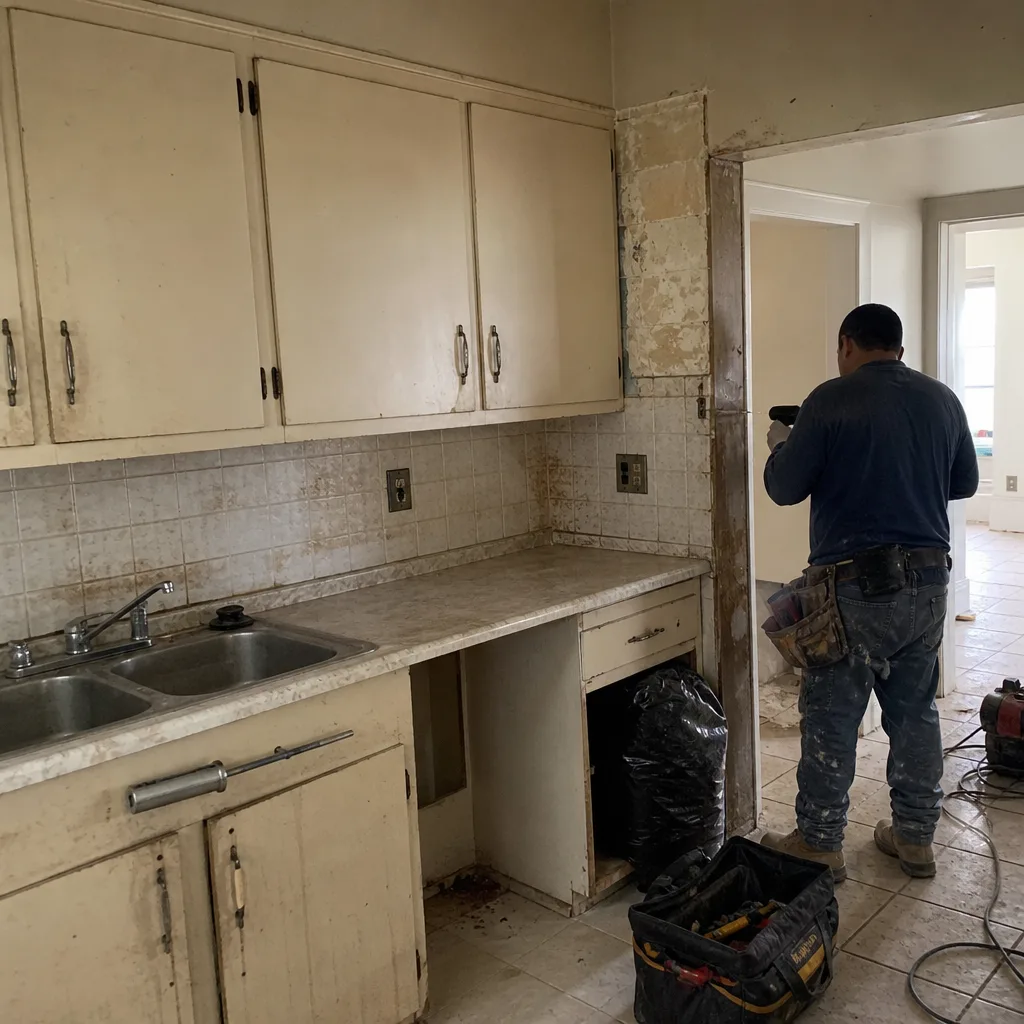 Before
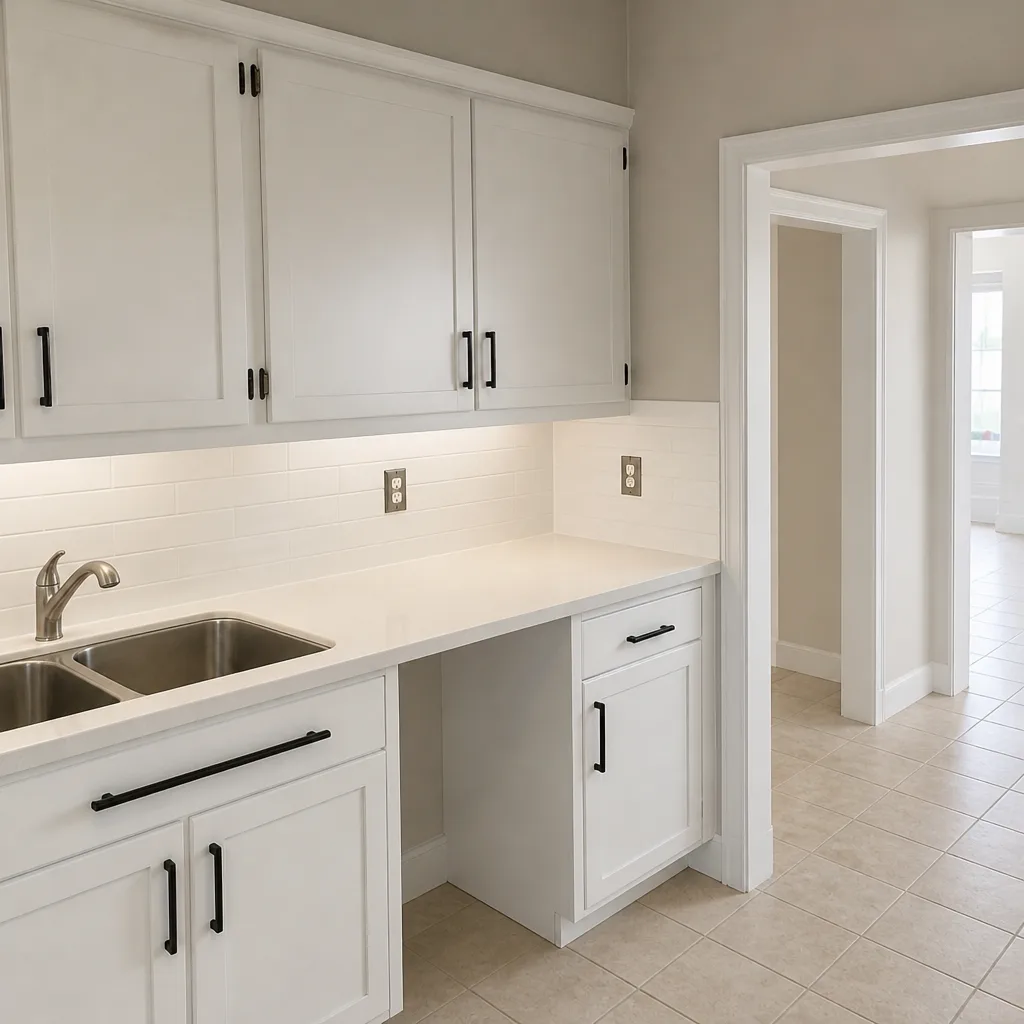 After
When to Call a Professional
Some items on this list are homeowner checks; others are structural and require a trained professional. Call a licensed contractor immediately if your audit turns up any of the following: roof-to-wall connections without straps or clips, soft spots or staining that suggest ongoing water intrusion behind the wall, a garage door that doesn’t close fully or shows cracked panels, windows or doors that have pulled away from the frame, or any evidence of damage behind stucco. The same applies to any generator work beyond cord-level connection, and to any post-storm situation involving a hole in the envelope, structural movement, or water in the wall cavity. Groundwork Construction Co. of Aventura offers free estimates in Aventura and full-scope work backed by the 730-Day Done Right Promise. Call (833) 716-6251 and a live person answers – the free estimate and design consult costs nothing, and it’s the right call to make before June. If your audit also flags fence or driveway drainage issues, that’s what Fence Installation in Aventura and Driveway & Pavers in Aventura are for.
Frequently Asked Questions
Emergency tarping is generally covered by expedited or waived permitting during a declared state of emergency, but the work should still be performed by a licensed contractor and documented. Permanent repairs after the emergency requires a standard permit and inspection. Have a contractor relationship established before the season so you’re not sorting this out during the event. Call (833) 716-6251 for a free estimate on any pre-season work that closes a vulnerability, or to talk through your specific situation now rather than after a storm.
Start with wide establishing shots of the entire exterior from multiple angles, then move to a wide-to-close sequence for each damage point, then interior damage with room context, then contents. Finish with a narrated video walkthrough. This sequence is what adjusters need to substantiate a claim. If you’re unsure whether a pre-season repair would prevent a claim, a free estimate can tell you. Call (833) 716-6251.
No. Whole-home standby generator installation – including the gas line, electrical connection, transfer switch, and any structural pad – requires a licensed electrician and inspection. A homeowner can legally connect a portable generator to individual appliances via rated cords, but not to the home’s wiring. If you’re planning standby power before the season, free estimates are available – call (833) 716-6251.
Verify the license number in Florida’s DBPR public license lookup in real time, insist on a written line-item scope and contract before any work or deposit, and never pay a full deposit up front. A legitimate contractor expects every one of those checks. For pre-season repair or a second opinion on any contractor’s proposal, you can always call us at (833) 716-6251 for a free estimate and a straightforward read.
Individual condo owners don’t control the building envelope, so the priorities shift to protecting your sliding glass door tracks, testing your shutter and impact glass system, and understanding your association’s post-storm protocol for building-wide tarping. You also need your own documentation of interior and personal property, because your individual coverage is separate from the building’s. If you’re considering upgrades to your unit’s envelope elements, call (833) 716-6251 for a free consultation.
March through May is the right window. By June, contractors and inspectors are fully committed to existing work, and by August the phone lines are jammed. Repair work identified in the spring audit should be scheduled immediately so it’s complete before the peak of the season. Free estimates are available year-round – call (833) 716-6251 to get on the calendar now.
The Bottom Line
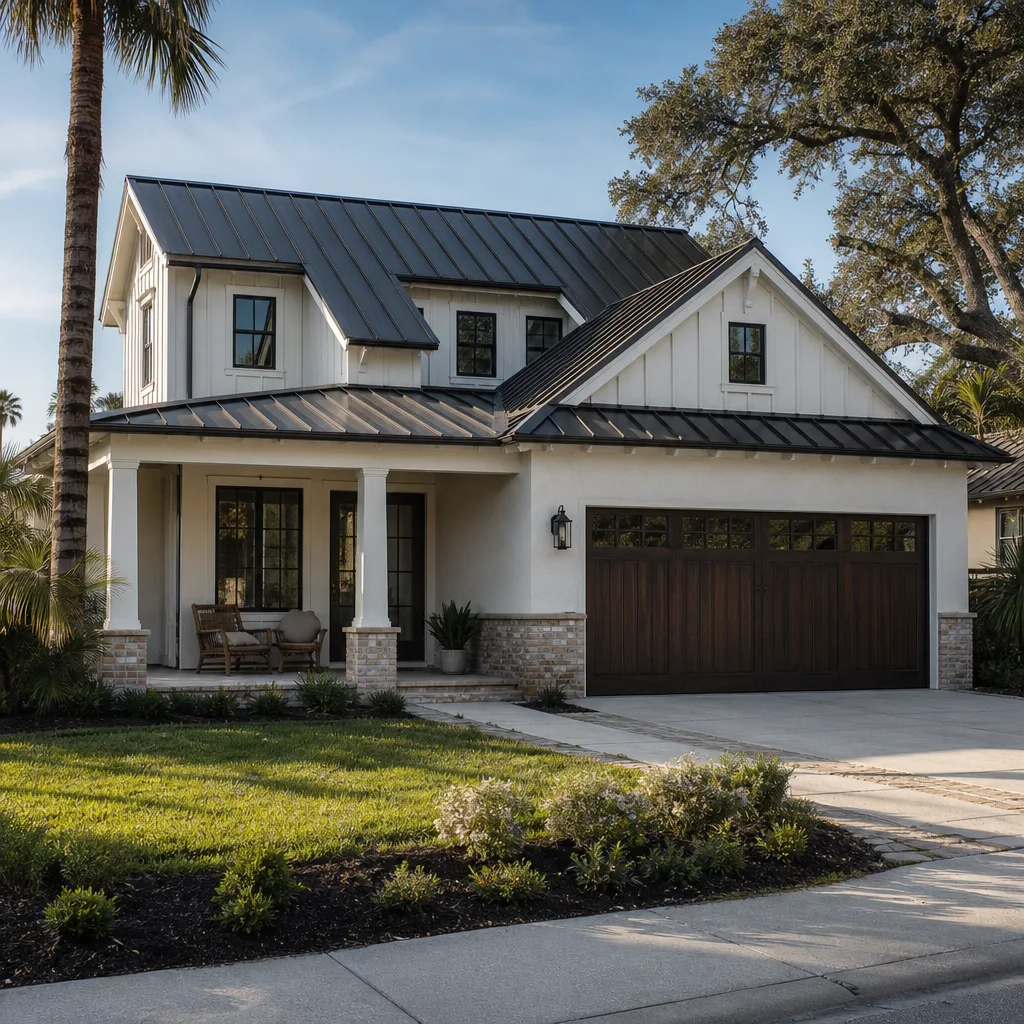
The Aventura homes that come through a hurricane with the least damage aren’t the ones with the most supplies in the garage. They’re the ones whose roof tie-downs, window seals, and envelope details were verified before June, whose owners have a documented photo record prepared in sequence, and whose contractors were already in the phone as of spring. Every one of those advantages is available to you today, in quiet weather. The audit checklist in this guide takes a weekend. The contractor conversation takes a phone call. The documentation takes about an hour. The work you do in the next thirty days is the work that makes all the difference in September. If you’d like a professional read on your specific property before the season, Groundwork Construction Co. of Aventura offers free estimates – call (833) 716-6251 and you’ll get a live person who can help you figure out what’s next. Backed by the 730-Day Done Right Promise and upfront pricing with no surprises, from foundation to finish line.
Written by the team at Groundwork Construction Co. of Aventura.