Last updated November 18, 2026
Free written scope consultation - allowances, timeline, and change-order rules on paper before a single trade is scheduled
The Complete Guide to Construction in Aventura
Most homeowners in Aventura discover their contractor wasn’t familiar with Miami-Dade’s High-Velocity Hurricane Zone requirements after the permit gets flagged – not before the first nail goes in. By then, the material specs are wrong, the inspection has failed, and the schedule has slipped by months. Building in Aventura is a different discipline than building in Orlando or even Fort Lauderdale, and the guides written for the rest of Florida quietly set you up for expensive corrections. This guide covers what actually governs construction in Aventura: the HVHZ code, the two separate approval tracks, HOA review timing that stacks on top of permits, how the Intracoastal changes specifications, and what full-scope partnership really means versus a general contractor who subs out every trade. Read all of it before you sign anything.
Quick Answer
Construction in Aventura is governed by Miami-Dade County’s High-Velocity Hurricane Zone (HVHZ) code, which dictates specific approved products for roofing, windows, and structural connections, and every permitted project must pass both Aventura’s city planning review and Miami-Dade County inspections – two separate tracks. On top of that, most Aventura properties sit inside HOA jurisdictions whose architectural review can add 4 to 8 weeks to a timeline before the first permit is even filed. Budget for the layering, not the build alone.
Styles & brands we work with
- Kitchen remodeling
- Bathroom remodeling
- Home additions & ADU
- Roofing
- Windows & doors
- Driveway & pavers
- Fence
Table of Contents
- Why Miami-Dade’s HVHZ Designation Changes Every Permitted Project
- Aventura City Planning vs. Miami-Dade Inspections: The Two Approval Tracks
- HOA Architectural Review: The 4-8 Weeks Nobody Budgets For
- How Intracoastal Proximity Rewrites Foundation, Drainage, and Roofing Specs
- What “Full-Scope” Partnership Actually Means
- The Materials That Hold Up in Aventura – and the Ones That Don’t
- A Realistic Aventura Project Timeline, Step by Step
- How to Budget for Construction in Aventura
Why Miami-Dade’s HVHZ Designation Changes Every Permitted Project
Miami-Dade is the only county in Florida designated entirely as a High-Velocity Hurricane Zone. That’s not a marketing label – it’s a legal classification that changes what materials are permitted on your property. Any product used in a permitted assembly in Aventura has to carry a Miami-Dade Notice of Acceptance (NOA) or a Florida Product Approval specific to HVHZ use. A GAF shingle system that’s fine in Tampa may not have an HVHZ approval on its own; the approved assembly is the shingle, the underlayment, the fastener pattern, and the deck attachment working together.
In our experience, this is where bid comparisons fall apart. One contractor bids a “30-year architectural shingle,” another bids the same shingle name, and the difference is invisible on paper – but only one of them is quoting an approved HVHZ assembly. If the wrong one wins, you find out at inspection.
What HVHZ changes for an Aventura homeowner:
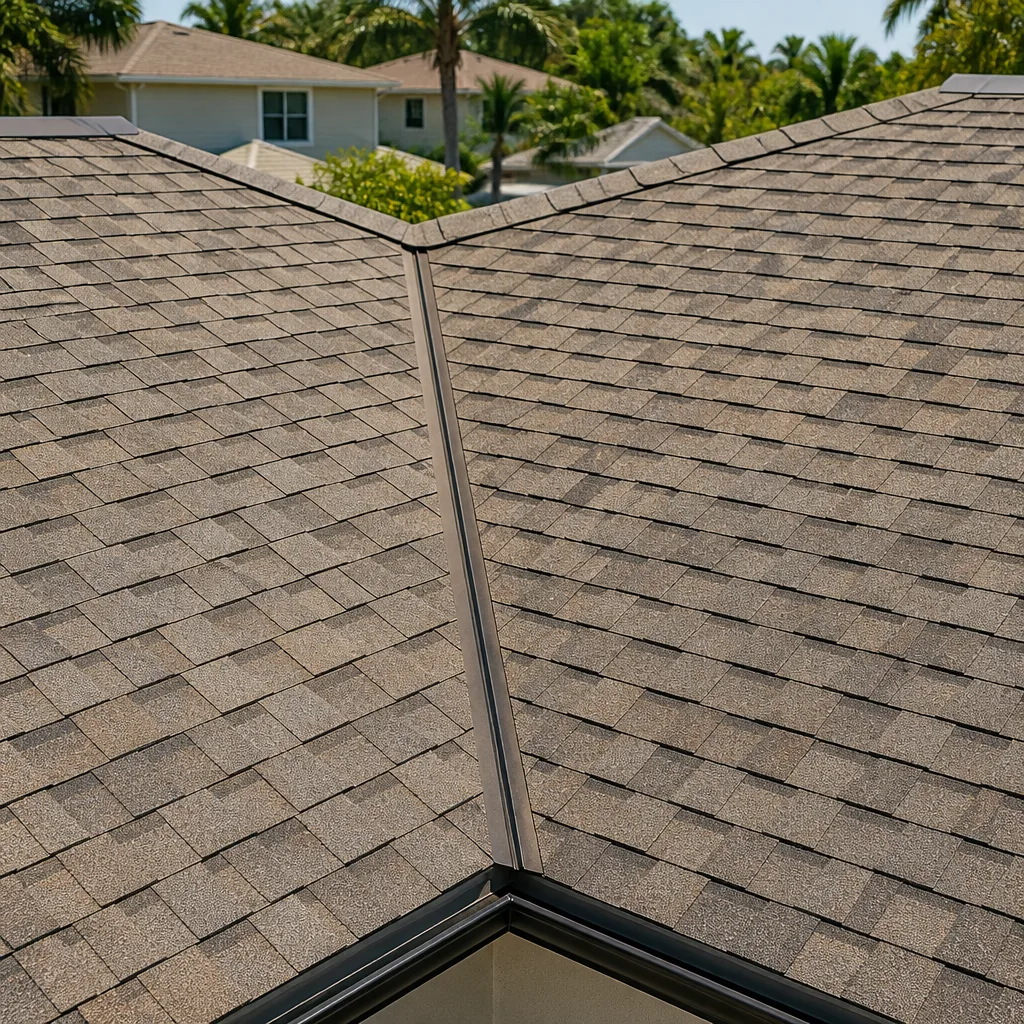
- Roofing: Approved underlayment (typically a peel-and-stick membrane), enhanced fastener schedules, and edge metal all carry product-specific approvals. Brand names like GAF and CertainTeed each publish HVHZ-specific systems – the system matters, not the brand name alone.
- Windows and doors: Impact-rated products with NOA numbers. Andersen and Pella both make approved impact lines, but approval is per SKU and per install method, so the installer’s flashing detail is part of the code compliance.
- Structural connections: Hurricane straps, anchors, and connectors have to be rated for the design wind speed, which in Aventura is higher than what’s typical inland.
- Additions and ADUs: New square footage triggers full HVHZ compliance on the addition itself and often on the tie-in to the existing structure.
The practical takeaway: ask any contractor you interview for the Miami-Dade NOA numbers on the products they’re specifying. If they can’t produce them, they aren’t building to code in Aventura.
Aventura City Planning vs. Miami-Dade Inspections: The Two Approval Tracks
Here’s the part that trips up contractors from outside the area. Building in Aventura isn’t a single permit process – it’s two parallel tracks that have to be managed separately.
Track 1: City of Aventura planning and zoning. The city reviews site plans, setbacks, height, lot coverage, and architecture against its own land development regulations. This is where an addition, a new driveway, or a fence height gets its first look. Aventura’s planning department is particular about things like impervious surface ratios – the percentage of your lot covered by building, driveway, and paving. If you’re considering new driveway and pavers work in Aventura, know that impervious coverage is reviewed here, not at the building department.
Track 2: Miami-Dade County building inspections. Once the city signs off on planning, the building permit is issued and inspections run through Miami-Dade’s building code enforcement, which is HVHZ-specific and detailed. Roofing, windows, structural, electrical, plumbing – each has its own required inspection sequence.
What this means in practice:
- The city planning review happens first and can take 2 to 6 weeks depending on project scope.
- The building permit is filed after planning approval – this is a second waiting period, not a parallel one for most projects.
- Inspections run through construction. Each phase has a hard stop where work can’t continue until it passes.
- Final inspection and certificate of occupancy close out the project.
Contractors who don’t know Aventura confuse the two and file in the wrong order, or assume the county handles zoning. That’s how permits sit in limbo for months. Ask any contractor you hire to walk you through which Aventura track your project sits on – if they can’t, that’s your answer.
HOA Architectural Review: The 4-8 Weeks Nobody Budgets For
Aventura is built on master-planned communities, and most of those come with HOA architectural review boards. This is a third layer of approval that runs in addition to, and often in parallel with, city planning. It adds real time: 4 to 8 weeks is the range we’ve seen, and in some communities it’s longer during peak season.
What HOA architectural review typically requires:
- Material samples and product data sheets for exterior finishes, roofing, windows, fences, and pavers – with color selections.
- A site plan showing the proposed work relative to lot lines and neighboring structures.
- Compliance with the community’s own design guidelines, which often mirror but don’t exactly match city code (a fence the city allows at 6 feet may be capped at 5 in a particular HOA).
- Landscaping buffer or sight-line requirements, especially for additions and fences adjacent to common areas.
- A signed contractor agreement, sometimes including proof of insurance and license verification.
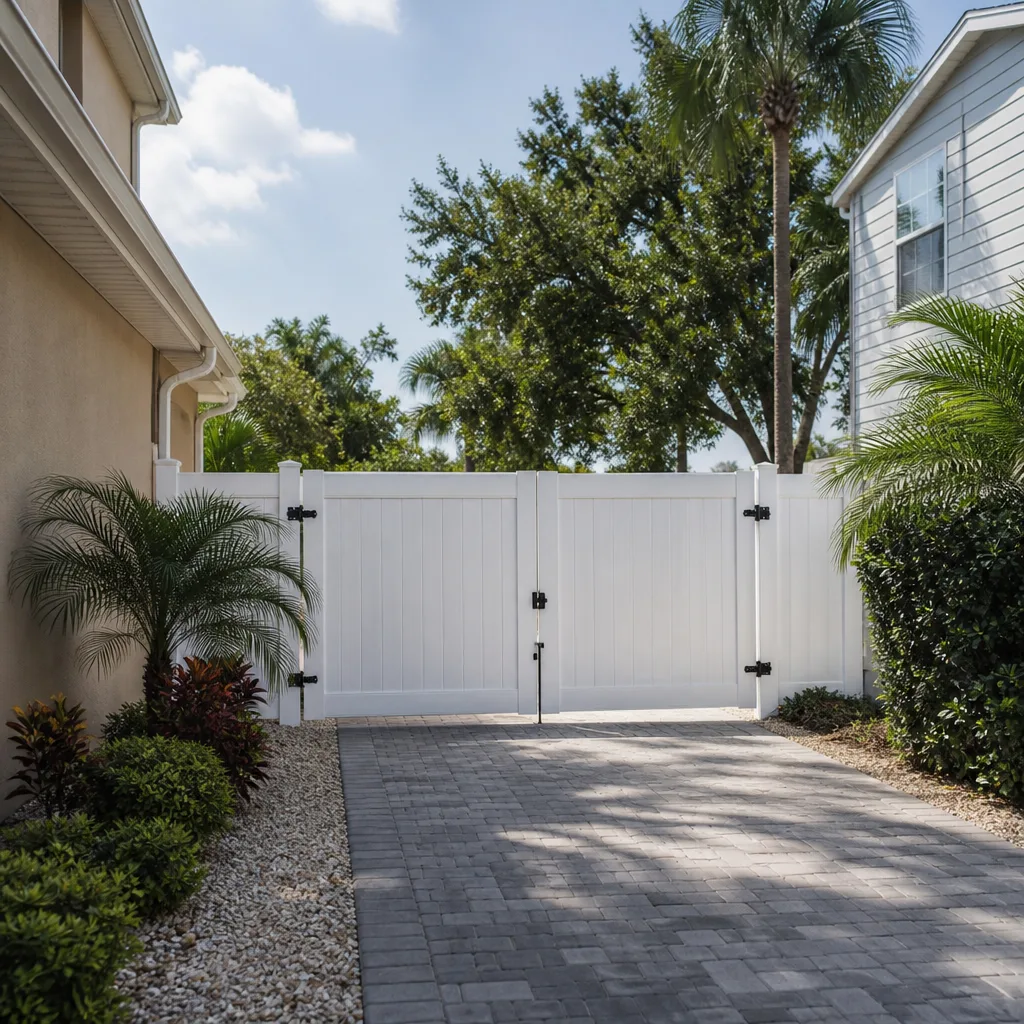
If you’re planning a fence installation in Aventura, the HOA often decides height, style, and material before the city ever sees the plan. Same for additions and roofs – the visible materials often have a pre-approved palette.
The mistake we see most: homeowners file their building permit first, pay the fees, and then discover the HOA won’t approve the design. Refiling both is expensive. File the HOA architectural review at the same time as, or before, city planning.
How Intracoastal Proximity Rewrites Foundation, Drainage, and Roofing Specs
Aventura sits between the Intracoastal Waterway and Biscayne Bay. Salt air, high humidity, and the water table are not abstractions here – they shape what holds up and what fails prematurely.
Foundation and site work. Lots closer to the water often have a higher water table, which affects footing depth, drainage design, and how quickly the ground dries after rain. Additions on these lots need geotechnical input; inland Florida guides ignore this entirely because it isn’t an inland problem.
Drainage. Impervious surface limits aren’t just an Aventura planning formality – they’re the city’s way of managing stormwater into a system that’s already stressed during wet season. Paver installations need to be pitched to the right drainage points and often incorporate permeable or semi-permeable base systems. Brands like Tremron and Techo-Bloc publish installation spec sheets for coastal projects; those specs, not the product color, are what keep a driveway dry five years out.
Roofing and fasteners. Salt-air exposure accelerates corrosion on every metal component – fasteners, flashings, drip edges, and vents. Stainless or hot-dip galvanized is the standard for any project within a couple of miles of the water, and it’s often worth specifying even farther in. Standard electroplated fasteners fail in a fraction of the expected time.
Windows and doors. The corrosive environment takes a toll on hardware and seals, and the wind exposure load is elevated. Impact-rated products from manufacturers like Andersen and Pella hold up better than non-rated assemblies over the long run, and they’ll pass inspection where a generic product won’t.
If you’re planning a home addition or ADU in Aventura, all four of these become part of the design discussion from day one – not add-ons later.
What “Full-Scope” Partnership Actually Means
A general contractor who subs out every trade is not a full-scope partner. They’re a coordinator with a phone. That model has a specific failure pattern: the framing sub blames the concrete sub, the roofer blames the framer, and the homeowner stands between them holding a checkbook while nobody owns the finished detail.
Full-scope partnership means one accountable party for:
- Design and material selection, including pulling brand-partner spec sheets and NOA approvals for every HVHZ assembly.
- Permitting – both the Aventura city planning track and the Miami-Dade building permit – filed correctly and tracked to completion.
- HOA coordination, from submitting the architectural application to responding to review board questions.
- Every trade: demolition, framing, roofing, window install, electrical, plumbing, HVAC tie-ins, drywall, finish carpentry, painting, and landscaping restoration.
- Workmanship warranty that covers the whole project, not just one phase.
That’s the model behind Groundwork Construction Co.’s 730-Day Done Right Promise – one of the longest workmanship guarantees in residential construction. It exists because the accountable party is a company, not a string of subs with separate handshakes. When a single trade’s work doesn’t hold up, the guarantee applies to the whole project, not a subcontracted sliver of it.
Compare that to the alternative: a GC who gives you nine phone numbers for nine trades, no written warranty, and a text message that reads “I’ll check with the sub.” That’s not construction management. That’s a referral service with a markup.
The Materials That Hold Up in Aventura – and the Ones That Don’t
Material selection in Aventura is not a finish-trend decision. It’s a code-plus-climate decision, and the two don’t always overlap.
What performs well here:
- Impact windows and doors from Andersen, Pella, and other HVHZ-licensed lines – not just for code, but because the hardware and seals survive the exposure.
- Roofing systems from GAF or CertainTeed with the approved HVHZ assembly – shingle, membrane underlayment, and hurricane-rated fasteners spec’d as a system.
- Pavers from Tremron, Techo-Bloc, and Cambridge Pavers, installed over a properly graded base with coastal-spec drainage.
- Exterior cladding like James Hardie fiber cement for additions and upper-story applications that need to resist moisture and salt air simultaneously.
- Fencing in powder-coated aluminum or marine-grade materials where the HOA permits; wood fence posts need a corrosion-resistant footing and a finish strategy that survives humidity.
What fails early in Aventura, in our experience:
- Standard electroplated fasteners on roofing and flashing.
- Unrated shingle systems installed by contractors who buy the brand name and skip the code-approved assembly.
- Wood fencing with uncoated steel hardware – shows rust within two seasons.
- Paver systems installed without a drainage plan, leading to pooling that undermines the base.
- Cheap non-impact windows retrofitted to pass inspection but not rated for the actual wind exposure.
If you want to compare specific material and service options, the Groundwork Construction Co. of Aventura home page walks through each service line in detail.
A Realistic Aventura Project Timeline, Step by Step
Homeowners who’ve built elsewhere often expect a 6 to 8-week total timeline for a mid-scope project in Aventura. Realistically, a kitchen or bathroom remodel runs 12 to 20 weeks from first estimate to final walkthrough. Larger additions can run 30 to 45 weeks. The difference is almost entirely approvals.
Step-by-step, a typical Aventura project looks like this:
- Weeks 1-2: Design consultation, scope definition, and material selections. This is where NOA approvals get pulled and HOA guideline compliance is checked.
- Weeks 2-4: Written estimate with line-item pricing. Confirm the final number against the scope – no change orders hidden in the paperwork.
- Weeks 3-6: HOA architectural review application filed. This runs in parallel with the city planning submission when possible.
- Weeks 4-10: Aventura city planning review and zoning approval. Permit application follows after planning sign-off.
- Weeks 10-14: Miami-Dade building permit issuance. Some projects see this faster; some slower if plan review comes back with comments.
- Weeks 14-18: Mobilization and construction start. Inspections scheduled through Miami-Dade at each phase.
- Final weeks: Punch list, final inspection, certificate of occupancy if required, and walkthrough.
Notice that actual construction is weeks 14 through 18 in this example. Everything before it is design and approvals. The contractors who quote you a “two-week kitchen” in Aventura are quoting the construction phase only – and even that’s optimistic.
How to Budget for Construction in Aventura
Cost in Aventura runs higher than the Florida average because three things stack: HVHZ-approved materials, coastal-spec detailing, and the labor market for contractors who actually understand both. Here’s a realistic line-item range for common projects:
- Bathroom remodel: $18,000 – $45,000 for a full gut and rebuild; higher for primary baths with high-end finishes.
- Kitchen remodel: $35,000 – $90,000 depending on cabinetry (KraftMaid and similar hold up well in the humidity) and countertops like Cambria quartz.
- Roof replacement: $15,000 – $35,000 for a typical Aventura residential roof, driven largely by HVHZ roofing system selection.
- Window and door replacement: $800 – $2,000 per opening for impact-rated products with HVHZ install.
- Fence installation: $40 – $120 per linear foot depending on material.
- Driveway and pavers: $12 – $28 per square foot installed, including base and drainage.
- Addition or ADU: $250 – $450 per square foot in this market.
Those ranges are wide because finish level is the biggest variable – two Aventura homeowners can spend entirely different amounts on what looks like the same project on the surface. What shouldn’t vary is the estimate process: written, line-item, no-hassle upfront pricing, and a final number that matches what’s on paper. The $1,000 off projects over $10,000 promotion and 0% financing for 18 months exist for a reason – large-scale construction is a big financial commitment, and having real numbers up front is what makes it manageable.
Common Mistakes to Avoid
- Hiring a contractor who’s never worked inside HVHZ. It’s not a paperwork difference – it’s the entire material spec. A contractor from outside Miami-Dade will quote products that don’t carry NOA approval and then blame the inspector when the project stops.
- Filing the building permit before HOA approval. The permit fees are paid, the design is locked, and the HOA comes back with a different color or a fence height restriction. Now you’re refiling with the city and arguing with the board simultaneously.
- Assuming Aventura planning and Miami-Dade inspections are one process. They’re two. Contractors who don’t know this let one track stall while they think the other is “in process.”
- Choosing the lowest bid without checking the material assembly. Two bids can look identical on the invoice and be entirely different in code compliance and lifespan. Ask for product names and NOA numbers from every bidder.
- Skipping the drainage plan on paver installations. An Aventura driveway without proper pitch and base design pools during wet season, and the failure shows up in the base, not the surface – you can’t see it until it’s undermining.
- Ignoring HOA landscaping and buffer rules on additions. A rear addition that steps on a community sight-line doesn’t get approved even if it’s within city setbacks. Check both sets of rules.
- Accepting a warranty that only covers the subcontracted trade. A workmanship guarantee that only covers the roofing or only the drywall is not a guarantee on the project – it’s a guarantee on a fragment. Insist on whole-project coverage in writing.
See the difference
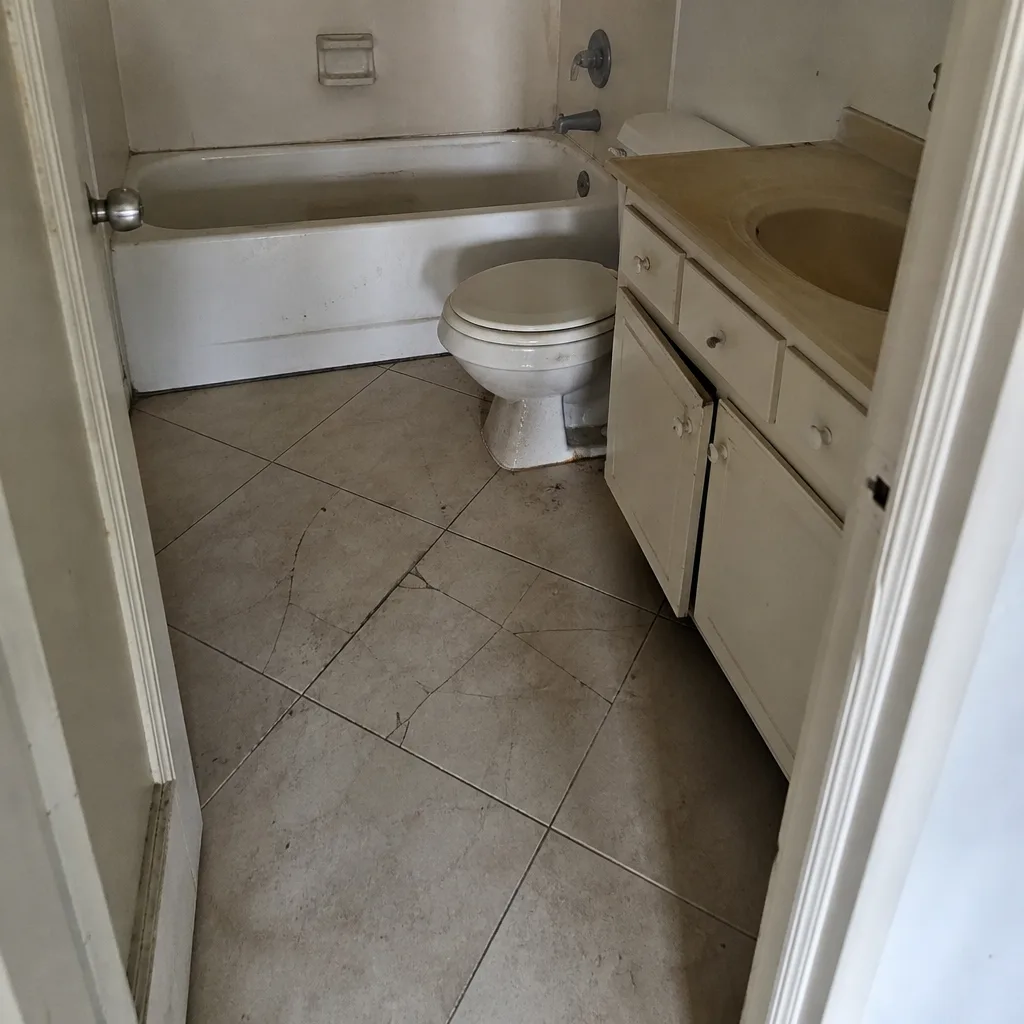 Before
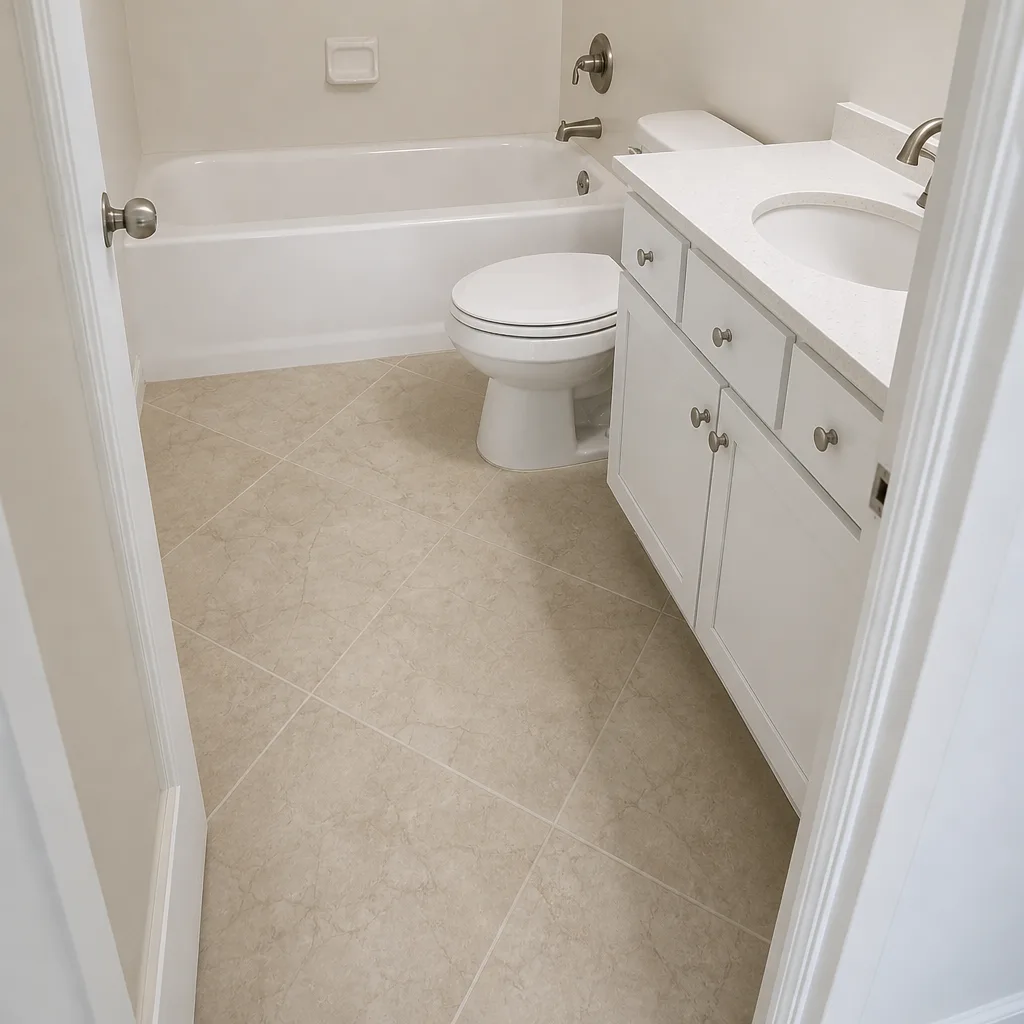 After
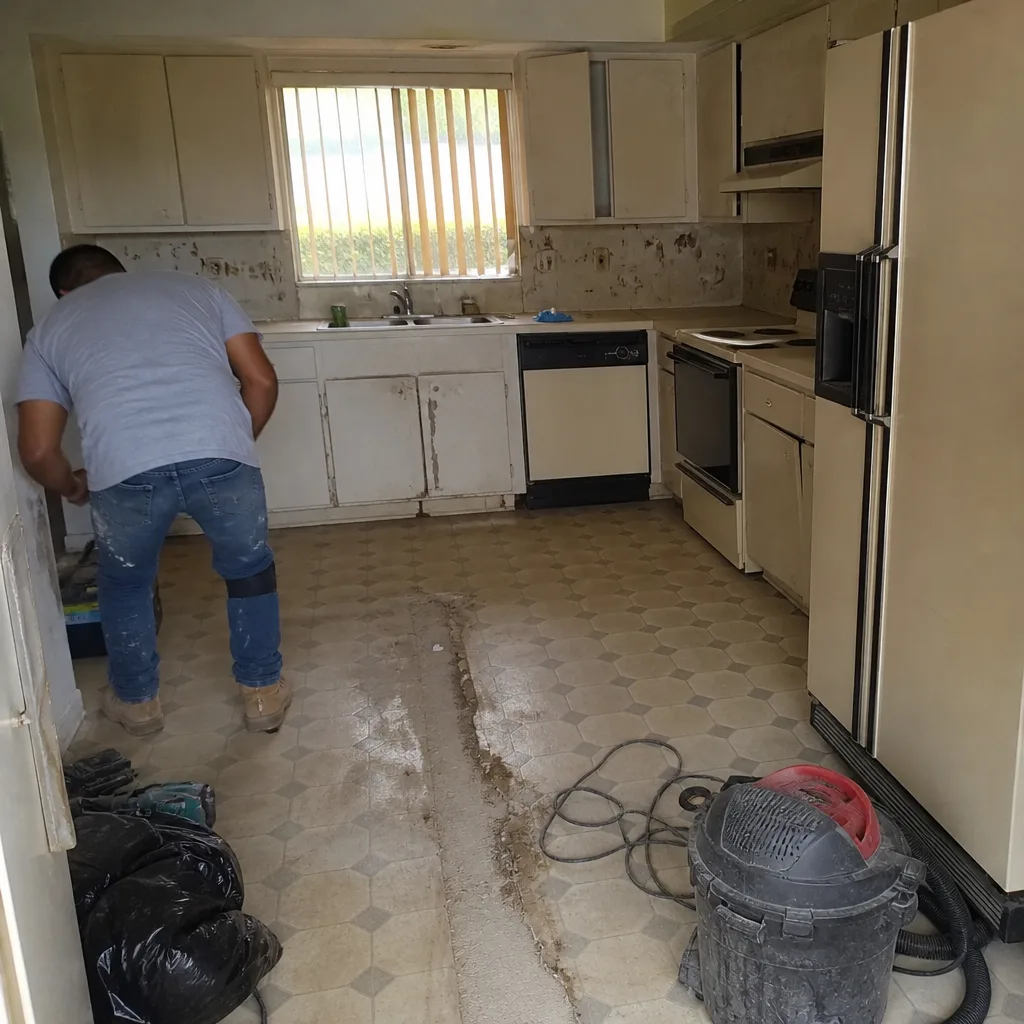 Before
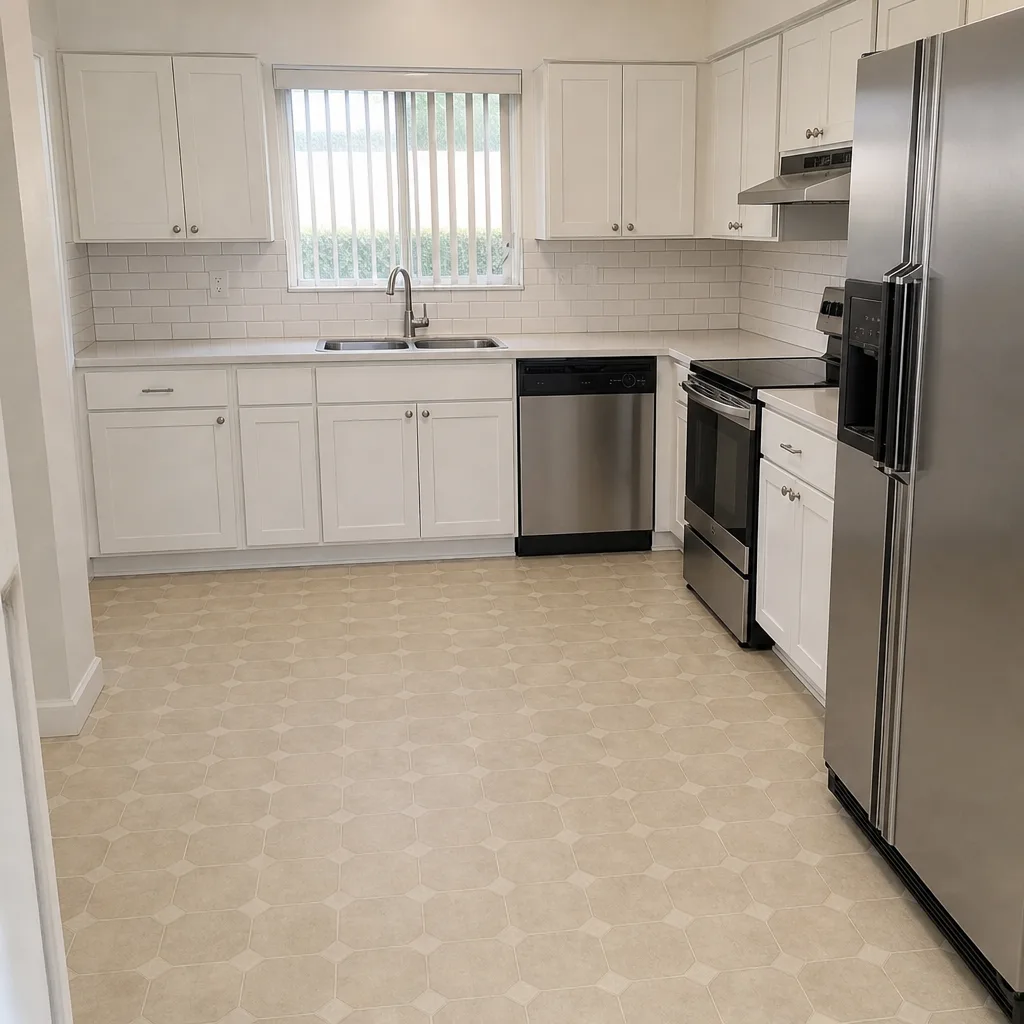 After
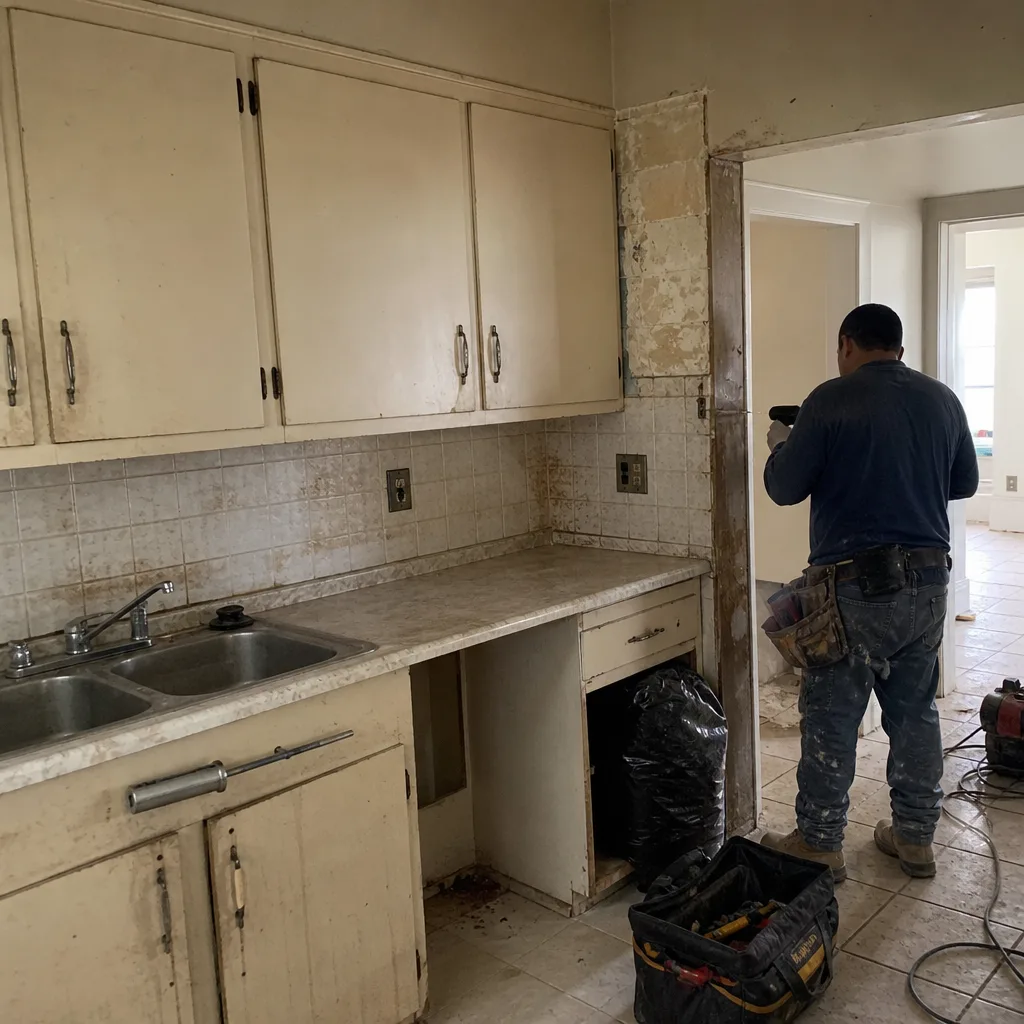 Before
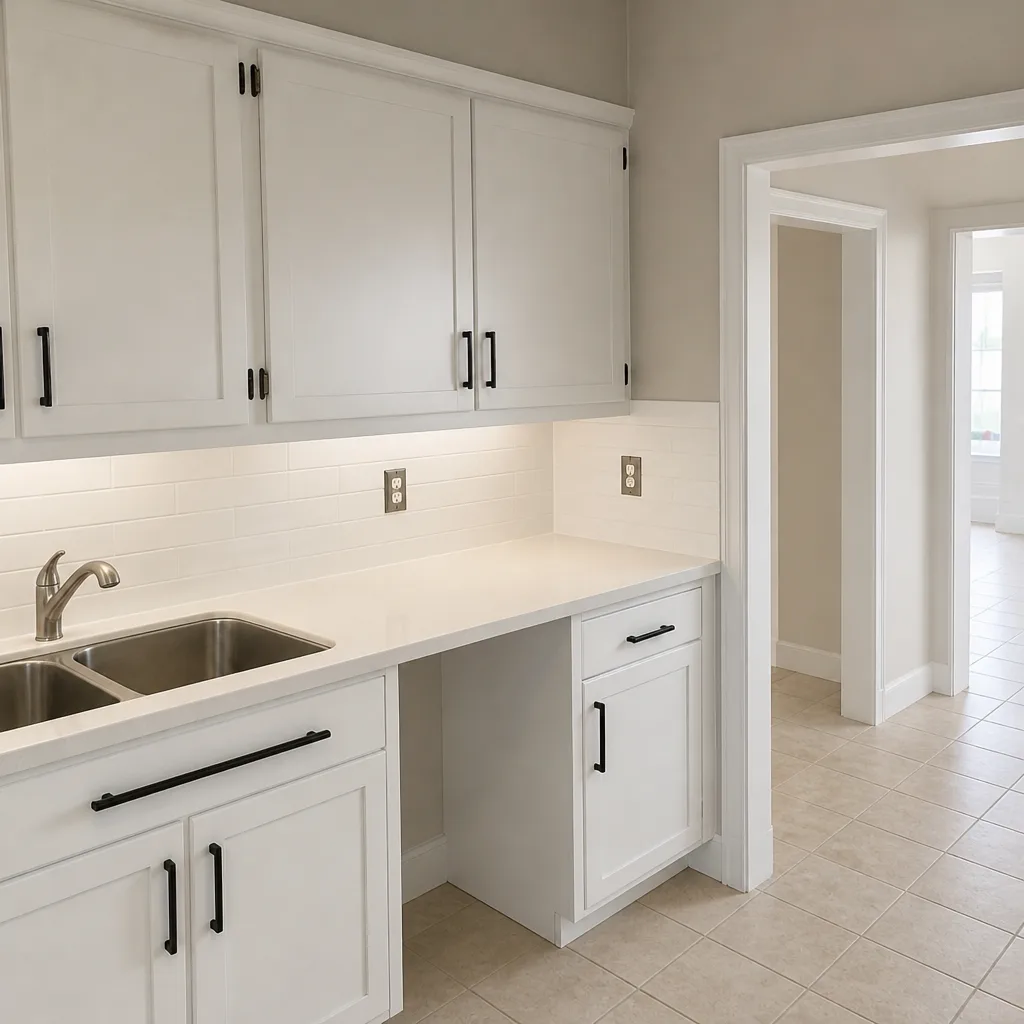 After
When to Call a Professional
Some work in Aventura is genuinely homeowner-legal to do yourself – interior painting, minor landscaping, replacing a light fixture. Much of it is not. Call a professional when:
- Anything touches the building envelope: roofing, windows, exterior doors, structural changes, additions.
- Any project requires a permit, which in Aventura means most exterior and structural work.
- Your planned work affects HOA architectural standards or touches common areas.
- The project involves HVHZ-rated materials and you need them spec’d and installed correctly to pass inspection.
- Any plumbing, electrical, or gas work – the code, the insurance, and the risk profile all say the same thing.
- You’ve been quoted a number that seems lower than the market and you want a second written estimate before signing.
Groundwork Construction Co. of Aventura offers free estimates in Aventura – call (833) 716-6251 to schedule yours, with written line-item pricing and no change orders hidden in the paperwork.
Frequently Asked Questions
Yes, in most Aventura communities you need both – and often the HOA architectural review first, because the HOA governs exterior appearance, materials, and fencing standards alongside city zoning. File them in parallel where the timing allows, but expect the HOA process to run 4 to 8 weeks and plan for it before signing contractor agreements. Call (833) 716-6251 if you need help sequencing the two.
HVHZ stands for High-Velocity Hurricane Zone, a Miami-Dade County designation that requires specific approved products and installation methods for anything on the building envelope. In Aventura, every roof, window, door, and structural connection must carry a Miami-Dade Notice of Acceptance or equivalent product approval – non-approved materials fail inspection. A free estimate from us includes the NOA numbers on every product we quote.
A typical Aventura addition or ADU takes 30 to 45 weeks from first estimate to certificate of occupancy, with approval timelines accounting for roughly half of that. Construction itself is a smaller portion than most homeowners expect. For a project-specific timeline, call (833) 716-6251 to schedule a free design consultation.
It shouldn’t. A proper Aventura estimate is written line-item with fixed pricing and no change orders built into the process – the number you see is the number you pay. If a scope change is genuinely required (uncovered structural issue, unexpected supply substitution), it gets discussed in writing before work continues. Call (833) 716-6251 for a pricing walkthrough on your project.
The best system is a code-approved HVHZ assembly from a manufacturer like GAF or CertainTeed, installed with the specified underlayment, fastener schedule, and edge metal – the whole package, not the shingle name alone. Salt air corrodes standard fasteners within a few seasons, so galvanized or stainless components matter as much as the roofing material. Free estimates include the full assembly spec.
Yes for most fence installations (height, material, and setback are reviewed) and for driveway or paver work that affects impervious surface coverage. Both also commonly require HOA approval before the city will review them. Skip either step and the project can be stopped mid-install. Call (833) 716-6251 to confirm what your specific Aventura project requires.
The Bottom Line
Construction in Aventura isn’t a Florida generic. HVHZ code decides your materials, two separate approval tracks decide your timeline, HOA review adds 4 to 8 weeks, the Intracoastal drives drainage and corrosion specs, and full-scope partnership – one accountable company from design through warranty – is the difference between a project that finishes and one that limps. Do the material and permit homework before you sign anything. Get written line-item pricing, verify NOA approvals, know your HOA rules, and choose a partner whose workmanship warranty covers the whole project in writing. That’s a real construction plan in Aventura.
Get Your Free Aventura Estimate
The best way to know what your project will cost in this market is a written, line-item estimate from someone who builds here. Groundwork Construction Co. of Aventura backs every project with the 730-Day Done Right Promise, offers 0% financing for 18 months, $1,000 off projects over $10,000, and a free estimate and design consult. Call (833) 716-6251 to get started – live person, anytime.
Written by the team at Groundwork Construction Co. of Aventura.