Last updated November 18, 2026
Free written scope consultation - allowances, timeline, and change-order rules on paper before a single trade is scheduled
The Complete Home Additions & ADU Guide for Aventura Homeowners
Aventura sits inside one of the most regulated residential construction environments in Florida, and homeowners who don’t know that before they break ground end up funding two rounds of permits instead of one. The city’s flood zone designations, its position within Miami-Dade’s impact fee schedule, and its own zoning code create a local playbook that generic ADU guides simply don’t address. This guide walks through what actually applies in Aventura: the setback and size rules, how the flood zone changes your foundation, how the three ADU types compare on permitting and ROI, how impact fees get calculated, and how to structure construction financing around rental income. Read it before you hire anyone.
Quick Answer
Building a home addition or ADU in Aventura typically runs $180,000-$420,000 total, takes 9-14 months from design through certificate of occupancy, and requires both city of Aventura and Miami-Dade County approvals layered with flood zone compliance. The single biggest budget surprise for first-time builders is the combination of impact fees and flood-resistant foundation requirements, which can add $25,000-$70,000 to a project that a generic online calculator would have priced far lower.
Styles & brands we work with
- Kitchen remodeling
- Bathroom remodeling
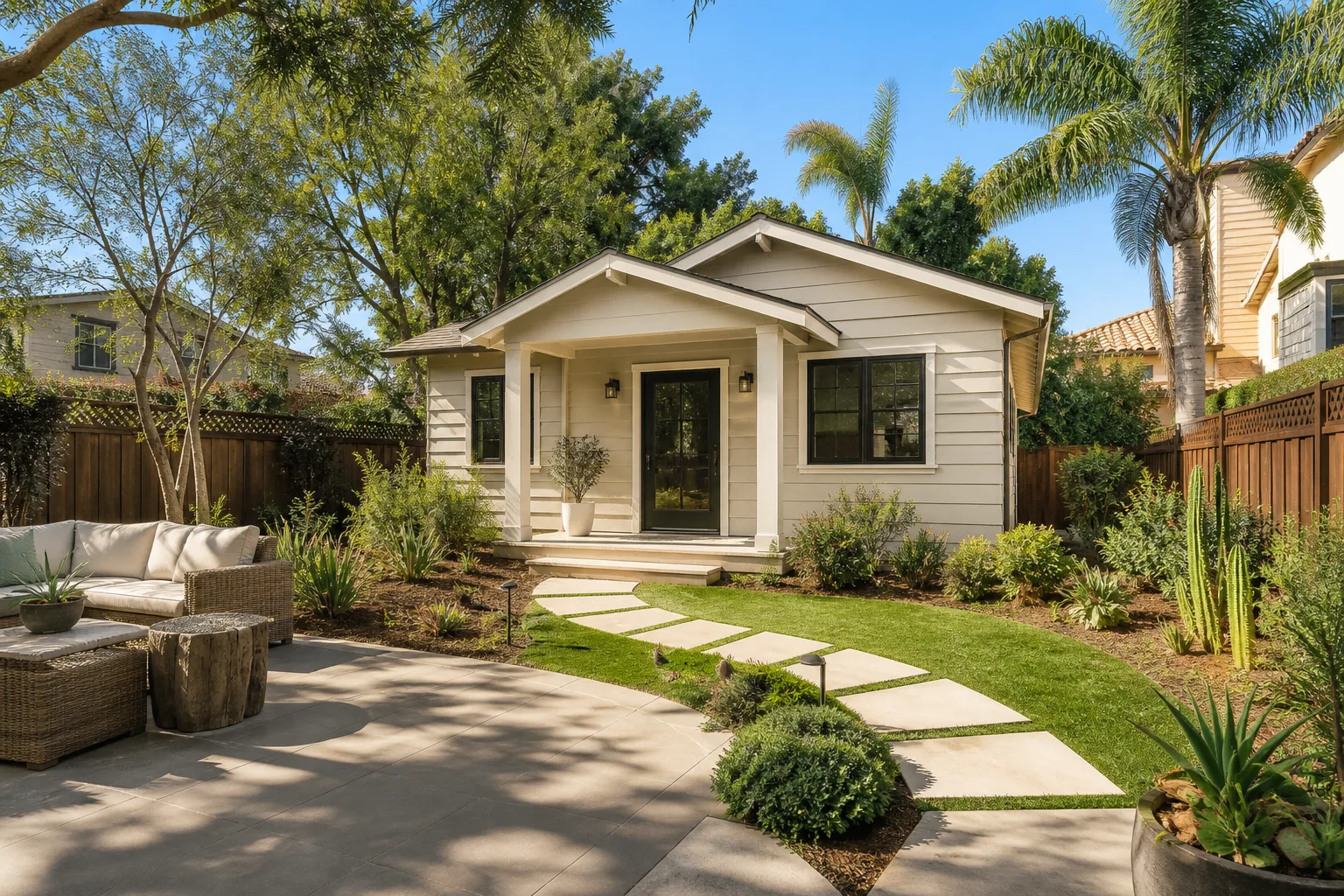
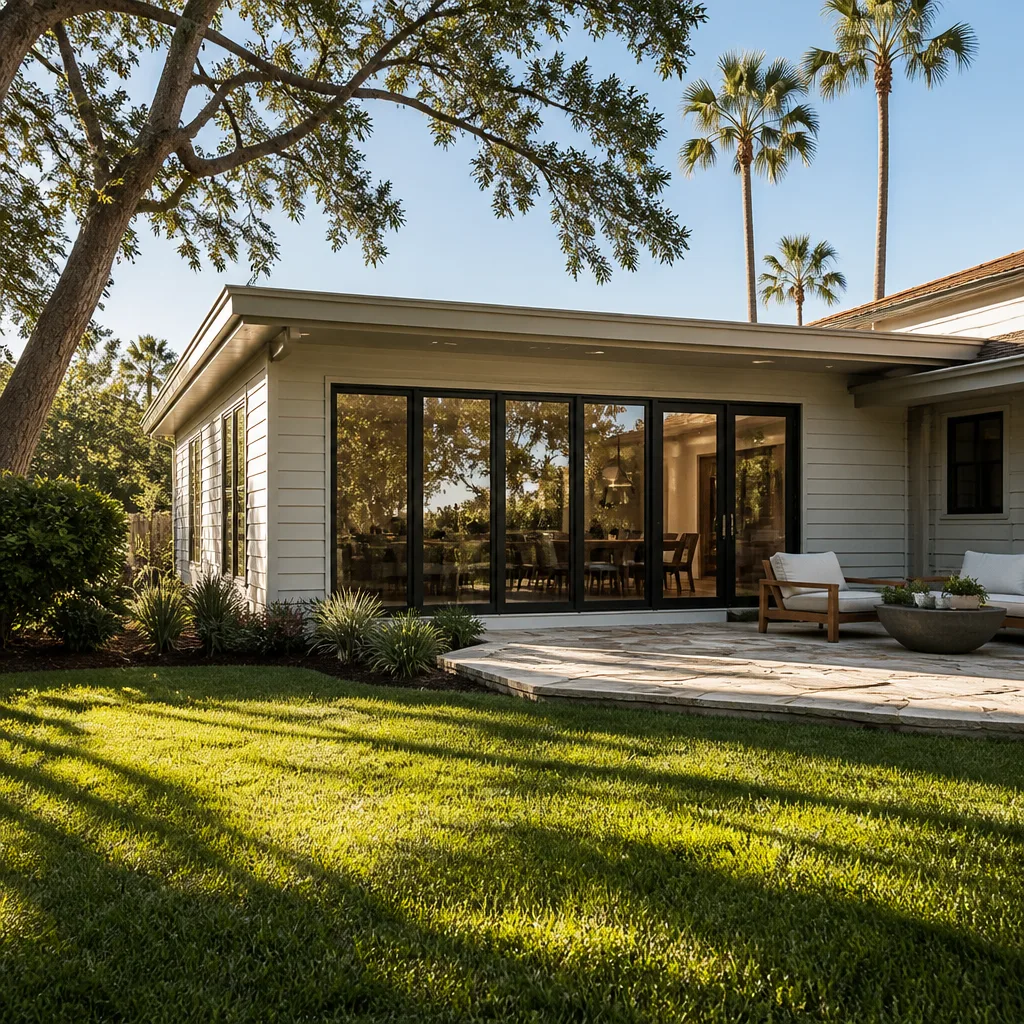
- Home additions & ADU
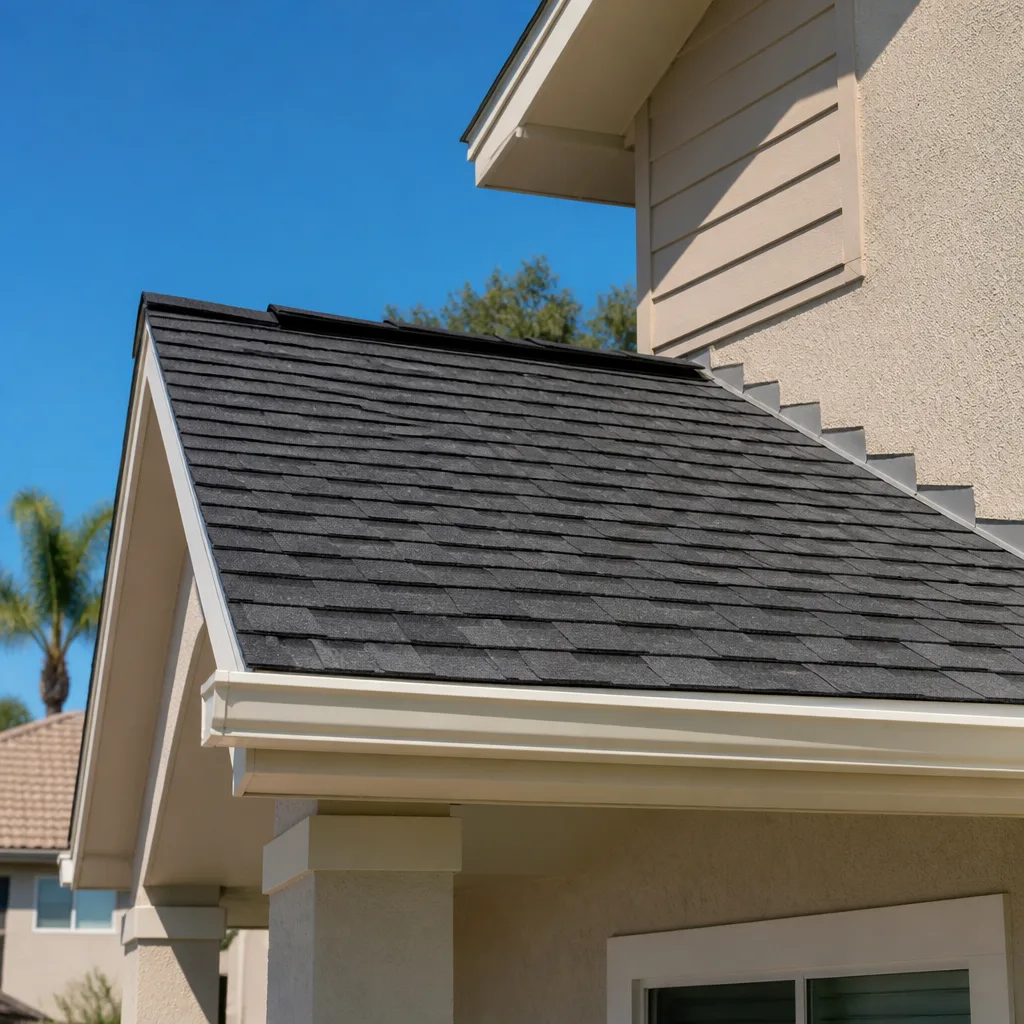
- Roofing
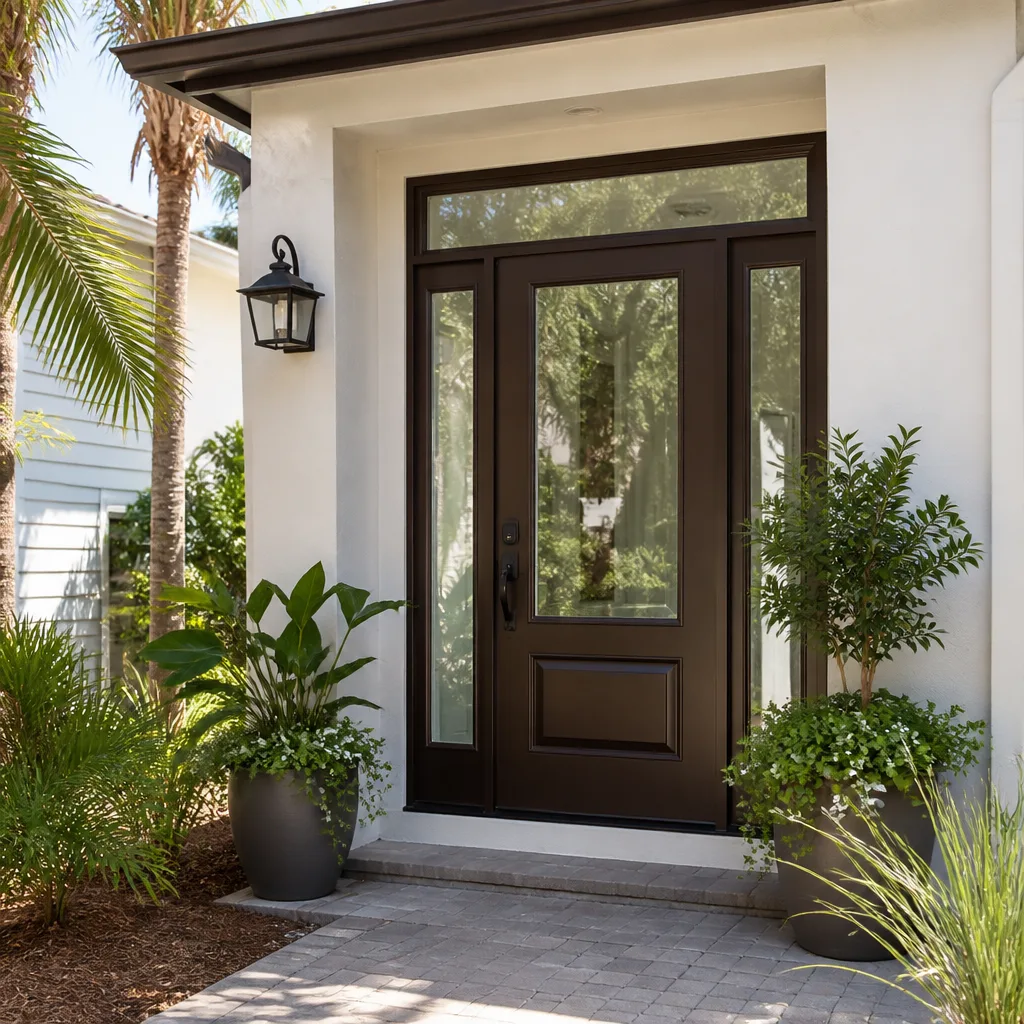
- Windows & doors
- Driveway & pavers
- Fence
Table of Contents
- Aventura’s Zoning Rules for ADUs: Setbacks, Size Limits, and Owner-Occupancy
- How FEMA Flood Zones Change Your Foundation and Your Budget
- Detached ADU vs. Attached Addition vs. Garage Conversion
- Miami-Dade Impact Fees: The Cost Almost Nobody Budgets For
- Structuring the Project So Rental Income Offsets Construction Financing
- The Aventura Permitting Timeline, Step by Step
- Design and Material Choices That Hold Up in South Florida
- What an Aventura ADU Actually Returns
Aventura’s Zoning Rules for ADUs: Setbacks, Size Limits, and Owner-Occupancy
Aventura’s zoning code governs every ADU built inside city limits, and it does not mirror what you’ll find in Miami, North Miami Beach, or Hallandale Beach. The city sets its own rules on where an ADU can sit, how large it can be, and who can live in it. Getting these wrong is the most common reason a design gets rejected at the pre-application stage and sent back for a full redesign.
Here’s what Aventura homeowners need to confirm with the city’s planning department before any drawings are commissioned:
- Setbacks: ADUs are subject to rear and side yard setbacks that are measured separately from the primary structure’s setbacks. A detached unit has to clear both the property line and the principal residence by specific distances that vary by the underlying zoning district (single-family residential districts tend to be the strictest).
- Maximum square footage: The city caps ADU size as a percentage of the primary structure’s living area rather than a flat number in many districts. That means a 2,000-square-foot house and a 3,500-square-foot house will have different maximum ADU footprints even on similar lots.
- Owner-occupancy: Aventura generally requires the property owner to live in either the main house or the ADU. You cannot build an ADU and rent out both units as separate long-term investments. This rule shapes the entire financing strategy, so confirm it in writing before you commit.
- Lot coverage and impervious surface limits: Between the house, the ADU, the driveway, and any pool deck, Aventura properties routinely bump against impervious surface caps. A paver driveway added after the ADU is built can push a lot over the limit retroactively.
Because the rules connect to each other, we tell Aventura homeowners to pull a zoning verification letter early. It costs a small fee and saves months of guesswork. For a broader look at how additions fit into the rest of a home’s construction plan, see our Home Additions & ADU in Aventura service page and our Groundwork Construction Co. of Aventura home overview.
How FEMA Flood Zones Change Your Foundation and Your Budget
Aventura has significant portions of its residential land inside FEMA-designated flood zones, particularly the low-lying parcels east of Biscayne Boulevard and pockets near the Intracoastal. If your lot sits in an AE or VE zone, the base flood elevation determines how high your lowest floor has to be built, and that single number reshapes the foundation, the drainage plan, and the framing details.
What changes on a flood zone lot, and what it adds to the budget:
- Elevated slab or pier foundation: An AE-zone ADU often needs the finished floor at or above base flood elevation, which can mean an elevated slab, stem wall, or in some cases a pier-and-beam approach. This typically adds $18,000-$45,000 compared with an at-grade slab on the same footprint.
- Flood vents and breakaway walls: Enclosed areas below base flood elevation have to be designed to flood without structural damage. That means engineered flood openings, breakaway wall panels, and a compliance certificate from an engineer or surveyor.
- Elevation certificate: A licensed surveyor has to produce an elevation certificate documenting the as-built lowest floor height. Budget $600-$1,200 for the survey, and plan for it before you close out the permit.
- Utilities raised or protected: Electrical panels, HVAC equipment, and water heaters have to be positioned above the flood elevation or protected by a sealed enclosure. This isn’t optional and inspectors check it.
Because floodplain construction rules interact with Miami-Dade’s own requirements, the design almost always needs a civil engineer’s drainage review in addition to the architectural drawings. We’ve seen Aventura projects where the flood zone requirement alone added six weeks to the permitting timeline because the elevation certificate and drainage plan had to be sequenced before the building permit could be issued. Factor that into your schedule, not just your checkbook.
Detached ADU vs. Attached Addition vs. Garage Conversion
Not every ADU is the same project. The three main approaches differ substantially in permitting complexity, timeline, and return, and Aventura’s zoning rules apply differently to each.
Detached ADU (a standalone structure)
Highest complexity, longest timeline, best rental privacy. Detached units require their own foundation, roof, utility connections, and typically a separate address with the city. Permitting runs through both the city of Aventura and Miami-Dade, and if the unit is being rented, the county’s certificate of use process comes in too. Timeline: 11-14 months. Best fit for lots with real yard depth and enough impervious surface headroom to absorb a new structure.
Attached addition (new square footage tied to the main house)
Moderate complexity, fastest straightforward timeline, no separate address. An attached addition shares the existing foundation and roof structure where engineering allows, which cuts cost per square foot by roughly 15-25% versus detached. The permitting path is a single building permit plus architectural and structural reviews. Timeline: 7-10 months for an addition of 500-800 square feet. This is often the right call in Aventura when the lot is tight or when the homeowner wants extended family space rather than a rentable unit.
Garage conversion
Lowest complexity, fastest timeline, but with hard limits. Converting an existing garage keeps the footprint and foundation, sidesteps new impervious surface calculations, and moves through permitting in roughly 4-6 months. The catch is that you lose covered parking, and Aventura’s code frequently requires replacement parking on site, which may not be possible on a small lot. Garage conversions also usually don’t generate as much rental income as a detached ADU because they’re physically bound to the main house, but they cost far less to build (typically 40-50% of a detached unit’s cost per square foot).
If you’re weighing how the addition ties into the rest of the property, our team covers Driveway & Pavers in Aventura and Fence Installation in Aventura as part of a full-scope plan, because parking, grading, and privacy fencing are all part of what makes an ADU usable.
Miami-Dade Impact Fees: The Cost Almost Nobody Budgets For
Miami-Dade County assesses impact fees on new residential square footage, and Aventura homeowners get hit with them on ADUs and additions alike. These aren’t small. And unlike construction costs, they aren’t negotiable, and they don’t show up in most online ADU budget calculators.
Impact fees are calculated by category. For an ADU, the county typically assesses charges tied to:
- Fire/rescue impact based on the new dwelling unit count
- Parks and recreation based on the new unit
- Public schools if the unit has more than a certain bedroom count, per the county’s current impact fee schedule
- Road/transportation impact based on trip generation from the new dwelling unit
For an 800-square-foot detached ADU in Aventura, total impact fees commonly land in the $8,000-$18,000 range depending on the bedroom count and the county’s current rate schedule. An attached addition that doesn’t add a new dwelling unit or a separate kitchen typically avoids the full dwelling-unit fees, which is one reason attached additions are often cheaper overall despite similar construction cost per square foot.
The critical point: impact fees are assessed at permitting, not at occupancy, and payment often becomes a condition of permit issuance. If you haven’t baked them into the construction loan, they become a cash call in the middle of your project. We build impact fee estimates into every Aventura addition budget we draft so there are no surprises at the permit counter.
Structuring the Project So Rental Income Offsets Construction Financing
The Aventura ADU math works best when construction financing and eventual rental income are planned together, not treated as two separate decisions. Here’s the structure that makes sense for most Aventura homeowners we work with.
A detached ADU in Aventura in the 700-900 square foot range typically rents for $2,400-$3,400 per month depending on layout, finishes, and parking. An attached addition set up as an in-law suite or private rental typically rents for $1,800-$2,600 per month. Garage conversions, because they lack privacy from the main house, usually rent in the $1,500-$2,200 range if they’re rented at all.
The financing structure that works:
- Secure a construction loan covering design, permits, impact fees, and construction. Many lenders will roll impact fees into the loan if you present them as part of the project cost, which they are.
- Schedule a short interest-only period during construction. Most Aventura additions take 9-14 months, so ask for a construction term that matches your actual build window, not a generic 12-month window.
- Refinance into a permanent mortgage after certificate of occupancy. A finished, legally permitted ADU adds appraised value to the property, which lets the permanent loan absorb construction debt at a lower rate.
- Rent the ADU to offset the permanent loan payment. At $2,400-$3,400 a month in Aventura, the ADU rent covers a meaningful portion of the new mortgage payment on the added value, which is where the “it pays for itself” math actually comes from.
- Keep reserves equal to 6 months of loan payments. Aventura permitting timelines can slip for reasons outside your control – environmental review, utility coordination, flood elevation holds. Reserves prevent a delayed framer from turning into a financial emergency.
We routinely walk Aventura clients through this structure with their lender before drawings begin, because the loan structure drives design decisions. A detached ADU might not be worth the extra $80,000 over an attached addition if the rental income difference doesn’t clear the added construction debt within a reasonable window.
The Aventura Permitting Timeline, Step by Step
Aventura projects pass through more approval layers than most Florida cities, and understanding the sequence is how you avoid the double-permit trap. Here’s the path most ADU and addition projects follow in the city.
- Pre-application meeting with city planning (2-4 weeks). Confirm zoning, setbacks, lot coverage, owner-occupancy requirements, and whether your lot triggers floodplain review.
- Zoning verification and flood zone research (2-3 weeks). Pull the zoning verification letter and the FEMA flood map for the parcel. If the lot is in a flood zone, schedule the elevation survey now, not later.
- Architectural and structural drawings (6-10 weeks). These need to reflect Aventura setback requirements and, if applicable, the base flood elevation. Drawings that ignore the flood zone get rejected and must be redone.
- Miami-Dade impact fee calculation and payment (2-3 weeks). The county issues its impact fee determination as part of the permit review. Payment is often a condition of issuance.
- Building permit review (8-14 weeks). Aventura building department reviews architectural, structural, electrical, mechanical, and plumbing. Floodplain projects also go through civil/drainage review. This is the longest and least predictable stage.
- Construction (4-8 months). Detached ADU tends toward the longer end; attached addition toward the shorter end.
- Inspections and certificate of occupancy (3-6 weeks). Final inspections, then the elevation certificate for flood zone lots, then the county certificate of use if you’ll be renting the unit.
Total realistic timeline for a detached ADU in Aventura: 11-14 months. Attached addition: 8-11 months. Garage conversion: 5-8 months. Any of these can stretch when floodplain review is involved. Plan for a 15% schedule cushion on the permitting stages alone.
Design and Material Choices That Hold Up in South Florida
South Florida sun, humidity, and salt air work on building materials in ways that generic ADU guides ignore. Materials that hold up in Phoenix or the Pacific Northwest fall apart in Aventura inside a decade. Here’s what actually lasts.
- Roofing: Impact-rated tile or standing-seam metal. GAF and CertainTeed both make impact-rated shingle lines that pass Aventura’s wind zone requirements. Cheap three-tab shingles are a false economy here.
- Windows and doors: Impact-rated glazing is not optional in Aventura – it’s required for new construction and additions. Andersen and Marvin both make impact-rated lines that pass Miami-Dade’s product approval process.
- Concrete: Bagged concrete under footings and slabs should meet the design mix. Quikrete and Sakrete both make mixes that meet common residential specs, but the mix design on the drawings governs – don’t substitute.
- Exterior cladding: James Hardie fiber cement siding holds up well in Aventura’s humidity where certain wood products fail. Stucco over CMU is the local default for good reason – termites and moisture don’t get into it.
- Pavers and hardscape: Belgard pavers with proper base compaction survive Aventura’s wet season. Under-compacted base is the single biggest reason pavers fail here.
Pre-fab ADU options from suppliers like Abodu and Cover have become popular online, and they can work in the right context – but they still have to pass Aventura’s permitting, flood zone requirements, and Miami-Dade product approvals. The factory-built shell is often fine; the site work, foundation, and utility connections are where Aventura-specific requirements come in.
What an Aventura ADU Actually Returns
Aventura ADUs reliably rent for more than comparable units in surrounding cities because of the location, school district, and proximity to the beaches and Aventura Mall. But the return calculation is not just rent minus construction cost. Here’s how it actually works.
- Rental income: $2,400-$3,400 per month for a well-finished detached ADU in Aventura, $1,800-$2,600 for an attached addition with a private entrance.
- Property value lift: A permitted ADU typically increases resale value by 20-35% of the property’s pre-ADU value in Aventura’s market, depending on the unit’s quality and how well it integrates with the main house.
- Operating costs: Landlords in Aventura should budget 5-8% of gross rent annually for maintenance, plus property tax on the added value.
- Payback window: On a $250,000 detached ADU at $2,800 per month rent, gross payback runs about 7-8 years before considering value appreciation. Adding the property value lift shortens that significantly.
What we tell Aventura clients considering an ADU: the project only pencils if the rental income is real (confirmed by market comparables in your neighborhood, not national averages), the construction cost is fully loaded (permits, impact fees, flood zone work, utility connections, landscaping restoration), and the owner-occupancy requirement is workable for your situation. If any of those three doesn’t hold, an attached addition or a straightforward home addition usually makes more sense.
Common Mistakes to Avoid
- Buying drawings before confirming zoning. Aventura-specific setbacks and lot coverage caps can kill a design that looked fine on paper. Confirm the zoning envelope first, then commission the drawings.
- Ignoring the flood zone until the permit review. An AE-zone lot changes the foundation, the utility placement, and the elevation certificate requirement. Discovering this after drawings are done means redesign plus new engineering fees.
- Leaving impact fees out of the construction loan. Miami-Dade assesses them at permitting, and they’re not small. Roll them into the loan upfront so you’re not writing a $12,000 check mid-construction.
- Assuming a garage conversion is cheap. Aventura parking requirements often force replacement covered parking, which on a small lot can wipe out the cost savings. Check the parking rule before you budget.
- Skipping the owner-occupancy review. Aventura requires the owner to live in one of the two units. If your plan was to rent both, the plan doesn’t work in this city.
- Hiring a contractor without verifying the ADU-specific permitting experience. Aventura plus Miami-Dade plus floodplain review is a layered process. A residential contractor who mostly does interior remodels will misread the sequencing and cost you months.
- Underestimating utility upgrade costs. Adding a dwelling unit often triggers an electrical service upgrade, a new water meter, or a sewer lateral assessment. Budget $8,000-$20,000 for utilities on a detached ADU.
See the difference
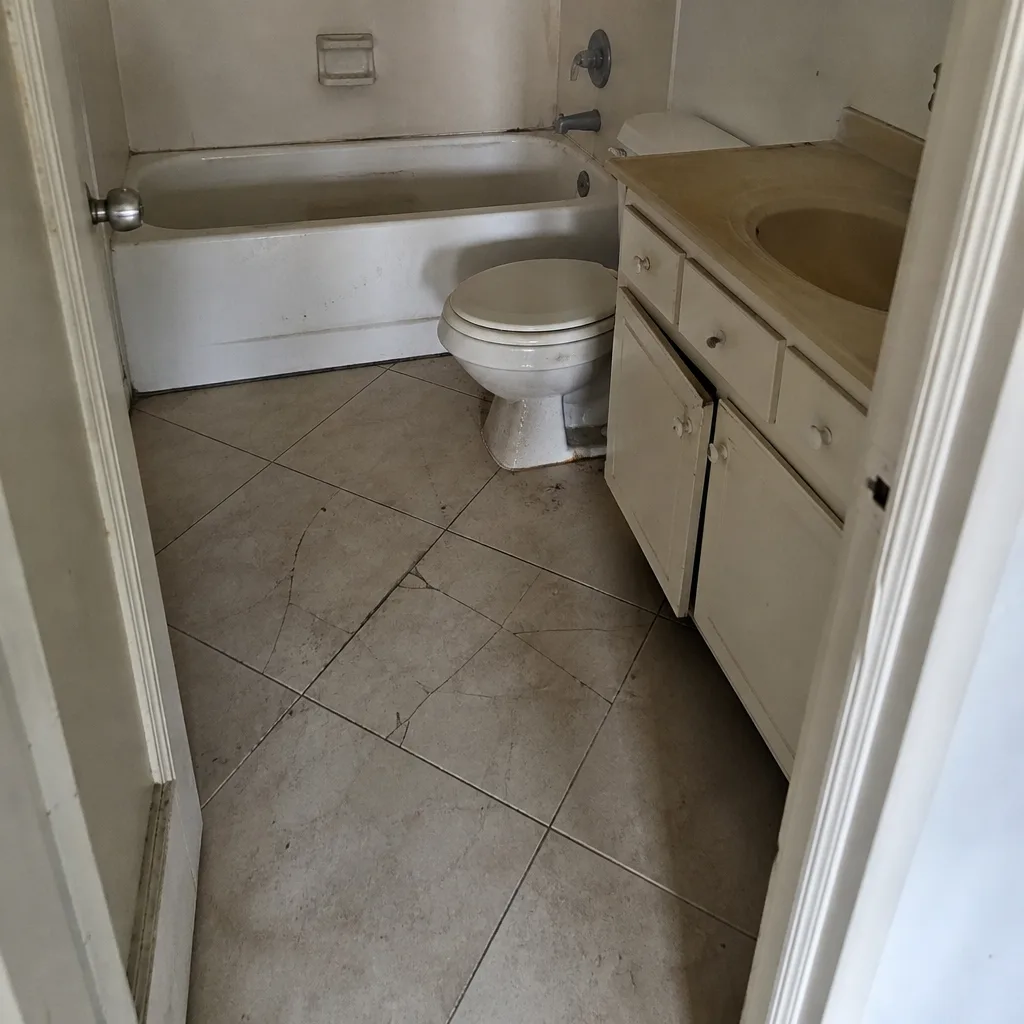 Before
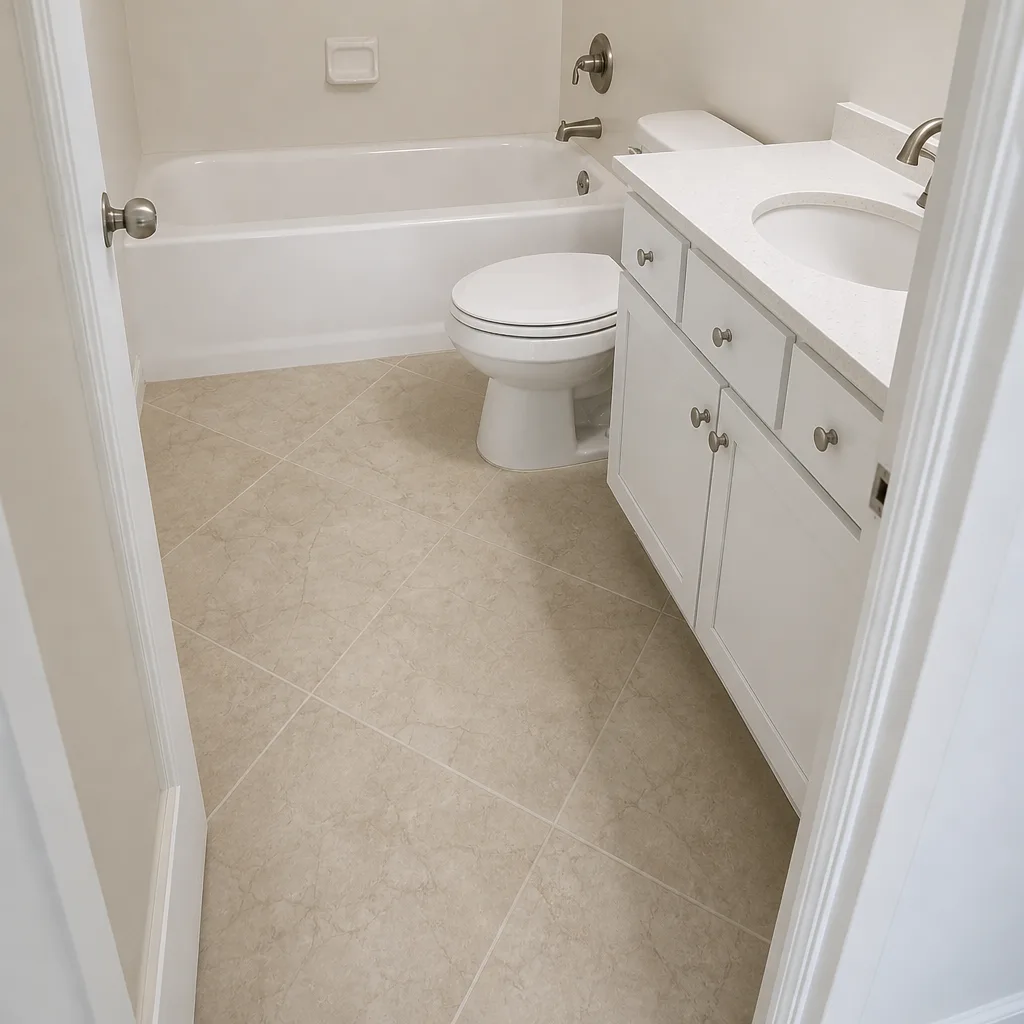 After
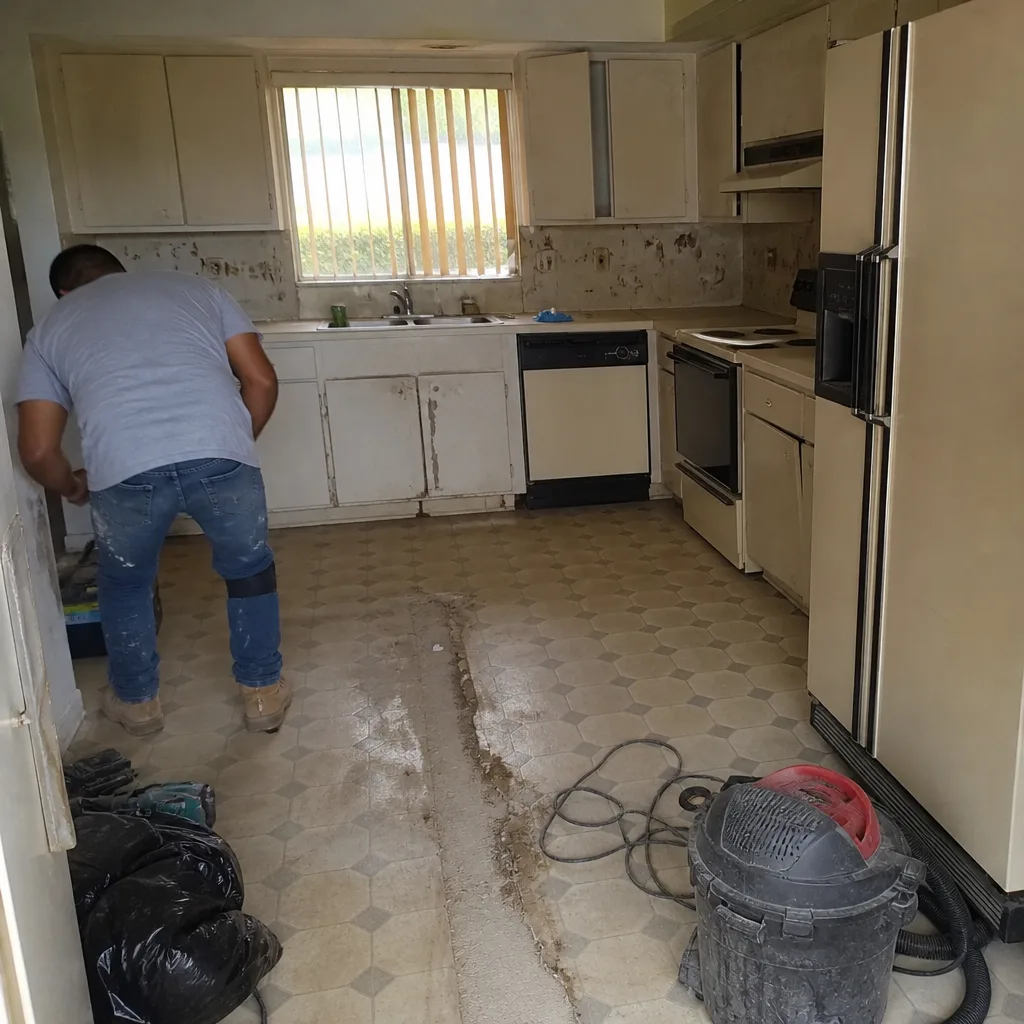 Before
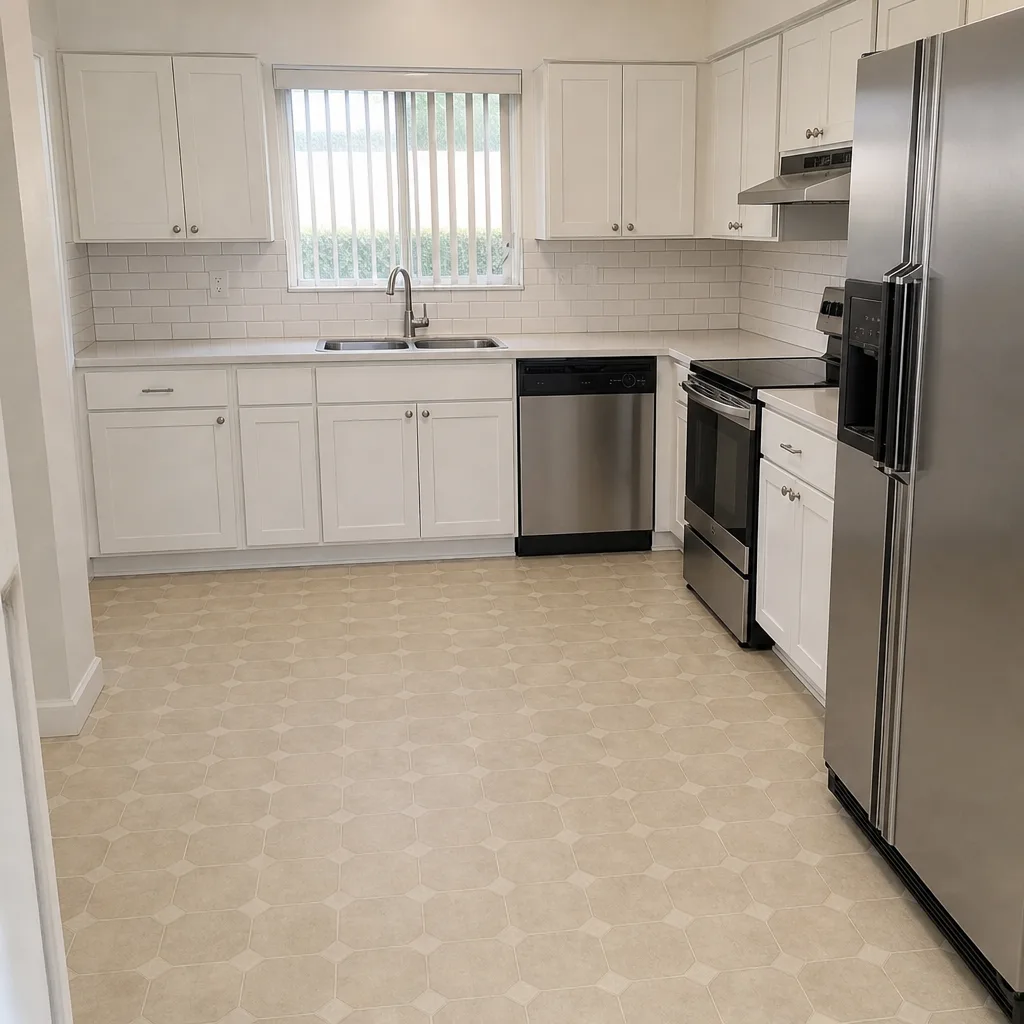 After
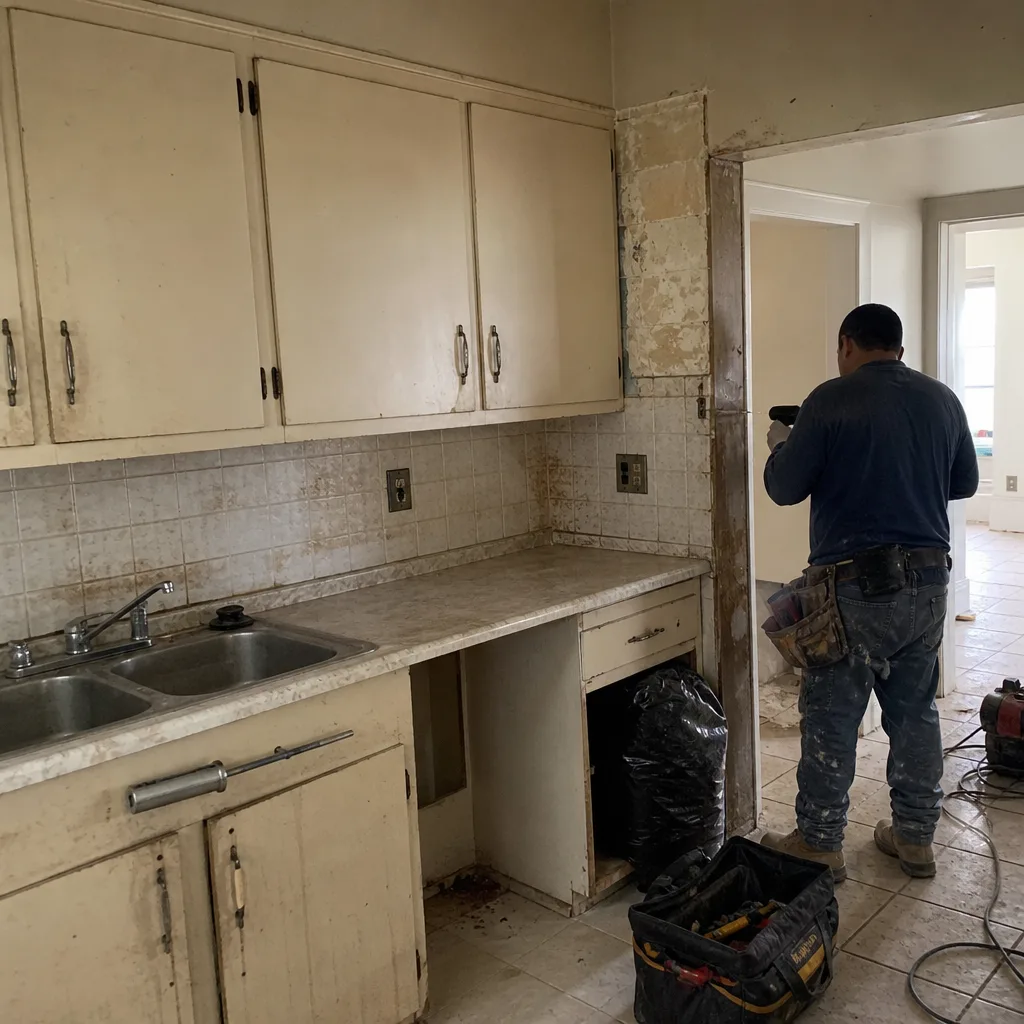 Before
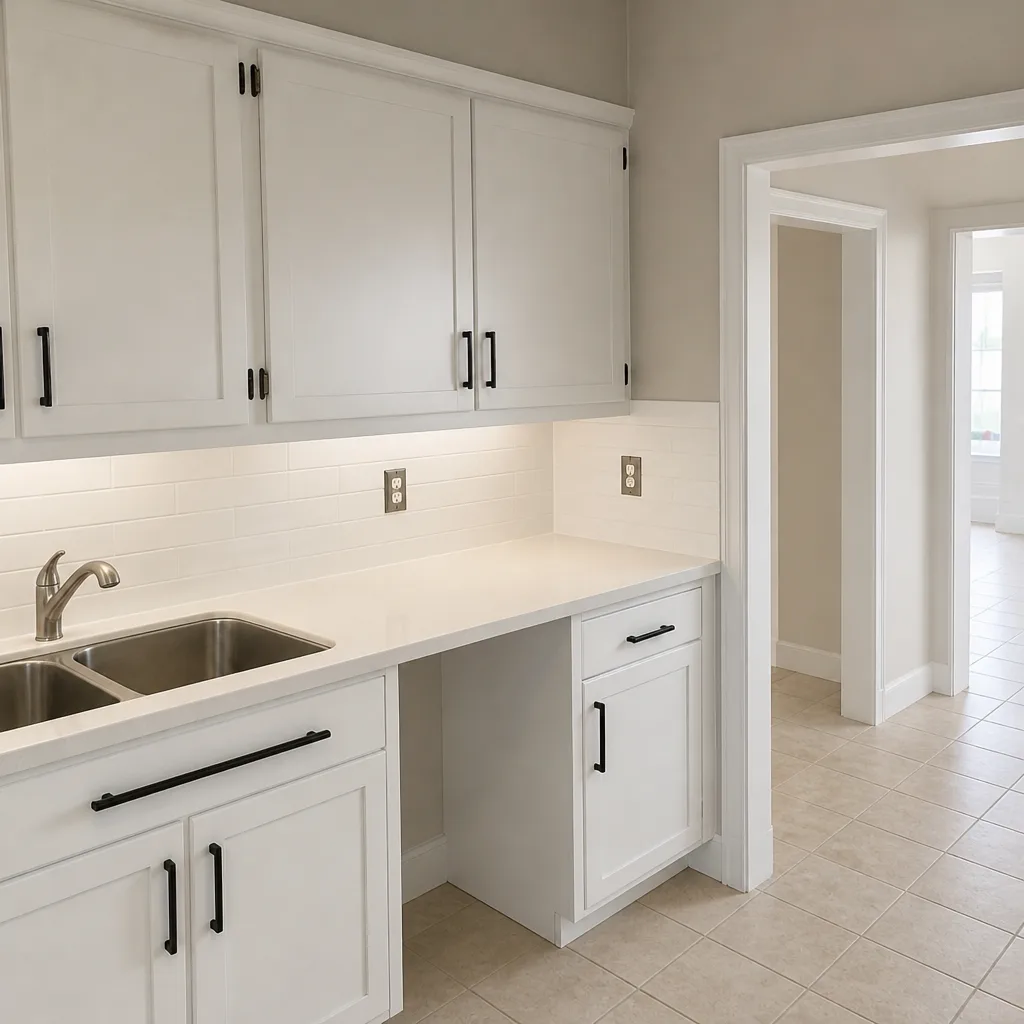 After
When to Call a Professional
An Aventura ADU touches zoning, floodplain engineering, county impact fees, and structural design all at once. Any single one of those is reason to bring in a licensed team. The scenarios we see most: a lot inside a FEMA flood zone where foundation engineering affects the entire design; a garage conversion where the parking requirement creates an unexpected conflict; a construction loan structure that requires coordinating with a lender and a design team in parallel; a lot that bumps against impervious surface caps when the driveway and ADU are totaled; or a homeowner who’s already had a permit rejected and needs the design rebuilt against Aventura’s actual code. Groundwork Construction Co. of Aventura offers free estimates in Aventura – call (833) 716-6251. Our technicians have up to 12 years of experience, every project is covered by our 730-Day Done Right Promise, and calls are answered by a live person 24/7.
Frequently Asked Questions
A detached ADU in Aventura typically costs $280,000-$420,000 fully loaded, which includes design, permits, Miami-Dade impact fees, flood zone foundation requirements where applicable, construction, and utility connections. An attached addition runs $150,000-$300,000 depending on square footage and finish level. A garage conversion runs $90,000-$160,000 if replacement parking isn’t required. Call (833) 716-6251 for an exact quote on your specific lot – estimates are free.
Yes. Aventura requires a building permit for every ADU, attached addition, and garage conversion, and the permit process includes zoning review, building department review, and – for flood zone lots – civil/drainage review. Miami-Dade also assesses impact fees and issues a certificate of use if the unit will be rented. There is no legal path to building an ADU in Aventura without permits, and unpermitted work creates real problems at resale and with insurance.
A detached ADU in Aventura typically takes 11-14 months from pre-application to certificate of occupancy. An attached addition runs 8-11 months and a garage conversion runs 5-8 months. Permitting alone accounts for 4-6 months on most Aventura projects, and floodplain review can add several weeks. Build the timeline into your financing plan rather than assuming a shorter window.
Yes, with a condition. Aventura’s owner-occupancy rule requires the property owner to live in either the main house or the ADU – you can rent the other unit, but you cannot rent both as separate long-term investments. Confirm this in writing with the city before you design, because it fundamentally shapes whether an ADU makes financial sense for your situation.
Impact fees for a typical 800-square-foot detached ADU in Aventura commonly land in the $8,000-$18,000 range, depending on bedroom count and the county’s current rate schedule. Attached additions that don’t add a separate dwelling unit typically avoid the full dwelling-unit fees. These are assessed at permitting, not at occupancy, so they need to be in the loan from day one.
With a written line-item bid and a fixed-price contract, the price does not change for the scope described – the number you see is the number you pay. Changes only come from owner-directed scope changes, which are priced and approved in writing before work proceeds. Unknown conditions found during construction (unexpected soil conditions, hidden utility conflicts) are documented and quoted separately, never absorbed silently into change orders. Call (833) 716-6251 and we’ll walk you through how our pricing structure works on your specific project.
The Bottom Line
Building an ADU or addition in Aventura comes down to knowing the local rules before you spend money on design. The zoning envelope, the flood zone foundation requirements, and Miami-Dade’s impact fee schedule are the three cost drivers that most guides miss, and they’re the three that will reshuffle your budget if you learn about them after the permit counter. Do the pre-application meeting first, confirm owner-occupancy, get the impact fee estimate in writing, and structure financing so the rental income pays down the added debt. Every project we take on in Aventura carries the 730-Day Done Right Promise, upfront pricing with no surprises, and a free design consult before anything is signed. Call (833) 716-6251 to schedule yours.
Written by the team at Groundwork Construction Co. of Aventura.