Free written scope consultation - allowances, timeline, and change-order rules on paper before a single trade is scheduled
ADU Site Prep & Utilities in Opa-locka, FL: What the Work Actually Involves
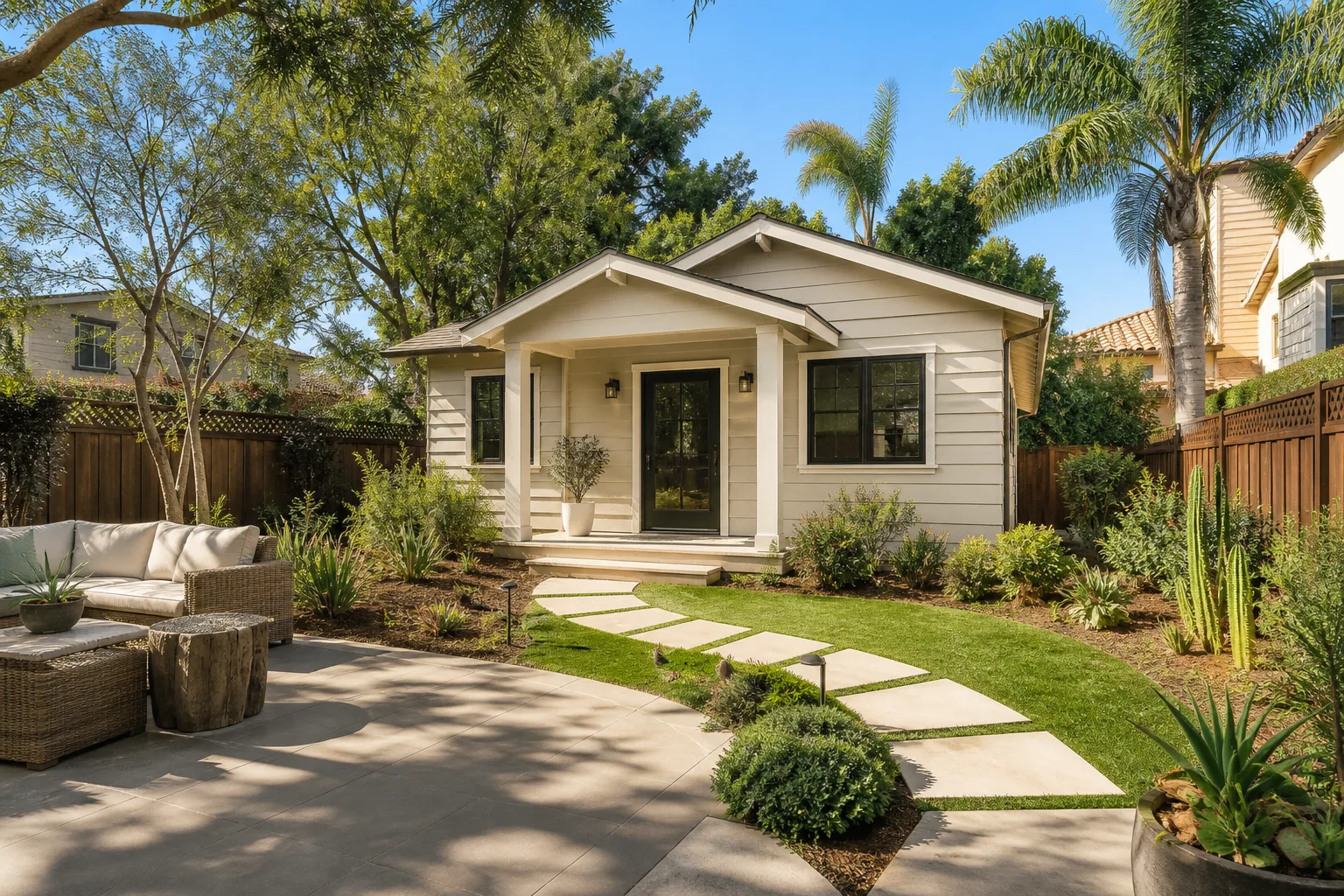
ADU site prep and utilities in Opa-locka means grading and compacting the build pad, running new water, sewer, and electrical service to the structure, and getting each of those inspected before the first block goes down. Plan on roughly 3 to 6 weeks for site work and utility rough-in on a typical detached unit, and budget $45,000 – $130,000 for the full ADU build once prep and utilities are folded in. Call (833) 716-6251 for a free on-site estimate and a written line-item scope.
The number above isn’t a teaser. It’s the band we see on detached ADU projects in the 33054 and 33055 ZIPs when the site is flat and the utility ties are straightforward. If the pad needs fill, the sewer needs a lift, or the lot sits low, the low end moves up. We’ll tell you which before you sign anything.
How we run site prep and utility rough-in, step by step
Every ADU site prep job follows the same spine, and knowing it is how you spot a bid that’s missing half the work. Here’s the real sequence we follow in Opa-locka.
Stage 1: Site survey, locates, and the pad plan (days 1 – 3)
We start by calling in the utility locates (811) and confirming setbacks against the survey. On a lot with an existing slab, shed, or old foundation, that first day is where we map what gets demoed and what gets reused. You decide the footprint placement and the door orientation here, because it drives everything downstream: where the sewer line exits, where the electrical panel mounts, and how the pad drains.
Stage 2: Demolition, clearing, and grading (days 3 – 7)
Clearing and grubbing comes next, then excavation to grade. In Opa-locka’s flat, low-lying lots, drainage is the deciding factor. We grade the pad to a positive slope away from the structure and tie the runoff into a swale or dry well rather than letting it sit against the new foundation. Saturated soil after a wet-season storm is the single most common reason a pad needs extra fill and compaction time.
Stage 3: Foundation and slab (days 7 – 14)
Forms go up, rebar is tied, and we pour a monolithic slab or a stem-wall foundation, depending on the unit’s design and how the existing house sits. The building inspector signs off on the foundation before framing starts. If your ADU is part of a full Home Additions & ADU in Opa-locka scope that also touches the main house, we sequence the foundation tie-ins together so you’re not paying for two mobilizations.
Stage 4: Utility rough-in (days 10 – 18, overlapping the slab cure)
This is the stage most homeowners underestimate. We trench for the water service, sewer lateral, and electrical conduit, then run them to the ADU’s tie-in point. If the main panel is full, you’ll need a subpanel or a service upgrade, and that’s a decision point with a real cost attached. Sewer is the wildcard: if the unit sits below the existing lateral’s invert, a lift station adds cost and a maintenance item you should know about. Plumbing and electrical rough-in both get inspected before we backfill.
Stage 5: Inspections, backfill, and handing off to framing (days 18 – 25)
Once the underground plumbing, electrical, and foundation inspections pass, we backfill, compact, and the site is ready for the vertical build. You’ll walk the finished pad and utility stub-outs with us before framing. That walkthrough is where you confirm meter locations, cleanout access, and the grading slope, so nothing surprises you at final inspection.
Styles & brands we work with
- Kitchen remodeling
- Bathroom remodeling
- Home additions & ADU
- Roofing
- Windows & doors
- Driveway & pavers
- Fence
The choices you’ll make, and what each one costs you later
Site prep and utilities aren’t a single product you pick off a shelf. They’re a handful of decisions that set how the ADU runs for the next thirty years. Here’s what actually gets chosen, and the honest trade-off on each.
- Slab-on-grade vs. stem-wall foundation. Slab costs less up front and suits the flat lots common in 33054. Stem-wall raises the floor above grade, which keeps a low lot out of standing water but adds cost and steps. On a lot that floods, stem-wall is worth it.
- Utility trench depth and conduit. Code depth for water and sewer lines plus schedule-40 conduit for electrical is the baseline. Cheaper flexible conduit saves a little now and gets crushed later. We spec rigid where it runs under a driveway.
- Sewer gravity vs. lift station. Gravity sewer is the goal and the budget pick. A grinder pump and lift station adds cost and an annual check you’ll own. Worth it only when the grade leaves no other option.
- Electrical service size. A 60-amp subpanel handles a studio; a two-bedroom unit with a mini-split and an electric range wants 100 amps or better. Money spent on service capacity up front beats a second visit down the road.
- Drainage and stormwater. A dry well, French drain, or graded swale. Skipping it is the classic mistake on Opa-locka’s flat ground, where heavy rain has nowhere to go.
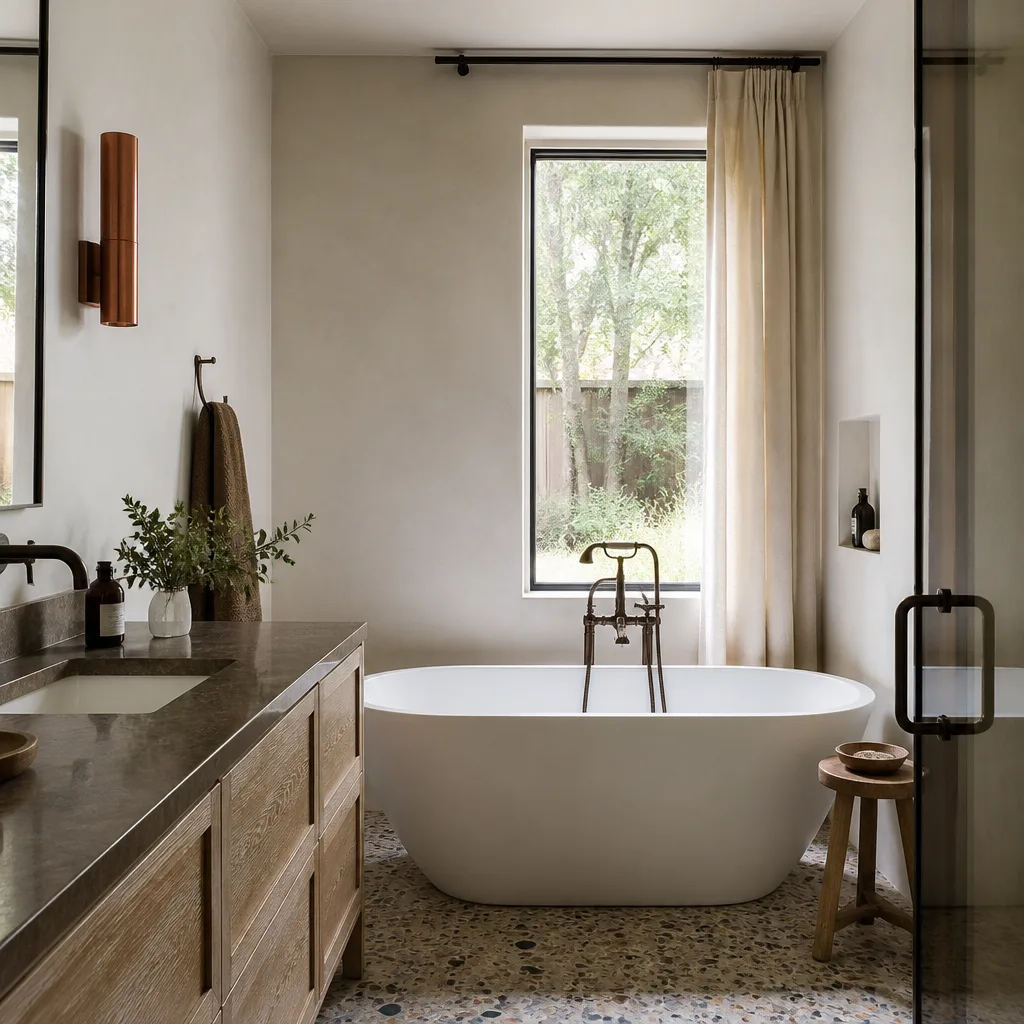
Finishes come later, but the kitchen and bath fixtures are chosen during this phase so the rough-in matches. If you’re already weighing a Kohler or Moen fixture package for the ADU’s bath, bring the spec sheet to the rough-in walkthrough. Getting the drain locations right the first time saves a rework.
What ADU Site Prep & Utilities costs in Opa-locka, FL
Full ADU site prep and utility rough-in in Opa-locka typically runs within the $45,000 – $130,000 band for the complete build, with the site-work and utility portion itself making up a meaningful slice of that depending on the variables below. A written, line-item estimate is the only way to know your number, because the range spans a simple flat lot and a difficult one.
Here’s what moves a project to the low versus high end:
- Site condition and fill. A flat, dry, cleared lot is the low end. A low lot needing fill, compaction, and drainage correction pushes toward the top.
- Distance from the main service. Long utility runs to a back-corner placement cost more in trenching, pipe, and wire than a unit tucked close to the existing service.
- Panel and sewer capacity. A service upgrade or a lift station is the biggest single swing on the number.
- Demolition. Removing an old shed, slab, or fence line adds a line item; a clean lot doesn’t.
- Permit and inspection scope. More review and inspection steps, including historic-preservation review where it applies, add time and cost.
A written estimate covers the survey and locates, grading, foundation, utility trenching and materials, inspections, and backfill. It typically excludes landscaping restoration, pool demolition, and any main-house work. Our Home Additions & ADU service team puts each of these on the page so nothing’s a surprise at the end.
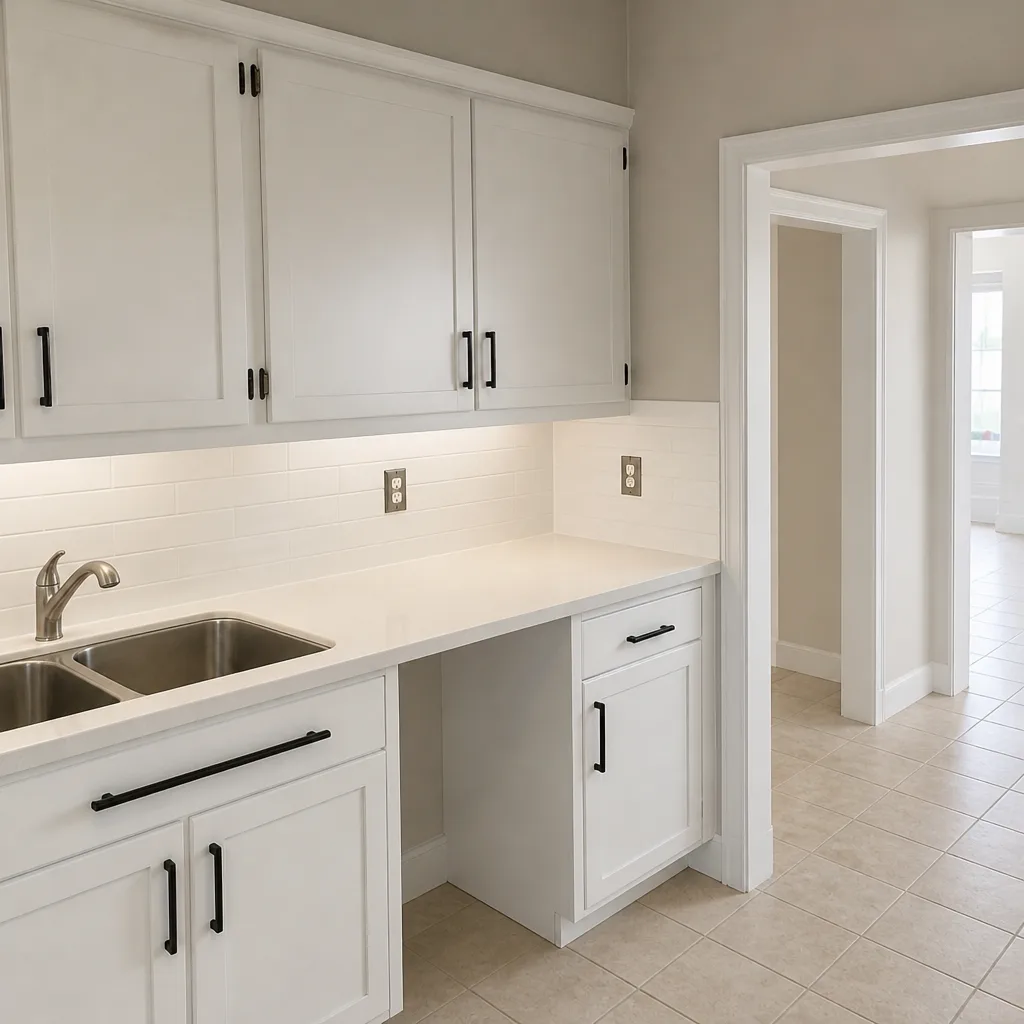
See the difference
 Before
 After
 Before
 After
 Before
 After
What Opa-locka homes specifically do to this job
Opa-locka isn’t like the surrounding towns when you’re prepping a build site. The city holds the largest concentration of Moorish Revival architecture in the Western Hemisphere, and that history reaches into how a project here gets reviewed. The core of the city is the 1926 Moorish Revival district, full of stucco-over-masonry buildings with barrel-tile roofs and whimsical domes, minarets, and arches, ringed by mid-century concrete-block homes in the 33054 and 33055 ZIPs. Any alteration to a Moorish Revival facade, even replacing a domed parapet or an arched window on the main house, can trigger a design review that references the original 1926 Bernhardt Muller plans. That layer of scrutiny doesn’t exist in neighboring Hialeah or Miami Gardens, and it’s why we build review timing into the schedule for ADU projects near the historic core.
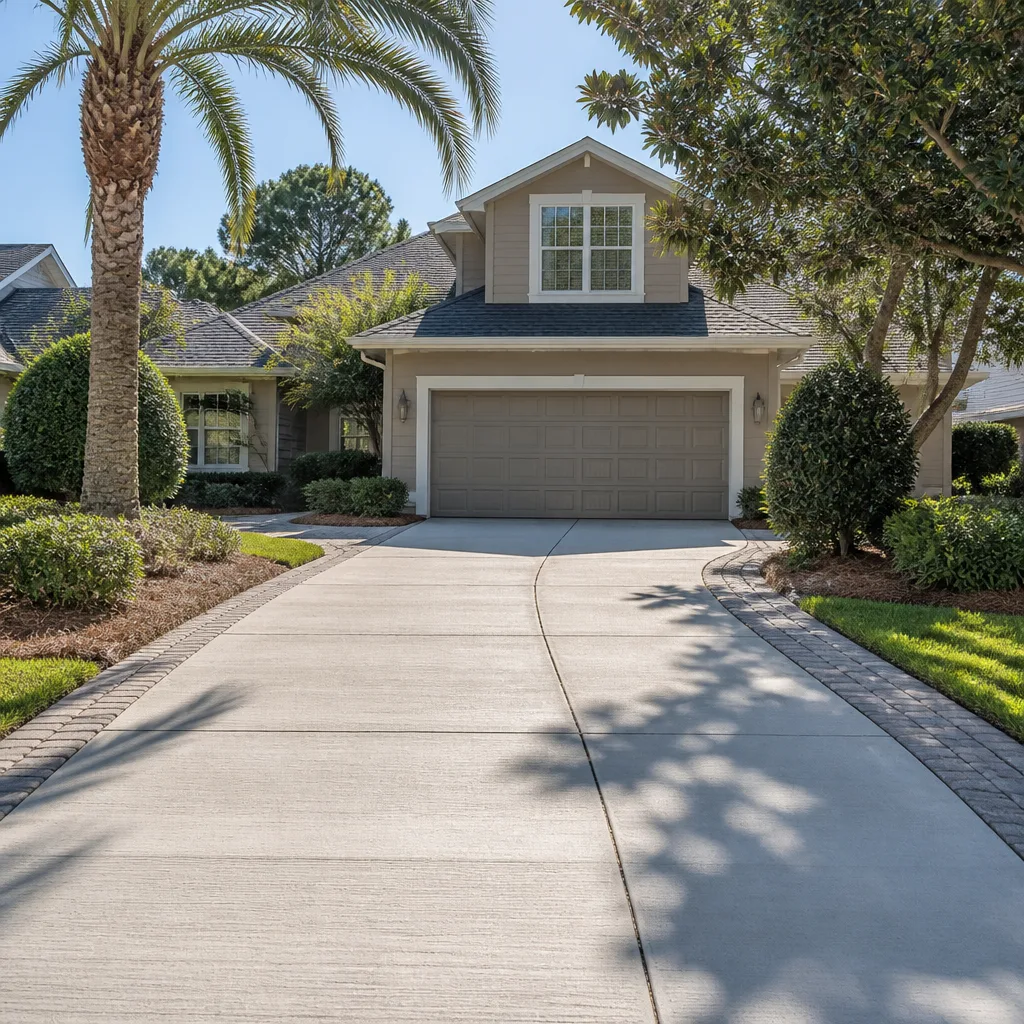
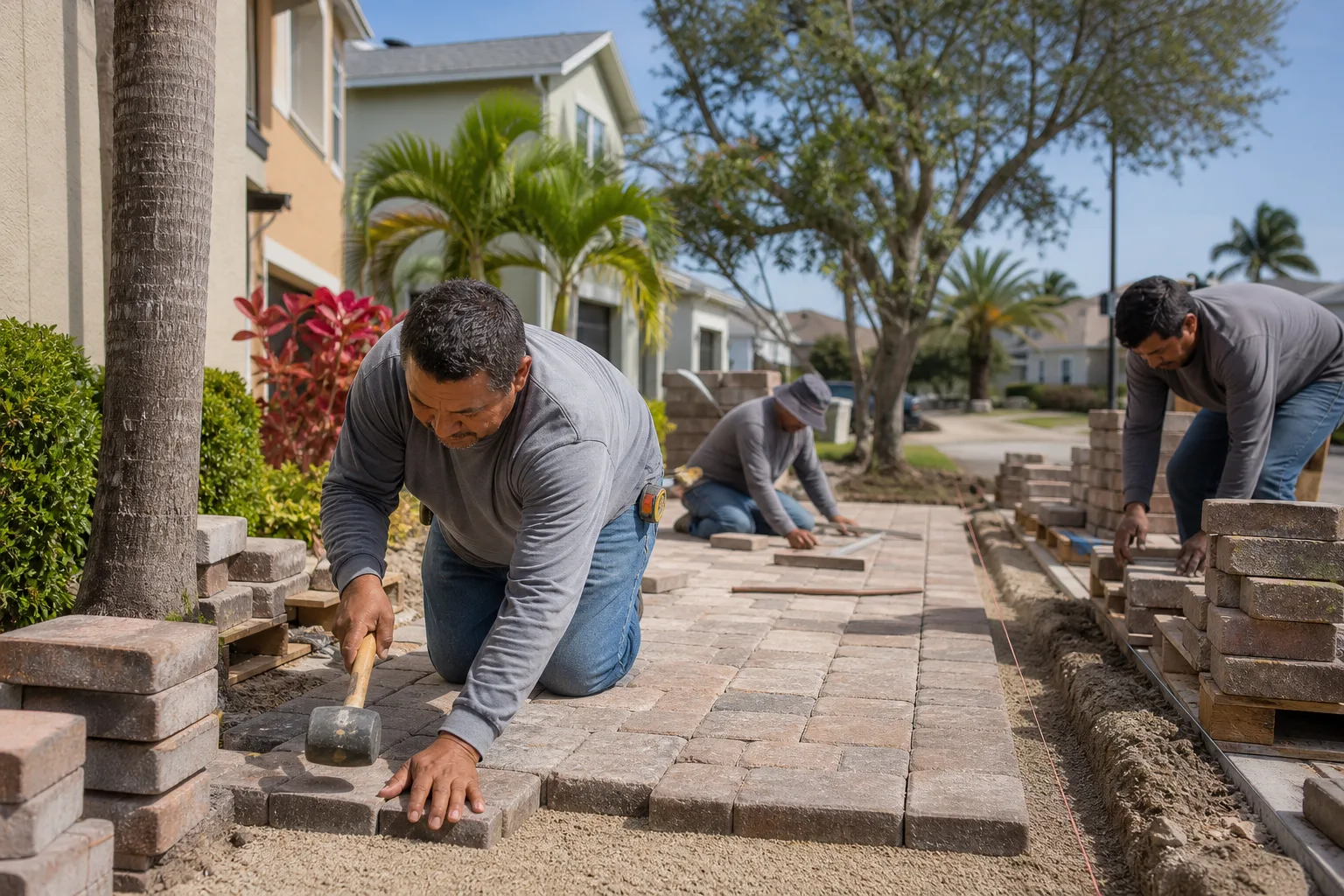
The climate compounds it. Opa-locka’s subtropical wet season and hurricane exposure mean heavy rain and saturated soil routinely expose foundation and flat-roof failures in older buildings, and every new ADU has to account for wind-load construction and positive drainage. Roof tie-downs and impact-rated openings matter here in a way they don’t inland. When a homeowner pairs an ADU with hardscape, we often coordinate with our Concrete Driveways & Concrete Work in Opa-locka crew or a Paver Driveways in Opa-locka install so the new driveway and unit’s drainage work together instead of against each other. We handle ADU site prep across all of Opa-locka, including the 33054 and 33055 ZIPs.
Serving Opa-locka, FL – Our Local Coverage Area
We serve Opa-locka and nearby communities. Use the map below to see the area we cover. If you’re nearby, we can almost certainly help.
Frequently asked – ADU Site Prep & Utilities in Opa-locka
Plan on 3 to 6 weeks from locates to backfill, depending on site conditions and how fast inspections come back. A flat, dry lot with short utility runs lands near 3 weeks; a low lot needing fill and drainage correction runs toward 6. The full build timeline is longer. Call (833) 716-6251 for a scheduling estimate based on your lot.
Yes. Grading, foundation, plumbing, and electrical rough-in all require permits and separate inspections in Opa-locka, and projects near the historic district may also face design review. Skipping the permits risks a stop-work order and a failed final on the whole build. We pull the permits and schedule the inspections as part of the job.
Usually, yes. In most cases the ADU gets its own utility tie-in with a subpanel and a new lateral, leaving the main house’s systems untouched. The main home only gets involved when the panel is full or the existing sewer lateral leaves no room to tie in. We verify which case you’re in during the survey.
The complete ADU build with site prep and utility rough-in ranges from about $45,000 to $130,000 in Opa-locka, with the low end on a simple flat lot and the high end on difficult sites, service upgrades, or lift stations. Call (833) 716-6251 for an exact quote – estimates are free.
All of our work is backed by the 730-Day Done Right Promise: if it isn’t done right, we make it right. That covers the foundation, trenching, and rough-in we install, in writing. Call (833) 716-6251 and we’ll walk you through exactly what the promise covers on your project.
Get a free on-site estimate for your Opa-locka ADU
Before you commit to a number, let us stand on the lot. We’ll do a free site visit, take measurements, run the utility locates mentally against your survey, and hand you a written line-item estimate with the permits and inspections spelled out. Call (833) 716-6251 and a live person will get you on the schedule. No pressure, no vague bids, just the real scope and the real number.
Written by the team at Groundwork Construction Co.