
Free written scope consultation - allowances, timeline, and change-order rules on paper before a single trade is scheduled
Styles & brands we work with
- Kitchen remodeling
- Bathroom remodeling
- Home additions & ADU
- Roofing
- Windows & doors
- Driveway & pavers
- Fence
See the difference
 Before
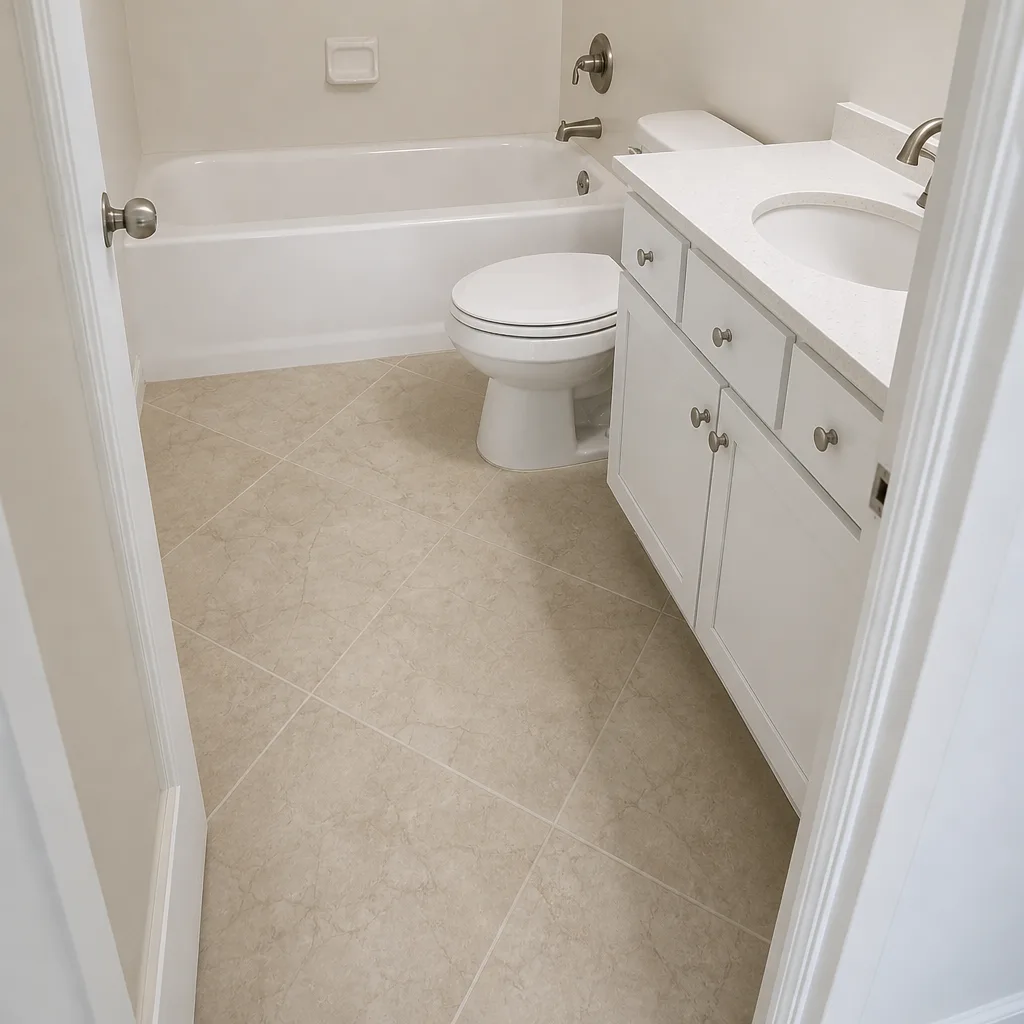 After
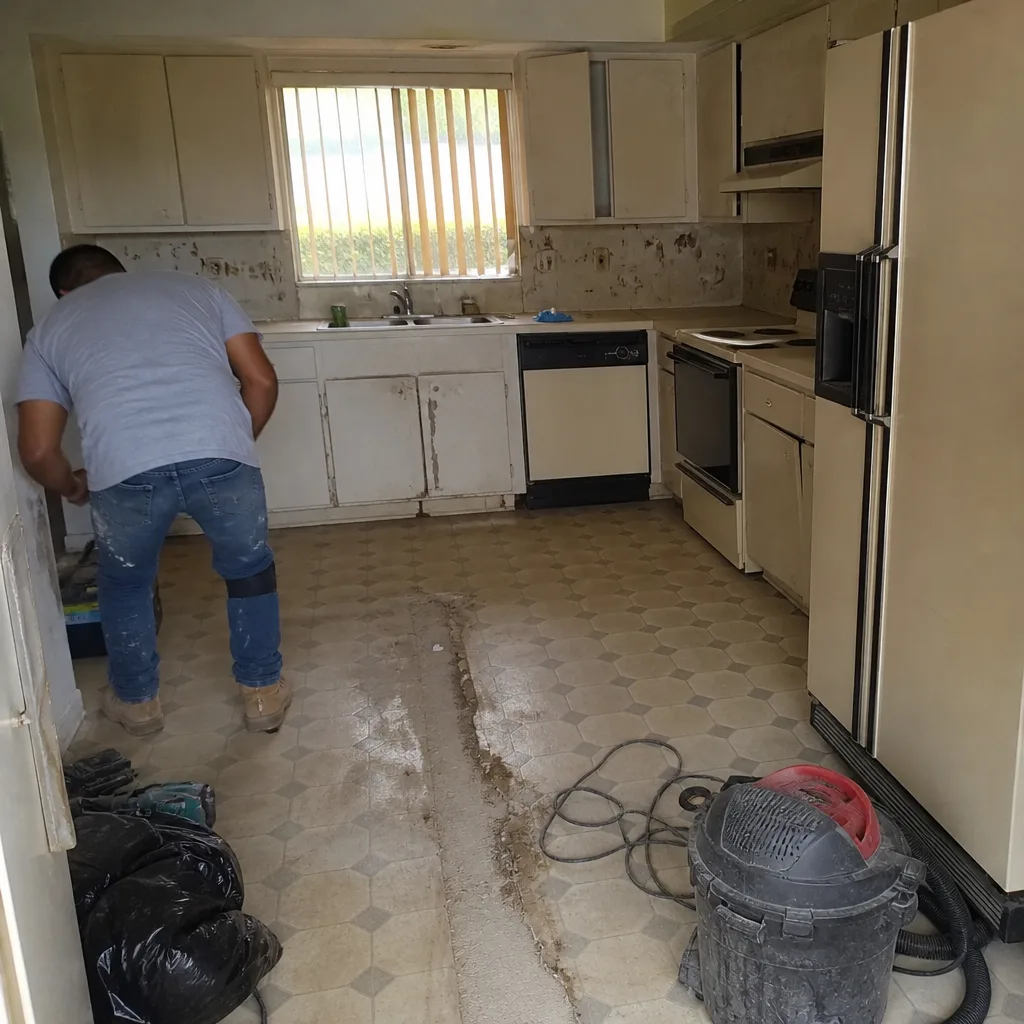 Before
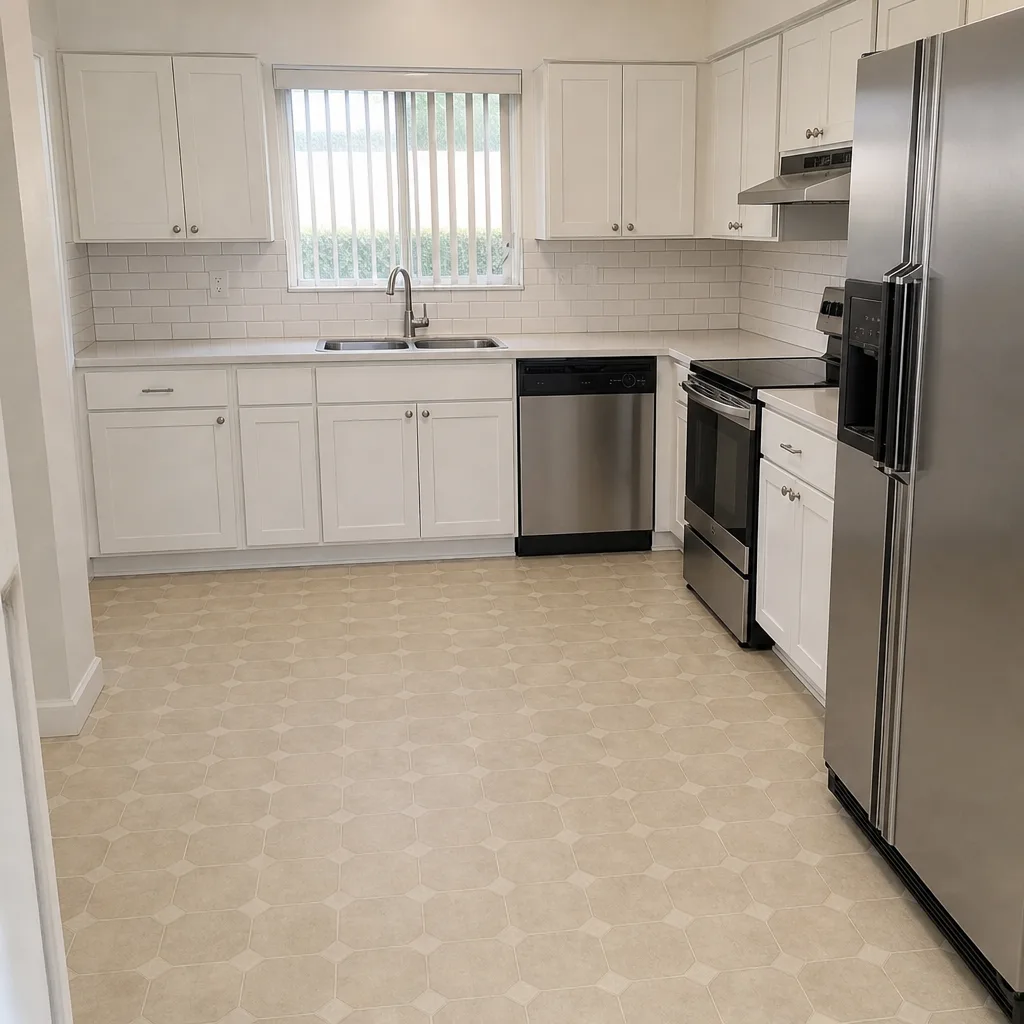 After
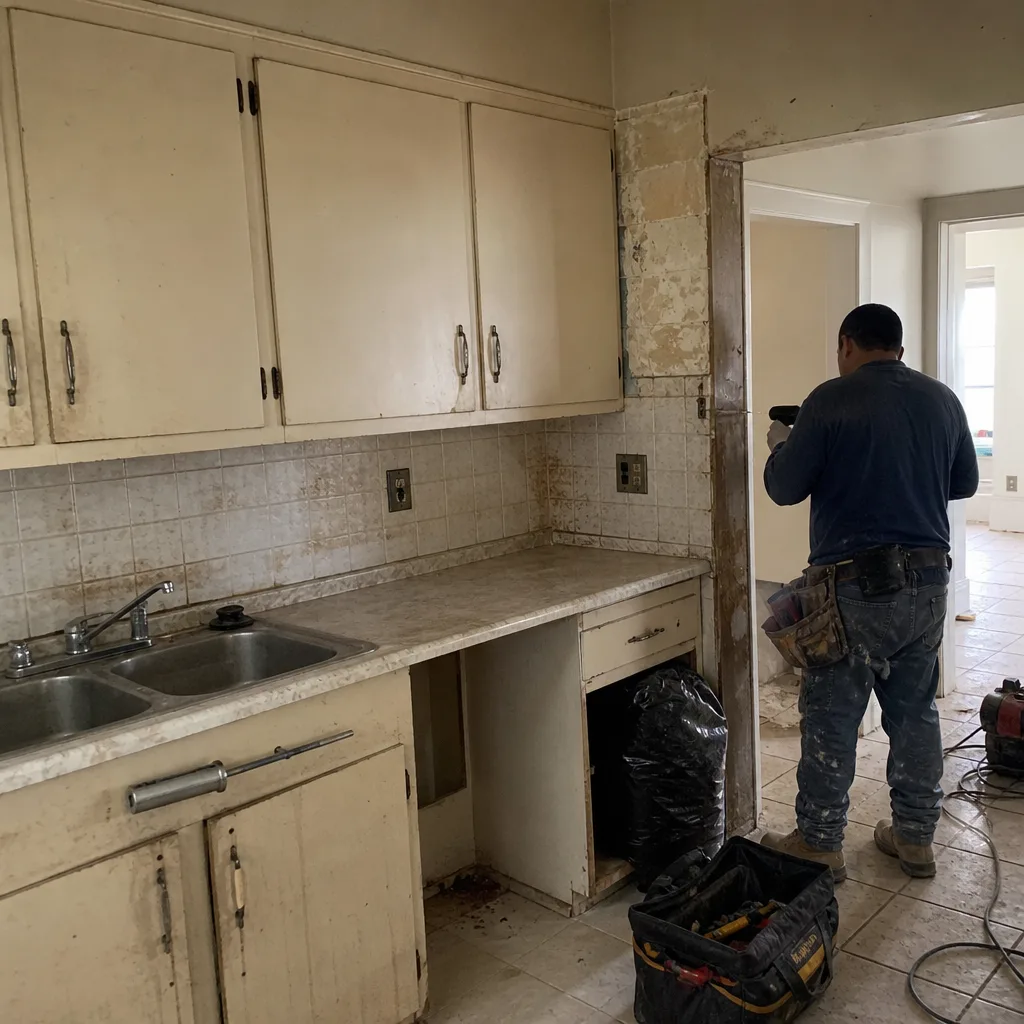 Before
 After
How Custom Windows Are Made for Aventura, FL: Inside the Miami-Dade Impact Test
Custom windows are made by assembling a tested system, not just cutting glass to size. Before Miami-Dade County will issue a Notice of Acceptance (NOA) for an impact window, the complete assembly has to survive the TAS 201/202/203 large-missile protocol: a 9-pound 2×4 fired at 34 mph, 9,000 positive and negative pressure cycles, and a water infiltration test at pressure. That testing regime is why a real impact window costs what it does, and why an underbid quote usually means somebody specified an untested product. If you’re comparing proposals for a high-rise unit here, call (833) 716-6251 and we’ll walk you through what the paperwork should show.
Most Aventura window conversations start in a condo board meeting, not a showroom. Aventura is a dense, built-out city of 1970s through 2000s high-rise towers and gated townhome communities, so nearly all window work happens inside occupied buildings. That means COA approval, elevator protection, noise-hour limits, and – since the Surfside collapse – a wave of milestone inspections and reserve-funded envelope projects on aging towers. Knowing how the product is made gives you the vocabulary to evaluate every bid against the same standard.
The three glass types, and why only one is compliant here
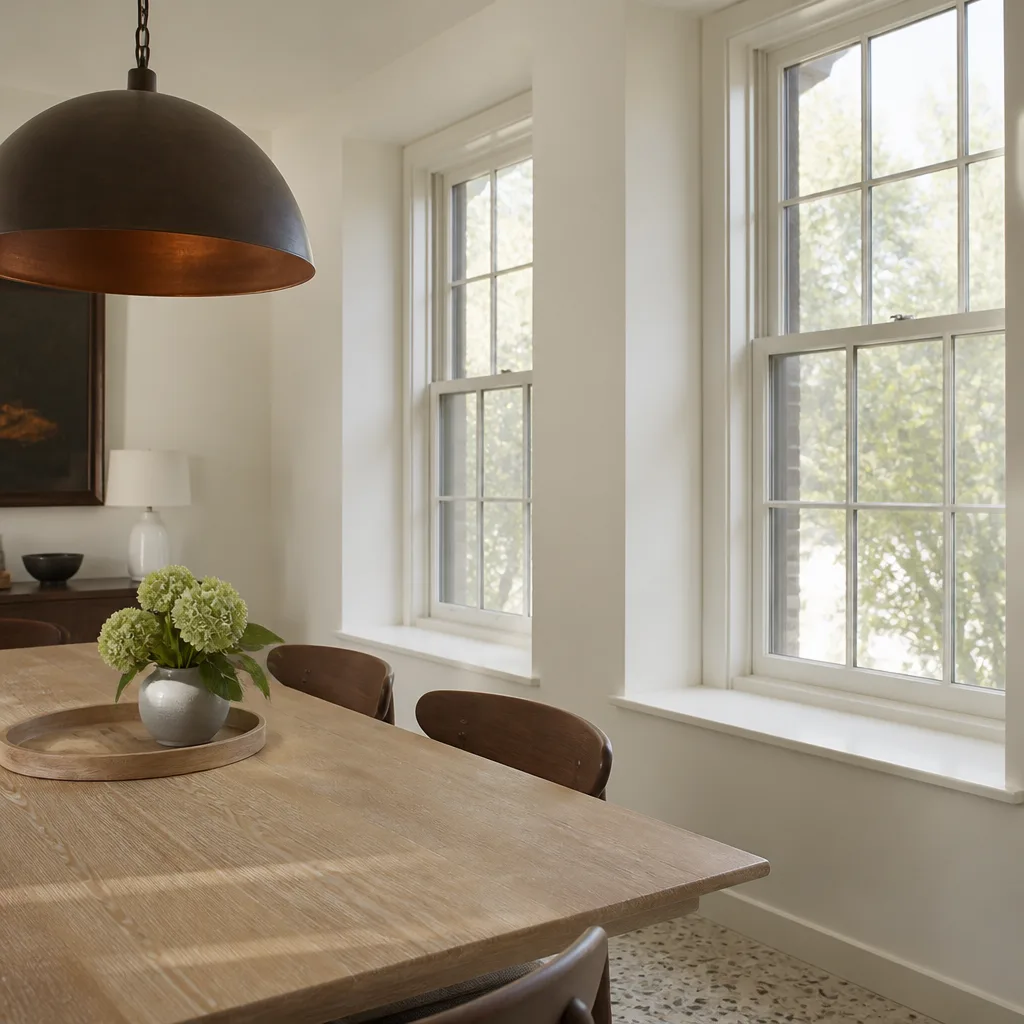
Every window starts as one of three glass types. Only one belongs on a high-velocity hurricane zone building.
- Annealed glass – standard float glass, breaks into large shards. Not permitted in impact-rated openings.
- Tempered glass – heat-treated for roughly four times the strength of annealed, breaks into small dice. Good safety glass, but it offers no impact resistance on its own.
- Laminated glass – two or more glass plies bonded to a plastic interlayer. When it breaks, the interlayer holds the pieces in the frame. This is the only construction that passes the large-missile test in a high-velocity hurricane zone.
The interlayer choice matters as much as the glass. Most impact windows use a PVB interlayer, which passes the test and performs well inland. On ocean-adjacent towers, SGP (SentryGlas) is the stronger coastal spec because it resists delamination – the separation of glass from interlayer – far better under sustained heat, humidity, and salt exposure. If a bid doesn’t specify the interlayer type, ask. In Aventura’s climate, that detail separates a window that performs for 25 years from one that clouds at the edges in eight.
Custom sizing inside a tested matrix
Here’s the part most homeowners never hear: a window manufacturer can’t simply make any dimension you want and call it impact rated. Each product line is tested as an assembly matrix – a range of widths, heights, and configurations that were physically tested together. A custom size that falls inside that tested matrix inherits the NOA. A size outside it requires separate engineering review, and sometimes additional testing, which adds both cost and lead time.
Aventura’s standard construction is concrete CMU, so openings are typically set in masonry bucks rather than wood framing. That means the manufacturer has to account for the buck dimensions, anchorage, and rough-opening tolerances when they map your unit into the approved matrix. Andersen and Marvin both publish NOA documentation for their impact lines, and the numbers let a homeowner verify a product is actually approved for the opening before signing. We specify those NOAs directly on proposals so there’s a document trail, not a verbal assurance.
| What’s on the proposal | What it should show |
|---|---|
| Product line | Manufacturer and exact model/series |
| Glass construction | Laminated, with interlayer type specified (PVB or SGP) |
| Code compliance | Miami-Dade NOA number, current and unexpired |
| Test protocol | TAS 201/202/203 large-missile compliance noted |
| Frame material | Aluminum, vinyl, or fiberglass with thermal break stated |
| Anchorage | Approved fastening schedule for a CMU buck |
Frame fabrication at coastal performance level
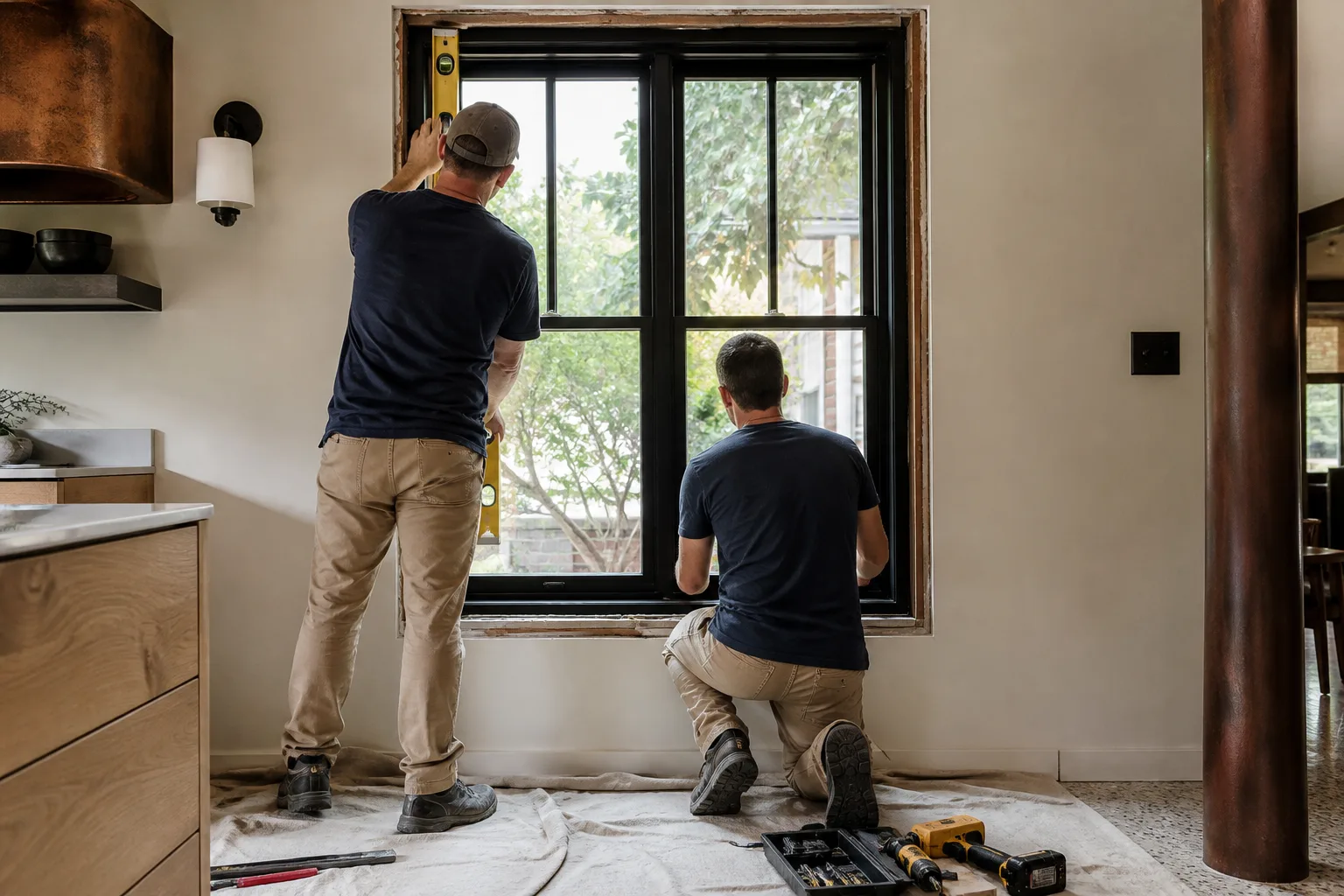
The frame carries as much engineering as the glass. Three materials dominate, and each behaves differently in a marine exposure zone:
- Aluminum – strong and dimensionally stable, but requires a thermal break to prevent condensation and heat transfer in South Florida’s year-round humidity. Coastal-grade finishes and salt-air corrosion resistance are non-negotiable on Aventura’s ocean-adjacent towers.
- Vinyl – inherently low-conductivity, no thermal break needed, but quality varies widely. Cheaper extrusions can chalk and warp under sustained UV.
- Fiberglass – excellent thermal performance and corrosion resistance, with a higher price point and fewer available impact-rated configurations in the custom-size range.
Salt-laden coastal air accelerates corrosion on every exposed metal surface, including the fasteners and anchors, which is why the anchorage specification on the proposal deserves the same scrutiny as the frame. A window that passes the NOA with approved anchors installed in a concrete buck will perform; the same window with substitute fasteners may not.
Common local scenarios we see in Aventura
Three patterns show up again and again when we’re reviewing window proposals inside Aventura towers:
- Underbid quotes with expired NOAs. A quote comes in thousands below the rest, and the product’s NOA has lapsed or was never issued for that model. The board rejects it at COA review, and the homeowner loses weeks.
- PVB specified on an east-facing ocean tower. The window passes inspection but delaminates prematurely under sustained salt and heat exposure. SGP would have been the right call.
- Custom dimensions outside the tested matrix. The homeowner wants a specific size that requires engineering review, and the added cost and lead time weren’t in the original bid.
For full-scope replacement work that includes door systems and sliders, see our Windows & Doors pages for the spec packages we coordinate on each proposal.
Why the paperwork is the whole point
An impact window is a manufactured, tested specification – not a feature you can take on faith. The verifiable chain runs from the glass interlayer, through the tested assembly matrix, through the frame and anchorage schedule, to the NOA number printed on the proposal. When that chain is intact, the homeowner has a document trail that survives COA review, milestone inspection, and resale. When it isn’t, the window may cost less up front and cost far more later. Our technicians have up to 12 years of experience reading these specs, and every project is backed by our 730-Day Done Right Promise – if it’s not done right, we make it right. Background-checked, uniformed technicians, live-person phone coverage 24/7, and upfront pricing with no surprises.
FAQs
It means the complete window assembly has passed the Miami-Dade large-missile test protocol (TAS 201/202/203) and holds a current Notice of Acceptance. Impact rated is a documented specification, not a marketing label – the NOA number on the proposal is what proves it. If you want your current quote reviewed against that standard, call (833) 716-6251 for a free assessment – estimates are free.
Laminated glass is required in a high-velocity hurricane zone; tempered glass alone doesn’t pass the large-missile test. Tempered glass breaks into safe dice but offers no impact resistance, while laminated glass holds the broken plies in the frame via its interlayer. On Aventura’s ocean-adjacent towers, SGP interlayer resists delamination better than PVB. Call (833) 716-6251 to confirm what your unit’s NOA specifies.
A custom size costs more when it falls outside the manufacturer’s tested assembly matrix, because it requires engineering review or additional testing. Sizes inside the tested range inherit the NOA and price more predictably. Most Aventura units fall inside the matrix, but it’s worth verifying before the bid is finalized. Call (833) 716-6251 for an exact quote – estimates are free.
Impact window installation in Aventura typically runs $8,000-$25,000 for a full unit, and standard window replacement runs $4,500-$15,000, with the higher end reflecting larger openings, SGP interlayers, and high-rise access logistics. Ask any contractor to show the NOA number before you compare prices. Call (833) 716-6251 for a free estimate on your specific unit.
If you’d rather have it looked at, Groundwork Construction Co. of Aventura offers a no-pressure assessment in Aventura – call (833) 716-6251. We’ll review your proposal against the tested specification and tell you plainly whether it holds up. Our work is covered by the 730-Day Done Right Promise, and we answer the phone live around the clock. See our Aventura service area for what we cover locally.
Written by the team at Groundwork Construction Co. of Aventura, serving Aventura, FL.