Last updated November 18, 2026






Free written scope consultation - allowances, timeline, and change-order rules on paper before a single trade is scheduled
Windows & Doors Maintenance Schedule: What to Do and When
Impact window manufacturers void warranties for “lack of maintenance.” Almost no homeowner discovers that clause until they file a claim after a storm and get a letter back citing it. The frustration isn’t that the requirement exists. It’s that nobody ever told you what “maintenance” actually meant in specific, doable terms. This guide fixes that. We’ve walked through enough Aventura homes to know exactly which components fail first in coastal conditions, and we’re laying out a twice-yearly routine you can follow yourself, plus a clear line for when to bring in help. You’ll get a month-by-month schedule, Aventura-specific cleaning guidance for salt air, and the inspection tests that tell you when a sealant joint is a five-minute fix versus a full replacement.
Quick Answer
Inspect and service your windows and doors twice a year, in April before hurricane season and in October after it ends. Each session covers four things: hardware lubrication and torque checks, sealant inspection, weep hole clearing, and glass cleaning with products that won’t degrade the impact interlayer. In Aventura’s salt-air environment, frames and hardware need washing every two to three months, more often than the once or twice a year inland Florida requires. Done consistently, this routine protects both the product and your manufacturer warranty.
Styles & brands we work with
- Kitchen remodeling
- Bathroom remodeling
- Home additions & ADU
- Roofing
- Windows & doors
- Driveway & pavers
- Fence
Table of Contents
- Why Aventura’s Coastal Climate Changes the Schedule
- The Pre-Hurricane Season Checklist (April – May)
- Salt-Air Decontamination: How Often and What to Use
- Lubrication Schedules by Hardware Type
- Inspecting the Sealant Perimeter: Spot Repair vs. Replacement
- Maintaining Impact Glass Without Scratching the Interlayer
- The Post-Season Check (October – November)
- Keeping Your Manufacturer Warranty Enforceable
Why Aventura’s Coastal Climate Changes the Schedule
A window installed in Ocala and a window installed three blocks from the Aventura shoreline are the same product, but they don’t age the same way. Salt spray carried on prevailing onshore winds deposits chloride on frames, hinges, and hardware constantly. That chloride film holds moisture against metal and accelerates corrosion. Add Aventura’s humidity, which sits high most of the year, and the corrosion process never really pauses. Inland Florida homes get a break each winter when humidity drops. Coastal homes don’t get much of one.
Sun exposure matters too. South- and west-facing impact units in Aventura take direct UV for hours daily. The glass itself handles that fine, but gaskets, weatherstripping, and sealant joints degrade faster on those exposures than on shaded elevations. And the Aventura building stock itself plays a role: many mid-rise and townhome units sit close enough to the Intracoastal that wind-driven salt reaches them year-round, not just during storms.
What that means practically:
- Frames and hardware get washed every two to three months, not twice a year.
- Sealant joints on ocean-facing and Intracoastal-facing elevations need closer inspection each spring.
- Hinge and lock lubrication happens more frequently than the manufacturer’s generic schedule suggests, because salt strips lubricant faster.
- Weep holes clog faster here with wind-blown debris and sand, so clear them every season without exception.
The rest of this schedule assumes an Aventura installation. If you’re comparing products before you buy, our Groundwork Construction Co. of Aventura home page lays out the window and door lines we work with, including Andersen and Marvin, along with the 730-Day Done Right Promise that covers the installation itself. The maintenance below is what you owe the product after the crew leaves.
The Pre-Hurricane Season Checklist (April – May)
Hurricane season runs June 1 through November 30. Your April – May inspection is the one that matters most, because everything you check now has to hold under wind-driven rain and pressure. A hardware failure discovered in May is a repair. The same failure discovered in September, during a storm warning, is a scramble. Set aside two hours per elevation and work through this list:
- Check every lock and latch for torque. Open and close each operable unit. Multi-point locks should engage smoothly at every point, with no rattle and no need to lift or push the sash to close. If a handle turns loosely or a lock point doesn’t catch, the hardware has backed out or worn. Tighten fasteners to the manufacturer’s spec; don’t guess by feel, because over-torquing strips the mechanism.
- Verify frame fasteners and anchors. On impact-rated products built to Florida’s High-Velocity Hurricane Zone (HVHZ) standards, the frame fasteners are what tie the unit to the structure under load. Look for rust streaks, loose trim hiding the frame edge, or a gap where the frame meets the wall. Visible corrosion on fasteners or any movement in the frame means it’s time for a professional inspection.
- Walk every sealant perimeter. You’ll do the detailed sealant test below, but the April pass is the one that determines whether summer weather gets in.
- Clear all weep holes. Weep holes are the small slots at the sill that let water escape. Wind-blown sand and debris plug them here routinely. A plugged weep hole traps water inside the frame and is one of the most common causes of interior water intrusion we find in Aventura.
- Test every operable unit through a full open-close cycle. Sliding doors should glide without drag. Casement cranks should turn without grinding. A bind that feels minor in April can seize by August.
- Inspect screens and storm panels if you use them, and confirm panel fasteners are not corroded.
Write down what you find. A simple dated list beats memory, and if you ever need warranty service, a record of regular inspections supports the maintenance clause. High-tension hardware and structural fasteners are not a place for improvisation. If anything looks loose, corroded, or out of alignment, a trained technician should make that call. We’ve seen homeowners chase a rattle for an afternoon and damage a lock mechanism that needed a two-minute adjustment.
Salt-Air Decontamination: How Often and What to Use
Aventura’s proximity to the Atlantic and the Intracoastal means your exterior surfaces collect salt continuously. Salt is the single biggest driver of premature hardware and finish failure on impact products here, ahead of sun and heat. The good news is that removing it takes minutes. The bad news is that the wrong cleaner can do more damage than the salt.
How often:
- Ocean-facing and Intracoastal-facing elevations in Aventura: wash frames, tracks, and hardware every two to three months.
- Sheltered or inland elevations within Aventura: four times a year is typically enough.
- Inland Florida comparison: twice a year meets most manufacturers’ minimum, which is why home-maintenance advice borrowed from Orlando often undershoots what Aventura homes need.
- After any wind-driven rain event or storm: additional rinse of exterior hardware.
How to wash: Use fresh water and a mild dish soap. A soft cloth or soft-bristle brush, then a plain water rinse to remove soap residue. Dry the hardware with a clean cloth so moisture doesn’t sit in hinges or lock mechanisms. That’s the entire process.
What to avoid: This is where we see real damage. Abrasive powders and scouring pads scratch finishes and leave channels where corrosion starts. Solvent-based cleaners and degreasers attack painted finishes and some gaskets. Acidic cleaners, including many bathroom and hard-water products, dull anodized finishes and chew at sealant. Bleach solutions are harsh on weatherstripping over time. And never spray glass cleaner directly into a lock or hinge. It looks harmless. It isn’t. Check the product label: if it says not for use on aluminum, vinyl, or anodized surfaces, keep it off your frames.
Salt doesn’t just affect the product. The same coastal conditions that wear windows and doors work on everything outside a home, which is why we write separately about fence installation in Aventura and the materials that hold up under that exposure.
Lubrication Schedules by Hardware Type
Lubricant choice matters as much as frequency. The wrong product attracts grit, which turns smooth hardware into a grinding one. Here’s what we recommend for Aventura’s conditions and what to skip:
- Multi-point locks and mechanisms: a dry-film PTFE or silicone lubricant, applied two or three times a year, plus a light application after any salt-air wash. Dry-film products leave a protective layer that doesn’t collect dust. Avoid thick greases here; they trap grit and gum up the internal mechanism.
- Hinges (casement and door): a light lithium or silicone spray, every six months. Wipe away excess. On ocean-facing elevations in Aventura, do this quarterly.
- Sliding door rollers and tracks: a silicone spray on the rollers themselves and a dry silicone on the track. Never apply grease to a track. Grease over sand is a grinding paste.
- Sill tracks and guide channels: clean first, then a dry silicone application. Clean the channel of sand and debris before applying anything.
- Weatherstripping and gaskets: a silicone-based protectant once or twice a year, to slow dry rot. Petroleum-based products can degrade rubber compounds over time.
One rule covers all of it: clean before you lubricate. A salt-and-sand film under fresh lubricant is worse than no lubricant. The sequence is wash, dry, inspect, then lubricate. Skipping the wash step is the most common lubrication mistake we see, and it’s the one that shortens hardware life fastest. Lubrication is also the cheapest item in your entire maintenance budget. A small can of the right silicone spray treats a whole house for a year.
Inspecting the Sealant Perimeter: Spot Repair vs. Replacement
Sealant is the joint between your window or door frame and the wall. It’s the first defense against wind-driven rain, and in Aventura’s coastal conditions it takes a beating. The sealant around a unit installed five or more years ago deserves a serious look every spring. You can do most of this inspection yourself.
The visual test: Walk the perimeter of each unit. Look for cracking, gaps, or peeling edges. Look for shrinking where the sealant has pulled back from the frame or wall. Look for discoloration or mold. Any of these is a signal.
The tactile test: Press a finger into the sealant bead every few feet. Good sealant feels pliable and stays slightly tacky. Sealant that’s hard, chalky, or easily pressed into powder has failed its elasticity and will crack when the frame moves in heat and wind. If it has gone chalky, it’s done.
The spot-repair test: Press along the bead and look for a spot where it lifts away or leaves a gap. Isolate the gap with a small section of the bead. If the failure is confined to one small section and the rest of the bead is pliable, a spot repair is appropriate. If the sealant has failed around the whole perimeter, or more than about a quarter of the bead, do a full replacement of the joint.
- Clean and dry the joint surface completely. No dust, no moisture.
- Remove failed sealant with a plastic tool to avoid scratching frame finishes.
- Apply a fresh bead of a sealant rated for exterior window and door use.
- Tool the bead smooth, and let it cure per the manufacturer’s schedule before rain.
Sealant joint replacement on impact products is a small job but a critical one. In Aventura, a single failed sealant joint on a windward elevation can let water into a wall cavity during a summer squall, and that turns into much more than a sealant problem. If you’re uncertain about the condition of a joint, we can assess it during a free estimate visit. Call (833) 716-6251.
Maintaining Impact Glass Without Scratching the Interlayer
Impact glass is a laminated product. It’s two panes of glass with a tough interlayer bonded between them. That interlayer is the reason the glass holds together under impact. It is also the component that’s easiest to damage during cleaning. The interlayer is sensitive to harsh chemicals that can attack the bond at the glass edge. And scratches near the edge, even small ones, are the entry point for water to reach and degrade the interlayer over time.
What to use: a mild soap solution or a standard glass cleaner that doesn’t contain ammonia or strong acids. Water and a soft microfiber cloth handle most of it. For hard-water spots on glass, use a mild hard-water product rated for glass, and avoid anything that reaches the finished edge of the unit.
What to avoid: abrasive pads and powders, acid-based cleaners, heavy solvents, and razor blades or scrapers held at an aggressive angle. Avoid pressure-washing the glass, and keep high-pressure streams away from the sealant line and the edges of the unit. A pressure washer aimed at the frame can force water into places it should not go.
Preserving optical clarity: Clean with the sun not directly on the glass, and use soft cloths that won’t carry grit. A dry, dusty cloth is a scratch waiting to happen. Wash glass at least every two to three months on ocean-facing elevations in Aventura. The salt film on glass matters too, since it’s mildly abrasive and it degrades anti-reflective or coating layers. Long-term, a consistent soft-touch cleaning routine is all that optical clarity needs.
We see manufacturers evaluate glass complaints differently based on whether the unit shows signs of regular care. A documented, gentle cleaning routine supports a warranty claim. A glass surface with swipe marks from a scouring pad does not.
The Post-Season Check (October – November)
When hurricane season ends, your fall inspection is about storm recovery and setting up for the dry months. It’s shorter than the spring checklist but just as important. Here’s the sequence:
- Re-check every sealant joint for damage from summer wind-driven rain. A joint that failed under storm load needs replacement now, not next April.
- Look for water intrusion inside. Check for staining on interior trim, walls, and floors near each unit. Soft spots or paint peeling at the base of a frame can signal a leak. If you find one, don’t paint over it. Get it assessed.
- Test storm panels and hardware if you use them, and confirm the anchors are sound.
- Clean and lubricate everything as you did in spring. Salt accumulation over the summer is the heaviest it will be all year.
- Clear weep holes again. Storm debris plugs them reliably.
The post-season pass is also the moment to plan any replacement you’ve been putting off. Replacement of whole windows and doors is planned work, and on Aventura projects we do it as part of a larger scope when the timing works out. If you’re considering new units, our guide to Home Additions & ADU in Aventura covers how window and door specifications work in an addition or accessory dwelling unit, where the window and door package is a material part of the overall budget.
Fall inspection also gives you a useful data point for the year. If you replaced sealant in spring and you find it failing again in October, the problem may be a joint that isn’t moving with the frame, not just bad sealant. That’s a call for a professional.
Keeping Your Manufacturer Warranty Enforceable
Impact window and door products are designed to last 30 years or more, and the good ones from Andersen and Marvin are backed by meaningful manufacturer warranties. But manufacturer warranties on windows and doors almost universally require regular maintenance, and “lack of maintenance” is a claim denial category that homeowners discover only after the fact. The core requirement is reasonable: manufacturers want evidence that the unit wasn’t abused. What catches people is that they never had a clear definition of maintenance.
Your schedule to keep the warranty intact:
- Inspect and service hardware every six months, more often on ocean-facing elevations in Aventura.
- Clean frames, tracks, and sealant lines every two to three months on salt-exposed elevations.
- Lubricate with the correct product and use no abrasives.
- Keep the perimeter sealant intact and repair failures promptly.
- Keep a dated record of inspections and any service work.
The record is the part most homeowners skip. Photographs and a short dated log of your twice-yearly inspections are evidence. If a unit later develops a defect, that evidence supports a warranty claim and takes the “lack of maintenance” denial off the table. And if you had the unit installed by a contractor, your workmanship warranty is separate from the manufacturer’s product warranty. When Groundwork installs windows and doors in Aventura, both are covered: the manufacturer’s product warranty and the 730-Day Done Right Promise on the installation. Our Driveway & Pavers in Aventura projects carry the same guarantee, because it applies across everything we build.
Common Mistakes to Avoid
- Washing hardware and frames with an abrasive cleaner. Scouring powders and pads scratch finishes and open channels for corrosion. Use mild soap and a soft cloth, then dry.
- Lubricating a dirty mechanism. Lubricant over salt and grit becomes a grinding paste. Clean first, dry, then lubricate.
- Skipping weep holes. A plugged weep hole traps water in the frame, and the resulting damage looks like a failed unit but is really a blocked drain. Clear them every season.
- Spot-repairing a failed sealant bed. Filling a gap in a joint where the surrounding sealant has gone chalky is a temporary fix at best. Test the whole bead first.
- Power-washing the perimeter. High-pressure water forces into the sealant line and can damage the interlayer at the glass edge. It looks efficient. It costs more than it saves.
- Cleaning glass with an abrasive pad or acid cleaner. Impact glass is laminated, and the interlayer is vulnerable. Avoid anything harsher than mild soap or a standard ammonia-free glass cleaner.
- Never keeping a record. When a warranty claim comes up, the dated log and photos are what carry the day. No record means the “lack of maintenance” clause can be asserted without you having a way to answer it.
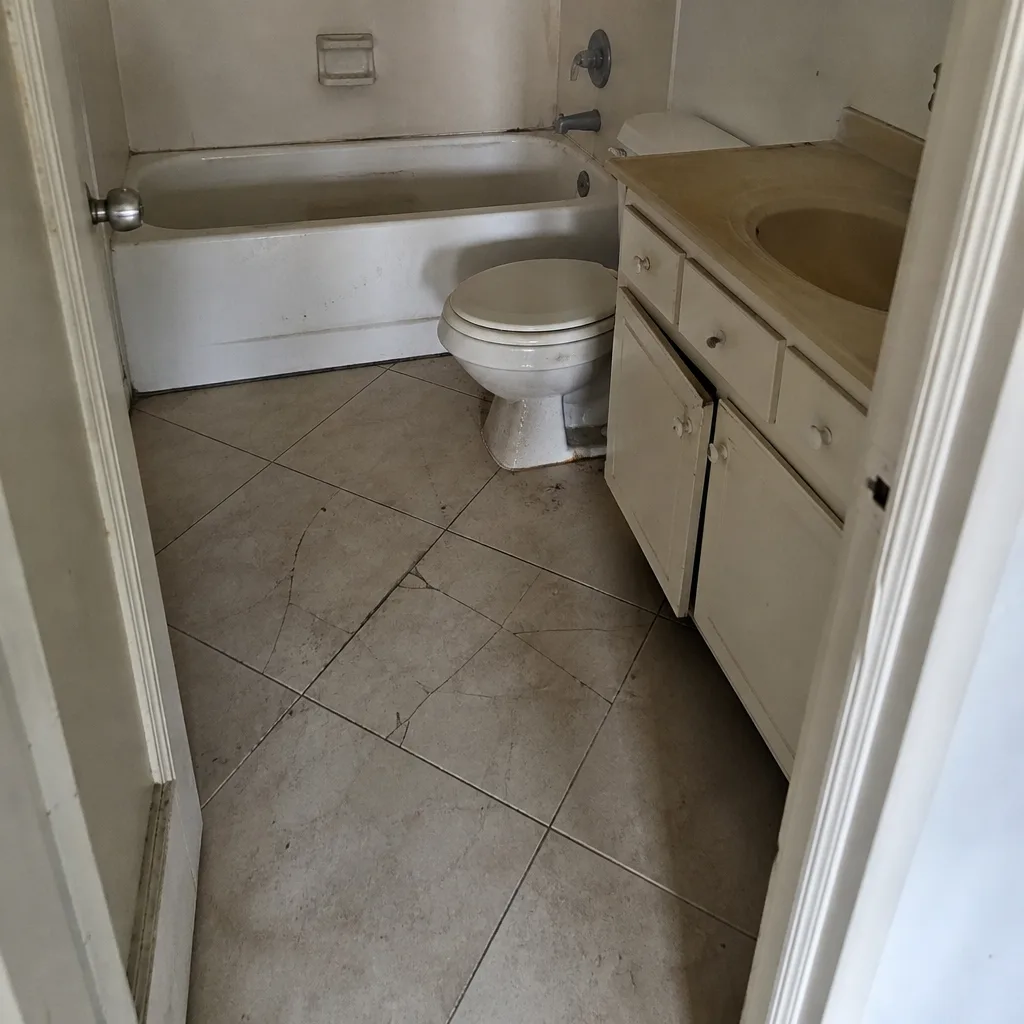
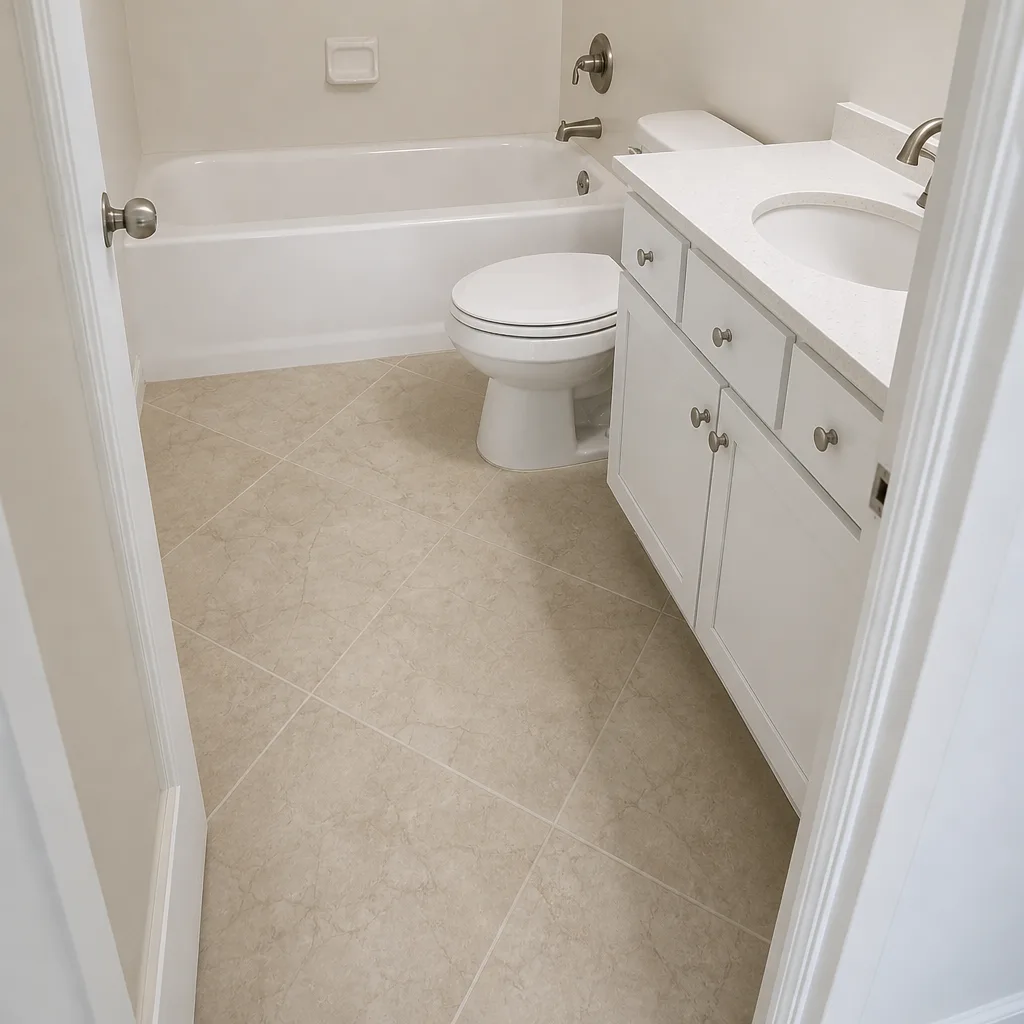
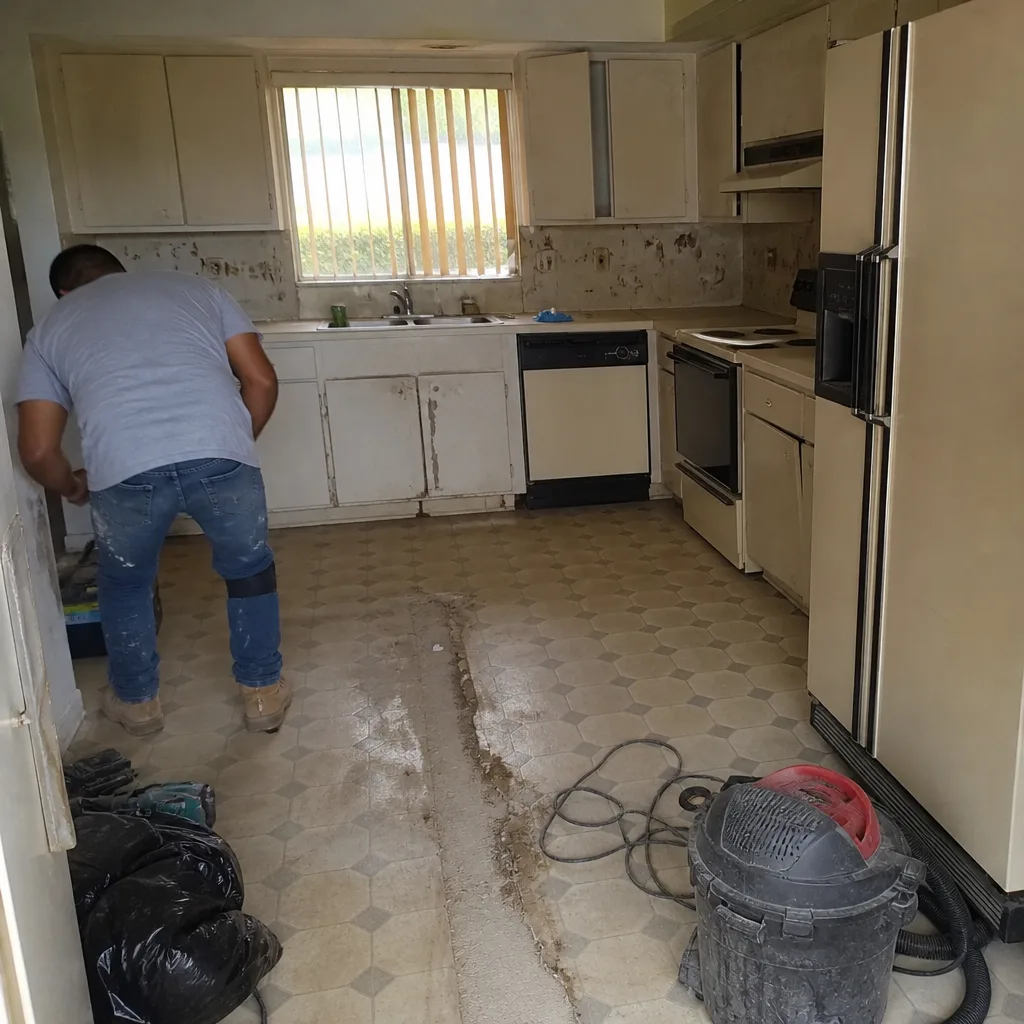
See the difference
 Before
 After
 Before
 After
 Before
 After
When to Call a Professional
Some of this routine is straightforward and we want you to do it yourself. The frame, hinge, and torque checks are the exception. So is any of the following: visible corrosion on frame fasteners, a frame that moves under light pressure, a multi-point lock that won’t engage at every point despite adjustment, water intrusion at an interior frame, a sliding door that binds after a full cleaning and lubrication, or an impact glass unit with a scratch or chip near the edge. Impact-rated products in Aventura’s HVHZ environment rely on a structural system that keeps the unit anchored and sealed under hurricane load, and that’s not a system to troubleshoot on your own. A trained technician can tell you in minutes whether you’re looking at a minor adjustment or a replacement. Groundwork Construction Co. of Aventura offers free estimates in Aventura. Our technicians bring up to 12 years of experience to each job, and they’re background-checked and arrive in uniform. Call (833) 716-6251 to schedule yours.
Frequently Asked Questions

Twice a year for the full schedule, with hardware and sealant checks each spring and fall. Because of salt air in Aventura, add a frame and hardware wash every two to three months on ocean-facing and Intracoastal-facing elevations. Inland Florida homes can generally do less because salt exposure is lower.
Abrasive powders and scouring pads, solvent-based degreasers, acid-based cleaners, and bleach solutions are the ones to avoid. On impact glass, avoid anything that reaches the interlayer, including aggressive abrasives and razor scrapers. Mild dish soap, water, and a standard ammonia-free glass cleaner are safe for the glass surface.
Yes, and it’s one of the most frequent causes of interior water intrusion we find in Aventura. Weep holes let water escape from the sill. Sand and wind-blown debris plug them seasonally, the water backs up inside the frame, and it finds a path inward. Clearing them takes minutes and prevents many leaks.
Manufacturers don’t void the warranty; they deny specific claims under a “lack of maintenance” clause. That clause is a standard part of window and door warranties. Documenting regular cleaning, lubrication, and sealant checks gives you evidence to support a claim and removes the most common basis for denial.
It depends on the condition of the whole bead. If the sealant is pliable and the failure is confined to one small section, a spot repair is appropriate. If the bead has gone chalky or failed around more than about a quarter of the perimeter, replace the whole joint. Call (833) 716-6251 for an exact assessment if you’re not sure.
In most cases, yes. Hardware, sealant, and glass cleaning service can be performed on most installed units. If a component is no longer available, we’ll tell you up front. Call (833) 716-6251 to schedule a free estimate, and our team can tell you what your units need.
The Bottom Line
Impact windows and doors earn their keep for decades on one condition: somebody maintains the parts that hold the system together. The schedule is simple. Pre-season check in April and May: hardware torque, sealant inspection, weep hole clearing, and fastener check. Salt-air cleanup every two to three months on exposed elevations, using mild soap and a soft cloth. Lubrication twice a year with a dry-film or silicone product, never thick grease. And keep a dated record of every inspection. That record is what keeps the manufacturer warranty enforceable and takes “lack of maintenance” off the table when you need a claim to go through. Aventura’s coastal conditions make the schedule more demanding than inland Florida’s. They also make it more valuable. Windows and doors rated to 30-plus years only get there when the routine is followed.
Ready to get a professional opinion on your windows and doors? Call Groundwork Construction Co. of Aventura at (833) 716-6251 for a free estimate. We’ll walk your units, tell you what’s serviceable and what needs attention, and quote the work with upfront pricing and no surprises. Live person, 24/7. From foundation to finish line.
Written by the team at Groundwork Construction Co. of Aventura.