


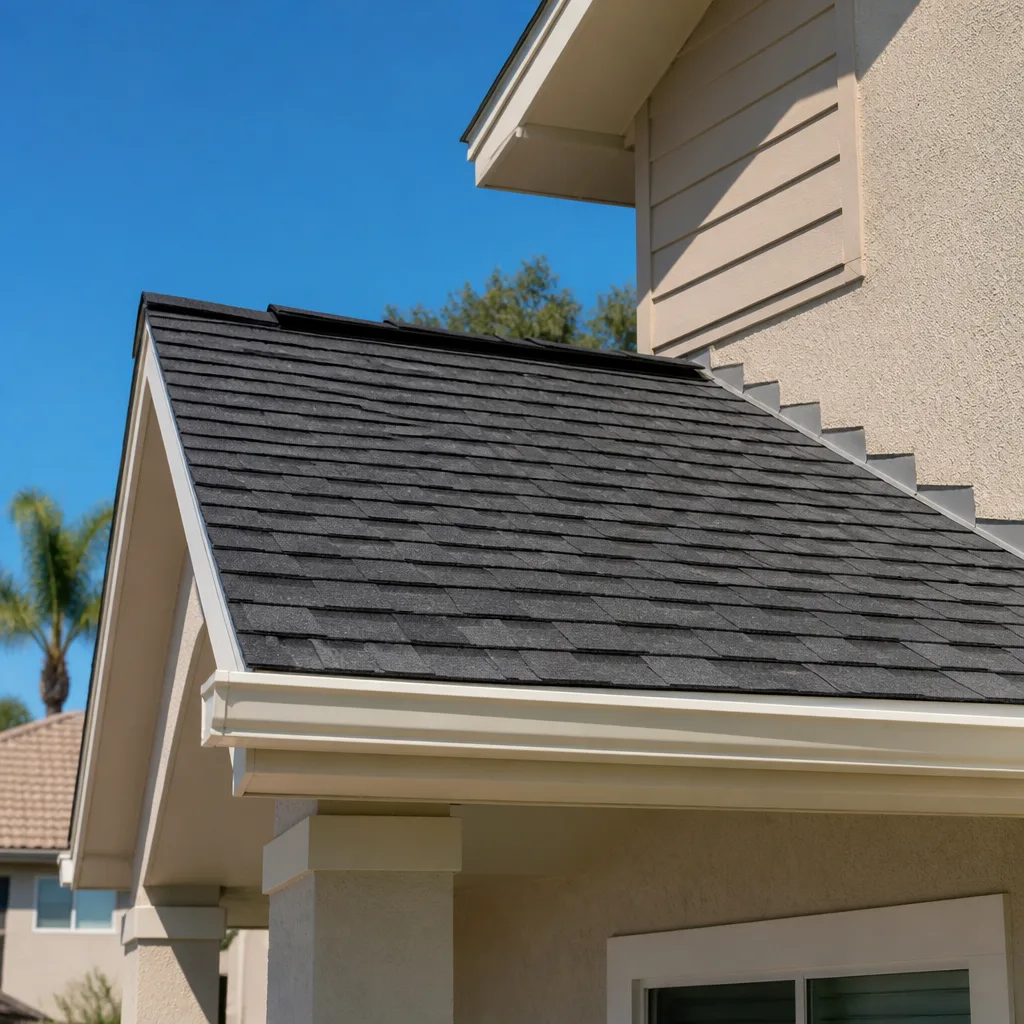
Free written scope consultation - allowances, timeline, and change-order rules on paper before a single trade is scheduled
Styles & brands we work with
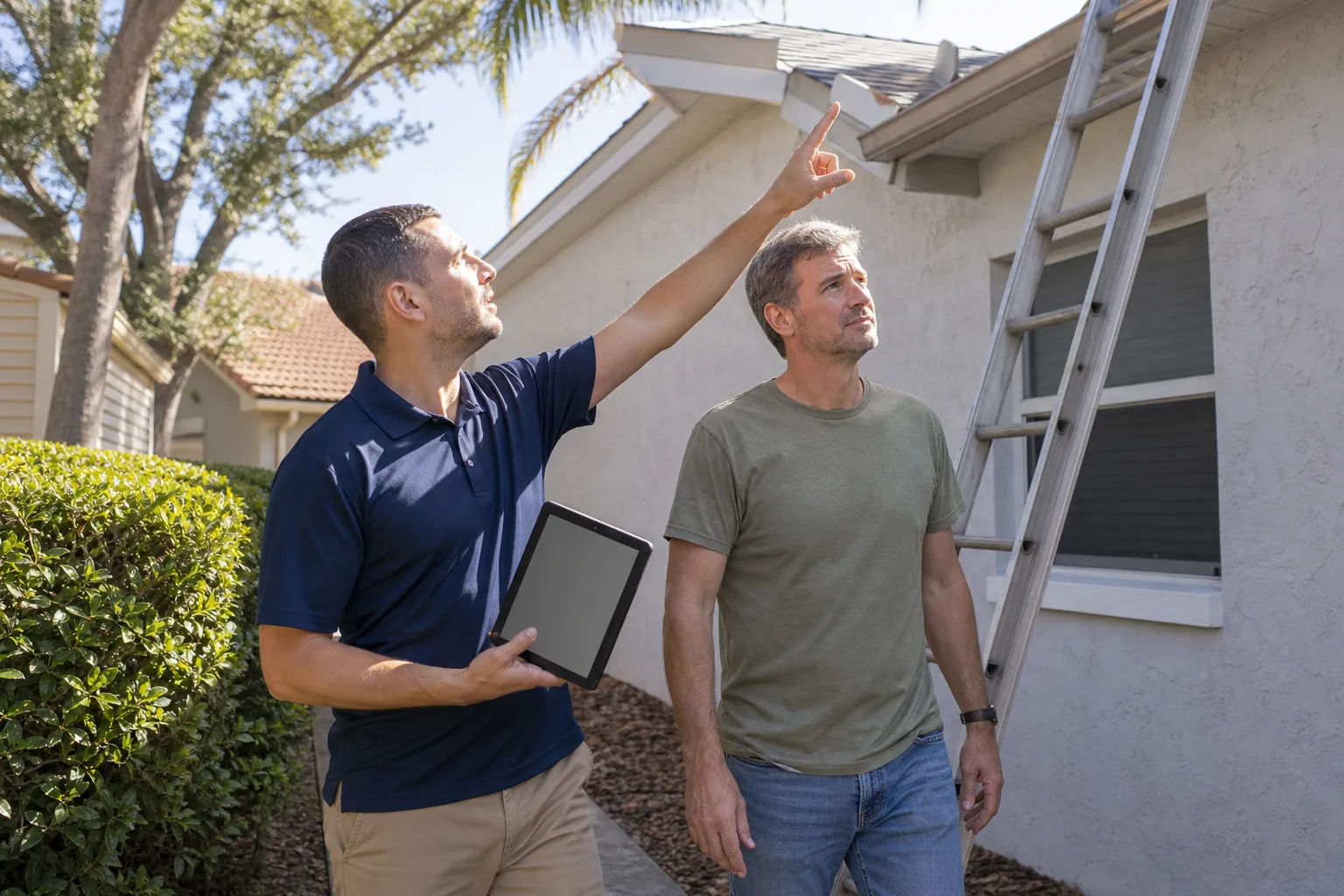
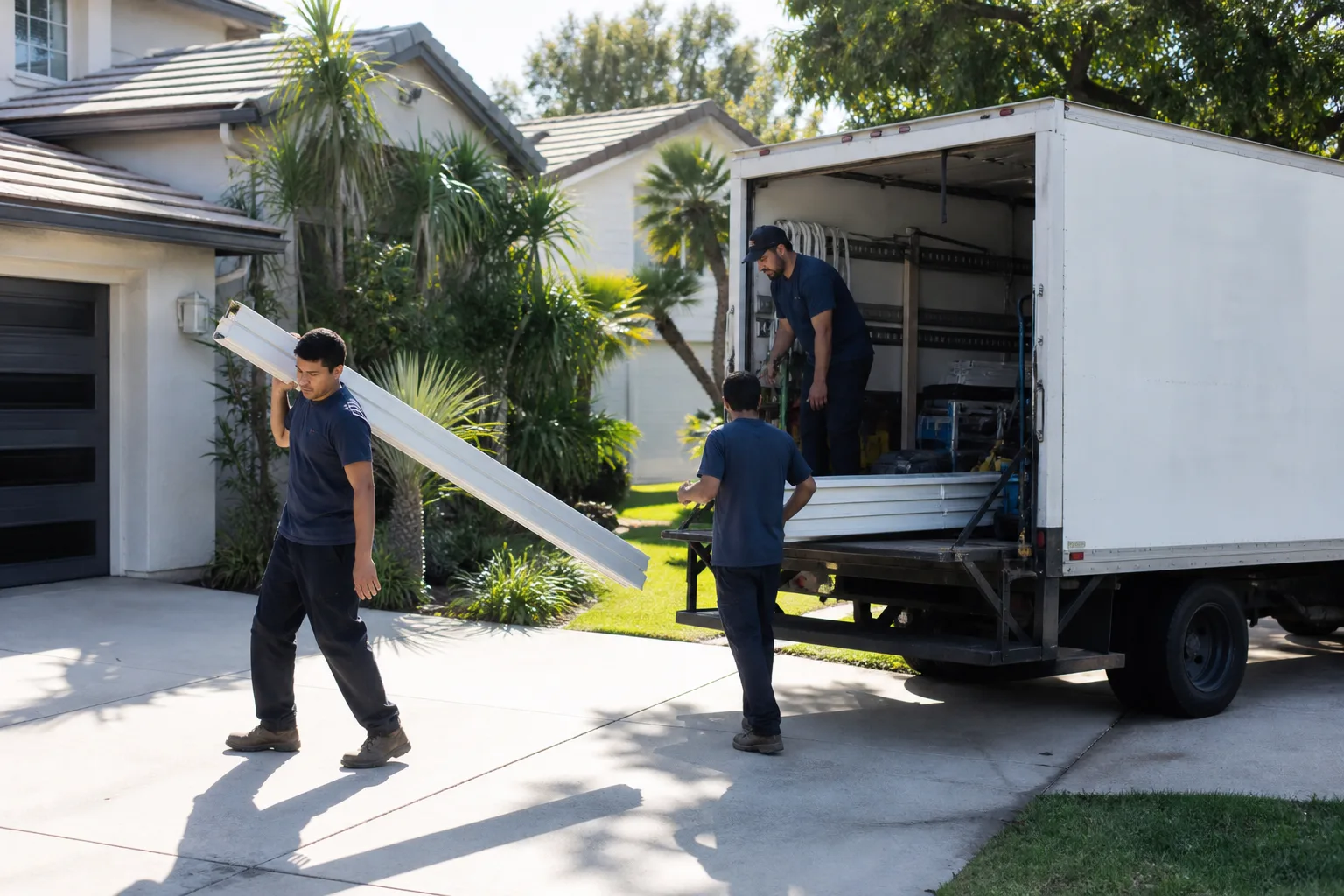
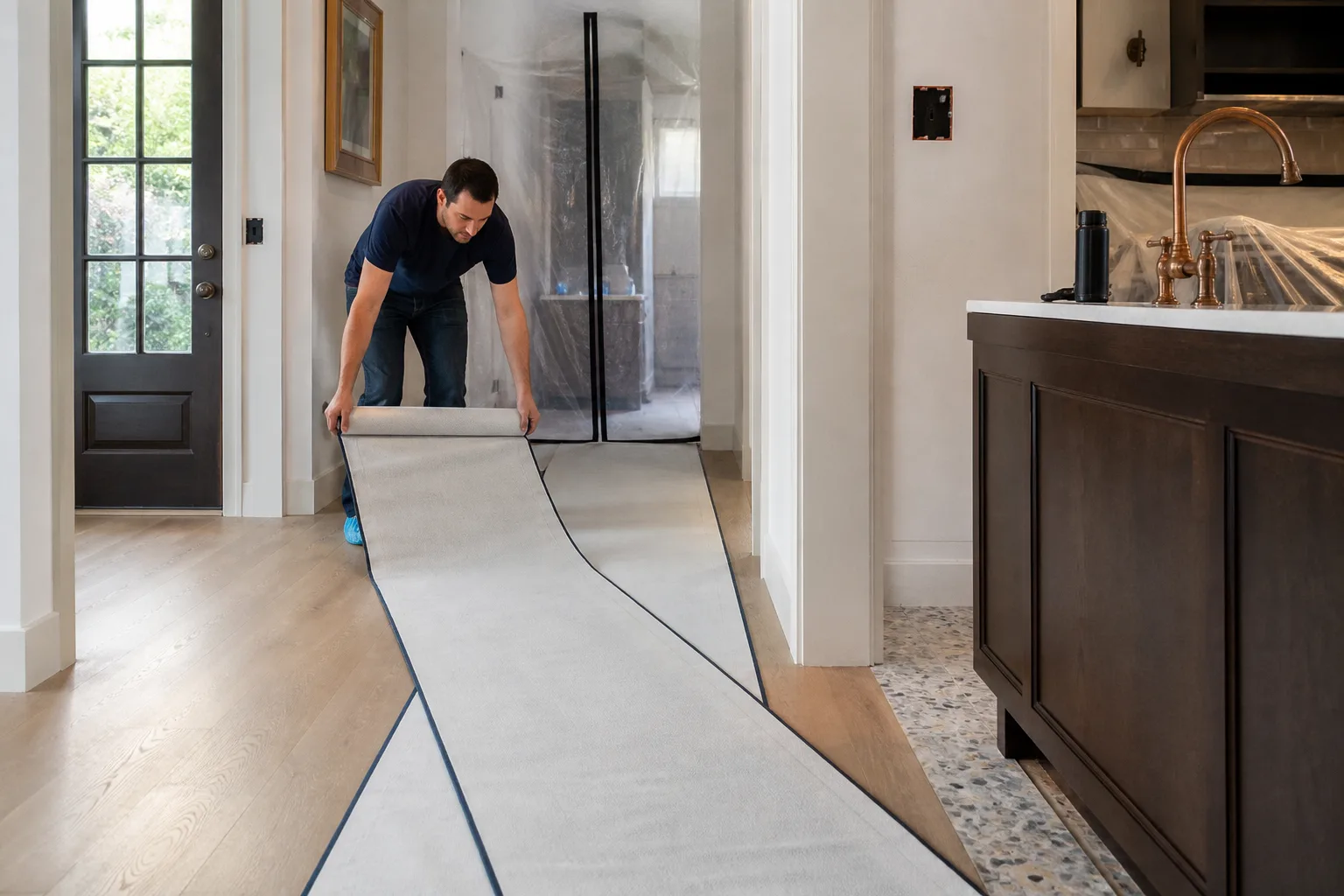
- Kitchen remodeling
- Bathroom remodeling
- Home additions & ADU
- Roofing
- Windows & doors
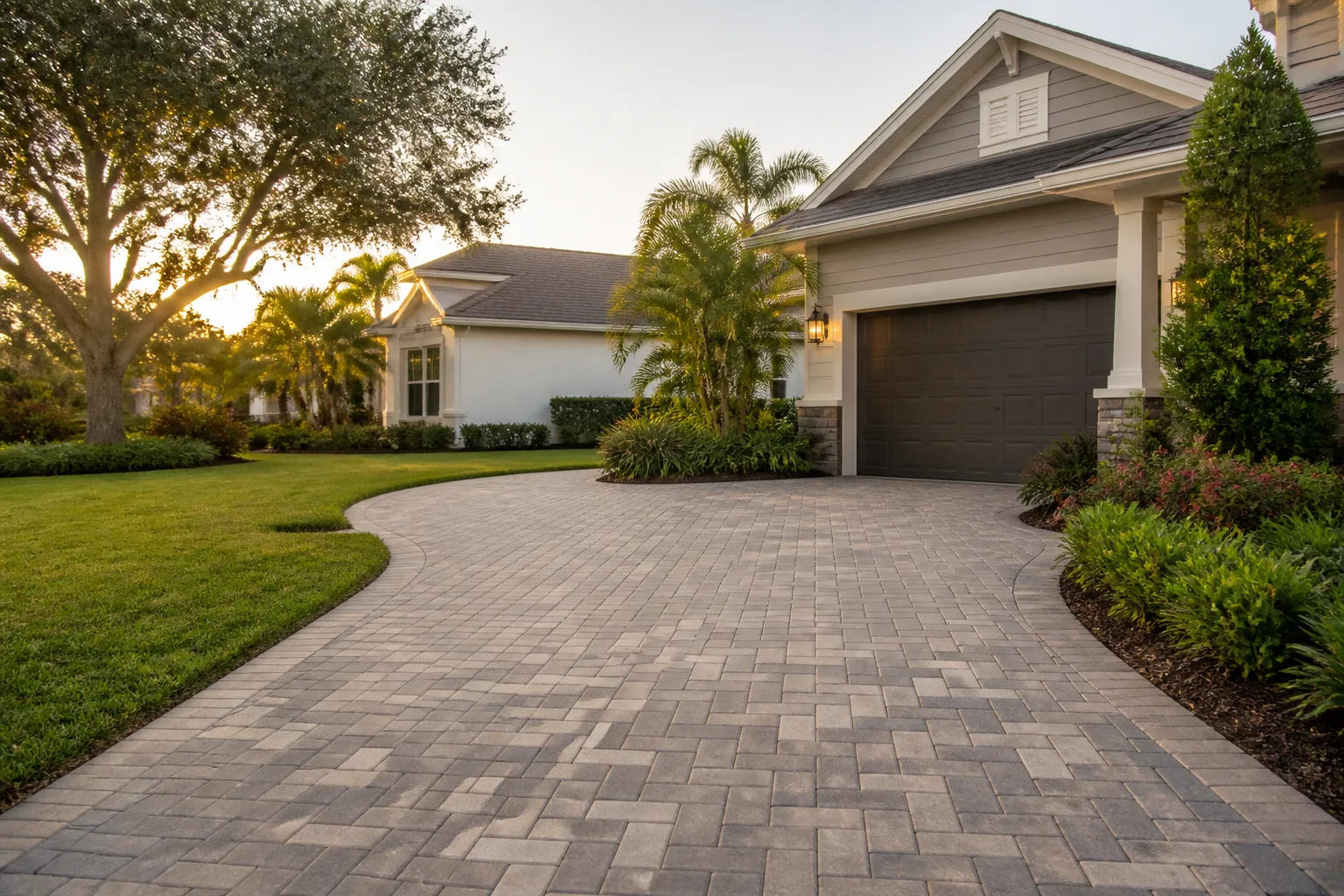
- Driveway & pavers
- Fence
See the difference
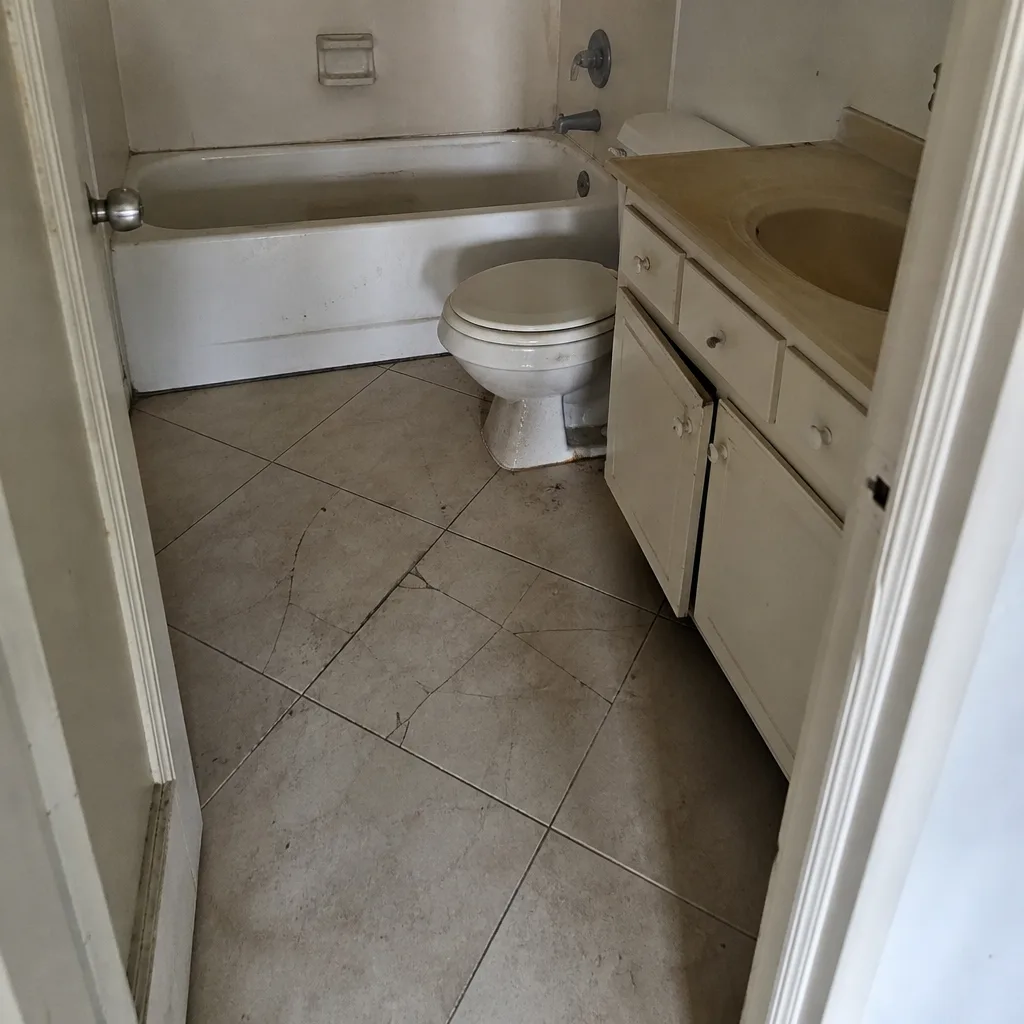 Before
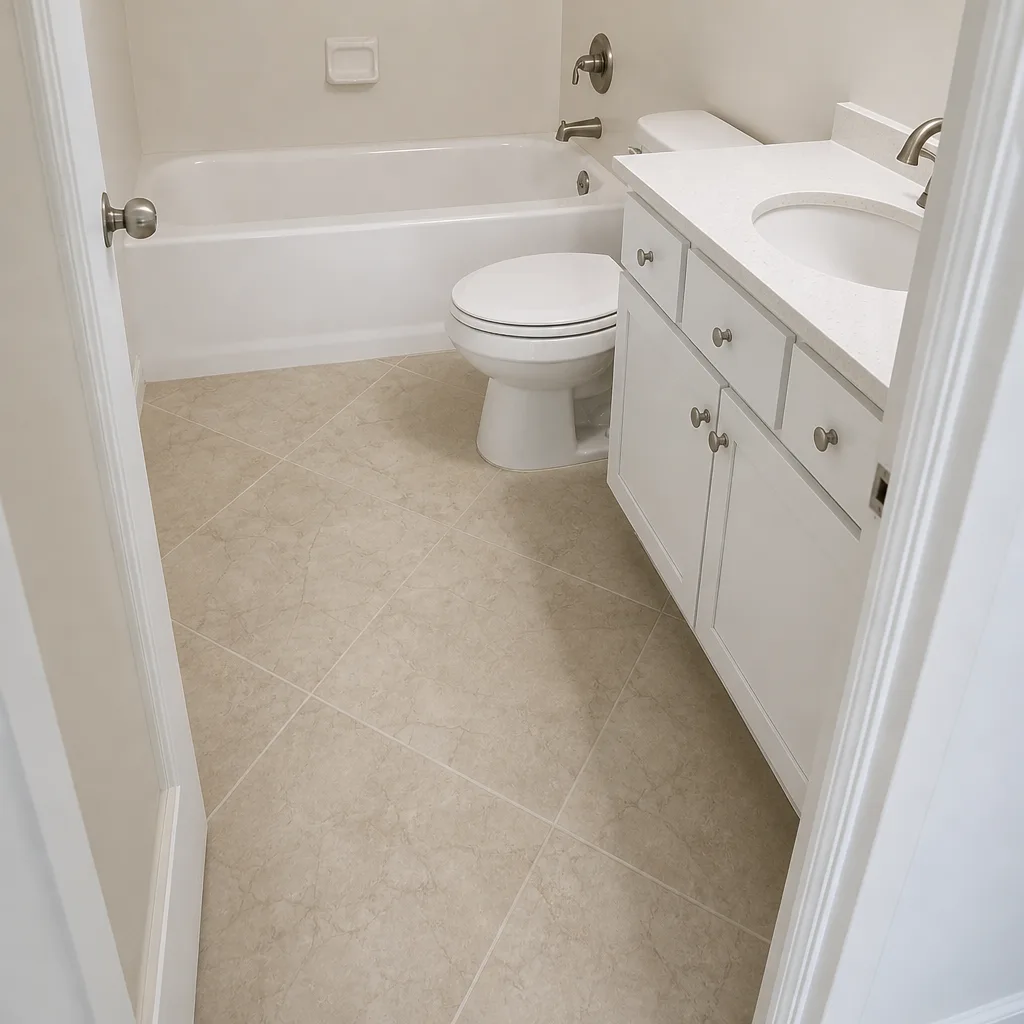 After
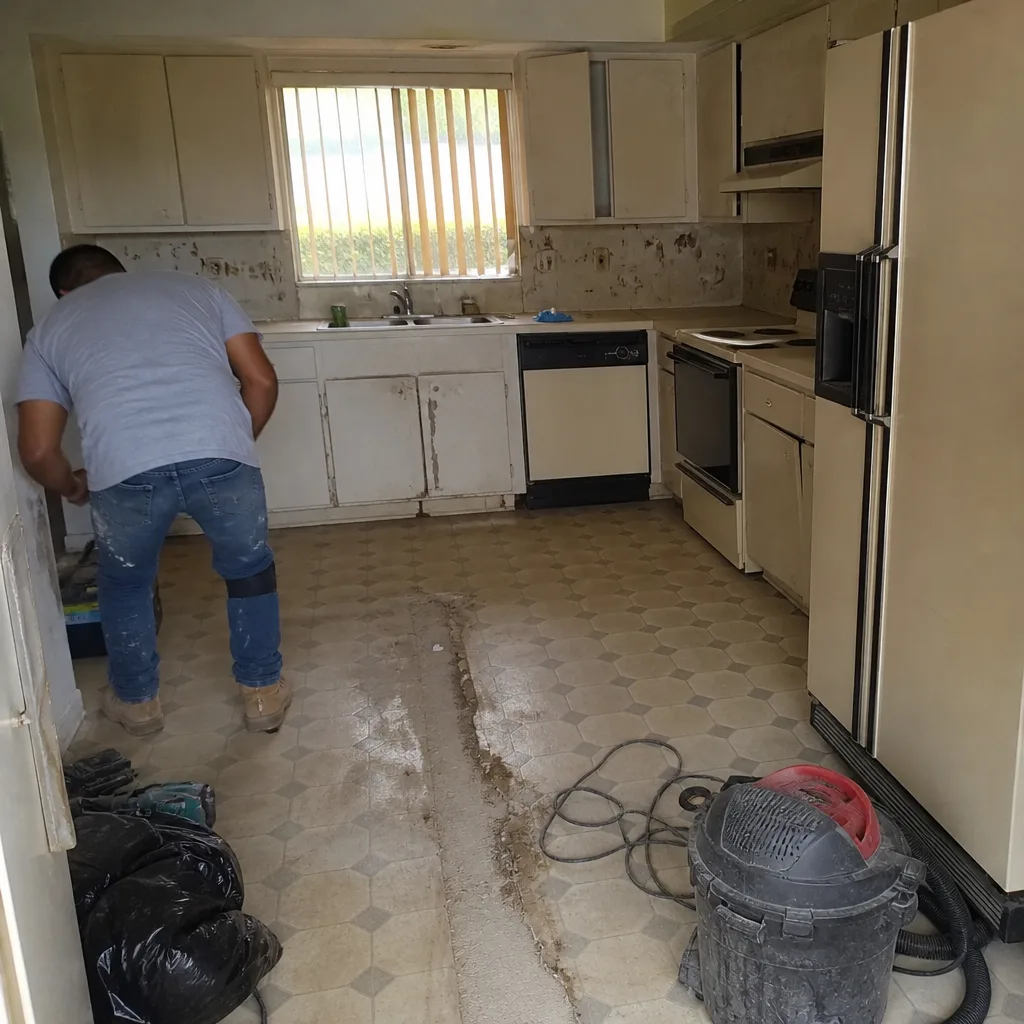 Before
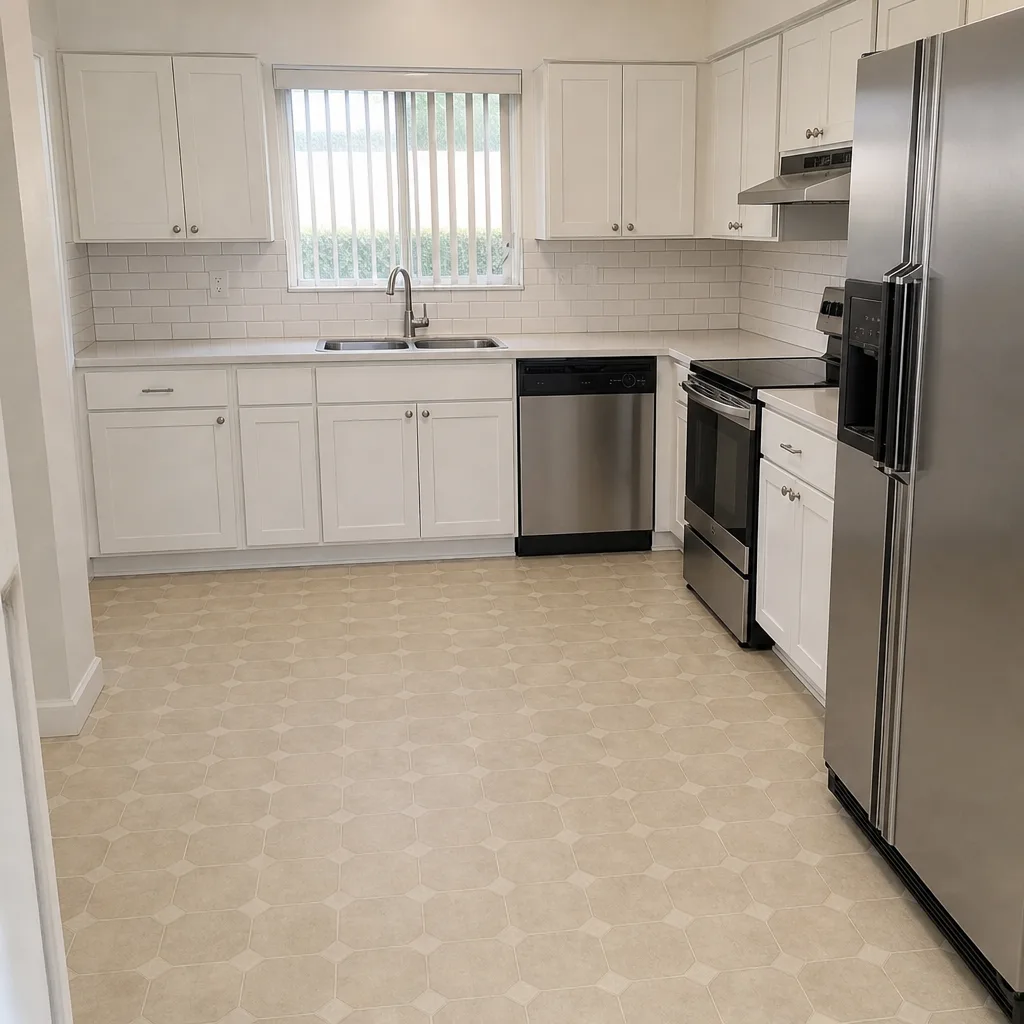 After
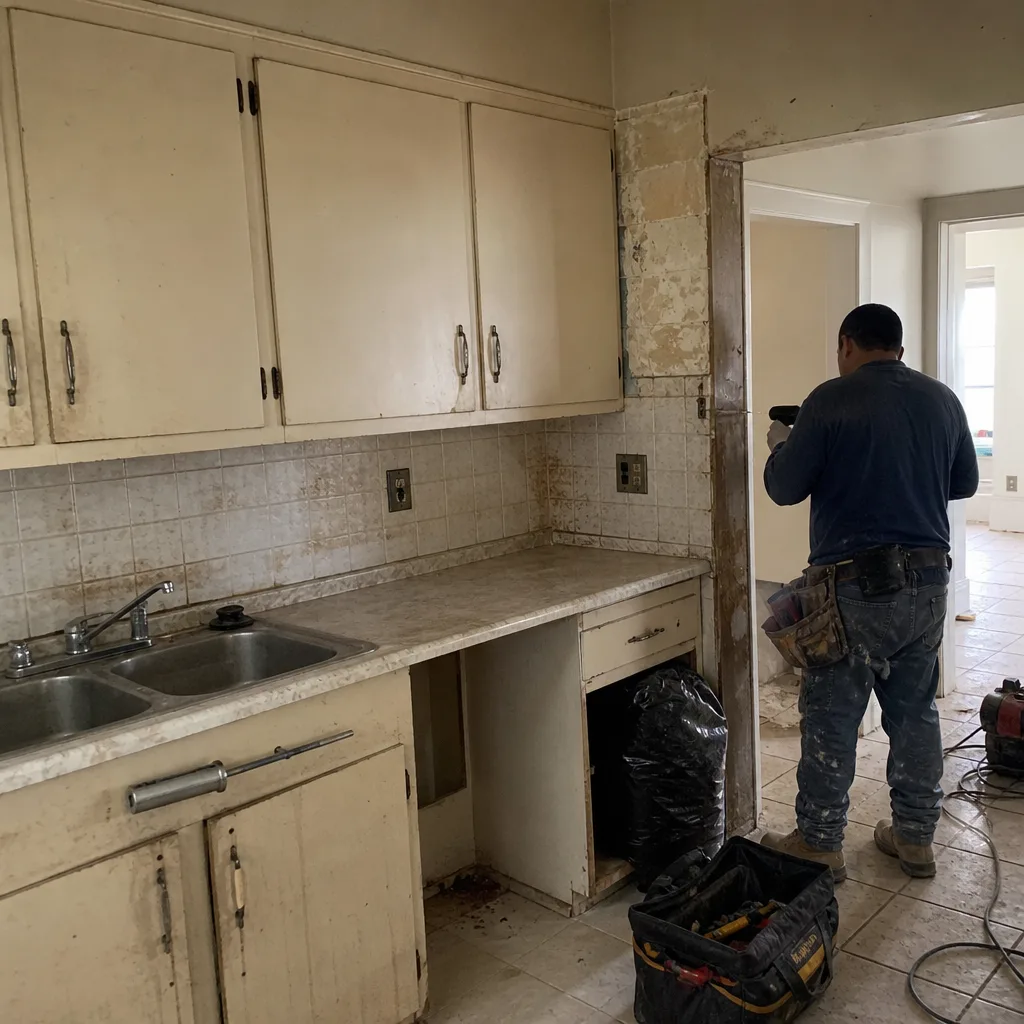 Before
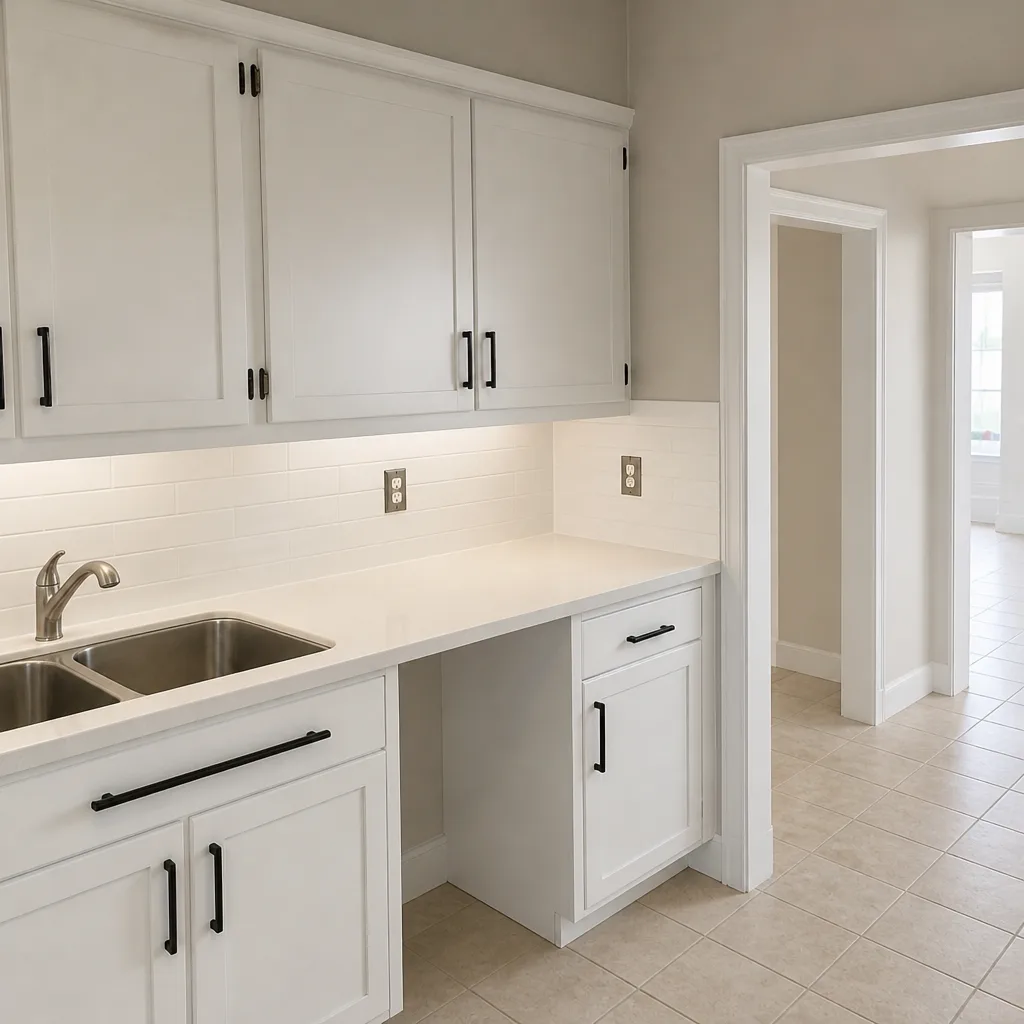 After
How to Fix a Sinking Driveway in Aventura, FL
If your driveway is sinking in Aventura, the slab isn’t your problem – the saturated limestone and sandy fill underneath it is. The fix that actually lasts is stabilizing the base first, then lifting and re-supporting the concrete with polyurethane foam or slabjacking so the surface sits on solid ground again. Skimming a fresh layer of concrete over a settling slab looks fine for a season, then cracks right back open. If you’re already seeing a dip at the garage apron or a crack you can slip a coin into, call (833) 716-6251 and we’ll walk the property with you and tell you what’s actually moving.
That’s the short version. The longer answer is South Florida-specific, and it’s why most generic settling articles get this wrong for coastal Broward and Miami-Dade properties.
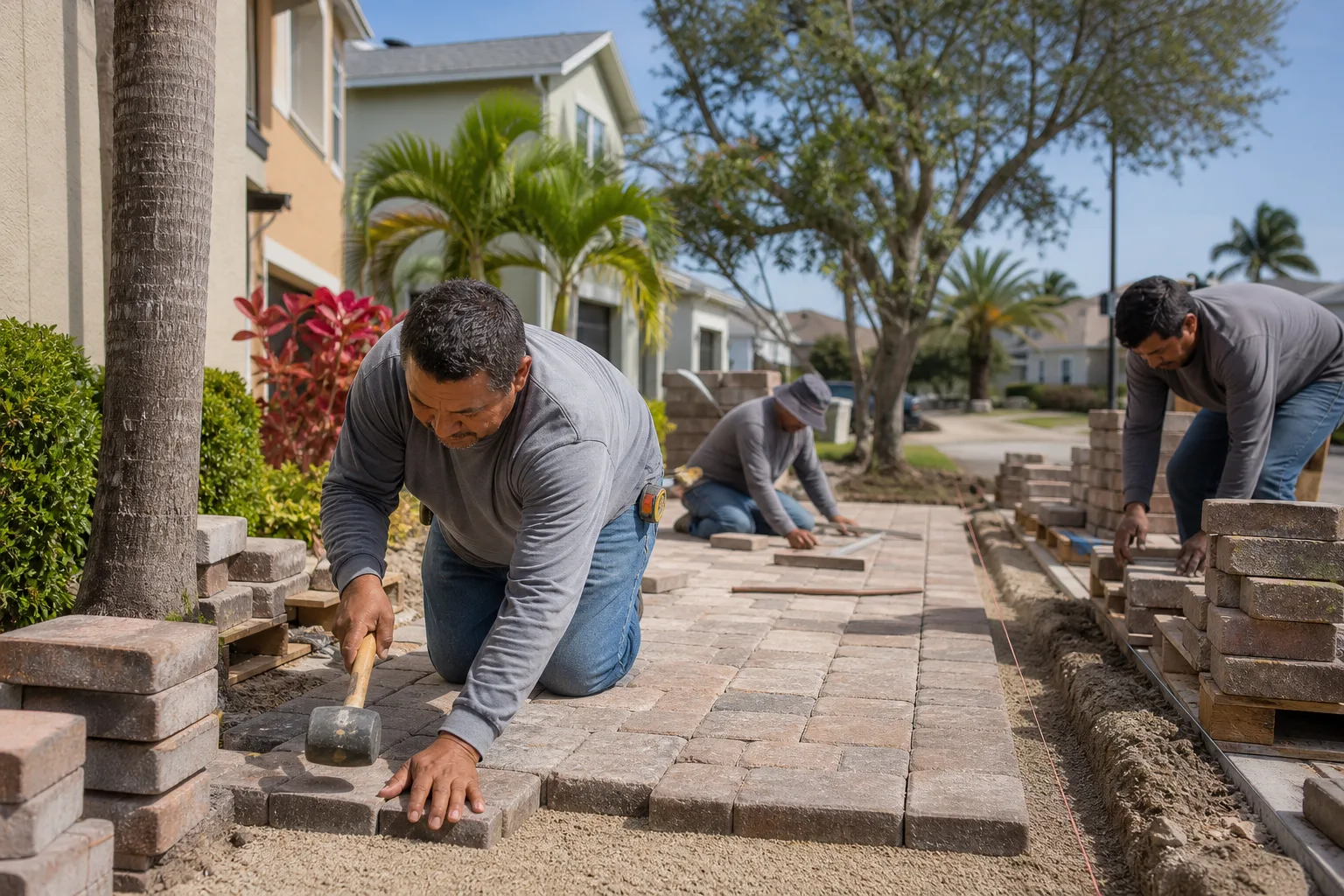
Why Aventura Driveways Sink: It’s the Water, Not the Concrete
Coastal Aventura sits on porous limestone and sandy fill, not the dense clay soils you’ll read about in national settling guides. That matters here. Limestone drains fast until it doesn’t. During the June through October rainy season, stormwater saturates the fill under a driveway, turns it nearly fluid, and then recedes. Do that cycle a few hundred times over a few seasons and the ground under your slab compacts unevenly – more where water pools, less where it drains. The slab above follows the void.
So a sinking driveway in a gated Aventura community is rarely a concrete defect. It’s a drainage and soil-stabilization problem with a concrete symptom. Fix the surface, ignore the water, and you’ll be back on the phone next spring. That’s the trap we see most often in this city’s townhome clusters: a driveway that’s been patched twice and still dips at the same spot.
Dense, built-out lots make this harder to solve. Aventura is mostly high-rise condominiums and gated townhome communities built between the 1970s and 2000s, so every repair happens inside a restricted property – with COA approvals, noise-hour limits, and landscaping rules that rule out a backhoe tearing up your front yard. That constraint is the single biggest reason traditional excavation repairs get rejected here.
Diagnose Before You Repair: The Three Culprits We Check First
Before anyone lifts or replaces a slab, the real work is finding what failed. In Aventura, three causes cover most of what we see:
- Compromised drainage swales. A grade that once pushed stormwater away from the foundation often settles or gets blocked by new landscaping. When it stops draining, the water goes under the driveway instead of around it – the most common subsurface cause we find.
- Tropical root intrusion. Royal palms, ficus and oaks lift slabs, but they also strip moisture from one side of a base while the other side stays saturated. The imbalance is what cracks the slab, not the roots themselves.
- Irrigation line leaks. A slow leak under the apron near the garage keeps one corner of fill permanently wet. It’s easy to miss and cheaper to fix than the concrete it’s slowly destroying.
A proper assessment looks at the drainage situation, not just the visible crack. If the person quoting your repair never asks about your swales, your irrigation, or where the water goes during a summer storm, they’re quoting a patch.
Slabjacking vs. Excavation: Why Foam Is Usually the Right Call Here
For Aventura’s tightly built properties, polyurethane foam lifting (and slabjacking with a cementitious grout) beats full excavation almost every time. Instead of tearing out and repouring, we drill small injection ports through the slab, pump material underneath, and lift the concrete back to grade while the expanding material fills voids and densifies the sandy fill. Pair it with good drainage correction and you’ve addressed both the symptom and the cause.
Why it fits this city so well:
- Small ports instead of torn-up landscaping – much easier to clear with a COA than a full removal.
- Lighter foam adds far less load than new concrete fill on already-compromised soil.
- Most residential driveway sections are completed in a single visit, with minimal disruption to a neighbor’s shared driveway.
- No dumpsters, no weeks of noise, no staging area in a gated community.
Full removal and repour still makes sense when the slab is badly fractured or the subgrade needs real excavation to fix a drainage problem. What doesn’t make sense is repouring a driveway without fixing the soil and water underneath it – the new slab sinks too.
Settling at the Apron vs. Mid-Span: Different Cause, Different Cost
Where the driveway sinks tells you what’s failing, and conflating the two is how homeowners waste money.
- Settling at the apron (next to the garage slab). Usually water washing under the joint, an irrigation leak nearby, or inadequate compaction right at the transition. It’s the higher-traffic seam and often the first thing to fail.
- Settling mid-span. Pure subsurface soil compaction across the length of the panel – more often a drainage or saturation issue under the middle of the run than a joint problem.
Get the diagnosis wrong and you’ll pay for the wrong fix. If you’re weighing repair against a fresh surface, there’s a real cost difference between a targeted lift and a full replacement. Here’s how Aventura driveway work typically runs:
| Work | Typical Range |
|---|---|
| Driveway replacement | $5,000-$14,000 |
| Concrete driveway installation | $4,500-$12,000 |
| Paver driveway installation | $7,000-$18,000 |
| Asphalt driveway paving | $3,500-$9,000 |
| Driveway sealing | $250-$700 |
Targeted lifting with drainage correction usually lands well under a full replacement. If you’re reworking a whole front approach and want a finish that holds up to coastal salt and humidity, our Driveway & Pavers work covers the full scope, and we build with partners like Tremron and Techo-Bloc because pavers flex and reset better than poured concrete on moving coastal soil.
What the Repair Actually Involves
The full sequence for a lasting fix:
- Drainage first. Correct the swales, redirect stormwater, and repair any leaking irrigation line so the subgrade can dry and stay dry.
- Confirm the soil. Probe or core to confirm where the voids sit before injection.
- Lift and stabilize. Inject foam or grout to fill voids, densify the fill, and raise the slab back to grade.
- Finish and seal. Reseal joints and surfaces so the repair holds through hurricane season and the next rainy cycle.
Our technicians – background-checked, uniformed, and bringing up to 12 years of hands-on experience – assess the drainage picture before quoting. Any repair we perform is covered by the 730-Day Done Right Promise: if it’s not done right, we make it right. That matters for a sinking driveway, because the failure mode is repeat settling, and a short warranty would leave you holding the bag on the second visit.
How Much Does It Cost to Fix a Sinking Driveway in Aventura?
Most Aventura driveway repairs land between a few hundred dollars for targeted sealing and drainage correction and several thousand for a lift-and-stabilize job, with full replacement running $5,000-$14,000. The variable that moves the number most is whether drainage work is included – and skipping it is why some repairs come back. You get a written, upfront price before we touch the slab: the number you see is the number you pay. If the project is over $10,000, you can take $1,000 off, and 0% financing for 18 months is available. Call (833) 716-6251 for a free estimate and design consult.
FAQs
Most sinking driveways can be raised with polyurethane foam or slabjacking and don’t need full replacement. Replacement is the right call only when the slab is badly fractured or the subgrade needs excavation to fix the drainage underneath. We confirm which you need during the assessment, before any work is quoted.
Targeted repair and drainage correction often runs a fraction of full replacement, which typically lands at $5,000-$14,000 for a new concrete or paver driveway in Aventura. The exact figure depends on the slab size, whether drainage needs correcting, and the finish you choose. Call (833) 716-6251 for a free, upfront quote – no surprise line items.
If the drainage and soil weren’t fixed, the same water keeps washing out the same fill and the slab settles again. That’s the pattern we see most in Aventura’s gated communities, where stormwater pools against a townhome’s shared lot. The fix that lasts addresses the water first, then lifts and stabilizes the slab.
We can often schedule a same-day assessment for active settling and cracks, and calls are answered by a live person 24 hours a day. Tell us where the dip is – apron or mid-span – and we’ll bring the right diagnostic tools. Call (833) 716-6251 and we’ll get you on the schedule.
Get It Fixed Before the Next Rainy Season
If you’d rather have it looked at, Groundwork Construction Co. of Aventura offers a no-pressure assessment in Aventura – call (833) 716-6251. We’ll tell you what’s actually moving, whether it’s a patch or a real fix, and what it costs before anyone lifts a shovel. From foundation to finish line, built to last and backed in writing.
Written by the team at Groundwork Construction Co. of Aventura, serving Aventura, FL.